 Ozikoro
 Cultural Heritage · Published history
The Oloye and Olareajas: The Hierarchy of the Military-Administrative Chiefs
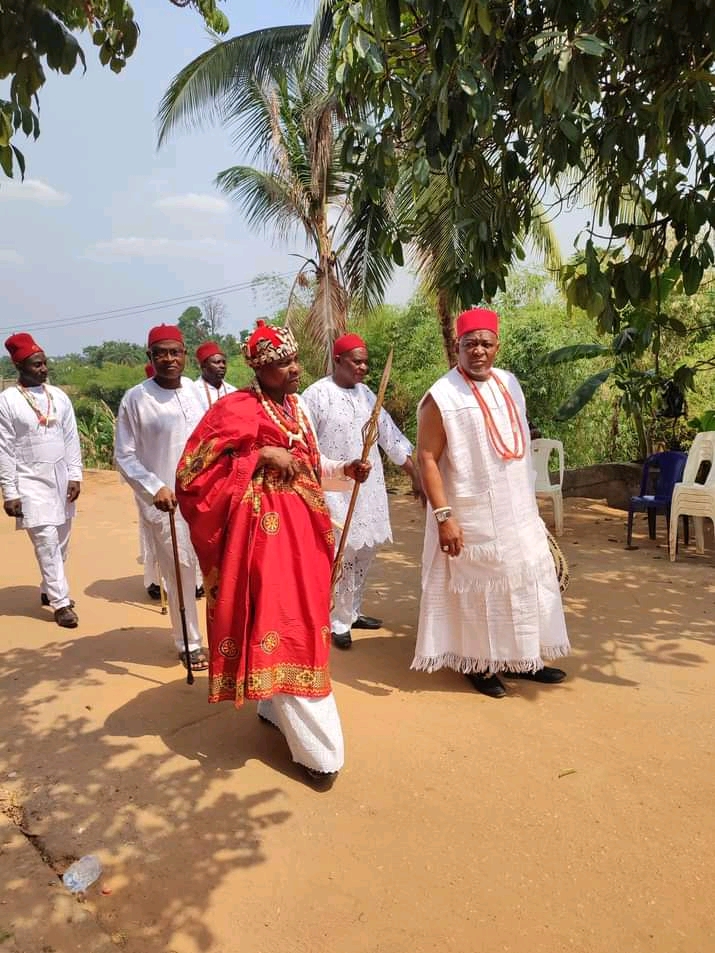
The Itsekiri political system developed a sophisticated hierarchy of governance that combined military authority, administrative control, and ritual responsibility. Central to this structure were the Oloye (titled chiefs) and the Olare-Aja (senior lineage heads), who formed the framework of traditional administration under the Olu of Warri. While the Olu functioned as the supreme monarch, these chiefdom structures ensured effective governance across towns, villages, and extended family compounds.
The written record
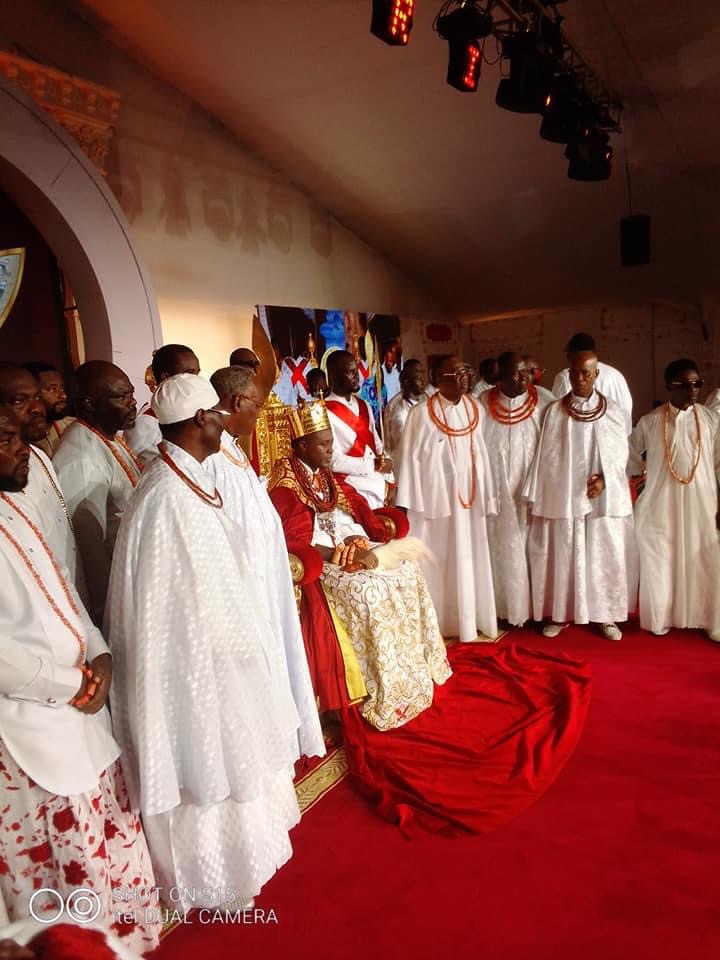
Photo credit: Wikimedia Commons via LordSnow242
Historical context
Foundations of Itsekiri Political Structure
- Origins of the Chiefly System
According to entries: Warri Kingdom, the Itsekiri political hierarchy evolved from the 15th-century establishment of the monarchy by Prince Ginuwa, son of Oba Olua of Benin. Early Itsekiri chiefs were modeled partly on Benin’s administrative categories, adapted to suit the maritime environment of the Niger Delta. As the kingdom grew into a regional trading power, chiefs became essential intermediaries between the monarchy, inland communities, and Portuguese traders who arrived in the 16th century.
- Division Between Court and Provincial Chiefs
Itsekiri chiefdom evolved into two broad categories:
Ojoye Ologbotsere Class: Military and administrative chiefs who governed large territories and commanded warriors and
Olare-Aja Class: Senior lineage heads who governed family compounds, clans, and community affairs.
These institutions balanced centralized monarchical authority with decentralized local governance.
The Oloye: The Military-Administrative Chiefs
- Definition and Rank
The word “Oloye” in Itsekiri refers to a titled chief who holds a political, administrative, or military position under the Olu. These chiefs were not merely ceremonial figures. They exercised “delegated sovereign authority,” representing the Olu in disputes, commerce, warfare, and judicial matters. Their titles were hereditary in some cases and merit-based in others.
- Types of Oloye Chiefs
Historical sources identify several categories of Oloye:
Ologbotsere: The highest-ranking chief and “Prime Minister” of the kingdom, often responsible for security and diplomacy.
Iyatsere: Chief war commander and head of large regiments.
Ojomo: Overseer of inland communities and agricultural territories.
Otsodin: Custodian of certain palace rituals and advisor on court protocol.
Other Ojoye Titles: Including chiefs responsible for trade routes, taxation, arbitration, and religious festivals.
As Ekeh notes, the Oloye system evolved over centuries, with some offices emerging during the Portuguese period to manage trade, taxation, and diplomacy.
- Military Authority of the Oloye
The Oloye were central to the Itsekiri military system, responsible for organizing warrior guilds, handling naval warfare and war canoes, protecting trading routes (Escravos, Benin, Forcados rivers), responding to threats from Urhobo, Ijaw, and European forces, supervising musketeers and combat specialists.
The Ologbotsere and Iyatsere were especially crucial during conflicts such as the nineteenth-century Delta trade wars and confrontations with the Portuguese and British.
- Administrative and Judicial Duties
Beyond warfare, the Oloye exercised administrative and judicial authority settling disputes within communities, managing taxation and levies, overseeing market regulations, supervising land rights, and representing the Olu at regional courts.
Their courts were the first point of contact for most civil matters before appeals went to the palace.
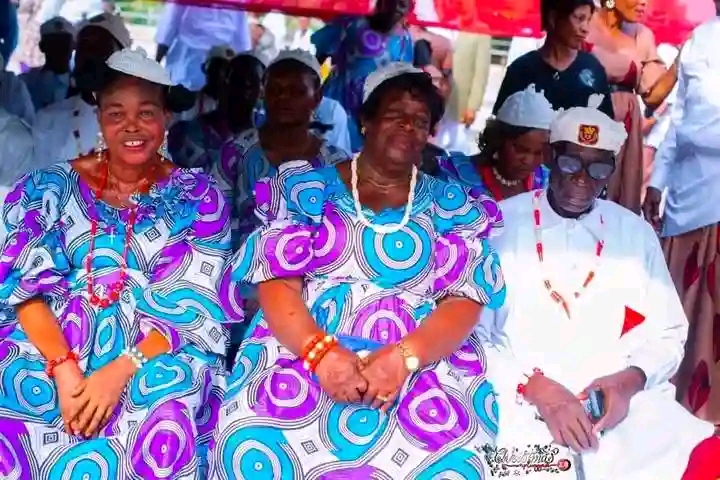
Photo credit: Wikimedia Commons via Orokbest1
The Olare-Aja: Custodians of Lineage and Community Governance
- Meaning and Significance
The Olare-Aja (“senior of the lineage house”) was the eldest male in an extended Itsekiri family or clan compound. Unlike the Oloye, whose authority derived from the Olu, the Olare-Aja derived authority from age, seniority, and ancestral continuity.
This structure has similarities to lineage systems found among the Yoruba and Benin peoples, but Itsekiri practice blended these with the monarchical system unique to the Delta region.
- Duties and Responsibilities
The Olare-Aja served as custodian of ancestral shrines, mediator in family disputes, organizer of rituals and rites, manager of family land, inheritance, and lineage property and local authority in settlement of minor offenses.
They ensured that every family compound remained connected to its ancestral heritage, oral traditions, and ritual obligations.
- Relationship With the Oloye and the Olu
The Olare-Aja acted as a bridge between families and the central authority. While they oversaw internal communal matters, they deferred to the Oloye for inter-community conflicts, high-order judicial issues, military mobilization, palace summons, large-scale festivals or rituals.
This dual system created administrative stability while preserving the autonomy of extended families.
Governance Through Balance: The Oloye–Olare-Aja Partnership
- How the System Ensured Social Order
The combination of Oloye (centralized authority) and Olare-Aja (localized authority) created a political structure that was both flexible and stable. Court chiefs handled affairs involving multiple communities, international trade, military strategy, and palace administration. Meanwhile, the Olare-Aja maintained social cohesion and continuity at the grassroots.
- Checks and Balances
Several features created balance:
No Oloye could interfere arbitrarily in family rites controlled by the Olare-Aja.
The Olare-Aja could not override royal decrees issued by the Ologbotsere or other high chiefs.
The Olu relied on both classes to enforce law and order.
This prevented excessive centralization and ensured communal participation in governance.
- Adaptation During the Colonial Era
Colonial administrators attempted to redefine or undermine the roles of the Oloye and Olare-Aja. British indirect rule elevated some chiefs while bypassing traditional processes. Yet, as Ikime argues, the Itsekiri adapted creatively, preserving core elements of their indigenous governance even under colonial pressure.
The Itsekiri system of chiefs distinguished by the Oloye and the Olare-Aja represents a remarkable example of African administrative sophistication. The Oloye provided military strength, judicial authority, and regional governance, while the Olare-Aja ensured continuity of lineage traditions and grassroots cohesion. Together, they created a political system capable of managing a maritime trading kingdom, engaging with European powers, and maintaining social order across centuries. Their legacy continues to inform modern Itsekiri socio-political identity and remains a vital component of Nigeria’s rich cultural heritage.
Sources and references
- Ekeh, P. P. (2008). Warri City and British Colonial Rule in the Western Niger Delta. Urhobo Historical Society.
- Horton, R. (1991). Stateless Societies in the Niger Delta. In M. Crowder (Ed.), The History of Nigeria. Longman.
- Ikime, O. (1968). Merchant Princes of the Niger Delta. Heinemann.
- Peel, J. D. Y. (2016). Christianity, Islam, and the Orisa Religion. University of California Press.
Cite this article
Discussion
Sign in to join the discussion
Comments are checked by an editor before they appear. Leave a source or a correction and it is read first.
Continue reading
Related histories
 Cultural HeritageEleven Days of Nwafor Ogidi: Inside the Festival Keeping an Old Igbo Tradition AliveRead history →
 Cultural HeritageIli Ji Nkpor Obododike: The Indigenous Agricultural Ritual CycleRead history →
 Cultural HeritageMusic and Drum Traditions: Tracing the “Igbo Drum” in the AmericasRead history →
No comments yet
Nothing has been approved on this record yet. Comments are checked by an editor before they appear, so one written now shows on this page after that check.