 Ozikoro
 Cultural Heritage · Published history
The Ontology of Identity: Igu Aha and the Sociocultural Significance of Naming in Igbo Tradition
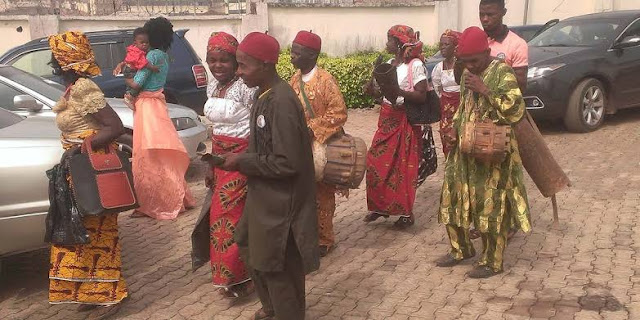
In the Igbo cosmology of Southeastern Nigeria, a name is not merely a “label for identification”; it is a destiny, a prayer, and a historical record. The naming ceremony, known as Igu Aha (literally “to give a name”), is a foundational rite of passage that bridges the gap between the spiritual realm and the physical world. For the Igbo, the philosophy of Afamefuna (“May my name not be lost”) underscores the importance of lineage and memory. As noted by various Africanist scholars, an Igbo name serves as a “window into the circumstances of a child’s birth,” the family’s relationship with the divine, or their standing within the community. This article explores the structural elements of the Igu Aha ceremony and the deep-seated etymological meanings behind traditional Igbo names.
The written record
Historical context
The Ritual Mechanics of Igu Aha
The naming ceremony is a communal event, usually occurring eight days after the birth of a child. This timing is significant, as it traditionally aligns with the “Igbo four-day market cycle” (Eke, Orie, Afor, Nkwo), ensuring the child has seen at least two full cycles of the Igbo week.
- The Role of Elders and Ancestors:
The ceremony is typically presided over by the oldest male member of the family (Okpala) or the grandfather. According to traditional belief, the elders act as “intermediaries between the living and the ancestors.” The ceremony begins with the breaking of kola nuts and the pouring of libations, inviting the ancestors to witness the inclusion of a new member into the lineage.
- Symbolic Elements:
Items used during the ritual often include palm wine, kola nuts, and sometimes seeds or yams, representing “fertility and productivity.” In some sub-regions, a small amount of water or honey is placed on the child’s tongue to symbolize the “sweetness and challenges” they will encounter in life.
- Public Proclamation:
The climax of the event is the formal announcement of the name. As Wikipedia contributors note, the naming process is a “collective responsibility,” though the father holds the primary right to choose the principal name. Once pronounced, the community acknowledges the child’s identity, effectively “integrating them into the social fabric.”
Thematic Categories of Igbo Names
Igbo names are rarely chosen for their “aesthetic sound” alone; they are deeply rooted in the Omenala (traditional customs). They can be categorized based on the specific messages they convey.
- Names Tied to Deities and the Spirit World:
Before the widespread adoption of Christianity, many names were tied to the Alusi (deities) or the concept of Chi (personal spirit/destiny);
Chi-based names: Chidiebube (“God is glorious”) or Chinwendu (“Life belongs to God”). These names acknowledge that “man proposes, but the Chi disposes.”
Deity-based names: Names like Nwanyieki (Female of the Eke market/deity) or Okoroafor (Male of the Afor market) link the child to the specific day or deity presiding over their birth.
- Circumstantial and Observational Names:
Names often record the “prevailing conditions” at the time of birth. If a child is born after a period of hardship, they might be named Nwaobilor (“The child that calmed the heart”). If the family had been longing for a male or female child, names like Ogechukwu (“God’s time”) are common.
- Names as Social Commentary or Philosophy:
Some names serve as “responses to critics” or reflections on family history. Amadi (Free-born) denotes status, while Onwubiko (“Death, I implore you”) is often given to a child born after several infant deaths (Ogbanje), serving as a “plea to the spirit of death” to let the child stay.
The Concept of Chi and Destiny in Naming
Central to Igbo naming is the concept of Chi. In Igbo metaphysics, the Chi is an individual’s “spiritual double” or guardian angel.
- Chi as a Determinant of Success:
Names like Chika (“Chi is greater”) or Chibuike (“God is strength”) reinforce the belief that “no one can rise above their Chi.” The name acts as a constant reminder to the individual to stay in alignment with their spiritual path.
- Reincarnation (Ilo Uwa):
The Igbo believe in the “return of ancestors” through children. When a child is thought to be a reincarnated grandfather, they may be named Babatunde (though more common in Yoruba, the Igbo equivalent is Nnanna, meaning “Father’s father”). This reinforces the “cyclical nature of life” and the bond between the past and the present.
Regional Variations and Modern Evolutions
While the core philosophy remains, the “expressions of naming” vary across the Igbo heartland (Imo, Abia, Anambra, Enugu, and Ebonyi).
- Dialectical Nuances:
In the Anambra region, names often carry a “regal or titular” tone, such as Nnamdi (“My father lives”). In the southern Mbaise or Ngwa areas, names might be more “proverbial and lengthy,” acting as full sentences that tell a story.
- The Impact of Christianity:
With the advent of colonial influence, there was a shift from naming children after local deities to “Christianized Igbo names.” As noted by Wikipedia, many modern Igbo parents replace the name of a specific deity (Arusi) with Chukwu (The Great God). For example, Igwekala might give way to Chukwuebuka. However, the “structural intent” remains the same: to give the child a name that serves as a “fortress and a prayer.”
Socio-Political Significance of the Name
In Igbo society, a name is a “moral compass.” A child is often told, Cheta onye iwu (“Remember who you are”).
- Family Honor:
Because names often include the family surname, an individual’s actions are seen as a “reflection on the entire lineage.” A “good name” (Ezigbo Aha) is considered more valuable than gold or silver in Igbo traditional ethics.
- Identity and Belonging:
In the diaspora, the Igu Aha ceremony has become a “vital tool for cultural preservation.” It serves as a medium for Igbo people across the world to maintain an “umbilical connection” to their ancestral home, ensuring that their children do not lose their “linguistic and spiritual heritage.”
The Igbo naming ceremony, Igu Aha, is much more than a “social gathering.” It is a sophisticated ontological exercise that defines an individual’s place within the cosmos, the community, and the family. By weaving together the “threads of circumstance, divinity, and ancestry,” Igbo names function as a “living history.” To understand an Igbo person’s name is to understand their family’s prayers, their ancestors’ victories, and the “destiny they are expected to fulfill.” As the Igbo say, Aha onye na-eso ya “A person’s name follows them.”
Sources and references
- Achebe, C. (1994). Morning Yet on Creation Day. Anchor Books. (Discussing the philosophical underpinnings of Igbo identity and naming).
- Echeruo, M. J. C. (1979). Ahiajoku Lecture: A Matter of Identity. Ministry of Information and Culture.
- Ilogu, E. (1974). Christianity and Igbo Culture. University Publishing Co. (Analyzing the transition of naming patterns from traditional deities to Christian concepts).
- Njoku, J. E. (1990). The Igbos of Nigeria: Ancient Rites, Changes, and Survival. Lewiston, NY: Edwin Mellen Press.
- Ub ahakwe, E. (1981). Igbo Names: Their Structure and Their Meaning. Daystar Press.
Cite this article
Discussion
Sign in to join the discussion
Comments are checked by an editor before they appear. Leave a source or a correction and it is read first.
Continue reading
Related histories
 Cultural HeritageEleven Days of Nwafor Ogidi: Inside the Festival Keeping an Old Igbo Tradition AliveRead history →
 Cultural HeritageIli Ji Nkpor Obododike: The Indigenous Agricultural Ritual CycleRead history →
 Cultural HeritageMusic and Drum Traditions: Tracing the “Igbo Drum” in the AmericasRead history →
No comments yet
Nothing has been approved on this record yet. Comments are checked by an editor before they appear, so one written now shows on this page after that check.