 Ozikoro
 Cultural Heritage · Published history
The Pen and the Crown: The Legacy of Early Christian Olus in Shaping Itsekiri Intellectualism
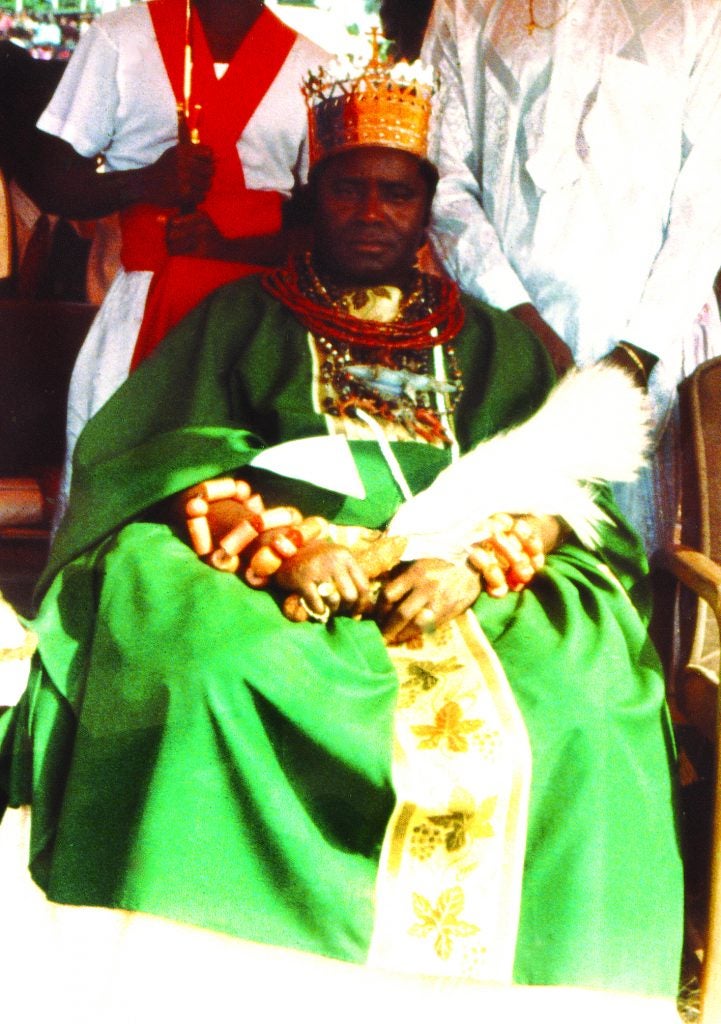
The history of the Western Niger Delta is often framed through the lens of maritime trade and the “palm oil” commerce of the 19th century. However, a much deeper and more profound legacy exists within the Warri Kingdom: a heritage of “intellectualism” rooted in a centuries-old relationship with Western education and Christianity. Long before the 1842 missionary arrival in Badagry, the Itsekiri monarchy had already established a precedent for literacy. Through the vision of the early “Christian Olus,” the Warri Kingdom became a unique “intellectual enclave” in West Africa. By embracing the pen alongside the scepter, these monarchs fostered a literate elite capable of navigating the complex global tides of diplomacy and trade. This article explores the evolution of Itsekiri intellectualism, beginning with the 16th-century royal conversions and concluding with the emergence of a modern, highly educated professional class.
The written record
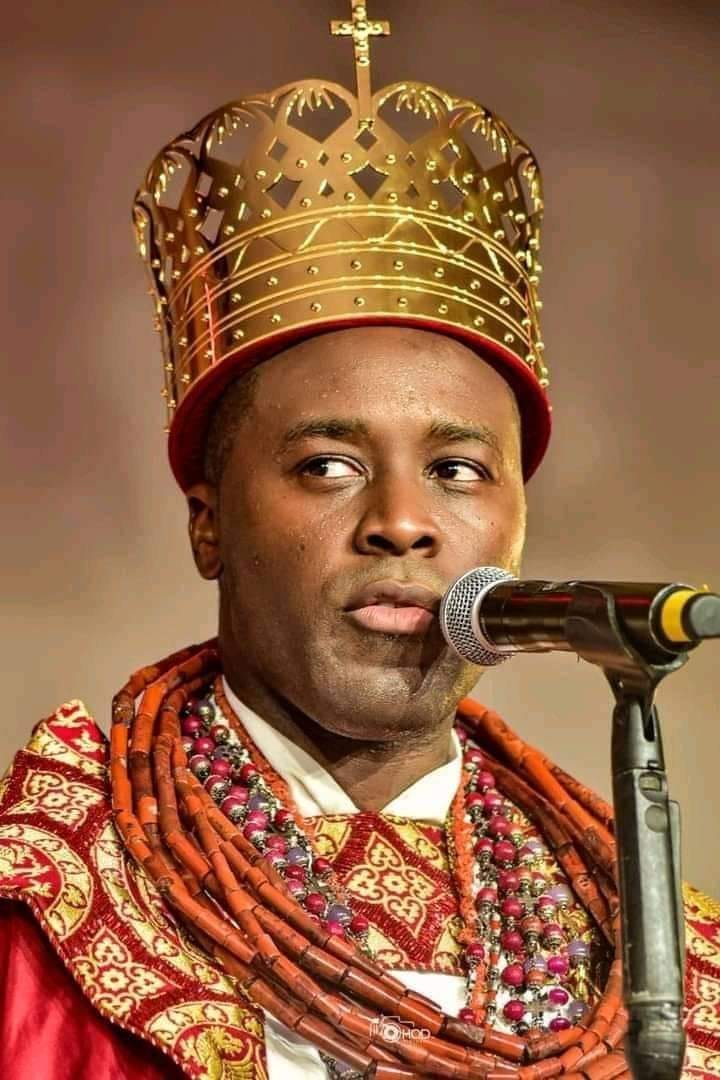
Photo Credit: Historical Archives of the University of Coimbra / Portuguese National Library.
Historical context
The Early Catalysts: The “Christian Olus” of the 16th and 17th Centuries
The foundation of Itsekiri intellectualism was laid by a succession of monarchs who recognized that literacy was a tool of “sovereignty and survival;
The Conversion of the Crown: In the late 1500s, contact with Portuguese Augustinian and Capuchin missionaries led to the conversion of the royal house. This was not merely a spiritual shift but a “strategic educational pivot.”
Olu Sebastian (Atuwatse I): Perhaps the most influential of the early literate monarchs, Olu Sebastian was educated by Portuguese friars. Under his reign, the palace at Ode-Itsekiri (Big Warri) became a center of learning where the Itsekiri nobility were taught to read and write in Portuguese and Latin.
Dom Domingos (Olu Atuwatse II): As the son of Sebastian, Domingos was sent to Coimbra University in Portugal in the early 1600s. He remains one of the first Sub-Saharan Africans to receive a “European university education,” returning to the Delta not just as a king, but as a “scholar-prince.”
The Palace School System: Creating a “Bureaucratic Nobility”
The early Olus did not keep literacy for themselves; they institutionalized it within the royal court to create a class of “literate intermediaries”;
Administrative Literacy: By the 17th century, the Itsekiri monarchy was conducting “diplomatic correspondence” with the Vatican and the Portuguese Crown. This required a class of secretaries and clerks drawn from the nobility who were proficient in European languages.
The “Mulatto” Elite and Cultural Synthesis: The intermarriage between Itsekiri nobility and Portuguese settlers produced a “cosmopolitan elite.” This group combined traditional Itsekiri political acumen with a “Western intellectual framework,” setting the stage for the highly educated “Houses” that would later dominate Niger Delta commerce.
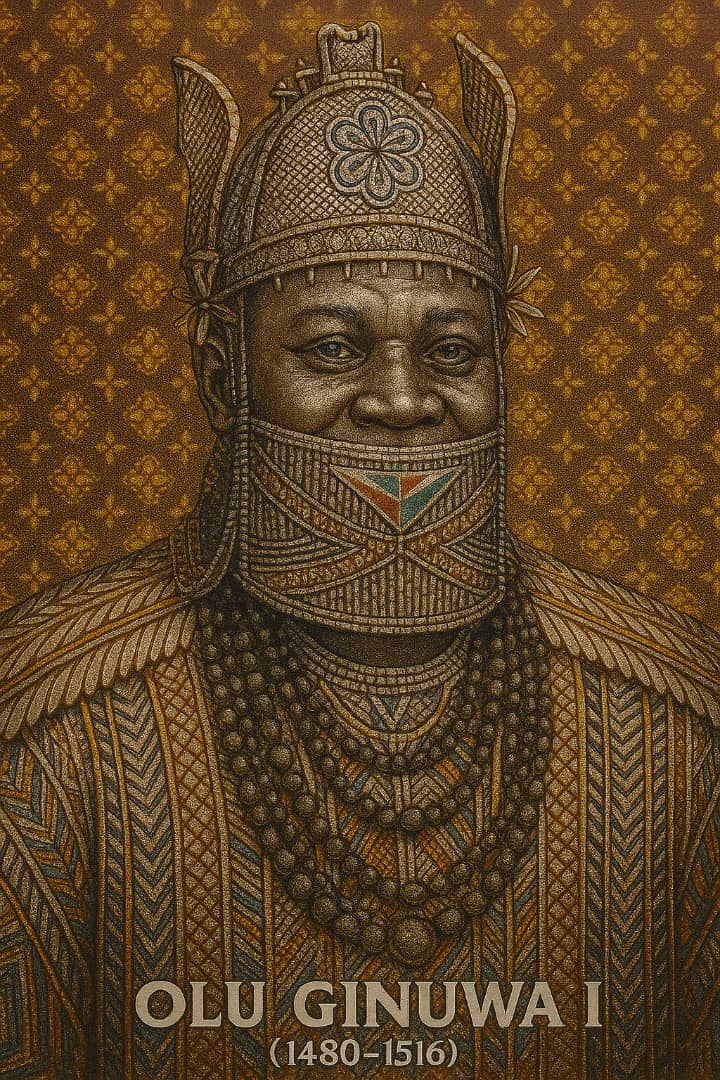
The Interregnum and the Preservation of Knowledge
Between 1848 and 1936, the Warri Kingdom experienced a period without a central Olu (the Interregnum). Surprisingly, this did not destroy the “intellectual momentum” of the people;
The Rise of the Merchant Princes: In the absence of a king, power shifted to “Merchant Princes” like Chief Nana Olomu. While Nana was a traditionalist in many respects, he continued the royal legacy of “administrative precision,” employing clerks to document his commercial empire in the Benin River.
The Shift to English Literacy: During this period, the influence of the Church Missionary Society (CMS) and the Baptist Mission grew. The Itsekiri elite transitioned from Portuguese to “English literacy,” ensuring they remained the indispensable “middlemen” for the British colonial administration.
The 20th Century: The Democratization of Intellectualism
With the restoration of the Monarchy in 1936 under Olu Ginuwa II, the legacy of the “Christian Olus” was modernized and expanded to the broader Itsekiri population;
The Education of the Masses: The Itsekiri people, influenced by the historical prestige of the literate monarchy, became one of the most “pro-education” ethnic groups in Nigeria. Families in Sapele, Warri, and Koko prioritized schooling as the primary means of “upward social mobility.”
The Professional Class: This focus produced a disproportionate number of Itsekiri “pioneers” in Law, Medicine, and Engineering. The legacy of the 17th-century palace schools evolved into a modern culture of “academic excellence,” where the pursuit of a Ph.D. or a legal wig was viewed as a modern “traditional title.”
Intellectualism as “National” Identity: For the Itsekiri, being “civilized” or “intellectual” became a core part of their ethnic identity. This is often reflected in their sophisticated traditional dress (the “George” and “Chieftaincy” shirts) and their “meticulous preservation” of written historical records.
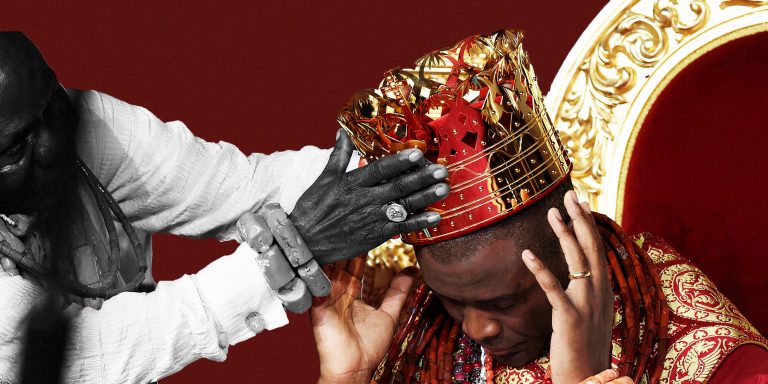
Photo Credit: G. I. Jones Archives / Museum of Archaeology and Anthropology, Cambridge.
Challenges and the Modern “Intellectual Frontier”
While the legacy is strong, the Itsekiri intellectual tradition faces modern challenges in a rapidly changing Nigeria;
Preservation of the Itsekiri Language: As English and Pidgin dominate the “intellectual discourse” in Warri and Sapele, there is a growing movement among the elite to ensure that the “Itsekiri language” remains a medium of scholarship.
Oil Politics vs. The Pen: The rise of the petroleum industry has shifted some focus toward “resource agitation.” However, the Itsekiri leadership continues to argue that “education and intellectual development” are the only sustainable paths to long-term prosperity in the Niger Delta.
The Role of the Current Olu: The current Olu of Warri, Ogiame Atuwatse III, embodies the modern “Scholar-King.” His focus on “innovation and technology” is a direct continuation of the 16th-century legacy of using “global knowledge” to empower the local kingdom.
A Legacy of “Enlightened Sovereignty”
The “intellectualism” of the Itsekiri people is not an accidental byproduct of colonialism; it is a “deliberate inheritance” from the early Christian Olus. By inviting the first missionaries and sending their princes to Europe, the monarchs of Warri ensured that their people would never be “silent subjects” of history. This heritage of literacy and global engagement allowed the Itsekiri to build a “commercial empire” that survived the fall of empires around them.
Today, every Itsekiri student and professional carries a piece of that “palace school” legacy, a belief that the pen, guided by the wisdom of the crown, is the most powerful tool for navigating the waters of the world.
Sources and references
- Ajayi, J. F. A. (1965). Christian Missions in Nigeria, 1841-1891: The Making of a New Elite. Longman.
- Dike, K. O. (1956). Trade and Politics in the Niger Delta, 1830-1885. Oxford: Clarendon Press.
- Ikime, O. (1969). Niger Delta Rivalry: Itsekiri-Urhobo Relations and the European Presence 1884-1936. Longmans.
- Lloyd, P. C. (1963). The Itsekiri. International African Institute.
- Ryder, A. F. C. (1969). Benin and the Europeans, 1485-1897. Longmans. (A primary source for Portuguese-Warri interactions).
- Sagay, I. (1980). The Itsekiri: A History of the Warri Kingdom. Togbi Press.
Cite this article
Discussion
Sign in to join the discussion
Comments are checked by an editor before they appear. Leave a source or a correction and it is read first.
Continue reading
Related histories
 Cultural HeritageEleven Days of Nwafor Ogidi: Inside the Festival Keeping an Old Igbo Tradition AliveRead history →
 Cultural HeritageIli Ji Nkpor Obododike: The Indigenous Agricultural Ritual CycleRead history →
 Cultural HeritageMusic and Drum Traditions: Tracing the “Igbo Drum” in the AmericasRead history →
No comments yet
Nothing has been approved on this record yet. Comments are checked by an editor before they appear, so one written now shows on this page after that check.