 Ozikoro
 Cultural Heritage · Published history
The Politics of Economics over Expansion: Why the Efik People Chose Economic Expansion Over Warfare
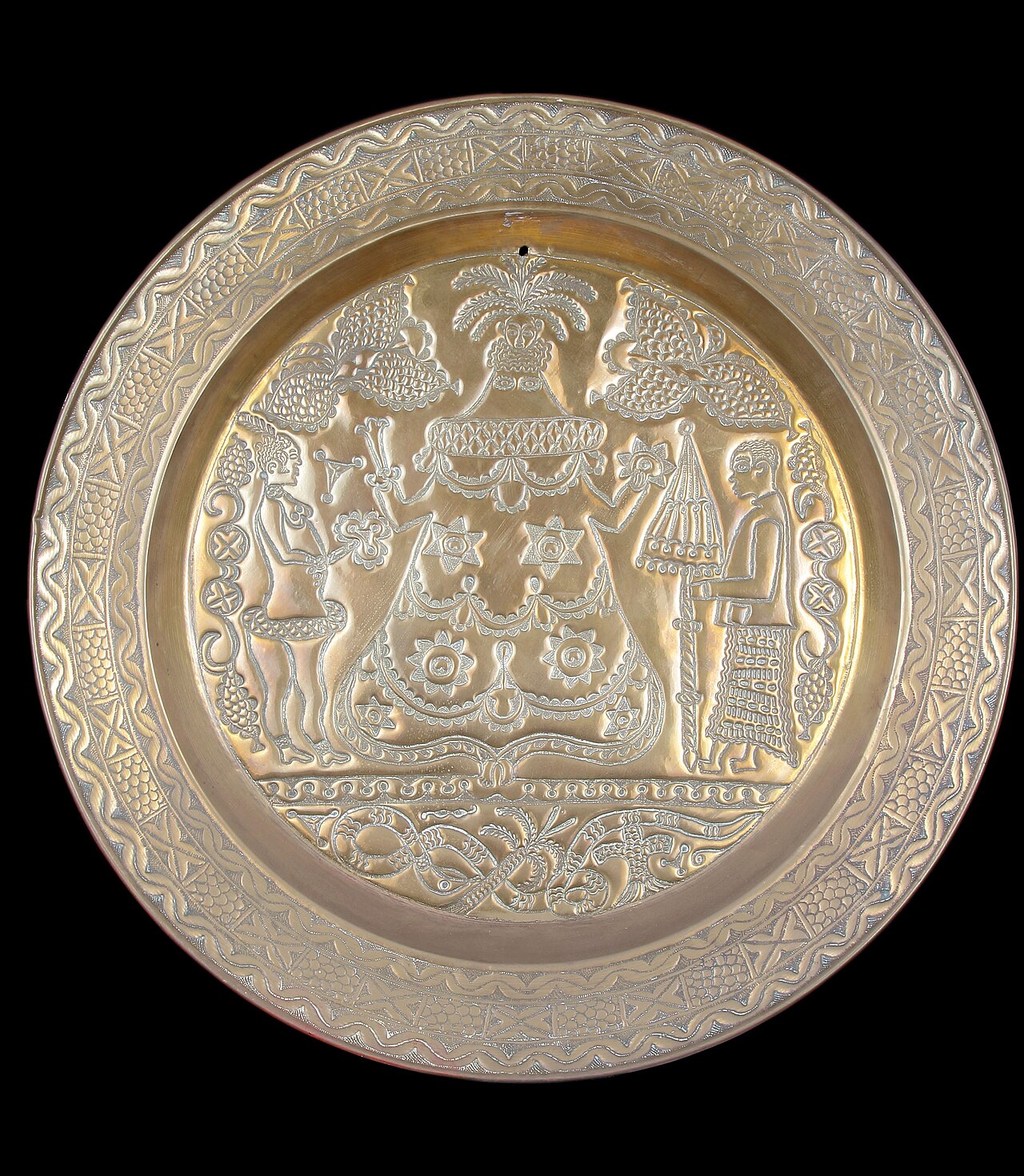
Throughout West African history, societies adopted varying strategies for political and territorial growth. While some groups such as the Oyo Empire or the Benin Kingdom expanded through military conquest, the Efik people of Old Calabar chose a markedly different path. Rather than engage in aggressive territorial expansion, they developed a sophisticated economic and diplomatic system rooted in commerce, maritime mobility, and strategic alliances. The Efik became one of the most influential coastal trading communities in the Niger Delta due to their dominance of trade routes, multilingual abilities, and strong commercial relations with Europeans.
The written record
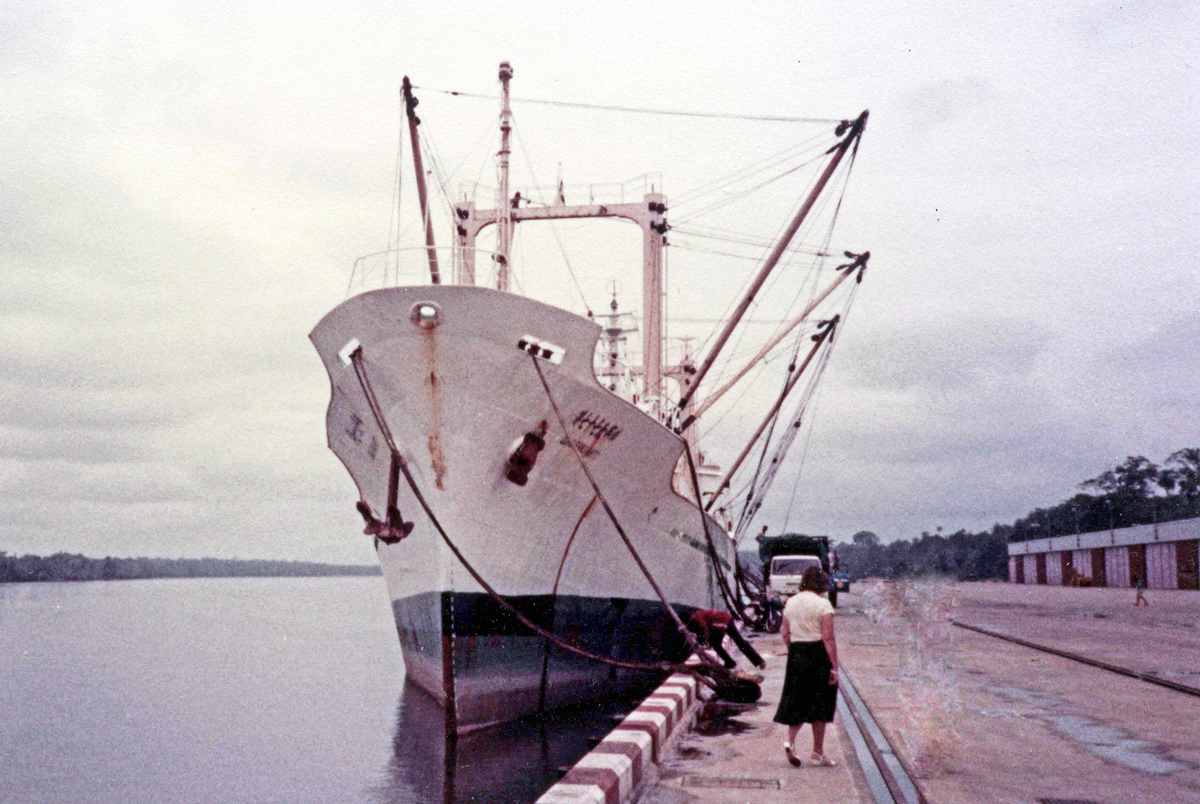
Photo credit: RuthAS, via Wikimedia Commons
Historical context
Historical Background of the Efik People
- Origins and Settlement
The Efik people trace their origins to migrations from the hinterland to the coastal region of southeastern Nigeria. By the 17th and 18th centuries, they were firmly settled in Old Calabar, particularly in towns such as Creek Town and Duke Town. As coastal dwellers, their identity became intertwined with riverine trade, fishing, and canoe transport. Unlike inland states that depended on land expansion for security or agriculture, the Efik derived power from controlling waterways and international trade routes.
- Political Structure and Merchant Leadership
The Efik political system was dominated by wealthy merchant families and influential chiefs. Merchant-capitalists, not warriors, held the highest authority. The powerful Ekpe society, which functioned as both a regulatory body and judicial authority, reinforced norms that favored diplomacy, commercial trust, and conflict mediation. This structure naturally promoted economic expansion rather than military conquest.
Geography and Strategic Riverine Position
- Natural Barriers to Land Expansion
The Efik resided in a dense riverine and mangrove-dominated environment. This geography made large-scale warfare or territorial conquest inefficient and costly. Warfare requires mobility, open terrain, and logistics, conditions far better suited to savannah states like Oyo or Sokoto. In contrast, the Niger Delta’s maze-like waterways acted as natural barriers to sustained military campaigns.
- Advantage in Maritime Trade
The same geography that limited warfare created exceptional opportunities for maritime commerce. The Efik became skilled canoe builders, navigators, and middlemen in the Atlantic trade. Their economic power came from controlling access to inland groups such as the Ibibio, Igbo, and Oron and acting as intermediaries between these societies and European traders.
Thus, geography itself made economic expansion more attractive and more rational than military expansion.
Commercial Priorities over Military Conquest
- Control of the Atlantic Trade
From the 17th century onwards, the Efik emerged as major players in the trans-Atlantic trade. Though the slave trade was a major component, they also traded palm oil, ivory, textiles, guns, and European manufactured goods. According to Dike, the Niger Delta middlemen formed a commercial coalition that prevented Europeans from bypassing them, ensuring monopoly over trade routes.
- Wealth as the Source of Political Legitimacy
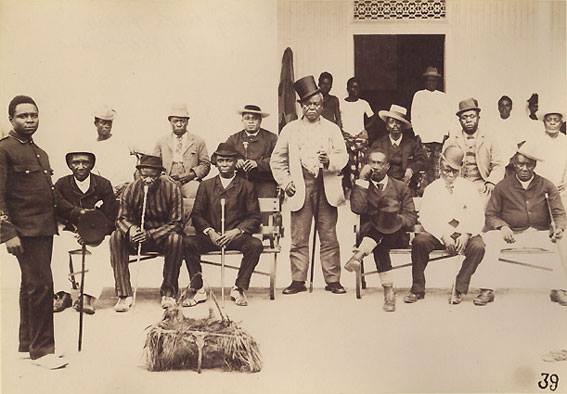
For the Efik, wealth accumulation not land expansion was the primary determinant of influence. Merchant-chiefs such as Duke Ephraim and Eyamba V gained power through economic networks and commercial alliances rather than military achievements. Wealth enabled the funding of communal rituals, support for large households, influence within the Ekpe society, negotiation power with European traders. Thus, the logic of political power was tied to commerce.
- Ekpe Society as an Economic Regulator
The Ekpe society played a major role in maintaining stable commercial practices. It used encoded symbols, sanctions, and judicial authority to enforce agreements, resolve trade disputes, and regulate prices. Because the Ekpe system fostered stability and trust, warfare which destabilizes trade was discouraged.
Diplomatic Culture and Inter-ethnic Relations
- Avoidance of War with Neighboring Groups
The Efik interacted frequently with neighboring communities such as the Efut, Qua, Ibibio, Oron, and Igbo. Instead of warfare, they built economic partnerships and sometimes elite assimilation through intermarriage. Many inland groups depended on the Efik for access to European goods, which created interdependence rather than hostility.
- Use of Diplomacy to Manage Conflict
When conflicts arose, the Efik often relied on mediation through the Ekpe society, trade negotiations, marriage alliances,tribute, gifts, and exchange obligations. This diplomatic approach was more beneficial for long-term coastal trading opportunities.
Impact of European Contact
- European Alliances Reinforced Economic Focus
European traders preferred dealing with cooperative merchant societies rather than militaristic kingdoms. The Efik, known for their multilingual abilities and reliability, cultivated strong and consistent relationships with Portuguese, Dutch, and British traders. Europeans rewarded peace and commercial stability with exclusive trade agreements, further incentivizing the Efik to avoid warfare.
- Literacy and Western Education
By the 19th century, the Efik were among the first Niger Delta communities to embrace Western education and Christian missionary work. This led to increased literacy, new economic opportunities, and expanded diplomatic prestige. Warfare became increasingly incompatible with the Efik vision of modernization.
Economics as an Alternative to Territorial Expansion
- Wealth Over Land
Unlike agricultural states that needed land for sustainability, the Efik economy relied on trade monopolies, maritime transport, commercial brokerage, ritual and diplomatic networks. Because their economic system was not land-dependent, there was no incentive for territorial conquest.
- Commercial Expansion as Political Influence
Economic growth enabled the Efik to expand their influence culturally and politically without warfare. Through trade networks that reached deep into the Cross River hinterland, they extended their power by distributing European goods and controlling access to foreign markets.
The Efik people chose economic expansion over warfare because their geography, political structure, and historical circumstances made commerce more profitable, sustainable, and culturally aligned with their values. Their strategic coastal location, merchant-dominated leadership, strong diplomatic traditions, and close ties with European traders positioned them as one of West Africa’s most influential commercial societies. In the politics of Efik society, economics was not merely a means of survival, it was the foundation of power, prestige, and long-term stability.
Sources and references
- Aye, E. U. (1991). Old Calabar through the centuries. Hope Waddell Press.
- Dike, K. O. (1956). Trade and politics in the Niger Delta: 1830–1885. Oxford University Press.
- Hendrix, S. (1997). Efik and European economic relations. Journal of Delta Studies, 4(1), 22–38.
- Jones, G. I. (19 63). The trading states of the Oil Rivers. Oxford University Press.
Cite this article
Discussion
Sign in to join the discussion
Comments are checked by an editor before they appear. Leave a source or a correction and it is read first.
Continue reading
Related histories
 Cultural HeritageEleven Days of Nwafor Ogidi: Inside the Festival Keeping an Old Igbo Tradition AliveRead history →
 Cultural HeritageIli Ji Nkpor Obododike: The Indigenous Agricultural Ritual CycleRead history →
 Cultural HeritageMusic and Drum Traditions: Tracing the “Igbo Drum” in the AmericasRead history →
No comments yet
Nothing has been approved on this record yet. Comments are checked by an editor before they appear, so one written now shows on this page after that check.