 Ozikoro
 Cultural Heritage · Published history
The Power of Culture: What Igbo Omugwo Can Teach Us About Postpartum Care
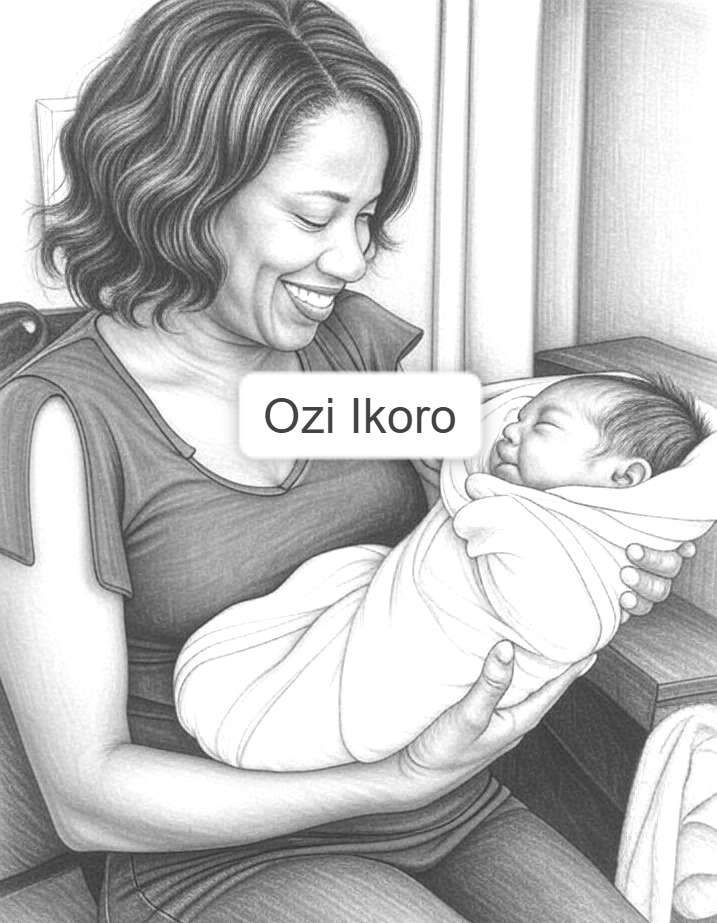
Postpartum depression (PPD) is a severe problem that affects a lot of new mothers all over the world. The level differs from country to country. It is low in Germany (3.6%), but is up to 39.4% in Bangladesh. In Nigeria, it is between 22.4% and 22.9%. But in many African countries, culture helps to protect new mothers, and for the Igbo people in Nigeria, Omugwo is a strong traditional way of preventing and handling PPD.
The written record
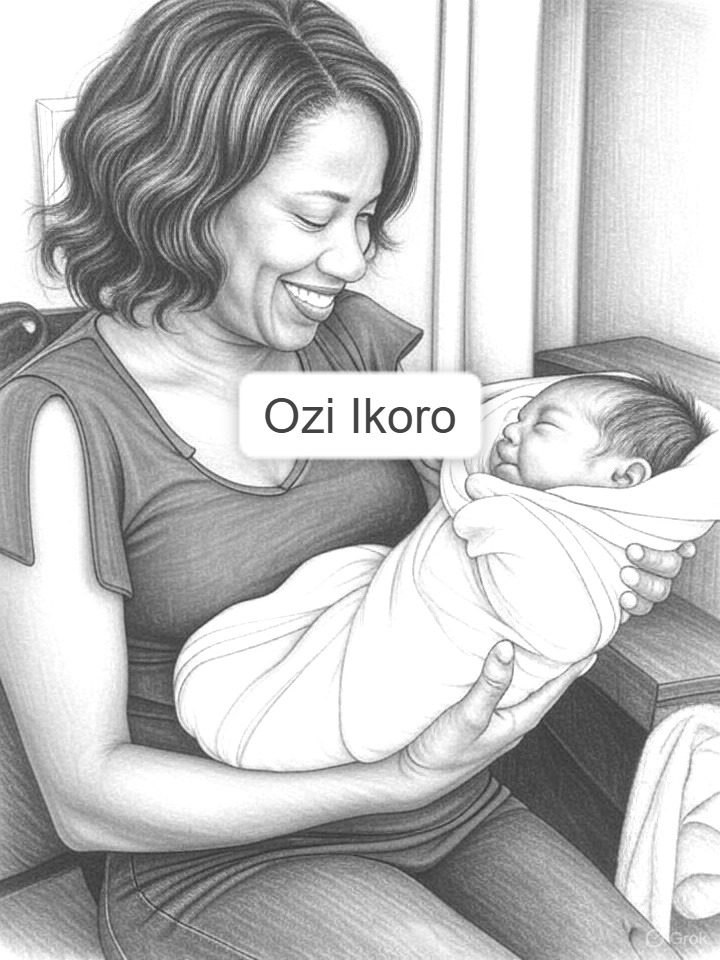
This write-up would explain Omugwo, why it is essential for culture, and how it is helping new mothers stay mentally and physically okay after childbearing.
Historical context
What is Omugwo?
Omugwo is an Igbo tradition that occurs after a woman gives birth to a child. It means that an older woman, mainly the mother, mother-in-law, or an older female relative, would come to stay with the new mother to help her take care of the baby and recover from the stress of childbirth. It is not just for physical help; it supports mind and emotions, so the new mother can rest well, eat well, and have less to worry about.
What Omugwo Involves:
1. Physical Help: The elder woman would help bathe the baby, cook good food for the mother, and keep the place clean.
2. Emotional Support: She would discuss with the mother, calm her down, and advise her on how to handle motherhood.
3. Teaching Skills: The new mother would learn to care for the baby, breastfeed the child well, and recover from childbirth.
4. Family Bonding: It helps build strong family love and connection between old and young.
Omugwo As Culture
For the Igbo people, when a woman gives birth, it’s not only her business but the community’s business. Omugwo shows that Igbo people believe that “the whole village raises a child.” They think a new mother is not meant to handle all the problems alone.
Why Omugwo Makes Sense:
Reduce problems: When a person helps the new mother, she rests more and doesn’t stress too much.
Prevent PPD: When a new mother gets support, she won’t feel lonely or depressed.
Good baby care: The mother would know how to handle a baby confidently.
Fast Recovery: Her body would heal faster with good food and rest.
Omugwo in Today’s Life
Although living has changed, Omugwo is still very important in Nigeria today, especially among the Igbo people. Some things have modernized a bit, but the main reason remains strong.
Things that have changed & how they have adapted
City Life: Some mothers do not have their family closer to them in town, so they hire someone who acts like an Omugwo helper.
Hospital: People do mix tradition with hospital care now.
Culture Shift: Some young women initially complain that they do not want an elder to stay with them, but later on, they enjoy the help.
Omugwo As a Natural Cure for PPD
Research has shown that PPD does happen when women do not get help, are tired, or are lonely. Omugwo solves these issues by:
Allowing the mother to sleep well because someone is assisting with carrying the baby.
Giving her good food would help her body and hormones balance.
Talking to her nicely will make her less afraid of motherhood.
Helping the baby survive well because of proper care.
Studies in Nigeria show that women who do Omugwo do not suffer PPD like those who do not get support.
Why We Need to Keep Omugwo Alive
Omugwo is not just a culture but a lifesaver for many women. As PPD is rising because families are not as close as before, and stress is too much, traditions like Omugwo might be the answer to help women. Omugwo is a natural and effective way to stop PPD.
It helps build a strong family and teaches how to care for a baby.
Even with modern life, we can still make Omugwo work well.
Sources and references
- Hahn-Holbrook, J., Cornwell-Hinrichs, T., & Anaya, I. (2018). Economic and health predictors of national postpartum depression prevalence: A systematic review, meta-analysis, and meta-regression .
- von Ballestrem, C. L., Strauss, M., & Kächele, H. (2005). Contribution to the epidemiology of postnatal depression in Germany .
- Azad, R., Fahmi, R., Shrestha, S., et al. (2019). Prevalence and risk factors of postpartum depression within one year after birth in urban slums of Dhaka, Bangladesh .
- Kunwar, D., Corey, E. K., Sharma, P., & Risal, A. (2015). Screening for postpartum depression and associated factors among women who deliver at a university hospital, Nepal .
- Asaye, M. M., Muche, H. A., & Zelalem, E. D. (2020). Prevalence and predictors of postpartum depression: Northwest Ethiopia .
Cite this article
Discussion
Sign in to join the discussion
Comments are checked by an editor before they appear. Leave a source or a correction and it is read first.
Continue reading
Related histories
 Cultural HeritageEleven Days of Nwafor Ogidi: Inside the Festival Keeping an Old Igbo Tradition AliveRead history →
 Cultural HeritageIli Ji Nkpor Obododike: The Indigenous Agricultural Ritual CycleRead history →
 Cultural HeritageMusic and Drum Traditions: Tracing the “Igbo Drum” in the AmericasRead history →
No comments yet
Nothing has been approved on this record yet. Comments are checked by an editor before they appear, so one written now shows on this page after that check.