 Ozikoro
 Cultural Heritage · Published history
The Rich History and Vibrant Culture of Oko Kingdom, Delta State

Nestled along the west banks of the majestic River Niger in Oshimili South Local Government Area of Delta State, Nigeria, the Oko Kingdom is a small but culturally significant community with a rich history and vibrant traditions. Founded in the 16th century by migrants of Igala and other ethnic origins, Oko Kingdom is a testament to the resilience, unity, and cultural diversity of its people. From its royal lineage to its communal festivals, Oko Kingdom offers a fascinating glimpse into Nigeria’s historical and cultural tapestry. This article explores the origins, leadership, cultural practices, and modern-day significance of Oko Kingdom, celebrating its enduring legacy.
The written record
Historical context
The Origins of Oko Kingdom
The Oko Kingdom traces its roots to the 16th century when Prince Ajor, a royal from the Uwaile quarters in Idah, Kogi State, led a group of Igala migrants to a virgin forest along the River Niger. This settlement, initially named Ajor-Oko (meaning “Ajor’s farm/settlement”), was established near the areas of Ajabukwu and Akpu-Umunnenabo. The fertile lands and proximity to the River Niger made it an ideal location for farming and trade, attracting other groups over time, including the descendants of Odeaja, Umu-Ogwu, Umu-Okpai, Inyele, Igbulie, and Umu-Ngwu. These groups collectively named their settlement “Oko,” marking the beginning of a unified clan.
The Uwaile Isi-ani people, led by Prince Ajor, brought with them a royal staff of office known as Ofor-Eze, symbolising their royal lineage from Idah. This staff remains a significant cultural artefact, underscoring the community’s connection to its Igala heritage. Over time, Oko grew into a structured kingdom with distinct quarters, including Oko-Anala, Oko-Ogbele, and Oko-Amakom, each contributing to the kingdom’s governance and cultural identity (Onwordi, 2025).
The Monarchy and Leadership
The Oko Kingdom is governed by a traditional ruler known as the Akor, a title that reflects the community’s royal heritage. Contrary to some assumptions, the Akor title is not exclusive to one lineage but is shared among the founding groups, including the Uwaile Isi-ani and descendants of Odeaja. The kingdom has a storied line of rulers, with the current Akor, His Royal Majesty Eze (Engr.) Osita I, reigning over Oko-Anala. The list of past and present rulers, as documented by the Enuani Cultural Forum, includes:
- Eze Onu – Oko-Anala
- Eze Osume – Oko-Anala
- Eze Iduu – Oko-Anala
- Eze Ezejiofor – Oko-Ogbele
- Eze Anochie – (Uwaile Isi-ani) Oko-Amakom
- Eze Ogbome – (Uwaile Isi-ani) Oko-Amakom
- Eze Odili – (Idokonmadu) Oko-Amakom
- Eze Edemuzor – (Idokonmadu) Oko-Amakom
- Eze Ifeakwazia – (Idokonmadu) Oko-Amakom
- Eze Ogwumike – Oko-Ogbele
- Eze Ojughana – Oko-Anala
- Eze Osakwe – Oko-Anala
- Eze Anyafulu – Oko-Anala
- Eze Nwoha – Oko-Ogbele
- Eze Egbune – Oko-Anala
- Eze Atisele – Oko-Ogbele
- Eze Emeagwali – Oko-Ogbele
- Eze Ijeoma – Oko-Ogbele
- Eze Olisa I – Oko-Ogbele
- Eze Aniche – Oko-Anala
- Eze Chukwuma – (Uwaile Isi-ani) Oko-Amakom
- Eze Oputa I – Oko-Anala
- Eze Olisa II – Oko-Ogbele
- Eze Osita I – Oko-Anala (Current Akor)
This lineage of rulers highlights the kingdom’s commitment to tradition and continuity, with each Akor playing a pivotal role in maintaining peace, resolving disputes, and preserving cultural practices.
Cultural Heritage and Traditions
Oko Kingdom is renowned for its vibrant cultural heritage, which blends Igala, Anioma, and other local influences. The River Niger, which borders the kingdom, is not only a source of livelihood but also a spiritual symbol. Annual festivals, such as the Inne Festival, celebrate the river’s significance and honour ancestral spirits. These festivals feature traditional dances, music, and masquerade performances, drawing both locals and visitors.
The Ofor-Eze, the royal staff brought by the Uwaile Isi-ani, is a central element in coronation ceremonies and other significant rituals. It symbolises authority and the divine right of the Akor to lead. Additionally, the kingdom’s oral traditions, including folktales and proverbs, are passed down through generations, preserving the history and values of the community.
Agriculture remains a cornerstone of Oko’s economy and culture. The fertile lands support crops like yam, cassava, and maize, while fishing in the River Niger provides a vital source of protein. Market days in Oko are lively events where traders from neighboring communities exchange goods, fostering economic and social bonds.
Oko Kingdom Today
Today, Oko Kingdom is a vibrant community that balances tradition with modernity. The current Akor, Eze Osita I, is an engineer by profession, symbolising the blend of traditional leadership with contemporary expertise. His reign has focused on community development, including improvements in education, healthcare, and infrastructure. For instance, recent initiatives have included the construction of a community health centre and support for local schools, ensuring that Oko’s youth have access to quality education.
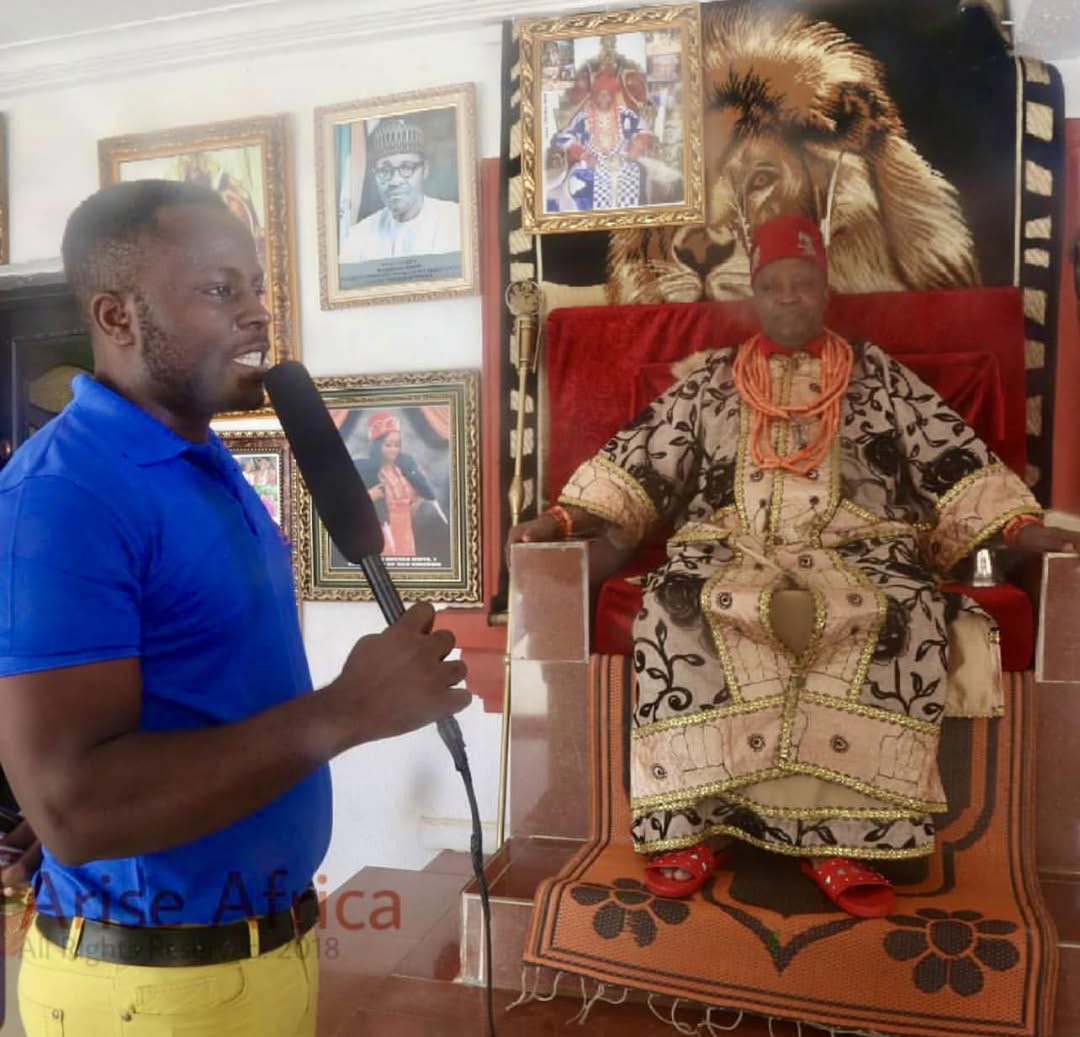
The kingdom also benefits from its strategic location along the River Niger, which facilitates trade and tourism. Visitors are drawn to Oko’s serene environment, historical sites, and cultural festivals. The Oko-Anala Palace, home to the Akor, is a popular destination for those interested in learning about the kingdom’s history and governance.
Challenges and Future Prospects
Like many rural communities in Nigeria, Oko Kingdom faces challenges such as youth migration to urban areas, limited access to modern amenities, and environmental concerns related to the River Niger, including flooding and pollution. However, community leaders and organisations like the Enuani Cultural Forum are working to address these issues through advocacy, cultural preservation, and sustainable development projects.
The future of Oko Kingdom lies in its ability to preserve its rich heritage while embracing opportunities for growth. Investments in eco-tourism, cultural documentation, and youth empowerment programs could position Oko as a model for sustainable rural development in Delta State.
Oko Kingdom is more than just a small community along the River Niger; it is a living testament to Nigeria’s diverse cultural heritage and the enduring spirit of its people. From its origins as Ajor-Oko to its current status as a vibrant kingdom under Eze Osita I, Oko continues to thrive through its traditions, leadership, and community unity. Whether you’re a history enthusiast, a cultural explorer, or simply seeking a peaceful retreat, Oko Kingdom welcomes you with open arms and a story to tell.
Sources and references
- Eze, C. (2018). Cultural heritage and traditional governance in the Anioma region . Journal of African Cultural Studies, 30(4), 215–230.
- Okonkwo, I. (2020). The role of traditional festivals in community development: A case study of Delta State . African Journal of Social Sciences, 11(2), 89–102.
- Onwordi, N. F. (2025, May). The history of Oko Kingdom. Enuani Cultural Forum .
Cite this article
Chukwunwike Ossai. “The Rich History and Vibrant Culture of Oko Kingdom, Delta State.” Ozikoro, 2025. https://ozikoro.com/the-rich-history-and-vibrant-culture-of-oko-anala-kingdom/Discussion
Sign in to join the discussion
Comments are checked by an editor before they appear. Leave a source or a correction and it is read first.
Continue reading
Related histories
 Cultural HeritageEleven Days of Nwafor Ogidi: Inside the Festival Keeping an Old Igbo Tradition AliveRead history →
 Cultural HeritageIli Ji Nkpor Obododike: The Indigenous Agricultural Ritual CycleRead history →
 Cultural HeritageMusic and Drum Traditions: Tracing the “Igbo Drum” in the AmericasRead history →
No comments yet
Nothing has been approved on this record yet. Comments are checked by an editor before they appear, so one written now shows on this page after that check.