 Ozikoro
 Cultural Heritage · Published history
The Sacred Bond: Totemism and Igbo Respect for Nature
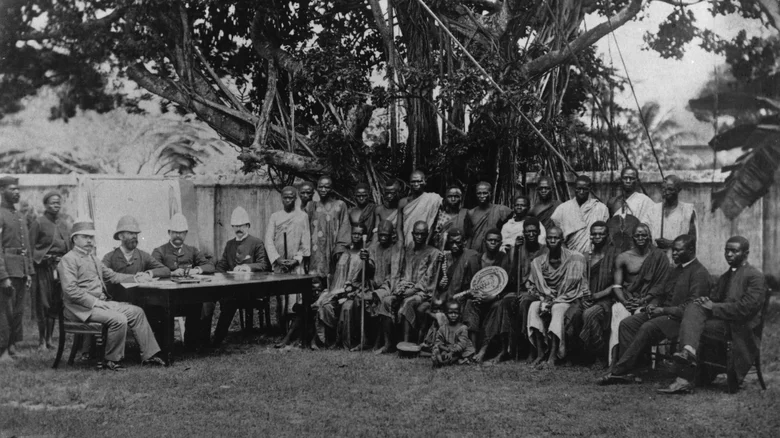
In Igbo culture, totemism represents the sacred link between humans and nature. This article explores how Igbo beliefs about animals, trees, and spirits nurtured environmental respect and ecological balance.
The written record
- Mmụọ na mmadụ na-ebi ọnụ n’ụwa a—Spirits and humans coexist in this world. This proverb reminds the Igbo that the visible and invisible share one space and nature is not separate from human life.
Historical context
The Story of Sacred Kinship
Among the Igbo, the forest is not merely a collection of trees; it is a living community of beings; human, animal, and spirit. From time immemorial, the Igbo perceived a deep kinship between the living and their surroundings. This connection found its most expressive form in nso ala (taboos) and in the institution of totemism; the belief that certain animals, plants, or places share a spiritual bond with families or communities.
-
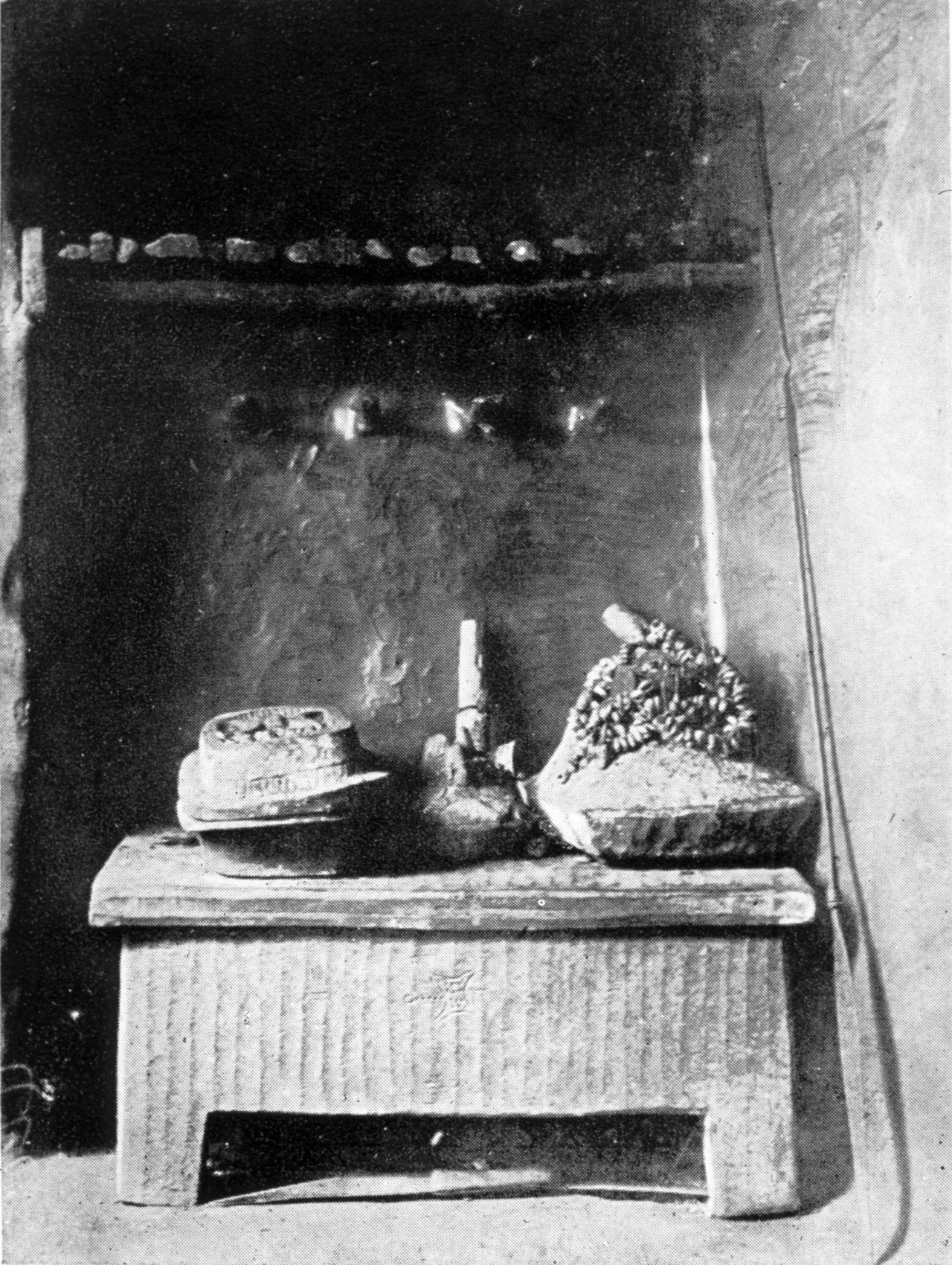
Igbo ancestral shrine, Onicha Olona. Source: Northcote Whitridge Thomas (1914) Anthropological report on the Ibo-speaking peoples of Nigeria, Part IV. Harrison and Sons
Across the rolling hills of Idemili, elders once whispered that the python was nne anyi, “our mother.” When one slithered across the compound, no one shouted or reached for a stick; instead, they offered prayers or sprinkled palm wine on the ground. The python embodied peace and protection. To harm it was to offend the very earth that sustains the people.
This sacred regard extended beyond animals to trees such as ngwu, ogirisi, and akpu, species regarded as abodes of the ancestors. These trees shaded community shrines, council meetings, and offered symbolic authority during oath taking.
Oke osisi adịghị emebi n’efu (No great tree falls without a reason). Every sacred symbol in Igbo thought carries purpose. Totems were never random superstitions; they embodied a philosophy of relationship and restraint.
Totems as Teachers of Ecology
Totemism served as the traditional Igbo’s unwritten environmental code. Each taboo that forbade the killing of a python or monkey doubled as a conservation law. Communities that revered these creatures became unintentional sanctuaries for biodiversity. In Awka, monkeys were believed to have once defended the people in war; in gratitude, they earned lifelong protection. Similarly, in Agulu, crocodiles and tortoises were regarded as messengers of the water spirits and left unharmed.
These customs kept natural populations stable for centuries. Forests were not to be cut at will, and hunting seasons were guided by ritual, ensuring regeneration. Modern ecologists would describe this as sustainable resource management; the Igbo simply called it ịhụ́nanya ụwa (love for the world).
The Social Power of the Sacred
Totems also bound people together. Families and clans shared obligations toward their sacred animals or trees. Children were taught that harming one’s totem invited alu (spiritual pollution). Through shared reverence, entire communities learned cooperation, empathy, and discipline.
The rituals surrounding these beliefs were rich in symbolism. When a python died accidentally, it was mourned like a human, wrapped in white cloth, and buried with rites. Such gestures expressed profound respect for life itself. A hụ́zị ndụ mmadụ, e hụ́kwala ndụ anụmanụ (When human life is valued, animal life must also be value).
Totemism in Modern Times
Today, the winds of modernity, urbanization, and imported religions have swept through Igbo communities. Many of the once-sacred species now face indifference or exploitation. Yet, the ecological wisdom embedded in totemism remains relevant. Environmentalists increasingly recognize that these ancestral practices functioned as informal conservation systems.
By reviving their symbolic lessons, not necessarily the religious rituals, the Igbo can reconnect ethical ecology with cultural identity. Schools, cultural centers, and churches can reinterpret totems as metaphors for stewardship. When people understand that the land has spirit and story, exploitation turns into guardianship.
Echoes for the Future
As climate change threatens biodiversity, the old Igbo understanding of kinship with nature offers guidance. Every python spared, every sacred grove preserved, keeps alive the moral of coexistence. The ancestors seemed to know that to destroy nature is to wound the soul of the community.
In embracing modern environmental science, the Igbo can still carry the voice of their forebears: that humanity and nature are not rivals but relatives.
Ihe onye metere ụwa, ụwa e metekwa ya (Whatever one does to the earth, the earth will do in return).
Sources and references
- Ndubisi, E. J. O. (2021). Totemism in Igbo-African society and the preservation of the ecosystem. In I. A. Kanu (Ed.), African Indigenous Ecological Knowledge Systems (pp. 133–144). Augustinian Publications.
- Kanu, I. A. (2015). A hermeneutic approach to African Traditional Religion, Theology and Philosophy. Jos: Augustinian Publications.
- Ogbalu, F. C. (1983). Igbo institutions and customs. Onitsha: University Publishers Company.
- Onwubiko, O. A. (1991). African thought, religion and culture (Vol. 1). Enugu: SNAAP Press.
Cite this article
Discussion
Sign in to join the discussion
Comments are checked by an editor before they appear. Leave a source or a correction and it is read first.
Continue reading
Related histories
 Cultural HeritageEleven Days of Nwafor Ogidi: Inside the Festival Keeping an Old Igbo Tradition AliveRead history →
 Cultural HeritageIli Ji Nkpor Obododike: The Indigenous Agricultural Ritual CycleRead history →
 Cultural HeritageMusic and Drum Traditions: Tracing the “Igbo Drum” in the AmericasRead history →
No comments yet
Nothing has been approved on this record yet. Comments are checked by an editor before they appear, so one written now shows on this page after that check.