 Ozikoro
 Cultural Heritage · Published history
The Second Funeral in Igbo Tradition: Honouring Ancestors in Afikpo
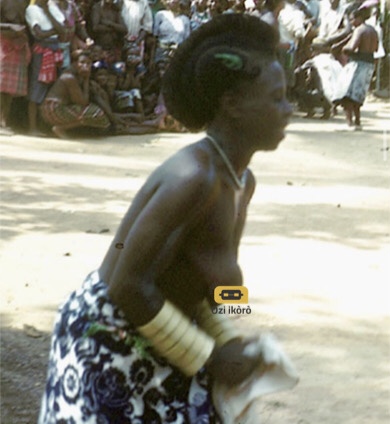
In Amachara, a village in Afikpo, Ebonyi State, a remarkable cultural event takes place when an elder passes away at a full and respected age. This event, often called the “horse funeral” or “horse title,” is a second funeral (ịkwa ozu), a grand remembrance ceremony that symbolizes the deceased’s transition into the ancestral realm. In the 1950s, Simon Ottenberg, an anthropologist, documented such a ceremony, capturing the essence of Igbo funerary traditions.
The written record
Historical context
Introduction
Honouring the Departed Through Rituals
In traditional Igbo society, a burial is not the final rite of passage for an elder who lived to an advanced age. The second funeral serves as a communal event where family and friends formally send off the deceased to the embrace of Ala, the Earth Mother, ensuring they take their rightful place among the ancestors. This act affirms the belief that the spirits of the departed continue to influence the lives of the living.
The first son often enshrines a symbolic representation of the ancestor, to which offerings of kola nuts, palm wine, and sacrifices are made. This act maintains a spiritual connection between the family and their departed loved ones, reinforcing the importance of lineage and continuity.
The Role of Animal Sacrifice and Prestige
A key aspect of the ịkwa ozu ceremony is the offering of a significant animal sacrifice to the maternal family of the deceased. In Igbo society, both the umunna (patrilineal kin) and nne (maternal lineage) hold important roles, with the maternal family often receiving ritual offerings as a sign of respect.
Different animals symbolize varying levels of honour and social prestige. While cows (idu ehi) are commonly sacrificed, the highest status is given to a horse, a rare and expensive offering due to the inability of horses to thrive in the tse-tse fly climate of southeastern Nigeria. In even rarer cases, a leopard may be offered, signifying extraordinary status. The meat from these sacrifices is shared among the extended family and the wider community, strengthening bonds of kinship and respect.
Selective Invitations and the Role of Secret Societies
The second funeral is not an open event. Invitations are typically extended to those who attended the initial burial and condolence visits (mgbarụ), ensuring that those who showed respect for the deceased are honoured in return. The ceremony also considers the deceased’s affiliations with title societies, fraternal organizations, or other cultural groups that play a role in Igbo social structure.
Christian Influence and the Transformation of Ịkwa ozu
Today, many Igbo communities still observe the second funeral, but it is often referred to as a “thanksgiving celebration” or “memorial” to align with Christian sensibilities. While modern Christianity has influenced Igbo society, many traditional practices remain intact, hidden in plain sight under new names and interpretations. This blending of indigenous beliefs and Christian customs reflects the merging nature of post-colonial Igbo culture.
The ịkwa ozu ceremony is a powerful reminder of the deep respect Igbo people hold for their ancestors and the enduring strength of cultural traditions. While modernity may reshape the ways these rites are practiced, their core purpose, which is honouring the past and maintaining the spiritual fabric of the community remains unchanged.
Sources and references
- Ottenberg, S. (1959). Ibo receptivity to change. Africa, 29(4), 365–376.
- Afigbo, A. E. (1981). Ropes of sand: Studies in Igbo history and culture. University of Nigeria Press.
- Isichei, E. (1976). A history of the Igbo people. Macmillan.
Cite this article
Discussion
Sign in to join the discussion
Comments are checked by an editor before they appear. Leave a source or a correction and it is read first.
Continue reading
Related histories
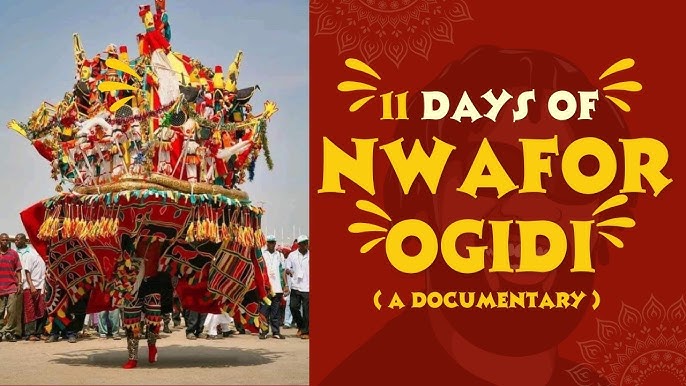 Cultural HeritageEleven Days of Nwafor Ogidi: Inside the Festival Keeping an Old Igbo Tradition AliveRead history →
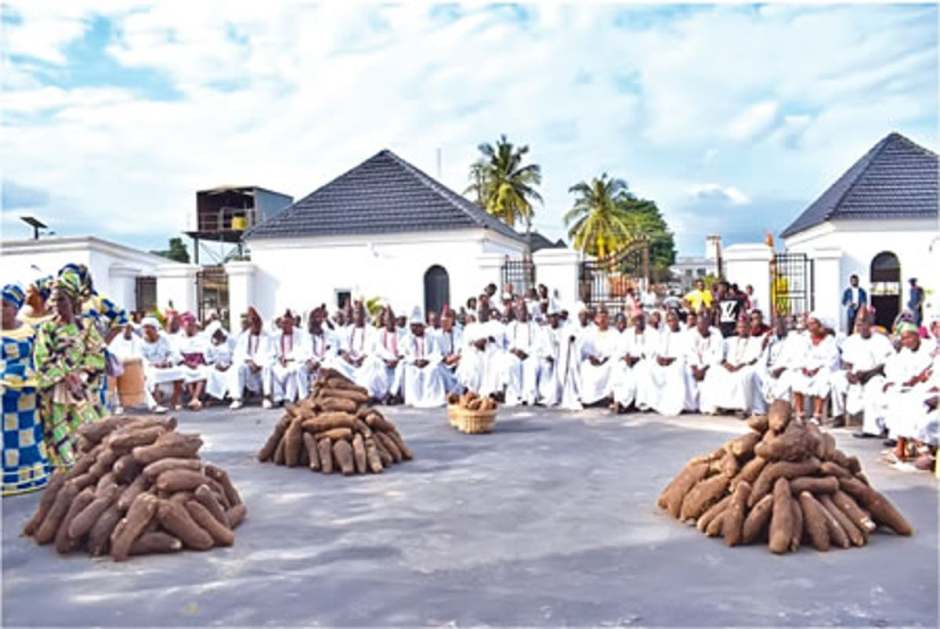 Cultural HeritageIli Ji Nkpor Obododike: The Indigenous Agricultural Ritual CycleRead history →
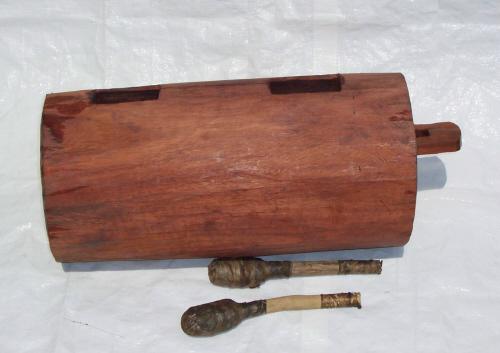 Cultural HeritageMusic and Drum Traditions: Tracing the “Igbo Drum” in the AmericasRead history →
No comments yet
Nothing has been approved on this record yet. Comments are checked by an editor before they appear, so one written now shows on this page after that check.