 Ozikoro
 Cultural Heritage · Published history
The Silent Covenant: The Sacred Snail of Ohakpu
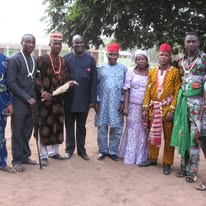
Nsi gburu mmadu ezam bu nsi eriri na onu a– this means poison that kills someone faster is that taken in through the mouth. In igbo custom, eating a sacred animal is tantamount to eating poison and in ohakpu , eating a snail is equal to pronouncing yourself dead.
The written record
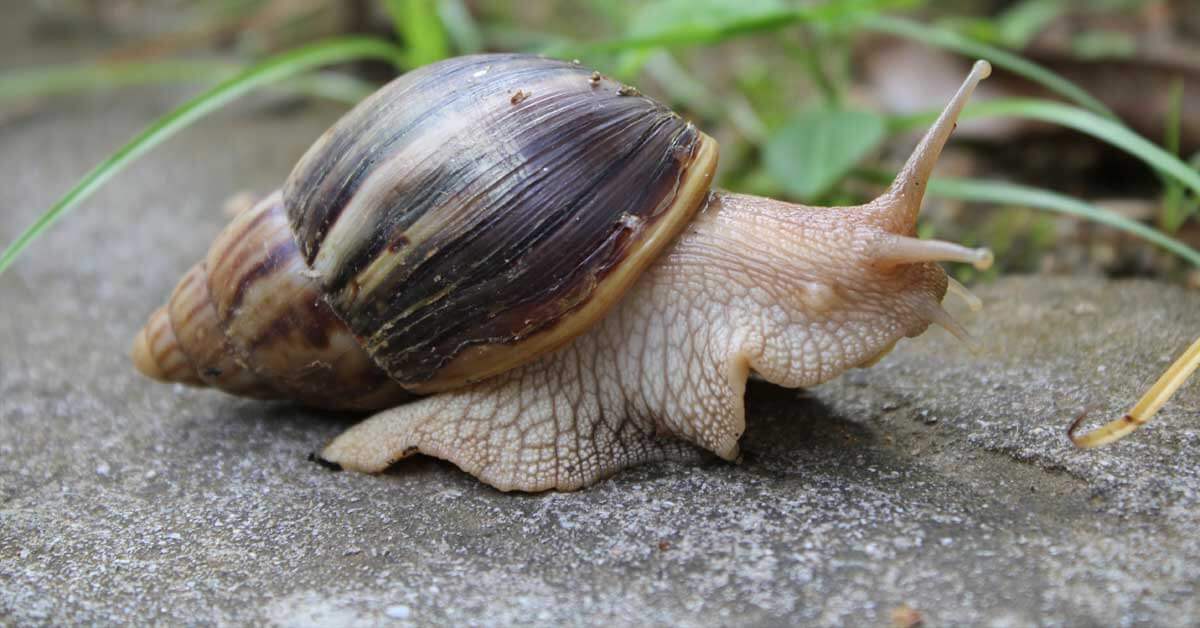
The Story of Sacred Kinship
In Igbo culture, totemism represents the sacred link between humans and nature. While many communities across Igboland revere the majestic python or the clever monkey, the people of Ohakpu in modern day Oru West, Imo State hold a covenant with a humbler creature: Eju, the snail.
Ohakpu nurtured a unique spiritual identity and environmental respect that sets the community apart from its neighbors.
Since creation, the people of this community have perceived a deep bond between their survival and the life of the snail. And they expressed this connection fin nso ala (taboos). While neighboring towns may harvest snails for delicacy or trade, an Ohakpu indigene views the creature with a protective reverence. To them, the snail is not meat; it is a sacred inhabitant of the soil.which means “obu nso ala eri Eju”.

Historical context
The Covenant of Silence and Slimy Protection
In the collective memory of Ohakpu elders, the snail is often linked to the community’s historical safety. Legend suggests that during times of ancient inter-communal strife, the presence of snails—or the tracks they left behind—served as spiritual markers or even camouflage for the community’s boundaries.
When a snail crawls across a path in Ohakpu, it is not stepped upon or gathered in a basket. Instead, it is allowed to pass in peace. This act of restraint is an embodiment of udo (peace). To harm the snail is to offend the guardian spirits of the Ohakpu land. Unlike the Idemili people who revere the python, the Ohakpu people find their spiritual mirror in the snail’s quiet, persistent, and harmless nature. Its also worthy to note that ndi Ohakpu also revere the python and consider it sacred , hereby extending the same treatment of the Eju to it.
Totems as Teachers of Ecology
Totemism in Ohakpu serves as a traditional unwritten environmental code. By forbidding the consumption or harm of snails, the community has created a natural sanctuary for the species. In an ecosystem where the snail plays a vital role in decomposing leaf litter and recycling nutrients back into the earth, the Ohakpu taboo functions as a localized conservation law.
Modern ecologists would describe this as the protection of a “keystone species” within their micro-environment; but in the worldview of Ndi Ohakpu it is simply obibi n’udo (living in peace). While the surrounding communities might see the forest as a pantry, the Ohakpu person sees it as a shared home where even the smallest creature has a right to exist unbothered.
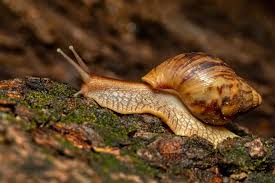
The Social Power of the Sacred
This peculiar totemism also serves as a “cultural DNA” that binds the people of Ohakpu together. It is a mark of identity—a way to recognize a brother or sister in a distant land. Children are taught from a young age that the snail is nso (sacred). This shared abstinence fosters a sense of discipline and empathy.
It teaches the youth that not everything “consumable” should be consumed, and that some things are kept aside for the sake of tradition and spiritual integrity. A hụ́zị ndụ mmadụ, e hụ́kwala ndụ anụmanụ (When human life is valued, animal life must also be valued). In Ohakpu, this value starts with the smallest, slowest creature on the forest floor.
Because of this, a person from Ohakpu cannot engage in:
- Gathering of snails
- Sale of snails
- Killing or cooking of snails
- Eating snails, in-fact it’s advisable not to cook for someone from ohakpu with the same pot used in cooking snails.
Totemism in Modern Times
Today, as urbanization and external influences reach the heart of Imo State, the sacred status of the snail faces the pressure of “modern enlightenment.” Yet, the ecological and cultural wisdom embedded in this Ohakpu tradition remains strikingly relevant. In a world of over-consumption, the Ohakpu example of “sacred restraint” offers a powerful lesson in sustainability.
Even in the face of growing influence of the church that encouraged the abandonment of the reverence of Eju while commanding their member to “dominate the earth” which includes ‘iri eju’ that is opposed to the ohakpu worldview, they have chose to preserve this peculiar animal with their nso ala towards it.
Echoes for the Future
As we face a global environmental crisis, the old Igbo understanding of kinship with nature offers guidance. The Ohakpu man’s refusal to put the snail in his pot is a testament to the belief that humanity and nature are not rivals but relatives. Every snail spared in Ohakpu keeps alive the moral of coexistence.
Ihe onye metere ụwa, ụwa e metekwa ya (Whatever one does to the earth, the earth will do in return). In the quiet forests of Ohakpu, the earth remembers those who showed mercy to its smallest children.
Sources and references
- Punch Newspapers. (2015). Nigerian communities where snails are sacred, pythons roam free
- Vanguard Newspapers. (2018, February 10). OKPE: Delta kingdom where snail is a god, shields devotees from gunshots.
- Blank News Online. (2019.). Why some communities in Isoko land forbid snail.
- Rex Clarke Adventures. (2025). Sacred animals in Nigeria: Cultural beliefs, traditions & symbolism.
- University of Lagos Institutional Repository. . Cultural taboos and sacred animals in Nigerian societies
Cite this article
Discussion
Sign in to join the discussion
Comments are checked by an editor before they appear. Leave a source or a correction and it is read first.
Continue reading
Related histories
 Cultural HeritageEleven Days of Nwafor Ogidi: Inside the Festival Keeping an Old Igbo Tradition AliveRead history →
 Cultural HeritageIli Ji Nkpor Obododike: The Indigenous Agricultural Ritual CycleRead history →
 Cultural HeritageMusic and Drum Traditions: Tracing the “Igbo Drum” in the AmericasRead history →
No comments yet
Nothing has been approved on this record yet. Comments are checked by an editor before they appear, so one written now shows on this page after that check.