 Ozikoro
 Biography · Published history
The Story of Isaac Boro: Ijaw Nationalism and the Birth of Resource Control Advocacy
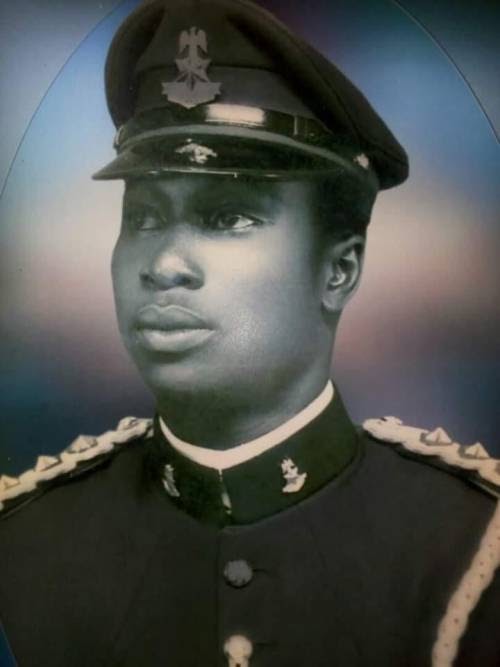
Isaac Jasper Adaka Boro remains one of the most iconic figures in the political history of the Niger Delta. A revolutionary, activist, soldier, and symbol of Ijaw nationalism, Boro is widely regarded as the father of modern resource control activism in Nigeria. His struggle emerged at a time when the Niger Delta’s wealth was being extracted without meaningful benefit to its people, laying the foundation for later movements such as the Ijaw Youth Council (IYC) and the broader call for “resource control.”
The written record
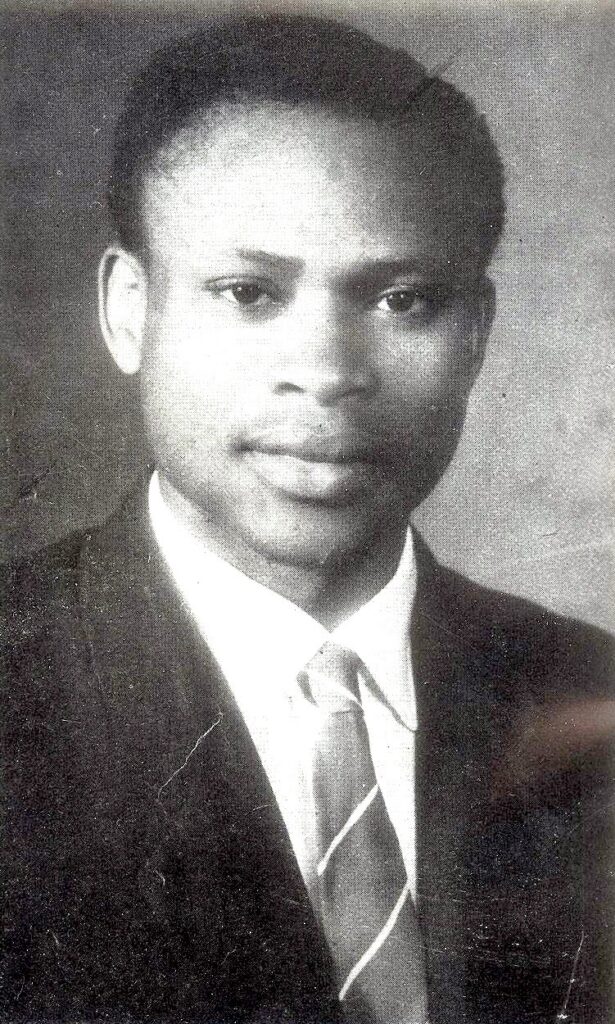
Historical context
Early Life and Formation of Political Consciousness
Isaac Boro was born on 10 September 1938 in Oloibiri, in present-day Bayelsa State, a community that later became the site of Nigeria’s first oil discovery in 1956. Growing up in the heart of the oil-rich Delta, Boro directly witnessed the paradox of poverty amid plenty. While oil wealth flowed outward, Oloibiri and neighboring communities suffered neglect, unemployment, and declining living standards.
Education and Early Activism
Boro studied at the University of Nigeria, Nsukka (UNN), where he became a Students’ Union President. His activism intensified as he observed widening inequalities between the oil-producing areas and the rest of the federation. According to Alagoa, Boro’s political thinking was shaped by both Pan-African liberation movements and the internal marginalization of the Niger Delta within Nigeria.
He believed the federal government exploited the region’s resources without returning adequate development or autonomy to the people. This conviction became the ideological foundation of his later actions.
The Niger Delta Volunteer Force and the 1966 Twelve-Day Revolution
The defining moment of Boro’s political career occurred in February 1966 when he declared the independence of the “Niger Delta Republic.”
Formation of the NDVF;
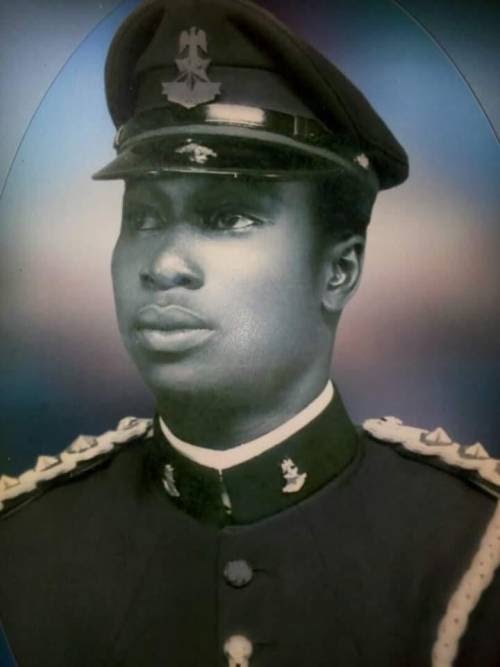
Boro, along with his close allies Samuel Owonaro and Nottingham Dick, formed the Niger Delta Volunteer Force (NDVF), a small guerrilla group composed mostly of young Ijaw men. Their aim was to challenge federal control over Niger Delta resources and establish a self-governing region that could protect the interests of its inhabitants.
Declaration of the Niger Delta Republic;
On 23 February 1966, Boro issued his famous declaration, criticizing what he called the “economic colonization” of the Niger Delta. He argued that although the Delta produced most of Nigeria’s revenue, its people lived in severe deprivation. Boro proclaimed, “We are going to demonstrate to the world what and how we feel about oppression.”
The Twelve-Day Struggle;
For nearly two weeks, Boro’s forces controlled parts of the creeks in the Niger Delta. Though the rebellion was small in scale, it had enormous symbolic significance. The federal government eventually crushed the uprising; Boro and his comrades were tried and sentenced to death for treason. However, they were spared through a later government pardon.
Historians such as Alagoa describe the Twelve-Day Revolution as “the first organized armed resistance against internal colonialism in Nigeria.”
Role in the Nigerian Civil War
When the Nigerian Civil War (1967–1970) began, Boro aligned with the Federal Government, believing that a united Nigeria offered better prospects for eventual Niger Delta autonomy than joining Biafra.
Why did Boro fight for the Federal Side?
Boro’s decision was strategic. He argued that the Eastern Region leadership had historically neglected the Ijaw and other Delta minorities during the First Republic. He feared that an independent Biafra would deepen the domination of minority groups. As a result, Boro joined the Nigerian army, where he quickly rose in rank due to his familiarity with the Delta terrain.
Liberation of the Niger Delta;
Boro led federal troops in liberating strategic parts of the Niger Delta from Biafran control. His military expertise and knowledge of the creeks made him instrumental in federal victory in the region.
Mysterious Death;
Boro died on 9 May 1968 under unclear circumstances while on active duty in Rivers State. Many Ijaw narratives suggest foul play, while others attribute his death to the chaos of war. Regardless, his death transformed him into a martyr of Niger Delta liberation.
Legacy
Isaac Boro’s ideas did not die with him. Instead, they inspired several generations of Niger Delta activists.
Foundation of Modern Ijaw Nationalism;
Boro’s critique of “internal colonialism” was foundational to postcolonial Niger Delta political movements. His writings and speeches emphasized self-determination, environmental justice, and equitable revenue sharing.
Influence on the Ijaw Youth Council and the Kaiama Declaration;
In December 1998, Ijaw youths gathered in Kaiama, Boro’s hometown to issue the historic Kaiama Declaration, which directly invoked Boro’s vision. The declaration stated that all natural resources in Ijaw territory belonged to the Ijaw, not the federal government or multinational corporations.
This marked the re-emergence of Niger Delta nationalism as a mass movement.
Influence on Niger Delta Militancy;
The militant groups that emerged in the early 2000s, especially the Movement for the Emancipation of the Niger Delta (MEND), often referenced Boro’s ideology. While their tactics differed, their rhetoric on resource control, environmental justice, and self-determination echoed Boro’s message.
Every year on 12 May (“Boro Day”), Ijaw communities in Bayelsa, Rivers, and Delta States celebrate his memory. His name adorns universities, streets, foundations, and youth groups across the Niger Delta, symbolizing pride and resistance.
Isaac Jasper Adaka Boro stands as one of the most influential figures in the history of Nigerian minority resistance. His 1966 Twelve-Day Revolution marked the first organized declaration of self-determination by any group in Nigeria’s postcolonial era. Although the uprising was militarily unsuccessful, it reshaped the political consciousness of the Niger Delta, inspiring later generations to demand environmental justice, resource control, and true federalism. Today, Boro remains not just a historical figure but a symbol of hope, defiance, and the ongoing struggle for equity in Nigeria’s oil-producing communities.
Sources and references
- Alagoa, E. J. (1999). The land and people of Bayelsa State: Central Niger Delta. Onyoma Research Publications.
- Alagoa, E. J. (2005). A history of the Niger Delta: An historical interpretation of Ijo oral tradition. Onyoma Research Publications.
- Boro, I. J. A. (1982). The twelve-day revolution. Idodo Umeh Publishers.
- Kirk-Greene, A. (1971). Crisis and conflict in Nigeria: A documentary sourcebook. Oxford University Press.
- Watts, M. (2008). Curse of the black gold: 50 years of oil in the Niger Delta. Powerhouse Books.
Cite this article
Discussion
Sign in to join the discussion
Comments are checked by an editor before they appear. Leave a source or a correction and it is read first.
Continue reading
No comments yet
Nothing has been approved on this record yet. Comments are checked by an editor before they appear, so one written now shows on this page after that check.