 Ozikoro
 Cultural Heritage · Published history
The Transition from Slaves to Palm Oil: Economic Adaptation in the 19th Century
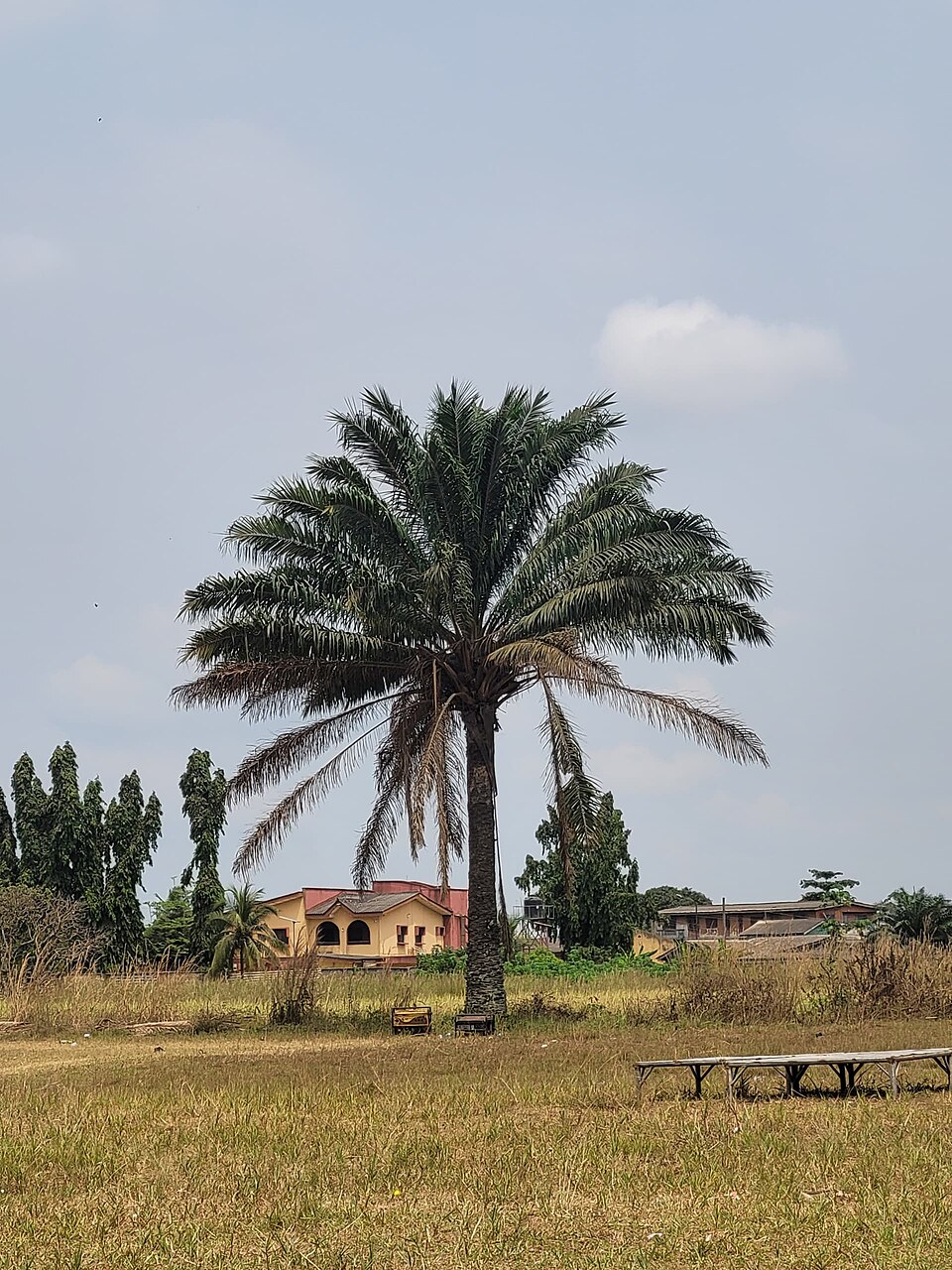
The 19th century marked a major turning point in West African economic history, particularly in the regions bordering the Niger Delta. For centuries, the trans-Atlantic slave trade had served as the economic foundation for several coastal polities, including the Itsekiri, Ijaw, Efik, Igbo, and other groups. However, the abolition of the slave trade by Britain in the early 1800s created an economic crisis that forced these societies to restructure their commercial practices. According to scholars (“Palm oil trade”), palm oil emerged as the new dominant export as European industries shifted toward commodity-based commerce. This article examines the reasons behind the decline of the slave trade, the rise of the palm oil economy, the adaptations made by coastal middlemen, and the long-term consequences of this major economic transformation.
The written record

Photo credit:Ei’eke via Wikimedia Commons.
Historical context
Historical Context: Decline of the Slave Trade
- Global Abolition Movements
By the late 18th century, the slave trade had become increasingly criticized in Europe and the Americas. Humanitarian and religious movements, especially in Britain, pushed for abolition. This culminated in the British Abolition Act of 1807, which outlawed slave trading by British subjects, followed by the Slavery Abolition Act of 1833.
The British Royal Navy began patrolling the West African coast to suppress the trade, making long-distance slave exportation increasingly difficult and costly.
- Economic Shifts in Europe
The Industrial Revolution transformed European manufacturing, creating an urgent need for industrial lubricants, candle-making materials, soap ingredients, cheap oils for machinery. Palm oil, abundant in West Africa, offered a perfect replacement. Wikipedia notes that by the mid-19th century, palm oil had become one of Britain’s most important imports, surpassing several agricultural commodities.
- Local Impact of Abolition
For coastal African societies, abolition brought sudden economic disruption. Coastal middlemen who relied on slave exports such as the Itsekiri, Efik, and Bonny chiefs needed a new source of wealth to maintain their political power, pay dependents, and sustain trade networks.
Rise of the Palm Oil Economy
- Abundance of Palm Trees in the Niger Delta and Hinterland
The palm tree (Elaeis guineensis) grows naturally in the dense forests of Nigeria, Benin, and Cameroon. Inland communities produced palm oil and kernel for their own use long before the Europeans demanded it. The transition from subsistence production to commercial extraction was therefore relatively smooth.
- European Demand and Factory Expansion
Europe’s booming industries led to the establishment of “factories” (trading posts) along the Niger Delta coast. These factories became collection points for palm oil brought from inland producers. European traders exchanged cloth, alcohol, firearms, iron rods, salt and manufactured goods. This system replaced the earlier human cargo-based transactions and created a new economic order.
- Middlemen’s Adjustment to the New Trade Structure
Delta middlemen, especially the Itsekiri and the Efik, transformed themselves from slave brokers into palm oil merchants. They reorganized their trading houses, war-canoe systems, and inland alliances to facilitate palm oil collection. Chiefs such as Nana Olomu, Madam Tinubu, King Jaja of Opobo, and Pebble chiefs of Bonny became leading figures in this transition.
Internal Adaptations by Coastal African Societies
- Expansion of Canoe Transport Networks
Palm oil required bulk transport. Canoe fleets previously used to transport captives were repurposed to carry heavy barrels of oil from upriver communities.
Middlemen strengthened:
Patrol systems
Price-control agreements
Inland alliances
Warehousing and storage management. This reorganized trade network improved efficiency and guaranteed stable supply to European ships.
- Transformation of the “House System”
The “house system,” common among the Itsekiri, Bonny, and Nembe, evolved from slave procurement units into commercial trading organizations. These houses became:
Credit institutions,
Recruitment centers for porters and canoe men,
Political units that regulated trade. Arbitration bodies in trade disputes. This adaptation preserved the influence of coastal chiefs despite changing global conditions.
- Labor Reorientation and Social Change
With the decline of slave raiding, domestic slaves were increasingly used as laborers in:
Palm oil extraction,
Canoe paddling,
Loading and unloading trade goods,
Transporting produce to coastal markets. Some scholars, such as Ekeh, argue that this created a form of “domestic servitude economy,” where enslaved people shifted from export commodities to productive labor within African societies.
Economic Consequences of the Palm Oil Boom
- Increased Wealth and Political Power
Palm oil trade brought enormous wealth to coastal chiefs. For instance:
King Jaja of Opobo rose from slave status to become one of the richest monarchs in West Africa.
Itsekiri chiefs like Nana Olomu built massive trading monopolies that controlled prices.
Efik traders of Old Calabar accumulated great wealth and Western influence.
This new wealth funded political patronage, warfare, and European-style lifestyles.
- Intensification of Inland Relations
Inland producers became more economically valuable. Middlemen formed new alliances with Urhobo, Isoko, Igbo, and Ibibio communities to secure consistent supplies.
These alliances took various forms:
Marriage ties,
Trade agreements,
Military support,
Ritual oaths and treaties. Some inland chiefs deliberately played middlemen against each other to increase their own bargaining power.
- Conflict With Colonial Powers
As palm oil export grew, Europeans attempted to bypass African middlemen and purchase oil directly from inland producers. This created tension and led to a series of conflicts.
Examples include:
The British bombardment of Opobo and exile of King Jaja,
The 1894 Ebrohimi War against Nana Olomu,
Repeated skirmishes in Bonny and Brass. European intrusion ultimately undermined middleman monopolies, and paved the way for colonial conquest.
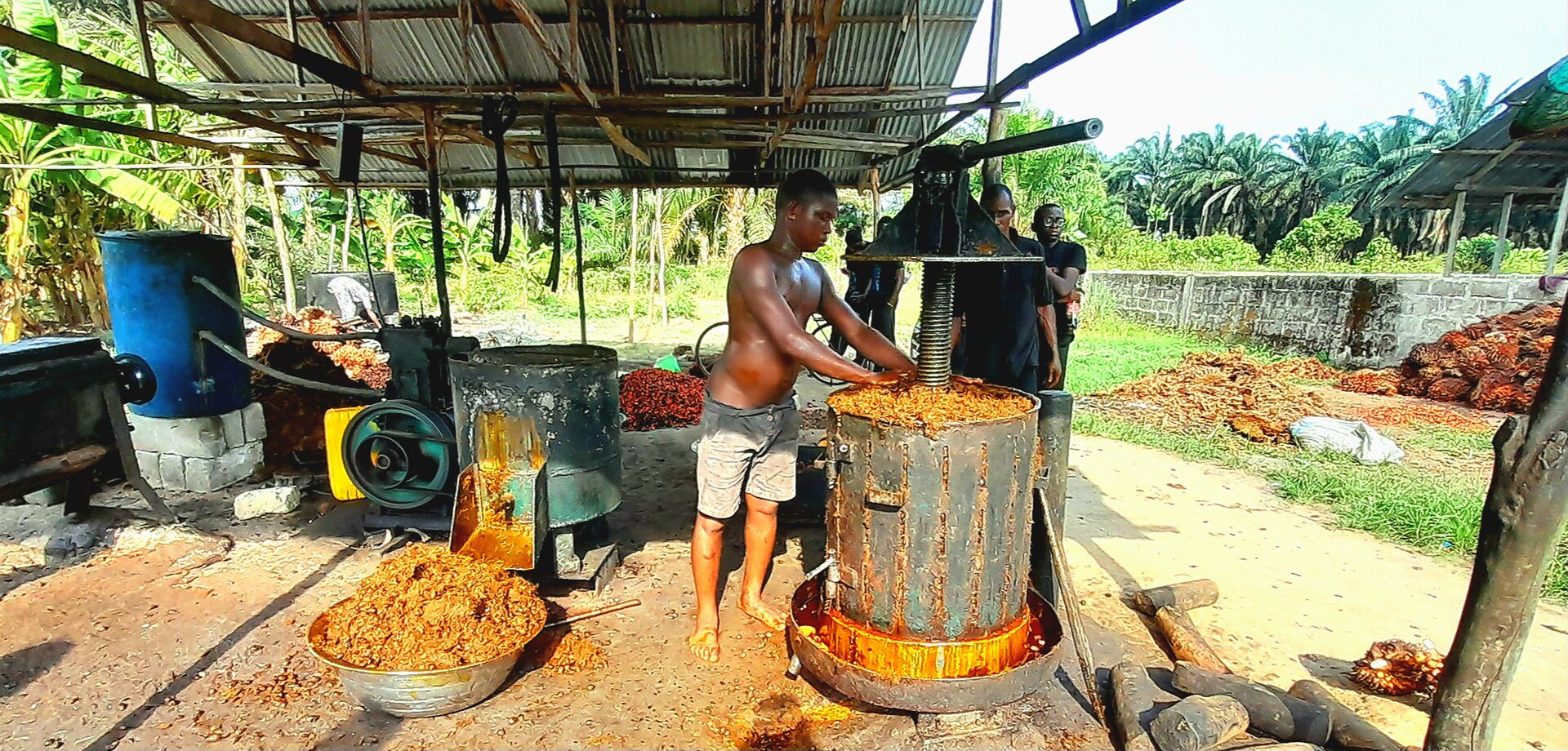
Photo credit: Kobo Medlyn via Wikimedia Commons.
Long-Term Significance of the Transition
- Foundations of the Modern Niger Delta Economy
Palm oil served as the primary export of Nigeria throughout the nineteenth century. It helped develop port towns like Warri, Calabar, Bonny, Opobo.
These areas later became important sites in the petroleum industry of the 20th century.
- Social and Cultural Transformation
The wealth generated from palm oil led to western education, christian missionary expansion, increased urbanization, new elite classes. Coastal societies experienced faster modernization than many inland regions.
- End of the Atlantic Slave System
While palm oil did not immediately end all forms of slavery within Africa, it drastically reduced cross-Atlantic slave exportation and reshaped economic priorities.
The transition from the slave trade to the palm oil economy represents one of the most important economic transformations in 19th-century West Africa. Driven by European abolition and the demands of industrialization, African coastal societies especially the middlemen of the Niger Delta successfully adapted to the new economic landscape. By reorganizing their trade structures, expanding inland networks, and leveraging existing maritime systems, they maintained political power while participating in a new commodity-based global economy. Although European colonial intrusion eventually disrupted their dominance, the legacy of this transformation continues to shape modern West African economies and social structures.
Sources and references
- Ekeh, P. P. (2008). Studies in Itsekiri History and Culture. Urhobo Historical Society.
- Falola, T., & Heaton, M. (2008). A History of Nigeria. Cambridge University Press.
- Horton, R. (1995). Patterns of Thought in Africa and the West. Cambridge University Press.
- Lovejoy, P. (2000). Transformations in Slavery: A History of Slavery in Africa. Cambridge University Press.
- Talbot, P. A. (1926). The Peoples of Southern Nigeria. Oxford University Press.
Cite this article
Discussion
Sign in to join the discussion
Comments are checked by an editor before they appear. Leave a source or a correction and it is read first.
Continue reading
Related histories
 Cultural HeritageEleven Days of Nwafor Ogidi: Inside the Festival Keeping an Old Igbo Tradition AliveRead history →
 Cultural HeritageIli Ji Nkpor Obododike: The Indigenous Agricultural Ritual CycleRead history →
 Cultural HeritageMusic and Drum Traditions: Tracing the “Igbo Drum” in the AmericasRead history →
No comments yet
Nothing has been approved on this record yet. Comments are checked by an editor before they appear, so one written now shows on this page after that check.