 Ozikoro
 Biography · Published history
The Visionary Role of Nnamdi Azikiwe in Founding the University of Nigeria, Nsukka (UNN) as Nigeria’s First Indigenous University in 1960.
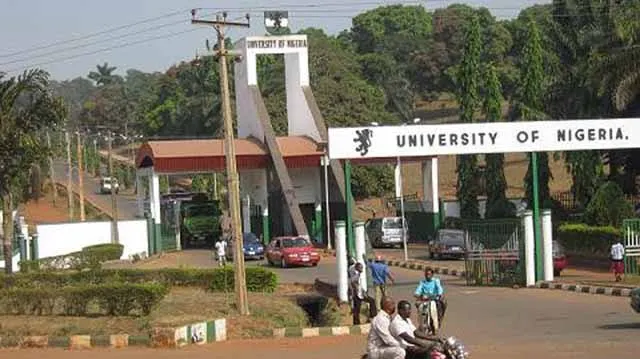
The story of higher education in Nigeria is incomplete without the towering figure of Dr. Nnamdi Azikiwe, popularly known as “Zik of Africa.” As Nigeria approached its independence in 1960, the quest for self-determination was not limited to the political arena; it extended into the intellectual and cultural spheres. Azikiwe recognized that for a newly independent nation to truly “restore the dignity of man,” it required an educational system that was not a mere replica of British colonial models. His visionary role in the establishment of the University of Nigeria, Nsukka (UNN) marked the birth of Nigeria’s first indigenous, autonomous university. Unlike the University College Ibadan, which was then tied to the University of London, UNN was conceived to be “Nigerian in leadership, purpose, and impact.” This article explores Azikiwe’s educational philosophy, the strategic planning of the university, and its historical opening as a cornerstone of Nigerian independence.
The written record
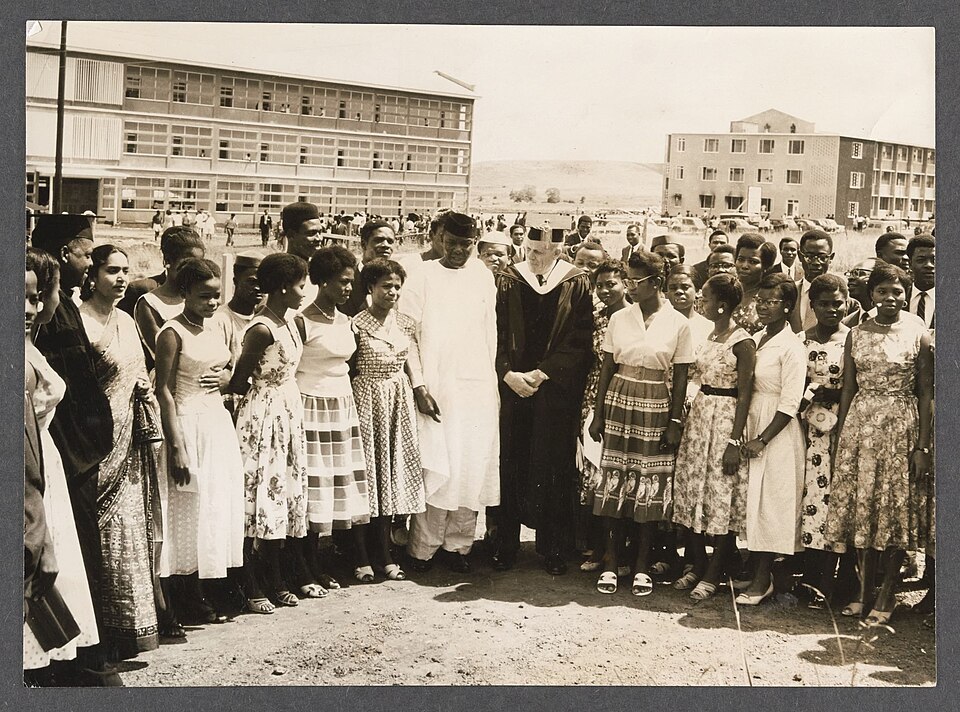
Historical context
The Educational Philosophy of “Renascent Africa”
Dr. Nnamdi Azikiwe’s drive to establish UNN was rooted in his lifelong philosophy of “mental emancipation.” Having studied in the United States at institutions like Lincoln University and the University of Pennsylvania, he was deeply influenced by the American “Land-Grant” university system;
Breaking Colonial Shackles: Azikiwe argued that colonial education was designed to produce “obedient clerks” rather than “visionary leaders.” He sought to create a “Renascent Africa” where education was a tool for social engineering and economic liberation.
The Land-Grant Model: Azikiwe envisioned a university that was “functional and vocational.” He wanted an institution that would address the practical problems of Nigerian society agriculture, engineering, and domestic science rather than focusing solely on the classical arts preferred by British institutions.
To Restore the Dignity of Man: This became the motto of the university. Azikiwe believed that through indigenous higher education, the African could shed the “inferiority complex” instilled by decades of colonial rule and compete on a global stage.
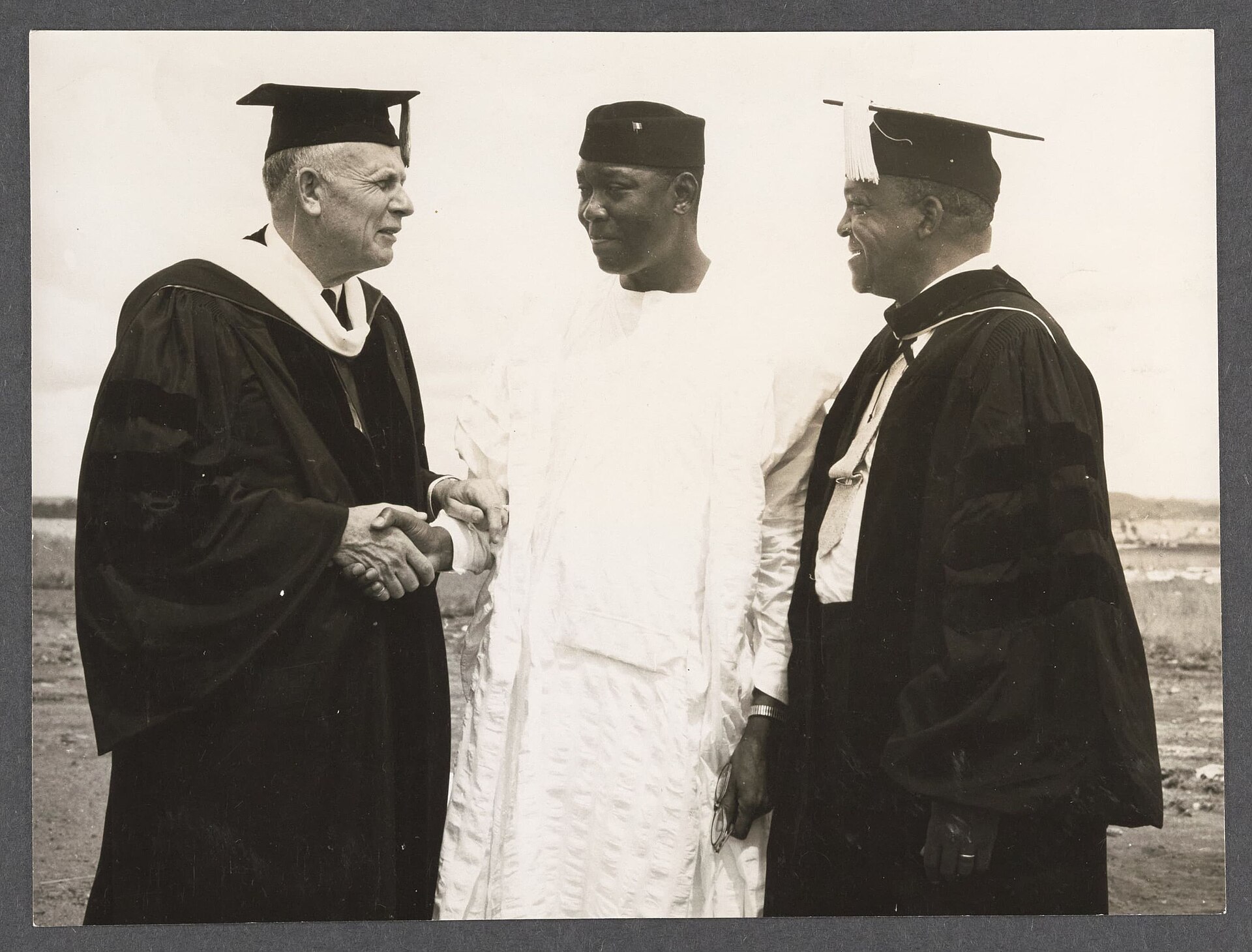
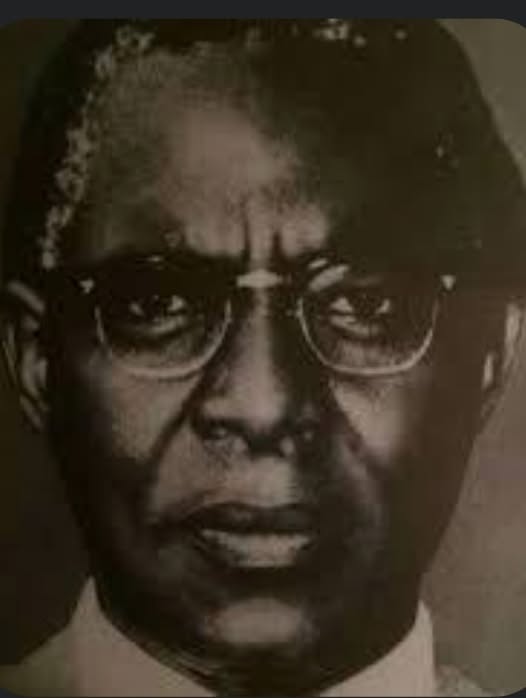
Photo Credit: Daily Times Nigeria Archive / Zik Heritage Series.
The Legislative and Strategic Planning (1955–1959)
The path to founding UNN was a meticulously planned “strategic project” that required navigating both local politics and international diplomacy;
- The Law of 1955: On May 18, 1955, while serving as the Premier of the Eastern Region, Azikiwe pushed for the passage of a law to establish a university in the region. This was a “revolutionary act,” as it challenged the British monopoly on higher education in the colony.
- International Collaboration: Rejecting the narrow British model, Azikiwe sought advice from both the United Kingdom and the United States. He invited experts such as Dr. John A. Hannah, President of Michigan State University, to help plan an institution that blended “academic excellence with practical utility.”
- The Provisional Council: In 1959, a council was formed with Azikiwe as Chairman. This council was tasked with the Herculean job of building a university from the ground up in the hilly savannah of Nsukka, ensuring that the infrastructure would be ready to coincide with the nation’s independence.
October 7, 1960: A Climax to Independence
The University of Nigeria was formally opened just six days after Nigeria gained its independence from Great Britain, signaling that the “new nation had its own intellectual engine”;
- A Royal Opening: The university was formally opened by Her Royal Highness Princess Alexandra of Kent, who represented Queen Elizabeth II. This high-profile ceremony underscored the university’s status as a “national monument.”
- The First Autonomous Institution: At its opening, UNN became the first university in Nigeria with the power to “grant its own degrees.” While Ibadan was still a “college” of London, Nsukka was a full-fledged, sovereign university from day one.
- The Maiden Cohort: On October 17, 1960, classes began with 220 students and 13 academic staff. In his opening convocation address, Azikiwe reminded the students that they were the “pioneers of a new educational frontier.”
Innovation and the “Nsukka Experiment”
Azikiwe’s vision introduced “radical innovations” to the Nigerian academic landscape that are now standard across the country;
- General Studies (GSS): UNN pioneered the “General Studies” program, requiring science students to study the humanities and vice versa. Azikiwe believed in producing “rounded citizens,” not just narrow specialists.
- Diversified Curriculum: Under Azikiwe’s guidance, UNN introduced departments that were then considered “unorthodox,” such as Music, Fine Arts, and Physical Education, elevating these disciplines to degree-granting status for the first time in Nigeria.
- A “People’s University”: By placing the university in Nsukka, a rural area, Azikiwe ensured that higher education was not an “ivory tower” isolated from the masses, but an institution that lived and breathed with the community.

Challenges and the Legacy of the “Zikist” Vision
Like any revolutionary project, UNN faced significant opposition and hardship, yet the “Zikist vision” proved resilient;
- The “Nsukka vs. Ibadan” Rivalry: Early critics often dismissed UNN as a “glorified secondary school” because it deviated from the British standard. However, the success of UNN graduates in the professional world quickly silenced these detractors.
- Impact of the Civil War: During the Nigerian Civil War (1967–1970), the university was renamed the “University of Biafra” and suffered immense physical damage. True to Azikiwe’s spirit of resilience, the institution was rebuilt and remains one of Nigeria’s “top-tier research universities.”
- A Blueprint for Others: The success of UNN’s indigenous model paved the way for the establishment of other regional universities, such as Ahmadu Bello University and the University of Ife (now Obafemi Awolowo University).
The visionary role of Nnamdi Azikiwe in founding the University of Nigeria, Nsukka (UNN) as Nigeria’s first indigenous university in 1960 remains his most “enduring intellectual legacy.” Azikiwe did not just build a school; he “architected a mindset” of self-reliance and dignity. By looking past the colonial horizon and adopting a model that prioritized the “problems and needs of Nigeria,” he ensured that the nation’s independence was backed by indigenous intellectual power. Today, as “Lions and Lionesses” (UNN students and alumni) continue to lead in various fields across the globe, they carry with them the “spark of Zik” , the belief that education is the ultimate weapon to “restore the dignity of man.” UNN stands not just as a university, but as a “temple of freedom” built on the hills of Nsukka.
Sources and references
- Azikiwe, N. (1961). “Zik: A Selection from the Speeches of Nnamdi Azikiwe”. Cambridge University Press. (Containing his foundational speeches on the purpose of UNN).
- Azikiwe, N. (1970). “My Odyssey: An Autobiography”. London: Hurst.
- Elias, T. O. (1971). “University of Nigeria, 1960-1970: An Historical Analysis”. Enugu: University of Nigeria Press.
- Hannah, J. A. (1960). “The Nsukka Project: A Report on the Development of the University of Nigeria”. Michigan State University.
- Obiechina, E., Ikejiani, O., & Umeh, J. A. (1986). “The University of Nigeria, 1960-1985: An Experiment in Higher Education”. Nsukka: University of Nigeria Press.
- Okafor, N. (1971). “The Development of Universities in Nigeria”. London: Longman.
Cite this article
Discussion
Sign in to join the discussion
Comments are checked by an editor before they appear. Leave a source or a correction and it is read first.
Continue reading
No comments yet
Nothing has been approved on this record yet. Comments are checked by an editor before they appear, so one written now shows on this page after that check.