 Ozikoro
 Cultural Heritage · Published history
The Vital Role of Ụmụ Ada and Ụmụ Ọkpụ in Igbo Society
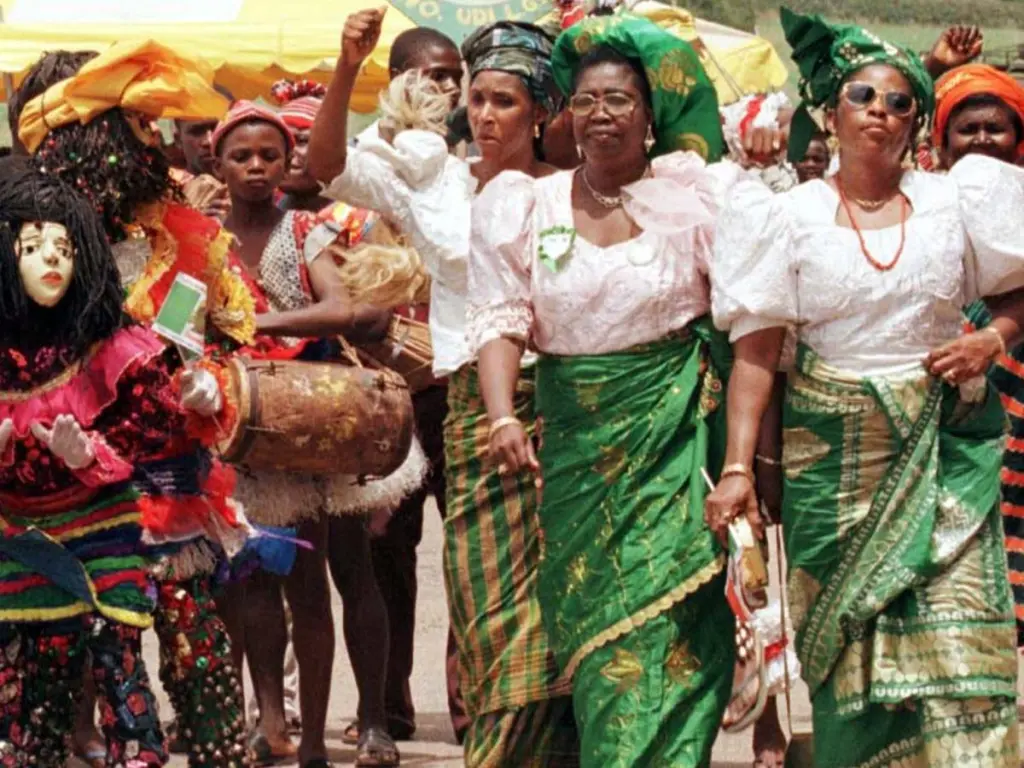
In Igbo culture, women hold a special place, and one of the most powerful groups is the Ụmụ Ada, also known as Ụmụ Ọkpụ in some communities. These are women born into a particular Igbo family, village, or clan, who come together to uphold peace, justice, and tradition. Whether married or unmarried, young or old, living or passed on, Ụmụ Ada play a critical role in the social, spiritual, and political life of Igbo communities. This article explores their significance, duties, and challenges in modern times, focusing on their unique position in Igbo society.
The written record
Historical context
Who Are Ụmụ Ada and Ụmụ Ọkpụ?
Ụmụ Ada refers to all female daughters born into an Igbo family or community, regardless of whether they are married, single, widowed, or divorced. The term comes from two Igbo words: “ụmụ” (meaning “children” or “people”) and “ada” (meaning “daughter”). In some areas, like parts of Anambra State, they are called Ụmụ Ọkpụ, but the meaning remains the same. Every Igbo woman is an “ada” of her father’s lineage, and this status stays with her for life, even if she marries into another community.
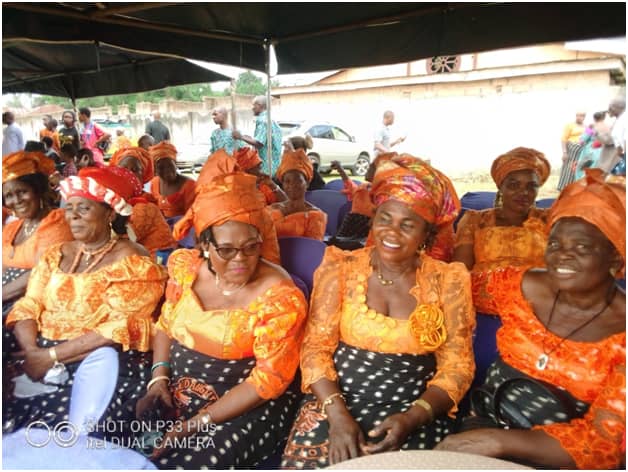
The first daughter, often called the “Isi Ada,” holds a special position. She is seen as a leader within the family and community, with unique responsibilities to preserve traditions and maintain harmony. However, all daughters, not just the firstborn, are part of the Ụmụ Ada group, forming a strong, organised body that influences Igbo society.
Roles and Responsibilities of Ụmụ Ada
Ụmụ Ada are a powerful force in Igbo communities, with roles that span governance, peacekeeping, and spiritual duties. Their responsibilities include:
1. Maintaining Peace and Justice
Ụmụ Ada act as a disciplinary body, ensuring fairness and resolving conflicts within families and communities. For example, if a wife is reported to be mistreating her husband or breaking community rules, the Ụmụ Ada investigate the matter. They listen to all sides, scold the offender if necessary, and take action only if the person refuses to change. Their decisions are respected because they are seen as fair and rooted in truth.
In many Igbo towns, such as Awka in Anambra State, Ụmụ Ada have their own rules and regulations. They are known for their impartiality, earning them respect across the community. They also mediate disputes, such as land disagreements or marital issues, often stepping in when the male group, Ụmụnna (sons of the soil), cannot resolve a problem.
2. Preserving Igbo Culture
Ụmụ Ada are custodians of Igbo traditions. They play key roles in ceremonies like traditional weddings, child-naming ceremonies, and burials. During burials, they perform special songs and dances, which are unique to their group. They also ensure that cultural practices, such as gift-sharing during funerals or weddings, are followed correctly. For instance, they receive gifts like money, food, or livestock from in-laws or family members during these events, which strengthens community bonds.
In some communities, Ụmụ Ada are responsible for rituals linked to the deity Ohai, a female spirit in places like Osomala. They dance and chant at shrines to honour this deity, and some members are believed to have spiritual gifts, such as foresight, to warn the community of dangers.
3. Spiritual Influence
Ụmụ Ada, whether living or dead, are believed to have strong spiritual powers in Igbo cosmology. The living Ụmụ Ada can influence decisions and protect their communities, while the spirits of deceased Ụmụ Ada, known as Ụmụ Ọkpụ, continue to play a role in the spiritual realm. For example, during a traditional practice called Ọmụgwọ (a postpartum visit where a mother stays with her daughter to care for a newborn), mothers are expected to bring gifts like salt, soap, or livestock to share with the living Ụmụ Ọkpụ (co-wives or other women in the family). They must also offer sacrifices, known as “ikwa ịbụ ụmụada/ọkpụ,” to honour the deceased Ụmụ Ọkpụ. Failure to do so is believed to cause illness, strokes, or even death, as the spirits may feel neglected.
In spiritual consultations, a Dibịa Mgbafa (a traditional priest or diviner) may reveal that problems in a family, such as infertility or financial struggles, are linked to displeased Ụmụ Ada or Ụmụ Ọkpụ. Appeasing these spirits through rituals can restore peace and progress.
4. Community Development
Ụmụ Ada contributes to the growth of their communities by raising money for projects like building schools, clinics, churches, or markets. They also provide scholarships for girls, support widows, and empower less privileged women. Their efforts promote social cohesion and economic development, making them vital to the well-being of Igbo society.
5. Supporting Women’s Rights
Despite Igbo society being patriarchal, Ụmụ Ada gives women a platform to voice their concerns and protect their interests. They advocate for equal opportunities and challenge abuses of power, such as domestic violence or unfair treatment of widows. In precolonial times, they were a counterbalance to male authority, and their influence continues today, even in modern settings.
The Power of Ụmụ Ada in Igbo Society
Ụmụ Ada are highly respected and feared because of their moral and spiritual authority. They are seen as sacred figures, often called the “sacred princesses” of the family. Their power comes from their commitment to justice and truth, which gives them the ability to challenge even the most powerful men, including kings or elders. For example, if a man mistreats a woman or acts unjustly, the Ụmụ Ada can intervene, and their decisions are rarely questioned.
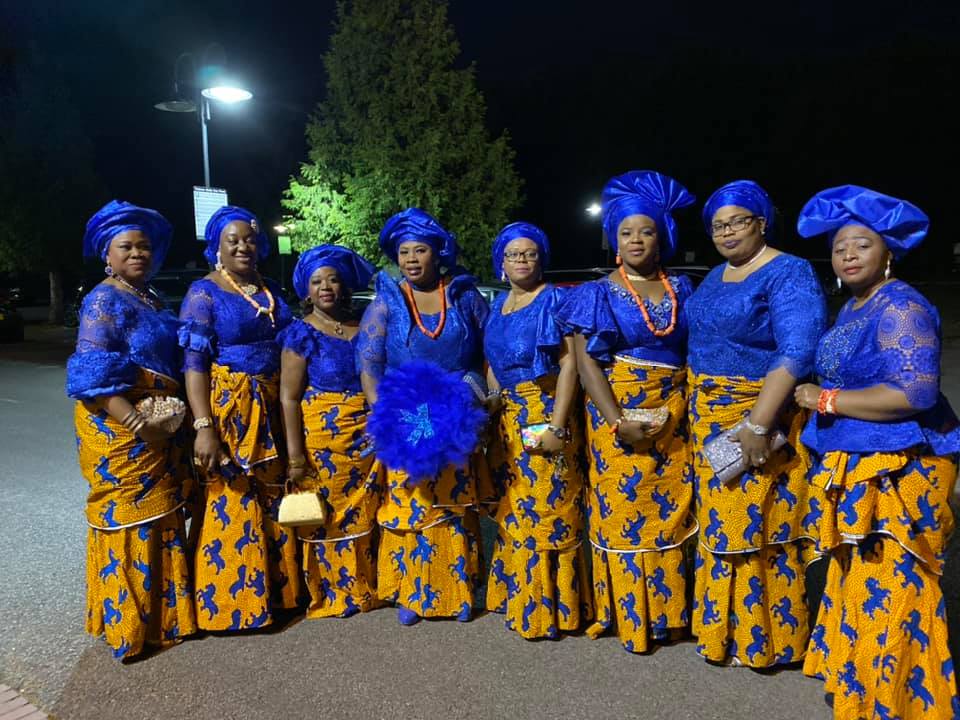
In the spiritual realm, Ụmụ Ada are believed to have the backing of ancestors and deities. If someone disrespects or wrongs them, the consequences can be severe, ranging from personal misfortunes like unemployment or infertility to spiritual punishment. On the other hand, those who honour and respect Ụmụ Ada benefit from their protection and blessings.
Challenges Facing Ụmụ Ada Today
Despite their importance, Ụmụ Ada face challenges in modern Igbo society. Some women, influenced by Western ideas or Christianity, view Ụmụ Ada gatherings as outdated or superstitious. They may distance themselves from these meetings, preferring modern clubs or feminist movements that promote Western ideologies. This has led to a decline in participation, especially among younger women, who may not fully understand the cultural and spiritual roles of Ụmụ Ada.
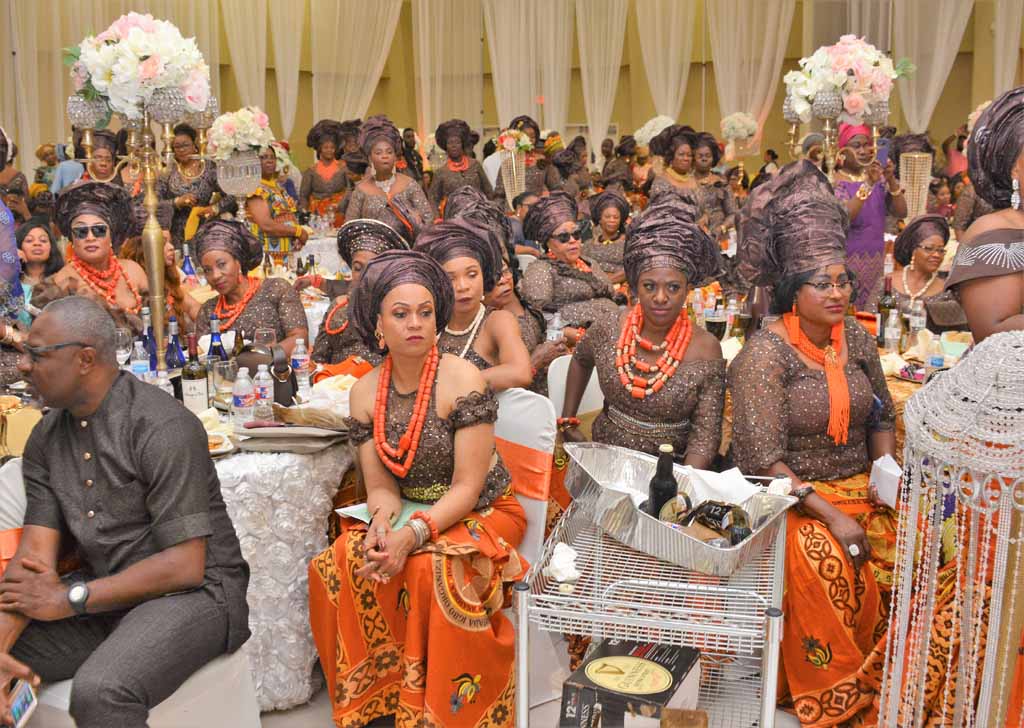
Some women also see Ụmụ Ada as oppressive, especially when they enforce strict rules, such as punishing widows for mistreating their husbands during their lifetime. This has caused tension, as some view these actions as reinforcing patriarchal norms rather than empowering women. Additionally, the rise of Christianity has softened some traditional practices, making it harder for Ụmụ Ada to maintain their influence in certain communities.
However, many argue that Ụmụ Ada are a form of indigenous feminism. They provide women with a space to assert their power and influence, balancing the male-dominated Ụmụnna. By adapting to modern times, such as raising funds for community projects, Ụmụ Ada continue to show their relevance.
The Spiritual and Cultural Consequences of Neglecting Ụmụ Ada
Neglecting the duties of Ụmụ Ada or failing to honour them can have serious consequences. For example, a woman who refuses to participate in Ụmụ Ada activities may face fines or social exclusion. More importantly, ignoring the spiritual obligations to Ụmụ Ọkpụ (deceased daughters) can lead to problems like illness, infertility, or family disputes. In Igbo belief, the spirits of Ụmụ Ọkpụ are powerful and can punish those who fail to acknowledge them through rituals or offerings.
For instance, if a family does not perform the necessary rites for a deceased Nwa Ada (daughter) who was wronged during her lifetime, her spirit may cause trouble for the family. This could manifest as unexplained misfortunes, such as business failures or health issues. To resolve these problems, families often consult a Dibịa Mgbafa to perform appeasement rituals.
The Future of Ụmụ Ada
To preserve the role of Ụmụ Ada, Igbo communities must educate younger generations about their importance. Schools, cultural organisations, and families can teach children about the value of Ụmụ Ada in maintaining peace, justice, and tradition. Encouraging young women to join Ụmụ Ada groups and participate in their activities can help keep this institution alive.
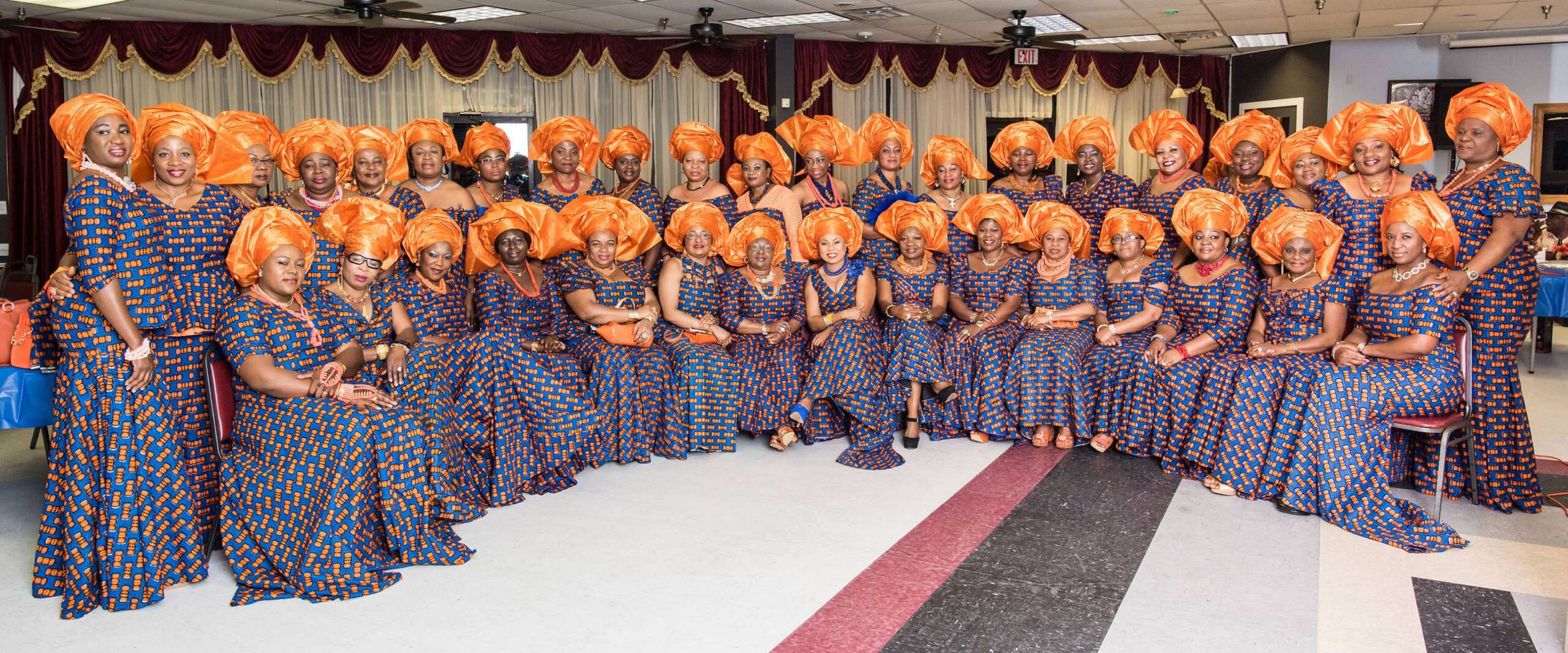
Modern adaptations, such as using technology to organise meetings or promote cultural awareness, can also make Ụmụ Ada more appealing to younger people. Groups like Umu Igbo Unite, which hosts conventions to celebrate Igbo culture, are already working to bridge the gap between tradition and modernity.
Ụmụ Ada and Ụmụ Ọkpụ are the backbone of Igbo society, ensuring peace, justice, and cultural preservation. Their roles as mediators, custodians of tradition, and spiritual forces make them indispensable. Despite challenges from modernisation and changing beliefs, their influence remains strong. By embracing their duties and educating others, Igbo women can continue to wield the natural and spiritual power of Ụmụ Ada, keeping Igbo culture vibrant for generations to come.
Sources and references
- Esogbue, E. (2020, October). Is Umuada a powerful Igbo women group on a mission?
- Adigwe, S. (n.d.). Ibusa Development: New Initiatives in the Role of Women.
- Obasi, C. O., & Nnamani, R. G. (2015). The role of Umuada Igbo in conflict management and development in Nigeria . Open Journal of Political Science , 5, 256–263.
- Dibia Nwangwu Uchendu. (2023, August 26). Part 3: The Meaning of Ụmụ Ada, Nwa Ọkpụ, Ụmụ Ọkpụ in Igbo Culture and Traditions.
- Nwokafor, A. (2012). The role of Umuada in conflict resolution. Journal of Igbo Studies , 33.
Cite this article
Discussion
Sign in to join the discussion
Comments are checked by an editor before they appear. Leave a source or a correction and it is read first.
Continue reading
Related histories
 Cultural HeritageEleven Days of Nwafor Ogidi: Inside the Festival Keeping an Old Igbo Tradition AliveRead history →
 Cultural HeritageIli Ji Nkpor Obododike: The Indigenous Agricultural Ritual CycleRead history →
 Cultural HeritageMusic and Drum Traditions: Tracing the “Igbo Drum” in the AmericasRead history →
No comments yet
Nothing has been approved on this record yet. Comments are checked by an editor before they appear, so one written now shows on this page after that check.