 Ozikoro
Cultural Heritage · Published history
The Western Ijaw: Politics and Culture in the Central and Western Delta
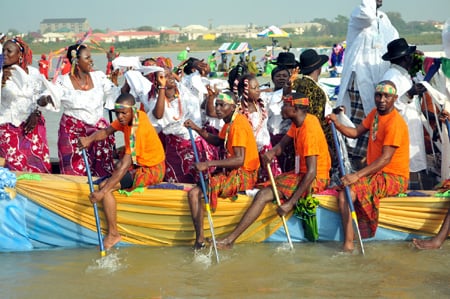
The Ijaw people form one of the oldest and most widely dispersed ethnic groups in the Niger Delta. While much scholarly attention has focused on the Eastern Ijaw groups such as the Kalabari, Okrika, and Nembe, the Western Ijaw located across Delta, Bayelsa, and parts of Ondo State, represents a culturally rich and politically influential section of the Ijaw nation. Known for their strategic riverine settlements, long-standing political institutions, and distinct cultural practices, the Western Ijaw have made significant contributions to the history of the Niger Delta.
The written record
Historical context
Geographical Spread and Identity
The Western Ijaw (also called “Izon” or “Ezon” depending on dialect) occupy the Central and Western Niger Delta, particularly in areas along the Forcados, Escravos, Ramos, Pennington, and Nun Rivers. Their major kingdoms and communities include Gbaramatu, Ogulagha, Apoi, Kabu-Osi, Arogbo, Isaba, Egbema, Mein, Ogbe-Ijoh, and Kou.
Their location in creeks, tidal zones, and mangrove belts has shaped their culture, economy, and political strategies.
Dialects and Linguistic Diversity
Linguistically, the Western Ijaw speak several Izon dialects. Although mutually intelligible, dialects such as Apoi, Arogbo, Mein, and Gbaramatu exhibit phonological variations that reflect centuries of autonomous development. Williamson notes that Ijaw remains one of the most linguistically distinct families in the Niger-Congo group, suggesting the long-term settlement of Ijaw peoples in these regions.
Political Structures and Governance
Western Ijaw political systems are traditionally decentralized, yet highly organized. Their governance blends clan structures, gerontocracy, religious leadership, and communal councils.
Clan-Based Authority: The basic political unit is the clan (kingdom), headed by a Pere (traditional ruler). The Pere functions as the spiritual, ceremonial, and political head, but his authority is moderated by councils of elders, priest-leaders, and title holders. Unlike the centralized monarchies of some Eastern Delta states, Western Ijaw governance is more consensual, reflecting the authority of age-grades and community assemblies.
Youth Organizations and Political Action: In contemporary times, Western Ijaw youth groups such as the Ijaw Youth Council (IYC) and local community youth wings have played major roles in political negotiations, resource rights agitation, and communal defense. These groups became especially visible during the Niger Delta crisis of the 1990s and early 2000s.
Relations with Neighboring Ethnic Groups: Western Ijaw communities border Itsekiri, Ilaje, Urhobo, and Edo-speaking groups. Historically, these relationships involved trade, intermarriage, territorial disputes, and shifting alliances. The Itsekiri–Ijaw relations, in particular, have involved centuries of both cooperation and conflict, especially around access to waterways and influence in the Warri region. Despite conflicts, these interactions shaped Western Ijaw political identity and resilience.
Economy and the Riverine Environment
The Western Ijaw economy is deeply rooted in the waterways. Their livelihood systems developed in response to mangrove ecology, tidal flows, and the availability of aquatic resources.
Fishing and Riverine Trade: This remains the backbone of Western Ijaw subsistence. Communities specialize in net-fishing, canoe-building, and fish preservation. Historically, Ijaw traders transported dried fish, salt, palm oil, and raffia products to inland markets, creating robust trade networks long before European arrival.
Palm Oil and Colonial Commerce: During the 19th century, Western Ijaw communities became central to the palm oil trade. Although Eastern Delta states such as Bonny and Kalabari dominated early Atlantic trade, Western Ijaw polities also emerged as intermediaries between European traders and inland producers.
Impact of Petroleum Oil: The discovery of crude oil in the 1950s dramatically altered the economic landscape. Communities such as Ogulagha, Gbaramatu, and Egbema are now home to Nigeria’s major oil terminals and flow stations. While this has brought national attention and some economic benefits, it has also caused:
environmental degradation,
loss of fisheries,
forced displacement, and
frequent conflicts with oil companies. These issues continue to influence Western Ijaw politics and activism today.
Cultural Practices and Social Life
Western Ijaw culture is vibrant, ritualistic, and deeply connected to water, ancestors, and the land.
Traditionally, Western Ijaw religious life centers on the belief in Woyin (the Supreme God), ancestral spirits, and water deities such as Egbesu, Ogugu, and territorial spirits associated with specific creeks.
Egbesu, often described as a deity of justice and protection, remains central to Western Ijaw identity. Priesthood institutions and spiritual specialists historically guided political decisions and conflict resolution.
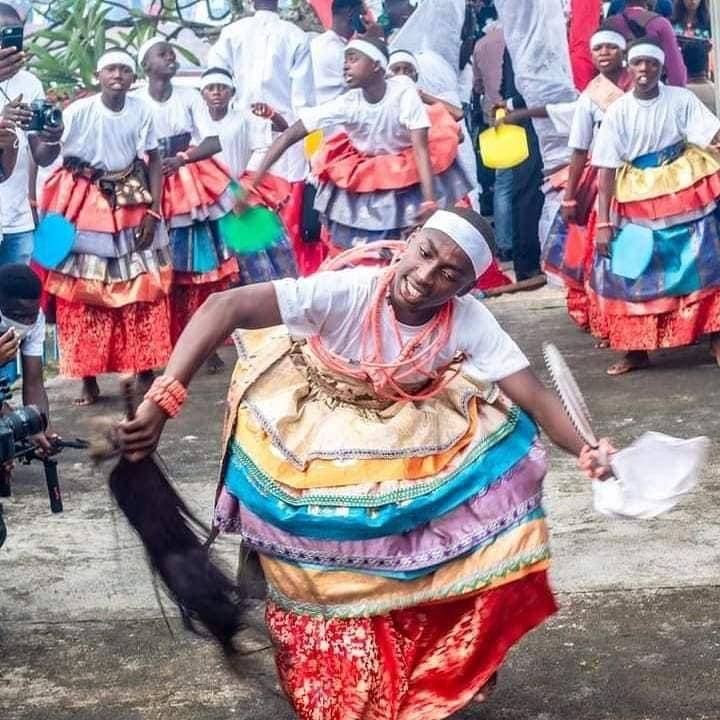
Masquerades such as the Owu, Ogele, and Binitoru play important roles in entertainment, spiritual rites, and communal festivals. Masquerade performances express historical memory, cosmology, and gendered roles within society.
Marriage systems emphasize bridewealth, extended kinship ties, and communal obligations. The household structure often includes large compound extended families, fishing crews, and lineage units.
Western Ijaw attire includes wrappers (often “George” cloth), coral beads, and canoe-related artistic motifs. Dance and music, especially drum ensembles are integral to ceremonies and festivals.
Western Ijaw in Regional Politics
Western Ijaw communities have been significant actors in Niger Delta political movements.
The Western Ijaw were pivotal in the rise of the resource control movement. The Kaiama Declaration of 1998, authored by Ijaw youth, became a defining political statement on self-determination, environmental rights, and federal equity.
This declaration catalyzed activism across the Delta and laid intellectual foundations for subsequent negotiations and amnesty programs.
In modern Nigerian politics, Western Ijaw leaders have held major roles at state and federal levels. Their political influence is tied to their control over oil-rich territories and strategic waterways.
Despite their cultural vibrancy and political significance, Western Ijaw communities confront several persistent challenges:
environmental pollution from oil exploration,
land loss due to coastal erosion and rising sea levels,
infrastructure deficits,
limited access to education and healthcare, and
political marginalization within multi-ethnic states such as Delta. These challenges have intensified the desire for greater autonomy, environmental justice, and cultural preservation.
The Western Ijaw represent a dynamic and resilient cultural group whose history is deeply tied to the rivers and mangrove forests of the Niger Delta. Their political institutions emphasize collective decision-making, while their cultural traditions reflect ancient cosmologies and a distinct riverine identity. Through fishing, trade, and later petroleum-related politics, they have maintained a strong presence in regional affairs. Today, their push for justice, environmental protection, and cultural continuity continues to shape the broader discourse of the Niger Delta. Understanding Western Ijaw politics and culture is essential for appreciating the complexity of Nigeria’s coastal societies and the historical foundations of their struggle for recognition and development.
Sources and references
- Alagoa, E. J. (2005). A history of the Niger Delta: An historical interpretation of Ijo oral tradition. Port Harcourt: Onyoma Research Publications.
- Dike, K. O. (1956). Trade and politics in the Niger Delta, 1830–1885. Oxford University Press.
- Dapper, T. (2011). Peoples and cultures of the Niger Delta. Port Harcourt: M&J Grand Orbit.
- Williamson, K. (1989). “Niger-Congo overview.” In Bendor-Samu el, J. (Ed.), The Niger-Congo languages (pp. 3–45). University Press of America.
Cite this article
Discussion
Sign in to join the discussion
Comments are checked by an editor before they appear. Leave a source or a correction and it is read first.
Continue reading
Related histories
 Cultural HeritageEleven Days of Nwafor Ogidi: Inside the Festival Keeping an Old Igbo Tradition AliveRead history →
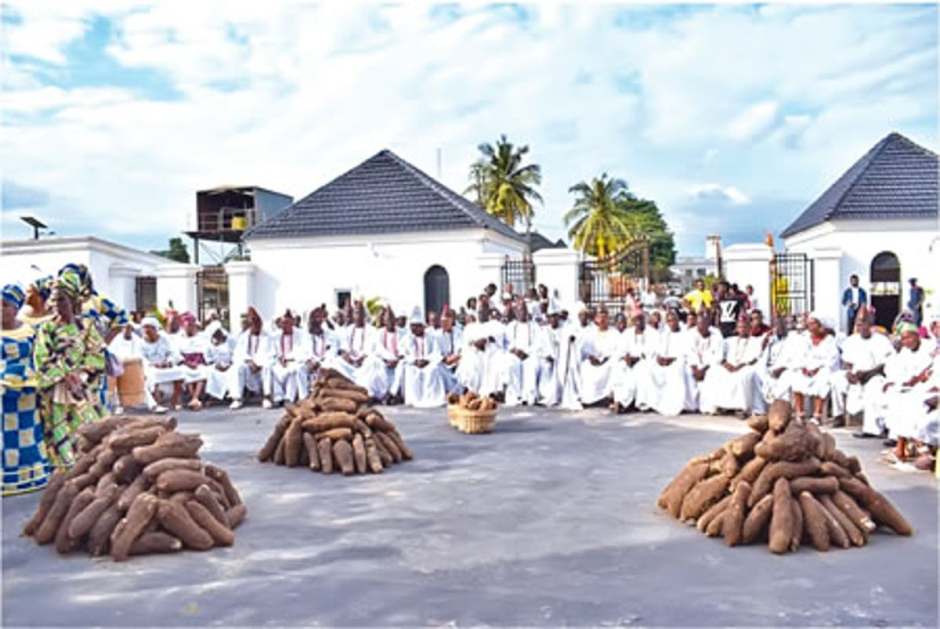 Cultural HeritageIli Ji Nkpor Obododike: The Indigenous Agricultural Ritual CycleRead history →
 Cultural HeritageMusic and Drum Traditions: Tracing the “Igbo Drum” in the AmericasRead history →
No comments yet
Nothing has been approved on this record yet. Comments are checked by an editor before they appear, so one written now shows on this page after that check.