 Ozikoro
 Ethnohistory · Published history
Traditional Festivals and Masquerades: How They Connect to Christmas in Eastern Nigeria
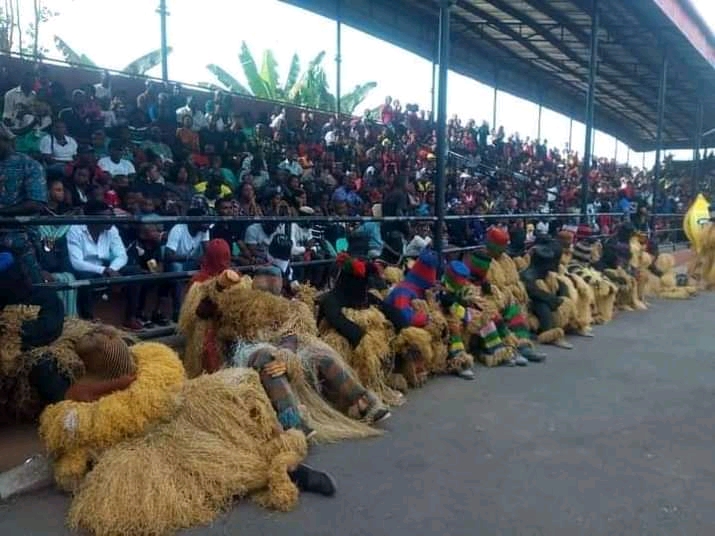
In many Igbo communities of Eastern Nigeria, Christmas is not only a Christian celebration but also a season deeply connected to traditional cultural practices. One of the most distinctive elements of this cultural expression is the display of masquerades and community festivals. These performances, rooted in pre-colonial Igbo cosmology, have evolved to coexist with Christianity and have become a major part of Christmas celebrations in the East.
The written record
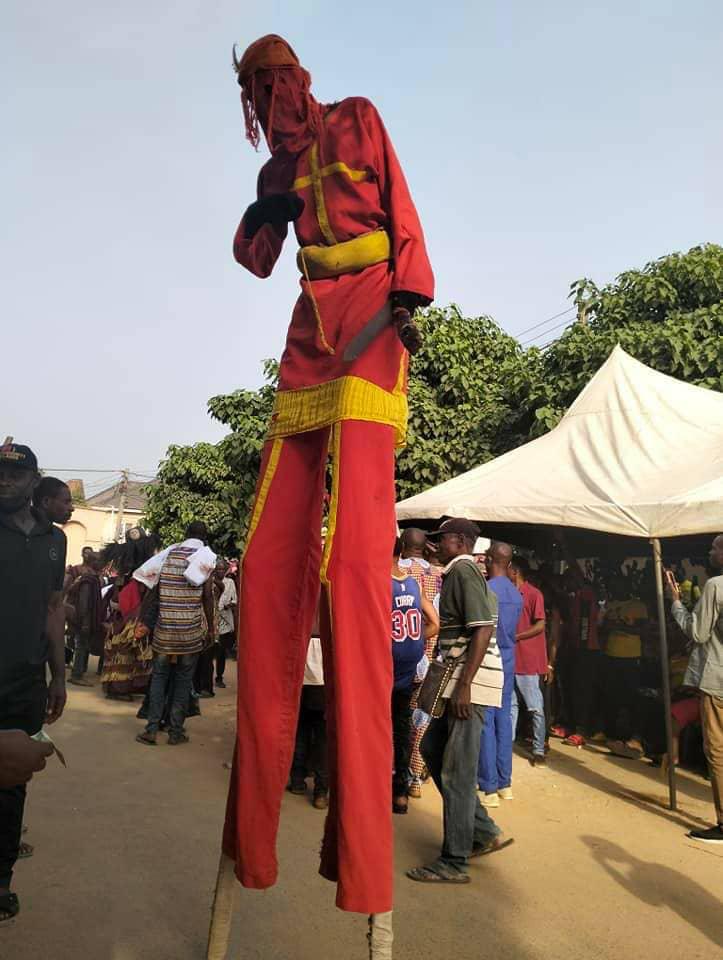
Photo credit; Wikipedia.
Historical context
Origins of Masquerades in Igbo Culture
Masquerade traditions, often referred to as “Mmanwụ” in Igbo language, are an ancient cultural practice that can be traced back centuries. Historically, masquerades represented the spirits of ancestors, deities, or symbolic forces. They served multiple functions, including entertainment, social regulation, spiritual communication, and the preservation of communal identity.
Masquerade societies such as the Ekpe, Ogene, Odo, Agaba, and Omaba traditions held both ritual and administrative authority in their communities. The masqueraders were believed to embody non-human beings, and their appearances reinforced communal respect for ancestral power. While the masquerade institution predates Christianity, it has remained resilient, adapting to new social realities.
Cultural Significance of Masquerades
Masquerades traditionally signified social order, moral discipline, communal unity, and identity. They appeared at funerals, harvest festivals, initiations, and community ceremonies. Beyond entertainment, they acted as cultural archives, preserving forms of music, dance, costume design, and storytelling. Their performances also helped transmit values such as bravery, respect for elders, justice, and collective responsibility.
The Arrival of Christianity and Cultural Adaptation
When Christian missionaries arrived in Igboland in the 19th century, they initially opposed masquerade practices, viewing them as pagan. However, by the mid-20th century, many Igbo communities found a way to blend traditional cultural life with Christianity. Christmas became a major homecoming season, and local festivals, music, and masquerades naturally aligned with this period, when families reunited and communities became vibrant with activity.
Over time, masquerades became less about spiritual ritual and more about cultural identity and entertainment, making them acceptable to communities that had become predominantly Christian.
Why Masquerades Became Linked to Christmas
Several factors explain why masquerades are widely displayed during Christmas:
Homecoming Season
Christmas is the peak period for Igbo homecoming (known as “going home” or “ị lọ Ụlọ”). This influx of family members creates the ideal audience for elaborate festivals and masquerade shows.
Dry Season and Agricultural Calendar
Christmas falls during the dry season, which is culturally preferred for festivals because it allows outdoor gatherings, travel, and communal performances.
Shift from Ritual to Entertainment
With the influence of Christianity, masquerades gradually shifted from sacred rituals to community entertainment. Christmas provided the best opportunity to showcase them without conflict.
Economic Opportunities
Masquerade performances attract tourists, indigenes, and returning diaspora members, increasing spending in the community. Christmas thus became the economic peak for cultural festivities.
Social Cohesion
Christmas is a time for unity, and masquerades reinforce communal bonds through dance, music, satire, and shared celebration.
Types of Masquerades Seen During Christmas
Different regions showcase different masquerade forms during Christmas:
Agaba and Ajofia: Known for dramatic displays and strength.
Odo and Omaba (mainly Nsukka and Enugu areas): Appear cyclically and often coincide with festive seasons.
Ekpe masquerades (influenced by Efik-Ibibio cultures): Appear in some Igbo communities of Cross River and Akwa Ibom regions.
Comic masquerades such as “Oriakụ” or “Nwa onye ụka” that entertain children and adults during holiday gatherings.
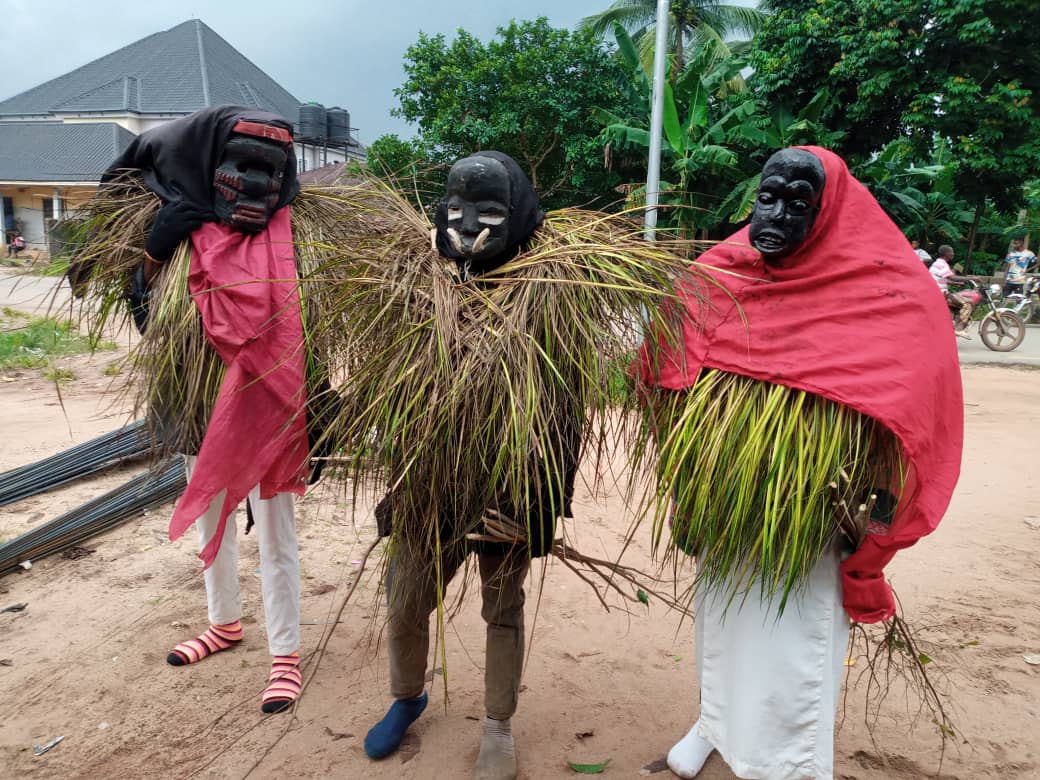
Acrobatic and dance masquerades that perform at squares, markets, and village arenas.
These masquerades contribute to the colorful and energetic environment associated with Christmas in Eastern Nigeria.
Modern Interpretations and Cultural Revival
Today, masquerades during Christmas are increasingly viewed as cultural heritage rather than spiritual institutions. Many local governments and cultural bodies organize end-of-year festivals that include masquerade parades, traditional wrestling, dance competitions, and music concerts.
Social media and tourism have also expanded their visibility, and many young people now see masquerades as symbols of identity and pride. Despite modernization, the Christmas season remains the most active time for these cultural performances.
Masquerades have evolved from ancient spiritual institutions into vibrant cultural symbols that enrich the Christmas season in Eastern Nigeria. Their presence reflects the unique ability of Igbo culture to adapt while retaining its core traditions. As Christmas continues to be the most significant homecoming period for Igbo families, masquerades and festivals remain central to the celebration, reinforcing community identity, strengthening social ties, and preserving cultural heritage.
Sources and references
- Afigbo, A. E. (1981). “Ropes of Sand: Studies in Igbo History and Culture.” University Press.
- Isichei, E. (1976). “A History of the Igbo People.” Macmillan.
- Njoku, J. E. (1990). “Igbo Cultural History.” Enugu: Fourth Dimension Publishing.
- Nwoye, G. (2011). “Tradition and Change in Igbo Cultural Practices.” Journal of African Studies, 8(2), 45–62.
- Wikipedia contributors. (2024). “Igbo people.” Wikipedia, The Free Encyclopedia.
- Wikipedia contributors . (2024). “Masquerade (African culture).” Wikipedia, The Free Encyclopedia.
Cite this article
Discussion
Sign in to join the discussion
Comments are checked by an editor before they appear. Leave a source or a correction and it is read first.
Continue reading
Related histories
 EthnohistoryGbam, Chai, Ewo: How Igbo Expressions Became the Language of Nigerian Pop CultureRead history →
 EthnohistoryAro Merchant Network: Historical Trade Integration in the Cross-Niger RegionRead history →
 EthnohistoryTransition to Commodities in the aro confederacy(e.g., Palm Oil, Ivory, Cloth)Read history →
No comments yet
Nothing has been approved on this record yet. Comments are checked by an editor before they appear, so one written now shows on this page after that check.