 Ozikoro
 Cultural Heritage · Published history
Types of Agwu and Their Animal Symbolisms in Igbo Culture
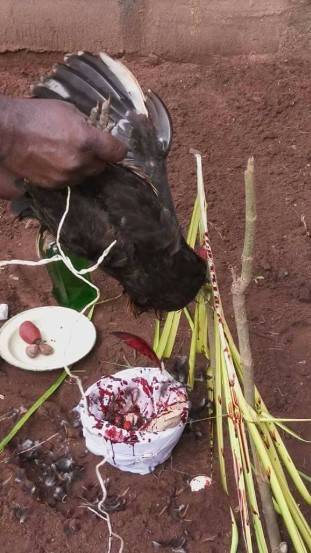
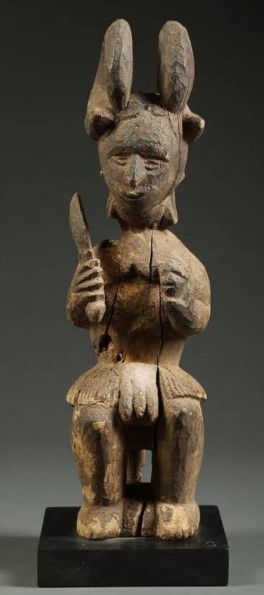
The written record
Historical context
Understanding Agwu in Igbo Spirituality
Agwu is often described as the “father of all natural powers” in Igbo cosmology. It is the spirit that governs creativity, intuition, and the ability to manifest ideas into reality. In Igbo tradition, Agwu is not only associated with dibias (traditional priests or healers) but also with ordinary people who have a divine calling to excel in specific professions or skills. The Igbo believe that Agwu is the source of inspiration behind every form of creation, whether it is a craft, a business, or a spiritual practice.
Agwu is deeply tied to the concept of chi, an individual’s personal spirit or destiny in Igbo belief. While chi determines a person’s life path, Agwu provides the energy and wisdom needed to navigate that path successfully. For example, a farmer, a teacher, or a businessperson may have Agwu guiding their work, ensuring they prosper in their chosen field. The presence of Agwu in one’s life is often revealed through dreams, visions, or unusual experiences, which may prompt the individual to seek guidance from a dibia through Afa (divination).
Types of Agwu and Their Animal Symbolisms
Agwu manifests in various forms, each with specific roles and animal symbols that represent its unique characteristics. These animals often appear in dreams, serving as signs that Agwu is calling or influencing an individual. Below is a detailed list of the types of Agwu and their associated animal symbols:
Agwu Nsi (Dog or Tortoise)
Agwu Nsi is associated with wisdom, protection, and spiritual insight. The dog symbolises loyalty and vigilance, while the tortoise represents patience, longevity, and cleverness. In Igbo folklore, the tortoise is a cunning character, often outsmarting others with its intelligence. People with Agwu Nsi may exhibit sharp intuition and the ability to solve complex problems.
Agwu Ofia (Leopard or Wild Animals)
Agwu Ofia is linked to strength, courage, and dominance in the natural world. The leopard, a powerful and elusive animal, embodies these qualities. This type of Agwu is often associated with individuals who are bold, assertive, or destined to lead. It may also manifest in those with a strong connection to the wilderness or traditional hunting practices.
Agwu Mmiri (Colourful Snakes, Snails, Crocodile, or Alligator)
Agwu Mmiri is connected to water and its mysteries. Colourful snakes represent transformation and spiritual sensitivity, while snails symbolise gentleness and perseverance. Crocodiles and alligators signify strength and adaptability in challenging environments. People influenced by Agwu Mmiri may have a deep affinity for water-related activities, such as fishing, or spiritual practices tied to rivers and streams.
Agwu Enu (Ibis or Owl)
Agwu Enu is associated with wisdom, foresight, and the spiritual realm. The ibis, a bird revered in many African cultures, symbolises knowledge, while the owl represents mystery and the ability to see beyond the physical world. Individuals with Agwu Enu often have a natural gift for divination, prophecy, or spiritual guidance.
Agwu Ndichie (Tortoise or Masquerade)
Agwu Ndichie connects individuals to ancestral wisdom and cultural traditions. The tortoise, again, signifies intelligence and resilience, while masquerades are powerful symbols of Igbo heritage, representing the spirits of ancestors. This type of Agwu is common among those who preserve Igbo customs or act as custodians of community traditions.
Agwu Ahia (Dog)
Agwu Ahia is linked to trade, commerce, and prosperity. The dog, a symbol of loyalty and protection, reflects the qualities needed for success in business. People with Agwu Ahia are often destined to excel in entrepreneurial ventures or market-related activities.
Signs of Agwu in Dreams
In Igbo culture, dreams are a powerful medium through which Agwu communicates with individuals. Certain dream scenarios are considered clear signs of Agwu’s presence:
- Seeing Yourself as a Uniformed Officer: If you dream of being a police officer, soldier, or any authority figure when you are not one in real life, it may indicate that Agwu has chosen you for a special purpose. This could be a call to leadership or a spiritual role.
- Being Chased by Uniformed Figures: Dreams of being pursued by police or military personnel suggest that Agwu is urging you to acknowledge its presence and seek spiritual guidance.
- Interacting with Water or Animals: Collecting snails, swimming with companions in water, or encountering colourful snakes or pythons in dreams are strong indicators of Agwu Mmiri’s influence.
- Masquerades or Ancestral Symbols: Seeing masquerades or other cultural symbols in dreams may point to Agwu Ndichie, connecting you to your ancestors and Igbo heritage.
When these signs appear, the Igbo often consult a dibia for Afa divination to understand the specific type of Agwu and the necessary rituals to align with its energy.
The Role of Agwu in Igbo Professions and Callings
Agwu is not limited to spiritual practitioners like dibias; it plays a vital role in various professions and skills within Igbo society. The Igbo believe that every successful individual has an Agwu guiding their work. Below are some examples of Agwu types associated with specific professions:
- Agwu Afa: Guides those involved in divination and spiritual consultations.
- Agwu Nka n’uzu: Supports blacksmiths, artisans, and craftsmen.
- Agwu Egwuregwu: Inspires performers, such as dancers or musicians.
- Agwu Ọlụ Aka: Assists those in manual trades, like shoemaking or carpentry.
- Agwu Egwu: Empowers musicians and those involved in creative arts.
- Agwu Mkporogwu na Mkpafifia: Protects and guides herbalists and traditional healers.
- Oke Agwu: Influences leaders, warriors, or those with significant authority.
- Agwu Ejije: Supports actors, storytellers, and dramatists.
- Agwu Okwu: Enhances orators and public speakers.
- Agwu Nra Mmiri: Guides fishermen and those connected to water-based livelihoods.
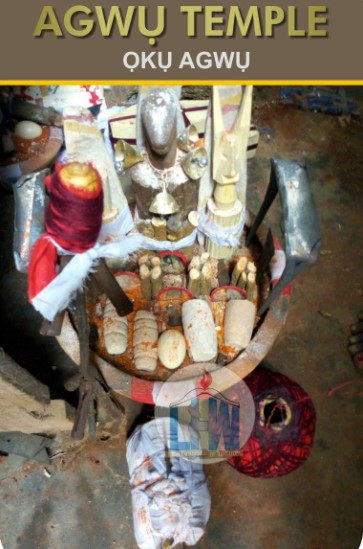
For instance, a farmer might institute Agwu to ensure a bountiful harvest, while a trader might do the same to attract wealth. Even modern professions like medicine, engineering, or teaching are believed to benefit from Agwu’s guidance. The process of instituting Agwu often involves rituals performed by a dibia, which may include offerings, prayers, and the creation of a shrine to honour the spirit.
Agwu as a Creative and Spiritual Force
Agwu is revered as the source of all creativity and innovation in Igbo cosmology. It is the force behind the creation of both good and evil, magic, and wonders. The Igbo see Agwu as the origin of everything visible and invisible, from natural phenomena to human achievements. For example, the intricate designs of Igbo ulo (mud houses), the vibrant patterns of akwete cloth, and the rhythmic beats of ogene music are all attributed to Agwu’s inspiration.
In Igbo communities, Agwu is often honoured through festivals, rituals, and communal ceremonies. For instance, the Iri Ji (New Yam Festival) in many Igbo towns includes prayers to Agwu for prosperity and protection. Similarly, dibias perform specific rites to appease Agwu before undertaking major spiritual tasks, ensuring their work is guided by divine wisdom.
Agwu and Family Traditions
Many Igbo families have their own Agwu, passed down through generations, which serves as a spiritual guardian of their wealth and well-being. These family Agwu are often instituted in shrines called okwu Agwu, where offerings like kola nuts, palm wine, and livestock are made to maintain harmony with the spirit. These shrines are sacred spaces where family members seek guidance, protection, and blessings for their endeavours.
For example, a family with a history of successful trading may attribute their prosperity to Agwu Afia, while a family known for healing may honour Agwu Mgborogwu na Mkpafifia. These family Agwu are seen as protectors of the lineage, ensuring continuity and success across generations.
The Importance of Afa Divination
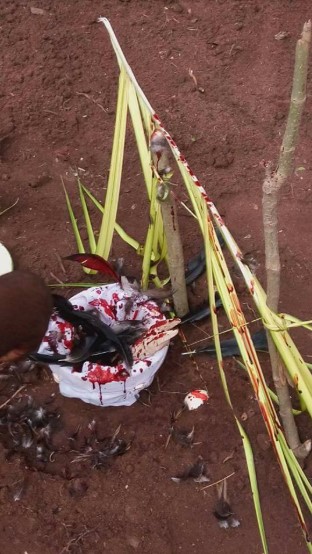
When someone experiences signs of Agwu, such as recurring dreams or unusual events, the first step is to consult a dibia for Afa divination. Afa is a traditional Igbo method of communicating with the spiritual world, using tools like seeds, shells, or other sacred objects. Through Afa, the dibia can identify the specific type of Agwu influencing the individual and prescribe the necessary rituals to appease it.
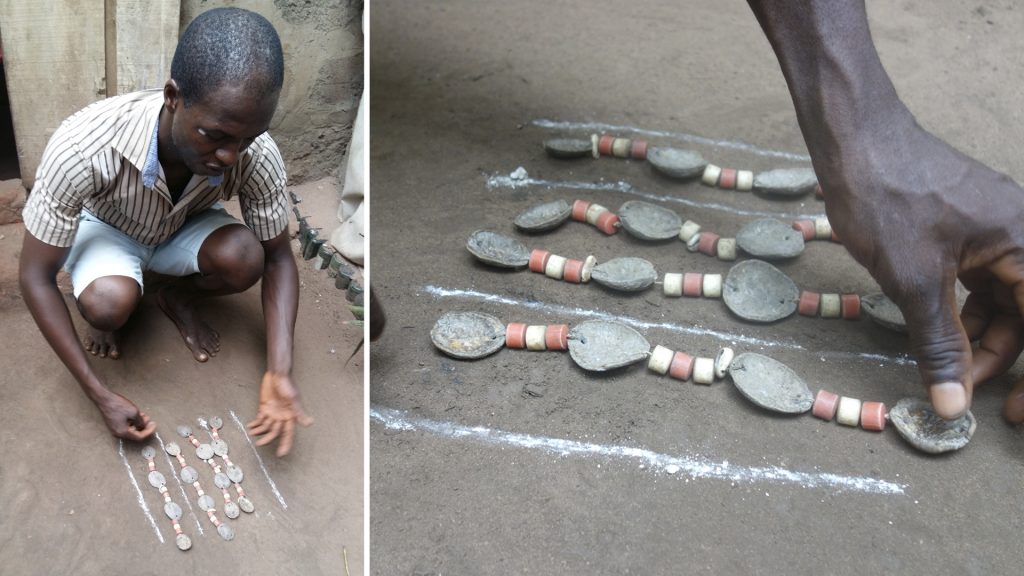
These rituals may include offerings, sacrifices, or the establishment of an Agwu shrine. For instance, someone with Agwu Mmili might be instructed to perform rituals near a river, while someone with Agwu Ofia might offer items associated with the forest. These practices ensure that the individual aligns with Agwu’s energy, unlocking their potential for success.
Agwu in Modern Igbo Society
While Agwu is rooted in traditional Igbo spirituality, its influence remains strong in modern Igbo society. Many Igbo professionals, even those in urban areas or practising modern religions, acknowledge Agwu’s role in their success. For example, an Igbo doctor might perform rituals to honour Agwu before opening a clinic, believing it will bring healing powers to their practice. Similarly, Igbo entrepreneurs often consult dibias to ensure their businesses thrive under Agwu’s guidance.
In some Igbo communities, Agwu is also celebrated through cultural events like masquerade festivals, where performers embody the spirit of Agwu Ndichie to connect with ancestors. These events reinforce the Igbo identity and remind people of the enduring power of their spiritual heritage.
In Igbo culture, honouring Agwu is not just a spiritual act but a way to ensure success, prosperity, and harmony with the natural and spiritual worlds. By understanding and respecting Agwu, the Igbo continue to preserve their rich cultural heritage while navigating the challenges of modern life.
Sources and references
- Dibianwangwuuchendu. (2023, August 31). Types of Agwu and their animal symbolisms .
- Okonkwo, J. I. (2010). Igbo cosmology and the veneration of Agwu . Journal of Igbo Studies, 5(1), 23–34.
- Aguwa, J. C. U. (1995). The Agwu deity in Igbo religion: A study of the patron spirit of divination and medicine in an African society . Fourth Dimension Publishing Company.
- Oma. (2024, July 27). Agwu as the divine guide within in Igbo spirituality . oma’s Garden.
Cite this article
Idenze Ezeme. “Types of Agwu and Their Animal Symbolisms in Igbo Culture.” Ozikoro, 2025. https://ozikoro.com/types-of-agwu-and-their-animal-symbolisms-in-igbo-culture/Discussion
Sign in to join the discussion
Comments are checked by an editor before they appear. Leave a source or a correction and it is read first.
Continue reading
Related histories
 Cultural HeritageEleven Days of Nwafor Ogidi: Inside the Festival Keeping an Old Igbo Tradition AliveRead history →
 Cultural HeritageIli Ji Nkpor Obododike: The Indigenous Agricultural Ritual CycleRead history →
 Cultural HeritageMusic and Drum Traditions: Tracing the “Igbo Drum” in the AmericasRead history →
No comments yet
Nothing has been approved on this record yet. Comments are checked by an editor before they appear, so one written now shows on this page after that check.