 Ozikoro
 Cultural Heritage · Published history
Udara: A Fruit Caught Between the Spiritual and Physical

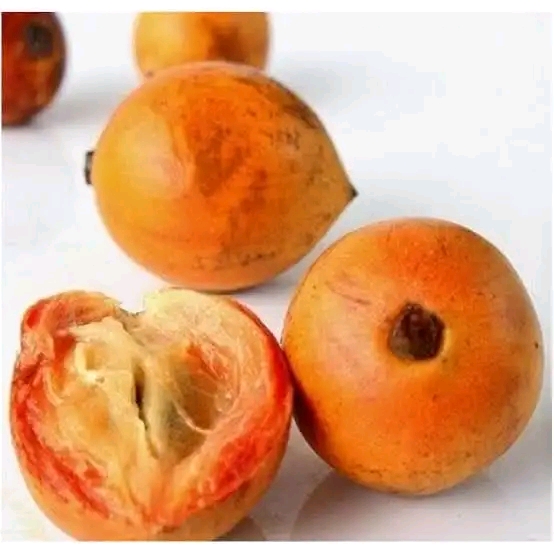
Across many West African societies, fruits are more than sources of nourishment, many carry cultural, spiritual, and symbolic significance. Among the Igbo of southeastern Nigeria, Udara, botanically identified as Gambeya albida, though also culturally linked with Chrysophyllum albidum, stands as one of the most distinctive examples of a fruit that bridges the physical and spiritual worlds. Udara is widely recognized for its sweet–tart taste, sticky sap, and seasonal presence during the dry months. However, beyond its physical attributes, Udara occupies a powerful symbolic place in Igbo cosmology, morality, socialization, and communal identity. This article explores how Udara exists “between the spiritual and the physical,” drawing on ethnographic accounts, botanical studies, oral traditions, and scholarly sources.
The written record
Historical context
Udara in Igbo Spiritual Symbolism
The Udara tree (Chrysophyllum albidum), holds a unique, revered place in Igbo culture, serving as a symbolic bridge between the physical and spiritual realms. It is far more than just a seasonal fruit; it is considered a sacred entity deeply rooted in tradition, folklore, and, at times, superstition.
- A Fruit of Purity, Truth, and Moral Conduct
In traditional Igbo cosmology, Udara is associated with truthfulness and moral integrity. Elders frequently used the fruit in moral instruction for children while telling and retelling folklore. The fruit’s initial sourness followed by sweetness was often used to teach that patience leads to reward, and that good character, though sometimes difficult, ultimately brings fulfilment. This aligns with broader Igbo ethical teachings of omenala, where natural objects serve as tools for cultural education.
- A Symbol of Childhood Spiritual Formation
For many Igbo children, Udara season marked a time of communal gathering, storytelling, and informal spiritual instruction. The fruit is often consumed during moonlight plays (egwu onwa), which themselves are part of traditional systems of moral and spiritual socialization. In this sense, Udara serves as a bridge between childhood innocence and the gradual acquisition of cultural knowledge, embodying spirituality in everyday life.
- An Offering to Ancestors
While not universally practiced across all Igbo subgroups, some oral traditions recount the use of Udara in ancestor veneration and seasonal rituals. Fruits such as Udara were occasionally placed at family shrines to represent the continuity of life, fertility, and gratitude to ancestral spirits. The star-like shape of the fruit’s interior reinforced its symbolic association with the heavens and ancestral presence.
- A Sacred Deity
In many Igbo communities, the Udara tree is regarded as a female deity associated with fertility, protection, and motherhood.
- Dwelling Place of Spirits
It is believed to be a home to the spirits of ancestors and unborn children.
- Symbol of Fertility
Often referred to as a “giver of children,” it is believed to help barren women conceive.
- Supernatural Entity
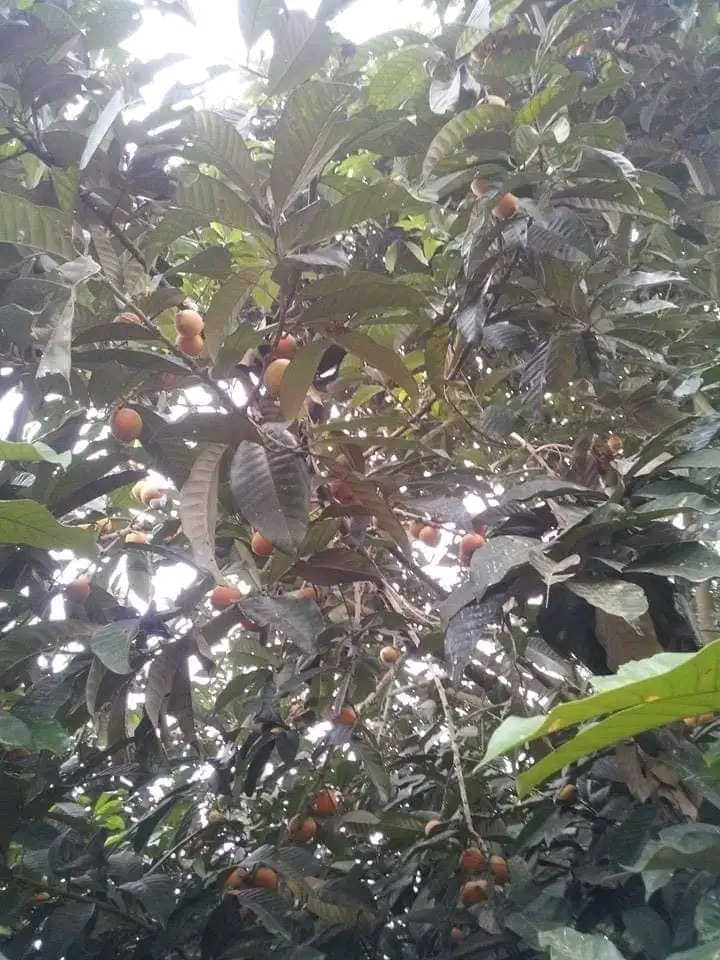
Because it is viewed as a home to spirits, it is often feared, and people rarely visit it at night. It is considered a grave taboo to cut down an Udara tree without proper consultation and spiritual appeasement. It is also forbidden to defecate or act improperly beneath it. “If it falls, you lick”: The name “Udara” implies that the fruit should not be plucked, but rather allowed to fall naturally, embodying a passive, almost spiritual reception of nature’s bounty. It is widely acknowledged in Igboland, any passer-by that udara fruit drops while they are passing will receive blessings and if they pick the fruit luck will smile on them throughout the day.
Physical and Social Dimensions of Udara
- Nutrition and Medicinal Value
Beyond its spiritual role, Udara is rich in vitamin C, antioxidants, calcium, and dietary fiber. Studies show that Gambeya albida and its close relatives contain significant phytochemical properties that support immunity, digestion, and skin health. Traditional medicine uses its bark, leaves, and roots to treat ailments ranging from diarrhea to respiratory infections. These health benefits reinforce its status as a life-giving and spiritually significant fruit.
- Seasonal Social Life and Community Bonding
The Udara season is a cherished cultural marker. Its arrival in markets signals the beginning of the dry season and serves as a reminder of cyclical patterns in nature. Communities bond through trading, sharing, and even playful arguments among children over who gets the “sweetest” Udara. In many Igbo childhood memories, Udara is tied to laughter, bonding, and nostalgia. These physical experiences deepen its spiritual and emotional significance.
- Community Asset
Udara trees are often considered “ownerless” or public property, even if they grow on private land, representing a shared resource that belongs to the entire community.
- Childhood Symbolism
The tree is frequently a gathering spot for children, especially during moonlight tales (Egwu Onwa), where they wait patiently for the fruits to fall.
- The Imachi Udara Tradition
To prevent people from stoning or damaging the tree to force fruit down, some communities use imachi udara (tying palm fronds) on the tree. Anyone caught violating this tradition may be punished by local masquerades.
- Guardians of Time
Known for their remarkable longevity, Udara trees can live for up to 1,000 years, standing as silent witnesses to generations of community life. The longevity and size of the tree contribute to the belief that it is an enduring link between the past, present, and future.
Udara as a Cultural Bridge Between Worlds
Udara exists between the spiritual and physical in three main ways:
Symbolism: It represents moral values such as truth, patience, and purity.
Ritual Use: It connects the living with ancestral memory and spiritual identity.
Daily Life: It serves as food, medicine, cultural identity, and economic resource.
This dual existence reflects an important feature of Igbo cosmology: the spiritual is not separated from the physical, but woven into everyday life. Udara’s role in teaching, healing, bonding, and remembering ancestors illustrates how ordinary objects become carriers of sacred meaning. Udara, whether identified scientifically as Gambeya albida or culturally as Udara, is far more than a seasonal fruit. It is a vessel of memory, identity, and spirituality. To the Igbo, Udara symbolizes the journey from innocence to wisdom, from the physical world to ancestral presence, and from sour beginnings to sweet endings. It embodies the Igbo worldview in which nature teaches morality, strengthens community, and sustains spiritual continuity. Thus, Udara remains a fruit caught beautifully between the spiritual and the physical, reminding each generation of the lessons encoded in nature and culture.
Sources and references
- Dibia Nwangwu Uchendu. (2023, September 18). Ukwu Ụdara: The spiritual representation of Akwali Ọmụmụ. DIBIA NWANGWU UCHENDU.
- WebMD. (2024, May 27). Health benefits of African star apple.
Cite this article
Discussion
Sign in to join the discussion
Comments are checked by an editor before they appear. Leave a source or a correction and it is read first.
Continue reading
Related histories
 Cultural HeritageEleven Days of Nwafor Ogidi: Inside the Festival Keeping an Old Igbo Tradition AliveRead history →
 Cultural HeritageIli Ji Nkpor Obododike: The Indigenous Agricultural Ritual CycleRead history →
 Cultural HeritageMusic and Drum Traditions: Tracing the “Igbo Drum” in the AmericasRead history →
No comments yet
Nothing has been approved on this record yet. Comments are checked by an editor before they appear, so one written now shows on this page after that check.