 Ozikoro
 Cultural Heritage · Published history
Udo Deity: The Igbo Spirit of Peace and Harmony
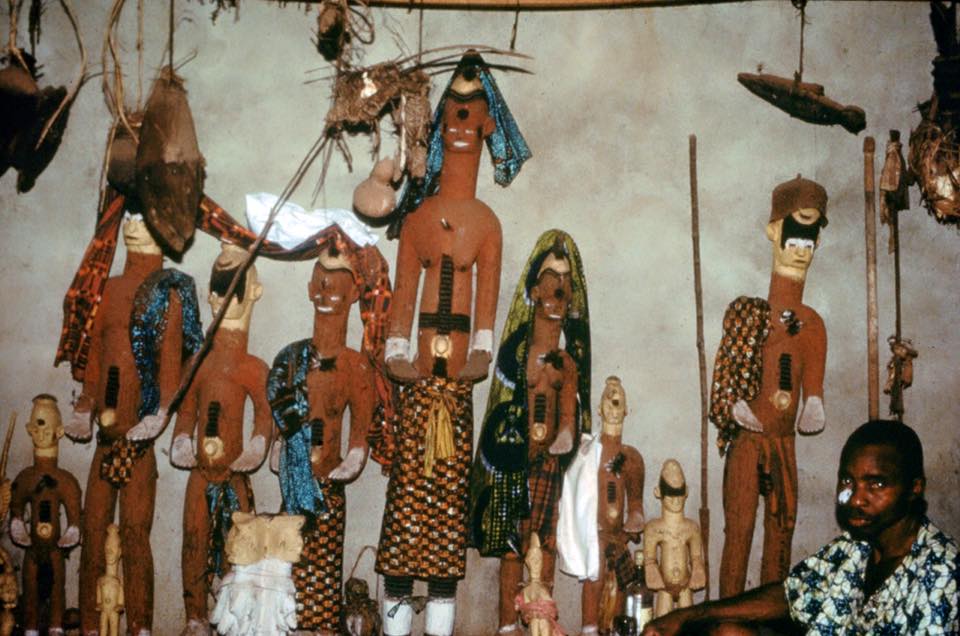
In the rich spiritual world of the Igbo people in southeast Nigeria, peace is more than just a goal—it is a sacred force embodied by Udo, the ancestral spirit of peace. Known as Odozi Obodo (the one who brings order to the land), Udo is a highly respected figure in Igbo culture. This spirit represents peace, reconciliation, and unity, guiding communities and individuals to resolve conflicts and live in harmony.
The written record
Historical context
Who Is Udo?
Udo is not a distant god but a close ancestral spirit, believed to be part of families and communities. In Igbo tradition, Udo is often seen as an elder with white hair and a beard, wearing a simple white cloth tied over one shoulder. The white cloth symbolizes purity, calmness, and freedom from conflict. Unlike many other Igbo deities, Udo is rarely shown as a carved statue. Instead, Udo shrines are often simple, located in quiet groves or marked by a plain white cloth, emphasizing the spirit’s focus on peace rather than physical form.
People turn to Udo during disputes, such as family arguments, land issues, marriage problems, or community conflicts. Udo’s presence encourages calm discussions and fair solutions, helping people move beyond pride or anger. According to Igbo beliefs, Udo’s wisdom ensures that resolutions benefit the entire community, not just one person.
Udo and Reincarnation
A unique aspect of Udo is the belief that this spirit can “reincarnate” as a peaceful influence in certain individuals. When someone consistently promotes peace—calming arguments or solving disputes fairly—Igbo people may say, “Onye Udo ka ọ bụ” (This person carries the spirit of Udo). This reflects the Igbo view that spirituality shapes everyday behavior. Udo’s influence encourages people to choose dialogue over fighting, even in a culture known for its strong and independent spirit.
This belief may explain why the Igbo often avoid violence unless deeply provoked. Udo acts as a moral guide, nudging people toward forgiveness and understanding. For example, during family meetings or village gatherings, someone with Udo’s spirit might step in to mediate, ensuring everyone feels heard and respected.
Udo Shrines and Festivals
Udo shrines are found across Igboland, each with its own traditions but all focused on peace and justice. These shrines are sacred spaces where people seek Udo’s guidance. Some notable examples include:
- Udo Amikwo-Awka (Awka South LGA): This shrine hosts the Nkwa Festival, a joyful event celebrating Udo as the spirit of peace and safe returns. The festival brings communities together with music, dance, and prayers for harmony.
- Udo Olulu Eke, Ekwulobia (Aguata LGA): This shrine acts like a spiritual court where people bring disputes for peaceful resolution. Elders and priests guide the process, invoking Udo’s wisdom.
- Udo in Awkuzu: Unique for having no idols, this shrine is simply a sacred bush marked by a white cloth, symbolizing purity and simplicity.
- Udoakuluabo Triangle (Nanka, Oko, and Ekwulobia): This area has multiple Udo shrines, including those at Nwizugbes and Emeka Aba Compound in Nanka, and near Omeke Umuchi. The Oye Udo Nanka market was once a bustling center, showing how Udo’s influence extended to economic and social harmony.
- Udo Shrine at Okpanam (Oshimili North LGA): This shrine is central to traditional worship in the community, where Udo is honored as a guardian of justice and protector of the land. Rituals and offerings are made to maintain peace and spiritual balance.
These shrines are not just religious sites; they are community hubs where people gather to seek peace and strengthen bonds.
Udo in Igbo History and Migration
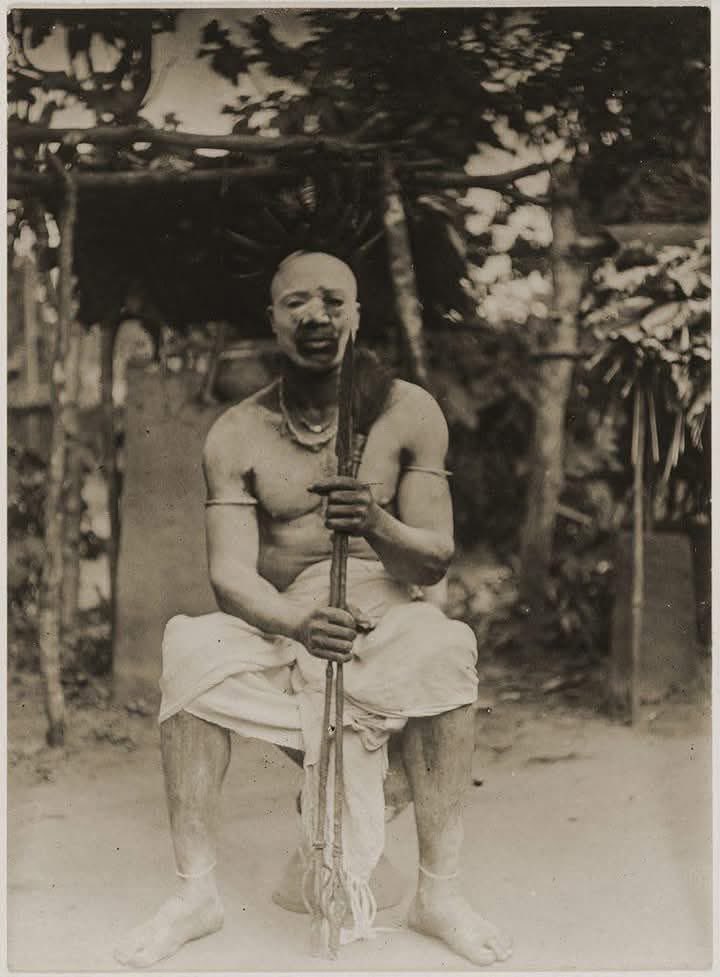
Udo’s importance goes beyond daily life—it has shaped Igbo history. Oral traditions say that the people of Onitsha left the Benin Kingdom centuries ago after the Oba disrespected their Udo shrine. This act was so serious that it led to a major migration, showing how deeply the Igbo value Udo’s spiritual authority. Today, the Udo shrine in Onitsha (Onicha Mmili) remains a key spiritual center, connecting the community to its past.
This story highlights Udo’s role in Igbo identity. The spirit represents not just peace but also the courage to stand up for sacred values, even if it means leaving a place behind.
Udo as a Moral Guide
Udo is more than a spirit—it is a way of life. In Igbo culture, honoring Udo means avoiding unnecessary fights, seeking fair solutions, and prioritizing the community’s well-being over personal pride. Udo encourages forgiveness, whether it’s settling a disagreement with a family member or resolving a dispute between neighbors. This moral force is especially important in today’s world, where division and conflict are common.
For example, during traditional Igbo meetings, elders often invoke Udo’s name to remind everyone to speak calmly and act justly. This practice ensures that decisions strengthen the community rather than divide it.
Udo’s Relevance Today
In modern times, Udo’s teachings remain vital. The Igbo face challenges like urbanization, political tensions, and social changes, yet Udo’s message of peace and unity continues to inspire. Community leaders and peacemakers still draw on Udo’s wisdom to mediate conflicts, whether in rural villages or urban centers. Udo reminds us that ancestral wisdom can guide us toward a more harmonious world, even in the face of modern complexities.
Udo is more than a deity; it is a living symbol of the Igbo commitment to peace, justice, and community. Through shrines, festivals, and the actions of peacemakers, Udo’s influence remains strong in Igboland. In a world often marked by conflict, Udo’s legacy offers a timeless lesson: peace is not just an idea but a sacred force that can transform lives and communities.
Sources and references
- Uchendu, V. C. (1965). The Igbo of Southeast Nigeria. Holt, Rinehart and Winston.
- Onwuejeogwu, M. A. (1981). An Igbo Civilization: Nri Kingdom & Hegemony. Ethnographica .
- Oral traditions recorded during fieldwork in Amikwo-Awka, Nanka, Ekwulobia, and Onicha, 2024.
- Interview with elders of Awkuzu and Ekwulobia communities (April 2025).
- Anecdotal histories of the Udoakuluabo shrines in Nanka and Oko as shared in local community forums.
Cite this article
Discussion
Sign in to join the discussion
Comments are checked by an editor before they appear. Leave a source or a correction and it is read first.
Continue reading
Related histories
 Cultural HeritageEleven Days of Nwafor Ogidi: Inside the Festival Keeping an Old Igbo Tradition AliveRead history →
 Cultural HeritageIli Ji Nkpor Obododike: The Indigenous Agricultural Ritual CycleRead history →
 Cultural HeritageMusic and Drum Traditions: Tracing the “Igbo Drum” in the AmericasRead history →
No comments yet
Nothing has been approved on this record yet. Comments are checked by an editor before they appear, so one written now shows on this page after that check.