 Ozikoro
 Biography · Published history
Ukpabi Asika – Life and Legacy
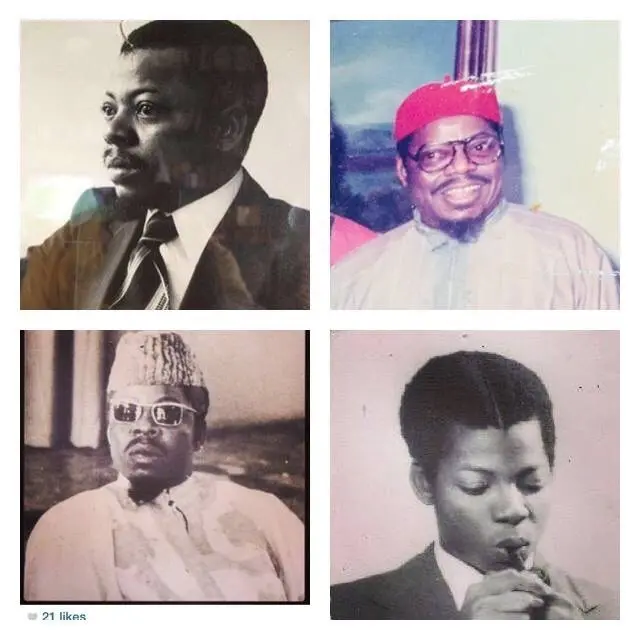
Dr. Anthony Ukpabi Asika was a distinguished Nigerian academic, political scientist, and civil servant whose leadership during one of the most turbulent periods in Nigeria’s history left an indelible mark on national governance, regional reintegration, and public administration. Best known as the Administrator of East Central State from 1967 to 1975, Asika’s life and career reflect the complexities of leadership during the Nigerian Civil War and the challenges of post-war reconstruction and unity. His legacy is debated by historians and commentators, but it unmistakably showcases his commitment to national cohesion, education, and public service.
The written record
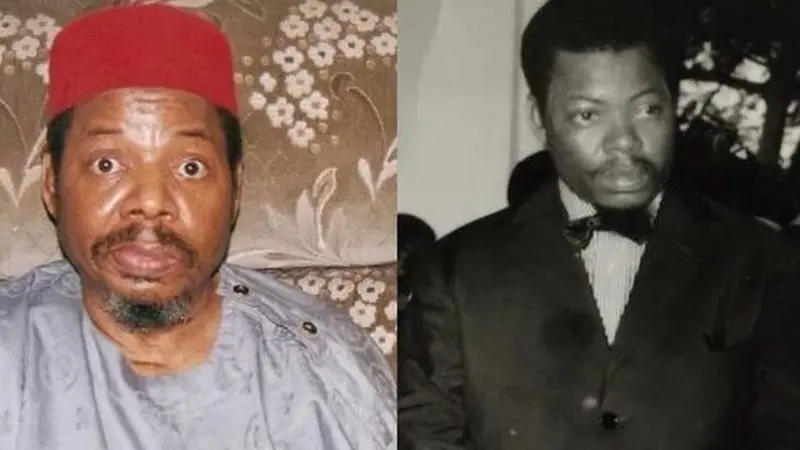
Historical context
Early Life and Education
Anthony Ukpabi Asika was born on 28 June 1936 in Onitsha, in present-day Onitsha, Anambra State. He hailed from the Ijelekpe Dynasty of Ogbeoza Village, where his family enjoyed local prominence. Asika’s early life was shaped by access to quality education and exposure to public administration through his father’s service in the colonial civil service.
His foundational education took place at St. Patrick’s College, Calabar and Edo College, Benin City. He later attended University College Ibadan (now the University of Ibadan), where he earned a degree in political science. Asika’s academic journey extended overseas when he was awarded scholarships to study at the University of California, Los Angeles (UCLA) from 1961 to 1965. There, he earned advanced degrees and developed his expertise in political science and governance.
Upon returning to Nigeria, he joined the University of Ibadan as a lecturer in Political Sociology, teaching from 1965 until 1967. His academic work earned him recognition as an intellectual deeply versed in public administration, political theory, and social sciences skills that would later define his role in governance.
Administrator of East Central State: Role in the Civil War
In October 1967, as Nigeria was engulfed in civil conflict following the secession of the Eastern Region to form the Republic of Biafra, General Yakubu Gowon appointed Ukpabi Asika as the Administrator of the newly created East Central State a federal administrative unit carved out of the secessionist region. Asika’s appointment was significant: he was the only civilian among the governors appointed to lead states during the war, reflecting both his academic stature and perceived ability to manage complex political realities.
Asika arrived at a time when the country was polarized. His role was to establish a federal administrative structure in a region that had largely aligned with the secessionist cause. For many local people, this placed him in a controversial position: while some viewed him as a traitor or “federalist”, others saw his efforts as vital to reintegration and stability. Operating from a challenging wartime environment, Asika worked to maintain civil administration, coordinate relief efforts, and rebuild institutions. Under his leadership, the East Central State attempted to restore education, health services, and civil offices in areas that had suffered significant disruption during the conflict. He also pursued policies to re-establish normalcy in public life once key towns like Enugu came under federal control.
Post-War Reconstruction and Governance
When the Nigerian Civil War ended in 1970, the task of rebuilding the war-torn region became central to Asika’s mandate. The East Central State faced immense challenges: collapsed infrastructure, displaced populations, and deep social scars. Under his administration, efforts were made to address these issues through rehabilitation programs, reintegration policies, and administrative reforms. One of the key policies during this period was the re-establishment of civil services, schools, and local government structures, which had been disrupted or dismantled by the war. Asika also oversaw the implementation of federal rehabilitation commissions, which provided food, medical care, and resettlement assistance. These efforts helped restore a degree of social stability and economic activity to the region.
Asika also served on Nigeria’s Supreme Military Council from 1970 to 1975, contributing to national policy decisions that shaped the post-war trajectory of the country. His involvement in national governance during this period demonstrated his broader commitment to Nigeria’s unity and administrative coherence.
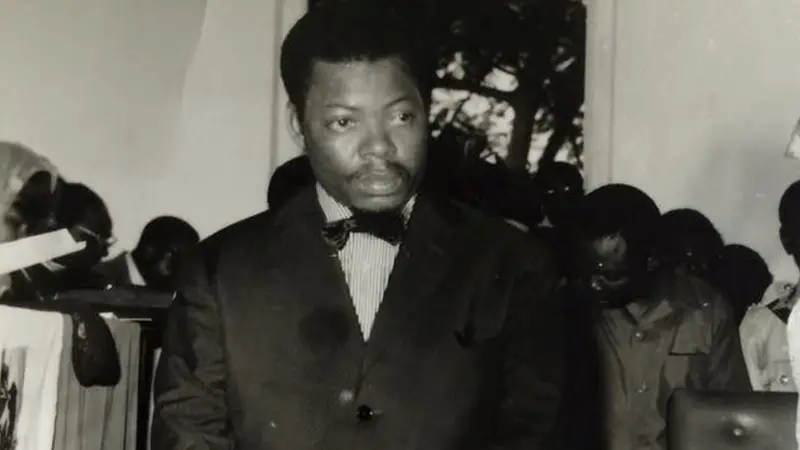
Administrative Style, Controversies, and Perceptions
While many in the federal government lauded Asika’s administrative contributions, his tenure was not without controversy. In the Eastern region and among some Igbo communities, he was perceived by critics as too aligned with federal authority during a time when secession and Biafran identity were powerful sentiments. This perception led some to label him a “traitor” during the war, a characterization explored in academic literature on war representations in fiction and cultural memory.
Historical interpretations of Asika’s role vary. Some scholars argue that his leadership facilitated the transition from wartime hostility to national reconciliation by integrating former combatants and displaced persons into civil society. Others emphasize that his federal allegiance made him a contentious figure in the collective memory of Igbo nationalism. Despite these divergent views, Asika’s focus on administrative reconstruction and policy reform remains central to historical assessments of his leadership. His ability to navigate political complexities, maintain public services in wartime conditions, and mobilize relief efforts has been highlighted by analysts as a testament to his commitment to governance during the crisis.
Later Career and Diplomatic Contributions
After his tenure as Administrator of East Central State ended in 1975, Asika continued to serve Nigeria in various public and private capacities. His expertise in governance and international relations saw him appointed as Team Leader of the Presidential Delegation to Niger, Chad, and Cameroon in 1985, where he played a diplomatic role in negotiating the reopening of Nigeria’s borders, a key strategic initiative for regional cooperation and trade. Beyond politics, he held leadership positions in several private enterprises, including property investment firms, communications companies, and industrial boards. His involvement in business and civic institutions reflected a diversified approach to national development beyond public administration.
Personal Life and Family
Ukpabi Asika was married to Chief Mrs. Chinyere Asika, who served as a prominent educator and philanthropist in her own right. The couple had three children: Obi, Nkiru, and Uju. His son Obi Asika would later become a significant figure in Nigeria’s creative industries and cultural policy, being appointed Director-General of the National Council for Arts and Culture in 2024 an appointment that underscored the enduring influence of the Asika family on Nigerian public life. Asika’s personal life was rooted in both tradition and modern civic engagement, reflecting his capacity to bridge cultural identities and public responsibilities.
Legacy and Historical Significance
The legacy of Ukpabi Asika is multifaceted and reflective of Nigeria’s complex post-independence history. As an academic, he contributed to political science education and research. As an administrator during the civil war and post-war reconstruction, he played a central role in managing one of Nigeria’s most challenging periods of national reintegration. His efforts to restore governance, public services, and administrative institutions in the East Central State remain significant for contemporary historical assessments of the period. Asika’s legacy continues to be debated by historians, scholars, and cultural commentators. Some emphasize his commitment to Nigeria’s unity and pragmatic leadership, while others contextualize his actions within the broader narrative of regional identity and post-war memory. Regardless of interpretation, his contributions to public administration and diplomacy have influenced Nigeria’s political history and national development.
Ukpabi Asika’s life and legacy embody the complexities of leadership in a divided nation grappling with war and reconciliation. From his early academic achievements to his tenure as Administrator of the East Central State during the civil war, Asika’s journey reflects resilience, intellectual rigor, and a deep commitment to national governance. His post-administrative contributions in diplomacy, business, and civic engagement further underscore his multifaceted role in shaping Nigeria’s political, social, and administrative landscapes. Though his legacy remains subject to differing historical perspectives, Asika’s impact on Nigeria’s public administration and nation-building efforts stands as a testament to his enduring influence on the country’s history.
Sources and references
- Biographical Legacy and Research Foundation (BLERF). (2016, November 15). “ASIKA, Dr. (Aje) Anthony Ukpabi.”
- Jeffs, N. (2012). “Ethnic ‘Betrayal’, Mimicry, and Reinvention: The Representation of Ukpabi Asika in the Novel of the Nigerian-Biafran War.” Revue LISA, Vol. 10, Iss. 1
- Anambra Daily. (2024, January 13). “Tinubu Appoints Ukpabi Asika’s Son National Council for Arts and Culture DG.”
Cite this article
Discussion
Sign in to join the discussion
Comments are checked by an editor before they appear. Leave a source or a correction and it is read first.
Continue reading
No comments yet
Nothing has been approved on this record yet. Comments are checked by an editor before they appear, so one written now shows on this page after that check.