 Ozikoro
Cultural Heritage · Published history
Umueri: The Ancestral Homeland Of Eri & The Children of Eri
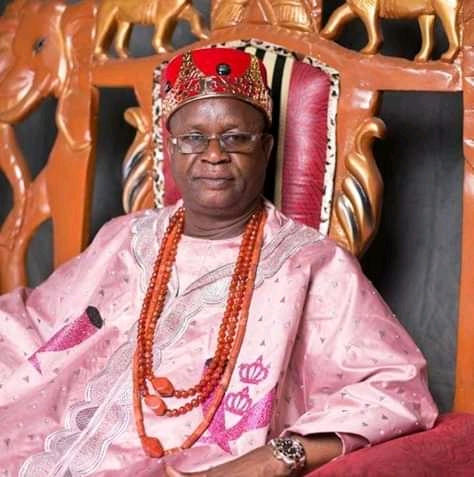
In the southeastern part of Nigeria lies a historic and culturally rich town called Umueri, also known as Umuleri. With an estimated population of over 1.5 million people, Umueri is home to proud, hardworking, and peaceful people who value their traditions, history, and unity.
The written record
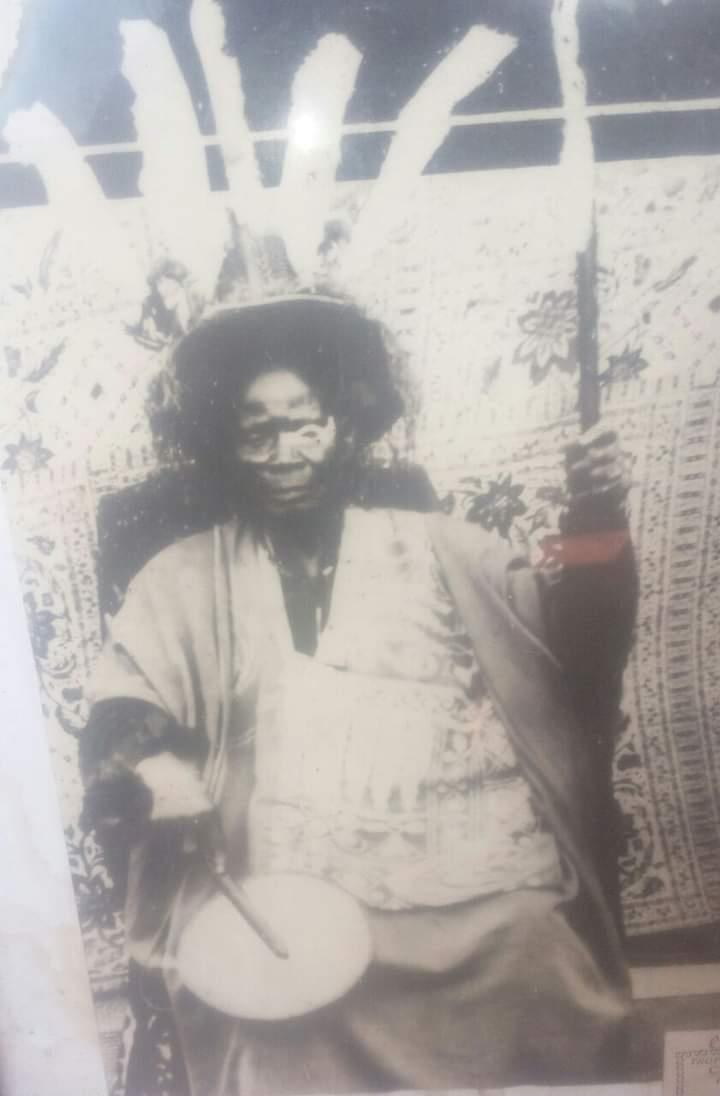
Photo: Akukoeri.wordpress.com
Where Umueri Is Located
Umueri is situated in the Omambala Valley area of Anambra State. Several well-known towns border it:
- North: Anam communities and the Anambra River (Omambala River)
- South: Nteje
- East: Aguleri and Nando
- West: Nsugbe
Because of its position near the Anambra River, the town has fertile soil, supporting farming and fishing, two major sources of livelihood for its people.
The People Of Umueri
According to oral tradition (stories passed down from generation to generation), the people of Umueri trace their ancestry to a great man named Eri. The name “Umueri” literally means “Children of Eri.”
It is said that Eri and his descendants migrated to the Omambala Valley around 940 AD. Because of this deep history, Umueri is often referred to as the heart and origin of Igbo civilisation.
Development and Progress
Although Umueri is an ancient town, it continues to grow and modernise. A major turning point in recent history was the construction of the Anambra International Cargo Airport in 2021.
The airport has brought new business opportunities, created jobs, and opened the town to national and international trade. The people of Umueri view this project as a sign of progress and a way to connect their rich history with a bright future.
Clans and Leadership in Umueri
Traditionally, Umueri is made up of three main clans, each with smaller villages and sub-villages:
- Ezi Umueri – includes Nneyi Village and others
- Ikenga Umueri – includes Ugume, Umudiana, and Umunchezi
- Ivite Umueri – includes Umuatuolu, Ogbu, and Mgbede
In the past, Umueri practised a republican system of government, where decisions were made collectively by elders and leaders rather than a single ruler. Later, influence from the Bini Kingdom introduced a monarchical system, centralising leadership under a king (Eze).
Today, the community is guided by both traditional and modern leadership structures:
- Igwe-in-Council: The king and his cabinet
- Council of Elders (Ndichie): Elderly men who preserve customs and advise the king
- Umuotu: A respected age group that enforces community rules
- Town Union (Umueri General Assembly): The civic group representing all members of the community
- Policing and Sanitation Age Grades: Groups responsible for maintaining peace, law, and cleanliness
Prominent leaders include HRM Igwe Sir Ben Izuchukwu Emeka (Igwe Umueri Okebo II) and Ambassador John Metchie, who serve as symbols of unity and development in the community.
Religion and Belief System
Before the arrival of European missionaries, the people of Umueri practised traditional African religion, worshipping deities and ancestral spirits who were believed to protect the land and its people.
With the spread of Christianity in the early 1900s, many people converted. Today, about half of Umueri’s population is Christian, primarily Catholics and Anglicans.
One of the oldest churches in the town is St. Immanuel Anglican Church, established in 1904, which continues to serve as a major place of worship and a site of historical significance.
Festivals and Cultural Celebrations
Culture is at the heart of Umueri life. Two major festivals are celebrated annually:
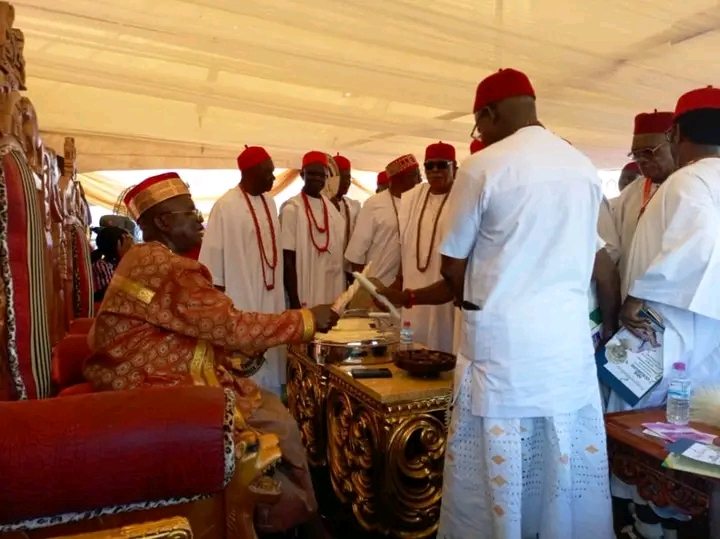
- The Ofala Festival – A royal festival performed by the king (Igwe). It is a time for thanksgiving, celebration, and renewal of strength.
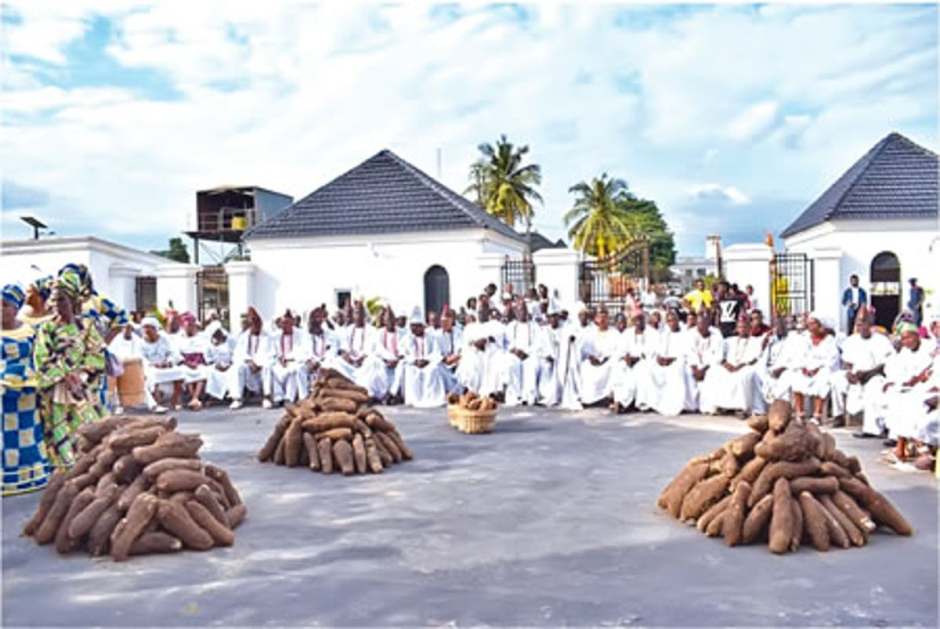
- The New Yam Festival (Iri Ji) – This festival marks the beginning of the harvest season. It is led by community leaders such as the Onowu, Ajie, and Igwe and celebrates hard work, gratitude, and the blessings of the land.
During these festivals, the town comes alive with music, dance, colourful attire, and traditional performances, showcasing the beauty of Igbo heritage.
Historical context
Why Umueri Matters
Umueri is more than just a town; it is a living symbol of Igbo history and identity. It represents the roots of a people who have preserved their traditions, values, and unity despite modern challenges.
From being the first Igbo settlement in the Omambala Valley to hosting the Anambra International Cargo Airport, Umueri stands as a bridge between the past and the future, where tradition meets progress.
Sources and references
- “Hope Arises for Anambra Cargo Airport.” THISDAYLIVE
- “Anglican Communion | History, Beliefs & Structure.” Britannica
- HRM Igwe Sir Ben Izuchukwu Emeka – Igwe Umueri Okebo II
- Ambassador John Metchie – ASATU Prime Minister
- Isichei, Elizabeth. A History of the Igbo People (London: MacMillan, 1976)
Cite this article
Discussion
Sign in to join the discussion
Comments are checked by an editor before they appear. Leave a source or a correction and it is read first.
Continue reading
Related histories
 Cultural HeritageEleven Days of Nwafor Ogidi: Inside the Festival Keeping an Old Igbo Tradition AliveRead history →
 Cultural HeritageIli Ji Nkpor Obododike: The Indigenous Agricultural Ritual CycleRead history →
 Cultural HeritageMusic and Drum Traditions: Tracing the “Igbo Drum” in the AmericasRead history →
No comments yet
Nothing has been approved on this record yet. Comments are checked by an editor before they appear, so one written now shows on this page after that check.