 Ozikoro
 Cultural Heritage · Published history
Ụmụnna: The Heart of Igbo Kinship and Community
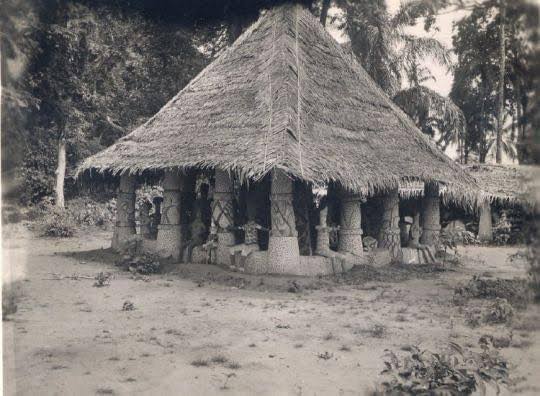
Nwanne di na mba, ọ bụghị onye ọzọ.(A kinsman is not a stranger). Blood ties and shared lineage define belonging more than distance or status.
The written record
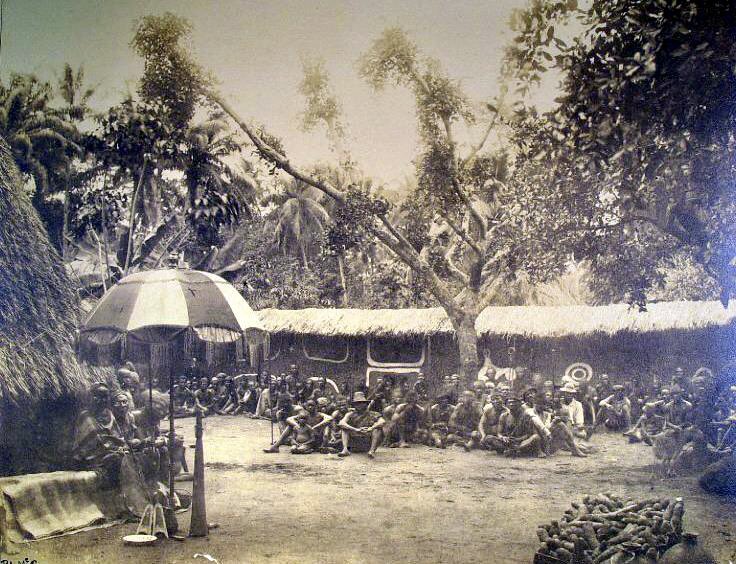
Among the Igbo, Ụmụnna represents one of the most sacred and enduring social institutions, a bond that transcends individuals and unites generations. The term literally means “children of one father” or “kinsmen”, but its meaning extends far beyond biological descent.
Historically, Ụmụnna formed the smallest political and social unit in Igbo communities, regulating land ownership, marriage, justice, and ritual purity. To understand the Igbo worldview, one must first grasp how the Ụmụnna functioned as the living heart of society.
Historical context
Origins and Meaning of Ụmụnna
The concept of Ụmụnna traces back to the earliest settlement patterns of the Igbo people.
A founding ancestor, known as nna ukwu (great father), established a homestead. His descendants formed lineages branching into families (ezi na ụlọ). Collectively, these lineages constituted the Ụmụnna, literally “children of the father.”
The Ụmụnna was thus both a genealogical and territorial unit. Each member was tied by blood, ancestral worship, and collective responsibility. They shared shrines, burial grounds, and ritual duties, strengthening their unity across generations.
The Ụmụnna concept embodied what modern anthropologists call corporate kinship identity, an unbroken social chain linking the living to their ancestors and descendants.
Structure and Function of the Ụmụnna
Each Ụmụnna operated like a small republic within the larger village. Leadership rested in the hands of the eldest man, the Okpara Ụmụnna. Who held the ọfọ, the sacred symbol of truth and ancestral justice.
Key responsibilities included:
- Dispute Resolution: Family conflicts, inheritance issues, and marriage disagreements were settled before the Okpara Ụmụnna.
- Land Administration: The Ụmụnna allocated farmland and ensured boundaries were respected.
- Moral Oversight: The group upheld taboos (nso Ala) and punished offenders.
- Burial and Ritual Duties: Members buried their dead and performed funeral rites collectively.
Through these roles, Ụmụnna maintained peace, justice, and order without external law enforcement.
Ọ bụ ọnụ ọnụ ka e ji ama na mmadụ dị ndụ(It is through conversation that we know someone is alive). Community thrives through dialogue and participation.
This proverb reflects how decision-making in Ụmụnna was participatory, every adult male had a voice, and consensus was the rule. The system cultivated diplomacy, patience, and accountability, long before formal democracy arrived.
Religious and Ancestral Significance
The Ụmụnna was not only social, it was spiritual.
Each lineage maintained an ancestral shrine (ọbị Ụmụnna) where libations were poured to honor forebears.
Members invoked their ancestors during oaths, blessings, and disputes. Breaking Ụmụnna unity was seen as an abomination (aru) against the ancestors themselves.
Festivals, marriages, and harvest rites all reinforced kinship obligations. A man’s dignity depended on his loyalty to his Ụmụnna, it was the bedrock of identity.
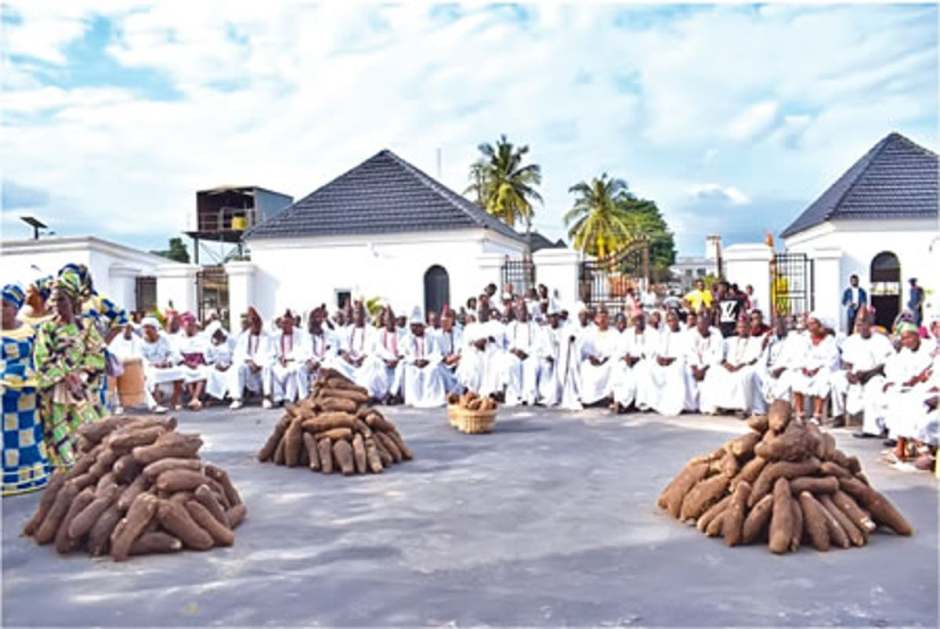
Even today, major Igbo ceremonies like Iri ji (New Yam Festival) or Ịgọchi Ụmụnna (ancestral remembrance) retain echoes of this structure.
The Ụmụnna in Modern Context
Colonialism and urbanization weakened Ụmụnna authority by introducing centralized government, courts, and churches.
Yet, in rural and diaspora Igbo communities, the institution persists. Even abroad, many Igbo organize cultural unions based on Ụmụnna lineage, replicating the ancestral network for mutual support.
In towns and cities, Ụmụnna associations settle disputes, organize funerals, and provide scholarships to younger members, a living testimony that tradition adapts to time without losing essence.
The Symbolism of Ụmụnna in Igbo Identity
To the Igbo, Ụmụnna signifies solidarity, the assurance that no one walks alone. It is the spiritual insurance of belonging(a safety net woven by ancestry and memory).
In Igbo idiom, to say “anyị bụ Ụmụnna” (we are one family) is to declare peace and kinship beyond blood.
Nwanne di na mma ka ego( Kinship is more valuable than money). Relationships outlast material wealth; shared blood is eternal. The Ụmụnna remains the moral and emotional center of Igbo existence, not as nostalgia but as continuity.
Sources and references
- Achebe, C. (1958). Things Fall Apart. London: Heinemann.
- Afigbo, A. E. (1981). Ropes of Sand: Studies in Igbo History and Culture. Ibadan: Oxford University Press.
- Jones, G. I. (1932). Photographs of Eastern Nigeria (1930s Collection). University of Cambridge Archives.
- Thomas, N. W. (1910). Ethnographic Notes on the Igbo. Museum of Archaeology and Anthropology, University of Cambridge.
- IgboGuide.org. (n.d.). Traditional Igbo Proverbs. Retrieved from https://www.igboguide.org
Cite this article
Discussion
Sign in to join the discussion
Comments are checked by an editor before they appear. Leave a source or a correction and it is read first.
Continue reading
Related histories
 Cultural HeritageEleven Days of Nwafor Ogidi: Inside the Festival Keeping an Old Igbo Tradition AliveRead history →
 Cultural HeritageIli Ji Nkpor Obododike: The Indigenous Agricultural Ritual CycleRead history →
 Cultural HeritageMusic and Drum Traditions: Tracing the “Igbo Drum” in the AmericasRead history →
No comments yet
Nothing has been approved on this record yet. Comments are checked by an editor before they appear, so one written now shows on this page after that check.