 Ozikoro
 Cultural Heritage · Published history
Understanding the Ogbuefi / Ogbueshi /Ogbueshu / Ogbuevi and Ogbuehi Title in Igbo Culture
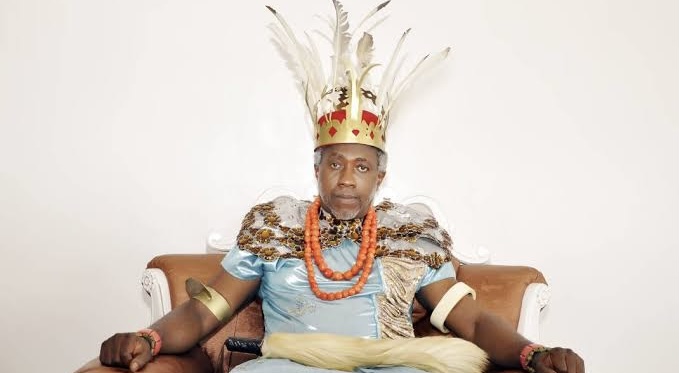
The Ogbuefi title, also known as Ogbueshi, Ogbueshu, Ogbuevi, and Ogbuehi, is among Igbo society’s most prestigious cultural titles. It represents a title signifying honour and achievement and the status one has achieved in one’s life. This title emanates from Igboland customs and is far from being only a symbol of wealth or power; it summarizes the values, history, and religion of the Igbo people.
The written record
The Unique Practice of the Ogbuefi Title in Oguta
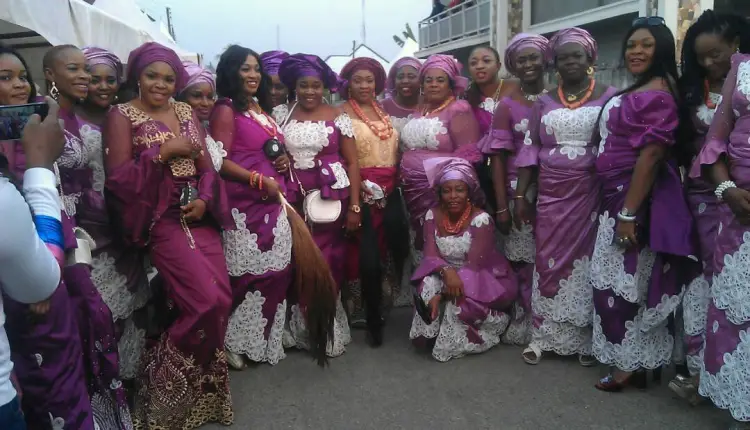
Oguta is a town in Imo State with an interesting cultural background. It is among the few Igbo communities where women are awarded the Ogbuefi title. This is mainly because Oguta’s economy and traditions, which follow the mother’s side of the family, allow women to take on important roles in leadership and business in the community.
Oguta as a Trade and Economic Hub
- Located along the banks of the Oguta Lake and Njaba River, the town became a significant centre for trade, especially in palm oil and fish.
- Women in Oguta were active participants in trade, often achieving economic independence and wealth.
- Their financial and social contributions were recognized through the conferment of the Ogbuefi title, breaking traditional gender norms.
Historical context
Culture and the Role of Mothers.
Unlike most other Igbo communities, Oguta has a more equal attitude towards titles and leadership:
- Recognition of Female Leaders: Women who did well in business or helped their community were given the Ogbuefi title.
- Equality in Titles: This shows that Oguta values achievements over gender, treating men and women equally regarding titles.
Significance of the Ogbuefi Title
The title is highly revered throughout Igbo society due to the following reasons:
1. Symbol of Wealth and Generosity
The Ogbuefi title signifies the individual’s economic success and willingness to share wealth with the community. The central act of killing a cow during the ceremony reflects this generosity.
2. Leadership and Social Responsibility
Ogbuefi titleholders are seen as custodians of tradition and role models in their communities. They often mediate disputes, guide younger generations, and represent the community in important cultural and political matters.
3. Spiritual Connection
The title carries spiritual significance, linking the holder to ancestral blessings. It represents a covenant with the community to uphold its values and traditions.
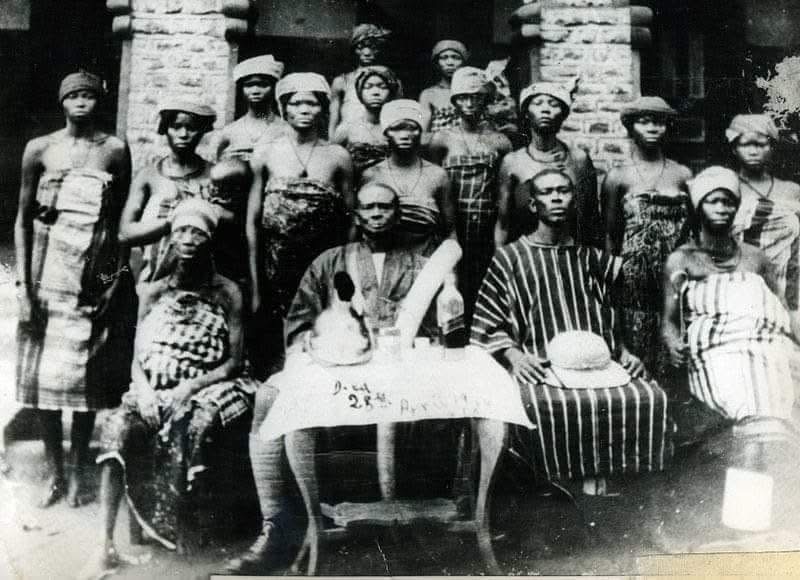
A Historical Perspective of Oguta Women and the Ogbuefi Title
Including women in Oguta as Ogbuefi titleholders is deeply tied to the region’s history and cultural dynamics.
Economic Empowerment
Historically, Oguta women controlled significant portions of the local economy. Their wealth and influence made it logical for the community to honour them with the Ogbuefi title.
Adaptation of Customs
Oguta adapted traditional customs to include women, recognizing their contributions as equal to those of men. This flexibility is a hallmark of Igbo culture’s ability to evolve while preserving its core values.
Ceremony for Women Titleholders
- Women are adorned in traditional regalia, including coral beads and headpieces, symbolizing their elevated status.
- The ceremony often includes elements that celebrate femininity and maternal leadership roles.
- Women titleholders in Oguta are celebrated as symbols of empowerment and progress.
Why Oguta’s Tradition is Unique
Oguta is unique because it involves women in conferring the Ogbuefi title. This tradition indicates:
- Cultural Progressiveness: Oguta’s way of thinking questions the male-dominated rules found in other Igbo communities.
- Empowerment of Women: Acknowledging women’s successes strengthens their positions as leaders and decision-makers.
- Promotion of Equity: By giving women the Ogbuefi title, Oguta creates a cultural example of fairness in leadership.
Cultural Significance of the Ogbuefi Title
This honour is usually bestowed upon elders who have rendered exceptional service, leadership, and wisdom to their community. More especially, this title goes to those who have contributed much toward the welfare and development of their people.
Ogbuefi titles are mostly conferred in elaborate ceremonies showcasing Igbo community values. For example, in Anambra State, 200 elders were recently honoured with traditional titles, including Ogbuefi, to celebrate their lifetime achievements and roles in preserving culture and history.
The title is more than a symbol of individual accomplishment; it reflects a communal acknowledgement of one’s virtues. The person taking the Ogbuefi title is a role model, guiding younger generations and resolving conflicts within the community.
Title-Taking Process
Becoming an Ogbuefi involves a rigorous process soaked in tradition and cultural rites. Title-taking in Igboland requires the aspirant to meet certain criteria, including financial capability, moral uprightness, and a proven track record of community service. The process normally begins with the person announcing his intention and further discussing with the community leaders and traditional priests.
One important part of the title-taking ceremony is killing a cow. This shows that the person is ready to take on their responsibilities. This ritual act, from which the title “Ogbuefi” derives its name, translates to “one who kills the cow,” signifying abundance, generosity, and a commitment to the community.
Spiritual and Social Implications
The Ogbuefi title also carries spiritual connotations. They believe the titleholder has a stronger link with their ancestors and is a bridge between the living and the spiritual world. The titleholder is often viewed as a keeper of traditional knowledge and rituals, ensuring that cultural practices are kept alive and shared with others.
The title elevates a person’s place in society. Ogbuefi title holders often serve important functions in local governance, conflict resolution, and decision-making. The people highly value their opinions and are regarded as pillars of wisdom and stability.
Importance of the Ogbuefi Title Today
In today’s Igboland, the Ogbuefi title is still relevant, though its meaning has changed to fit modern life. Many communities now confer this title on individuals who excel in various fields, such as business, education, and public service. Combining modern values with traditional practices has kept the Ogbuefi title relevant in our rapidly changing world.
For instance, communities in the Diaspora have embraced the tradition, which helps Igbo people in the Diaspora maintain their culture. The title serves as a symbol of unifying the Igbo people at home with those abroad.
The Ogbuefi (also called Ogbueshi or Ogbuehi) title is an important part of Igbo culture. It stands for leadership, helping the community, and spiritual connection. It shows the lasting values of the Igbo people, mixing old traditions with modern life. Even as the Igbo adjust their practices to fit today’s world, the Ogbuefi title remains a strong symbol of respect and service to society.
Sources and references
- Umuigbo. (n.d.). Title-taking in Igboland: Igbo culture .
- Names.org. (n.d.). What does the name Ogbuefi mean ? .
- Gazette Nigeria. (2023). Anambra community to honour 200 octogenarians with traditional titles.
- African Journals Online (ACJOL). (n.d.). Gender and traditional titles in Igbo culture .
Cite this article
Idenze Ezeme. “Understanding the Ogbuefi / Ogbueshi /Ogbueshu / Ogbuevi and Ogbuehi Title in Igbo Culture.” Ozikoro, 2025. https://ozikoro.com/understanding-the-ogbuefi-title-in-igbo-culture/Discussion
Sign in to join the discussion
Comments are checked by an editor before they appear. Leave a source or a correction and it is read first.
Continue reading
Related histories
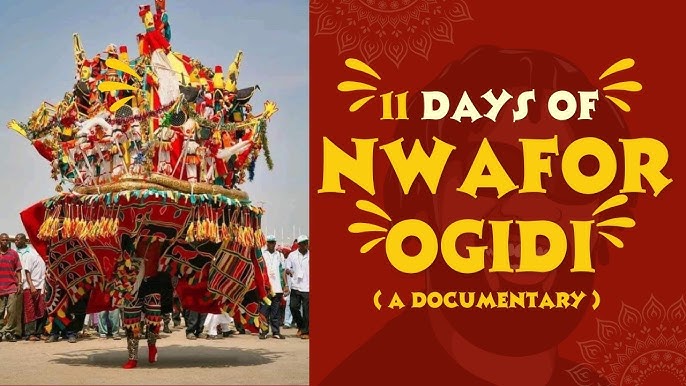 Cultural HeritageEleven Days of Nwafor Ogidi: Inside the Festival Keeping an Old Igbo Tradition AliveRead history →
 Cultural HeritageIli Ji Nkpor Obododike: The Indigenous Agricultural Ritual CycleRead history →
 Cultural HeritageMusic and Drum Traditions: Tracing the “Igbo Drum” in the AmericasRead history →
No comments yet
Nothing has been approved on this record yet. Comments are checked by an editor before they appear, so one written now shows on this page after that check.