 Ozikoro
Biography · Published history
Walter Ofonagoro: The Voice of Alaigbo in Nigeria’s Public Sphere
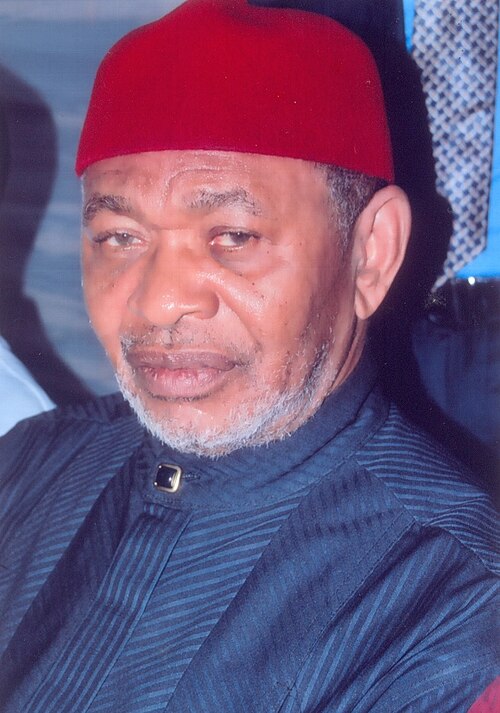
When Nigeria’s airwaves were filled with competing voices and the nation searched for balance after years of political turbulence, one voice stood out, articulate, unyielding, and deeply rooted in the values of Alaigbo.
That voice was Sir Dr Walter Ibekwe Ofonagoro, historian, journalist, statesman, and cultural advocate. Through academia, broadcasting, and public service, he championed not only the Nigerian story but the dignity and visibility of the Igbo within it.
The written record
An old Igbo proverb says, “Okwu bụ ndụ mmadụ.”
(A person’s life is their word). Indeed, Ofonagoro’s life was one long and resonant word, spoken in defence of truth, culture, and justice.
Historical context
Roots and Rise
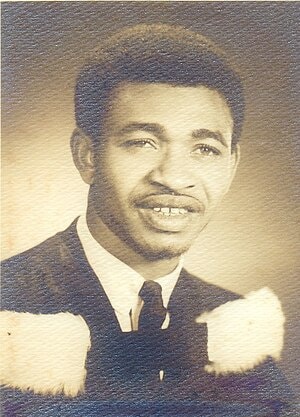
Born in 1939 in Imo State, Walter Ibekwe Ofonagoro’s journey began from the humble roots of a postcolonial Igbo household that valued learning and faith. He pursued his education with unmatched zeal, earning his Bachelor’s, Master’s, and Doctorate degrees in History from Columbia University, New York, where his intellect and discipline quickly stood out.
In America, Ofonagoro absorbed lessons not just from books but from the world itself. He understood the power of narrative; how nations, like individuals, rise or fall on the stories they tell about themselves.
When he returned to Nigeria, he came not merely as an academic but as a storyteller determined to ensure that Alaigbo’s voice was not lost in the din of national politics.
“A na-ama ama onye maara ihe n’ihu ụmụnna ya.” (The wise are known among their kinsmen). By the time Ofonagoro returned home, his wisdom had already begun to echo beyond his lineage.
From Ivory Tower to the Airwaves
Ofonagoro’s first domain was the classroom. He lectured at the University of Lagos and later at Columbia University. His teaching combined historical rigour with cultural insight, exploring how colonial narratives had distorted African histories.
Yet, he was not content to remain in the ivory tower. He wanted history to breathe, to reach the people where they lived and listened.
Thus began his foray into broadcasting. As the Director-General of the Nigerian Television Authority (NTA) and later as Minister of Information and Culture, Ofonagoro became one of Nigeria’s most recognisable public intellectuals. His deep baritone and eloquence carried authority and reassurance, especially in the uncertain years following the Civil War.
He believed the media was not just a platform but a public classroom, a space for national education, moral reflection, and unity. “Ọ bụ okwu ka e ji ama onye nwere amamihe.” (It is by one’s speech that wisdom is known). Through the media, he turned scholarship into a civic duty.
The Voice of Alaigbo
Despite his national prominence, Ofonagoro never hid his roots. He was proudly Igbo and carried that identity with grace, not grievance.
Through interviews, policy, and public lectures, he consistently urged Nigeria to embrace equity, inclusivity, and federal fairness, values that resonated deeply with the Igbo philosophical ideal of “Igwe bu ike” (unity is strength).
He often drew from Igbo traditions of dialogue and communal truth-telling. To him, leadership was not domination but representation, the art of voicing one’s people with integrity and intelligence.
In speeches, he emphasised that the Igbo, known for resilience and enterprise, were not seeking dominance but justice, a seat at the table where Nigeria’s destiny was discussed. His voice, measured and persuasive, brought Alaigbo’s concerns into the national conversation without bitterness.
“Ọtụtụ mmadụ na-eri nri ọnụ, mana ọ bụghị onye ọ bụla na-esi nri ọnụ.” (Many eat together, but not all cook together). To Ofonagoro, real unity meant shared responsibility, not shared silence.
Public Service and Principles
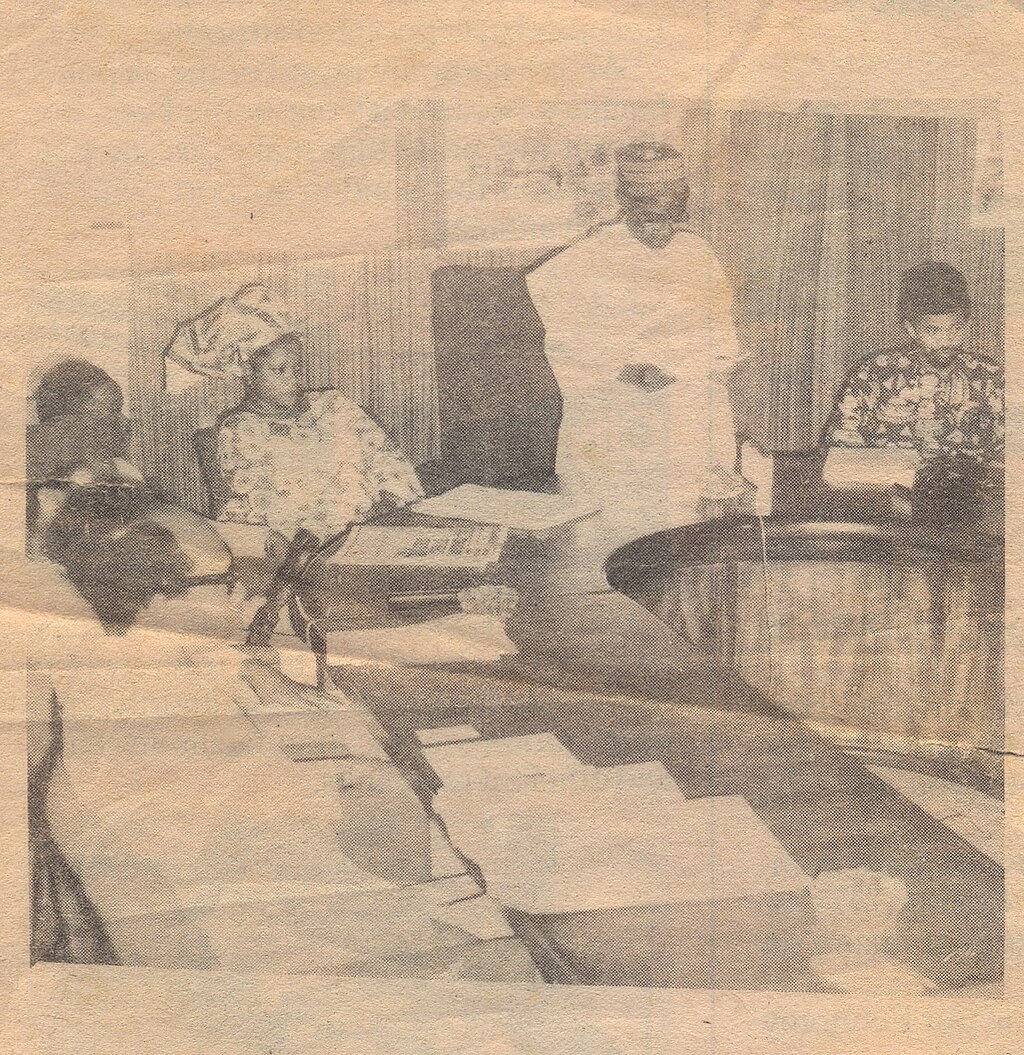
As Minister of Information and Culture (1995–1998) under General Sani Abacha, Ofonagoro navigated one of Nigeria’s most politically sensitive periods.
While others saw only propaganda, he saw an opportunity to reshape national narratives and protect cultural identity. He championed heritage promotion, supported local content, and pushed for Nigerian voices to tell Nigerian stories.
Beyond politics, Ofonagoro served on boards, commissions, and international committees, always representing Nigeria with eloquence. He was knighted and decorated for his intellectual and public contributions. Yet, those who knew him personally often described him not as a politician, but as a teacher, forever explaining, analysing, and illuminating. “Mmụọ onye na-ahụ eziokwu anaghị akwụsị ịgba egwu.” (The spirit of one who seeks truth never stops dancing).
Legacy and Reflection
Today, Sir Dr Walter Ofonagoro is remembered as more than a man of titles; he is remembered as a voice. A voice that bridged the old and new Nigeria, the academy and the airwaves, the intellectual and the everyday citizen. He proved that knowledge, when spoken clearly and truthfully, could move nations.
His life stands as a reminder that the Igbo intellectual tradition is not confined to textbooks or folklore; it lives in those who use words to shape justice and unity. In an age where noise often replaces wisdom, Ofonagoro’s calm conviction reminds us that clarity is power.
“E jiri okwu maa mmadụ, e jiri okwu gbuo ya.” (Words can crown a man, and words can destroy him.) But Walter Ofonagoro used words to build, and in that, he remains immortal.
Sources and references
- Blerf. (n.d.). Ofonagoro, Sir Dr Walter Ibekwe. Biographical Legacy and Research Foundation.
- Encyclopedia of Nigerian History. (n.d.). Ofonagoro, Walter Ibekwe. LitCaf.
- Wikipedia. (n.d.). Walter Ofonagoro.
Cite this article
Discussion
Sign in to join the discussion
Comments are checked by an editor before they appear. Leave a source or a correction and it is read first.
Continue reading
No comments yet
Nothing has been approved on this record yet. Comments are checked by an editor before they appear, so one written now shows on this page after that check.