 Ozikoro
Cultural Heritage · Published history
Women and Ofo in Igbo Tradition: Bridging Spiritual Authority
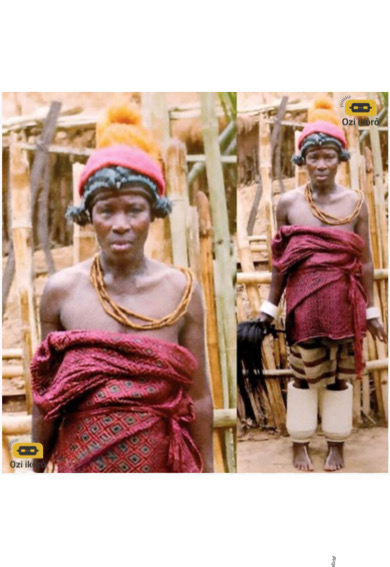
In Igbo tradition, the Ofo is a sacred symbol representing a connection to ancestors and the spiritual world. It signifies authority, justice, and morality. Traditionally, the Ofo is primarily associated with men, particularly lineage heads and elders. These men wield it in rituals, symbolizing their role as spiritual leaders. Some Ofo symbols, like the Ofo-Ataka in Nnewi, are so sacred that women cannot handle or even see them.
The written record
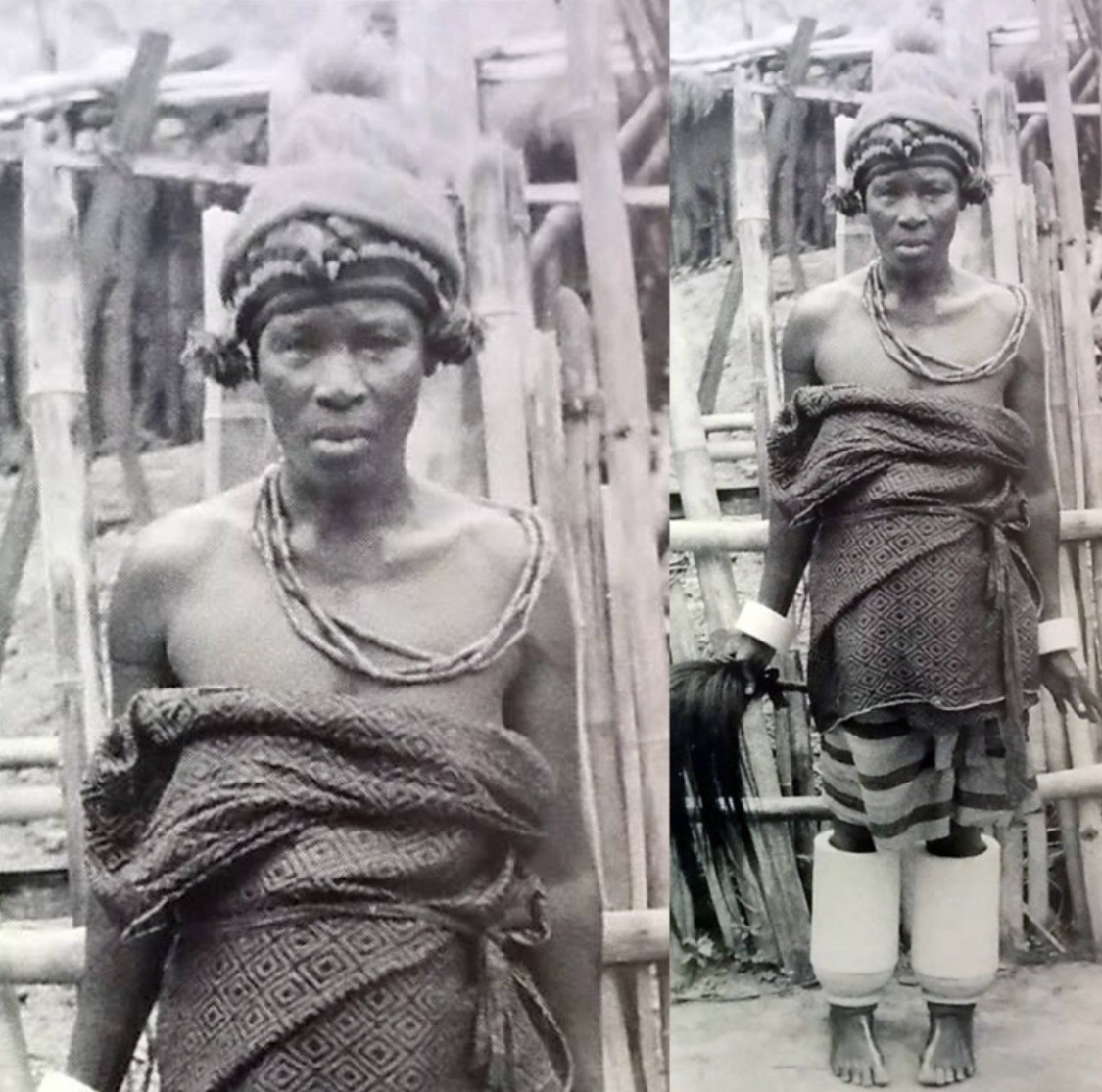
The Nsukka woman, adorned in traditional attire, holds a sacred Ofo twig in her right hand, its black hue symbolizing spiritual authority and ancestral connection.
Historical context
However, the role of women in the Igbo spiritual realm is more nuanced. Women who serve as ritual experts, such as diviners and native doctors use smaller versions of the Ofo, known as Ofo-Nkiti. Married women, especially elder women from groups like the Umu-Ada or Umu-Okpu, Otu-Odu also keep Ofo twigs for specific purposes, including dispute resolution and ceremonies. Some women keep their Ofo at their personal Chi shrine or carry it with them. This practice highlights women’s significant spiritual and societal roles within Igbo culture.
Sources and references
- Ejizu, C. I. (1986). Ofo: Igbo Ritual Symbol.
Cite this article
Discussion
Sign in to join the discussion
Comments are checked by an editor before they appear. Leave a source or a correction and it is read first.
Continue reading
Related histories
 Cultural HeritageEleven Days of Nwafor Ogidi: Inside the Festival Keeping an Old Igbo Tradition AliveRead history →
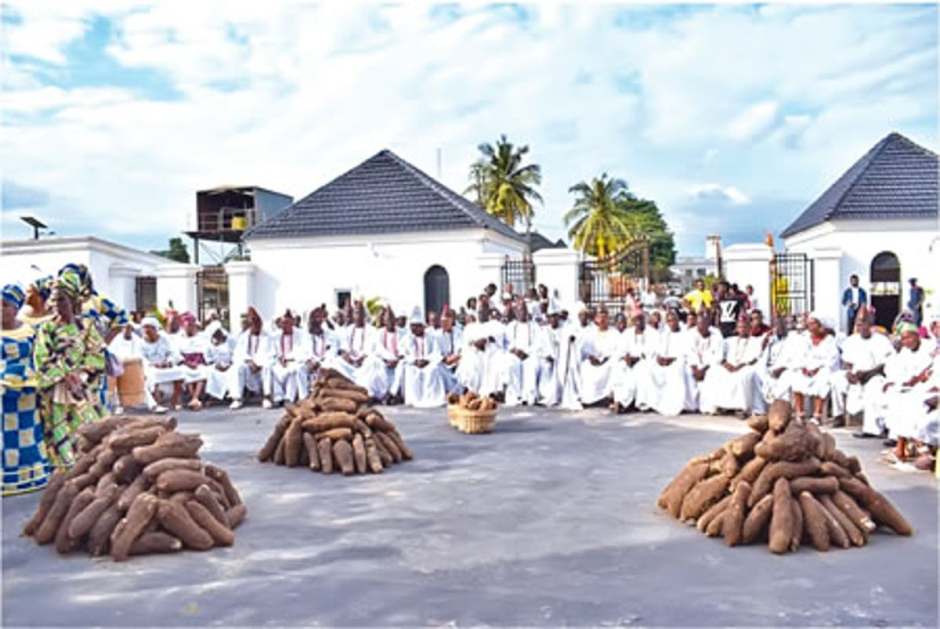 Cultural HeritageIli Ji Nkpor Obododike: The Indigenous Agricultural Ritual CycleRead history →
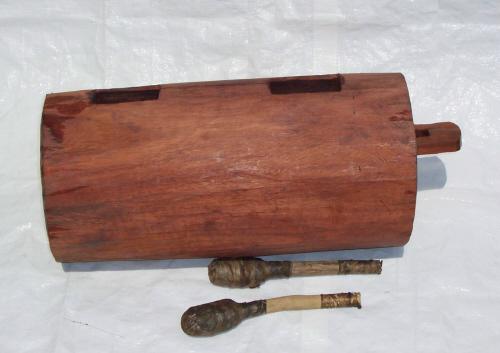 Cultural HeritageMusic and Drum Traditions: Tracing the “Igbo Drum” in the AmericasRead history →
No comments yet
Nothing has been approved on this record yet. Comments are checked by an editor before they appear, so one written now shows on this page after that check.