 Ozikoro
 Cultural Heritage · Published history
Women’s Title-Taking: The Iyom Title in Igbo Culture
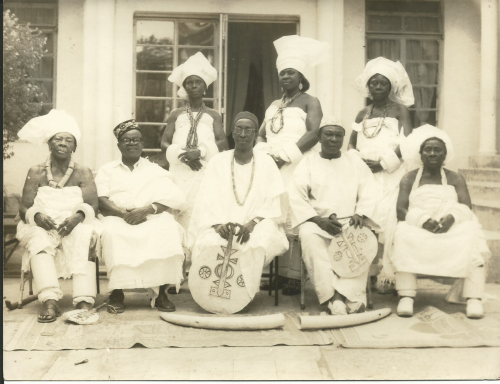
The Iyom title is one of the most prestigious honours bestowed upon women in traditional Igbo society. It is a title of distinction, symbolising integrity, social influence, and community leadership. The Iyom stands as the female equivalent of the male Ozo title — both representing honour, dignity, and guardianship of cultural values.
The written record
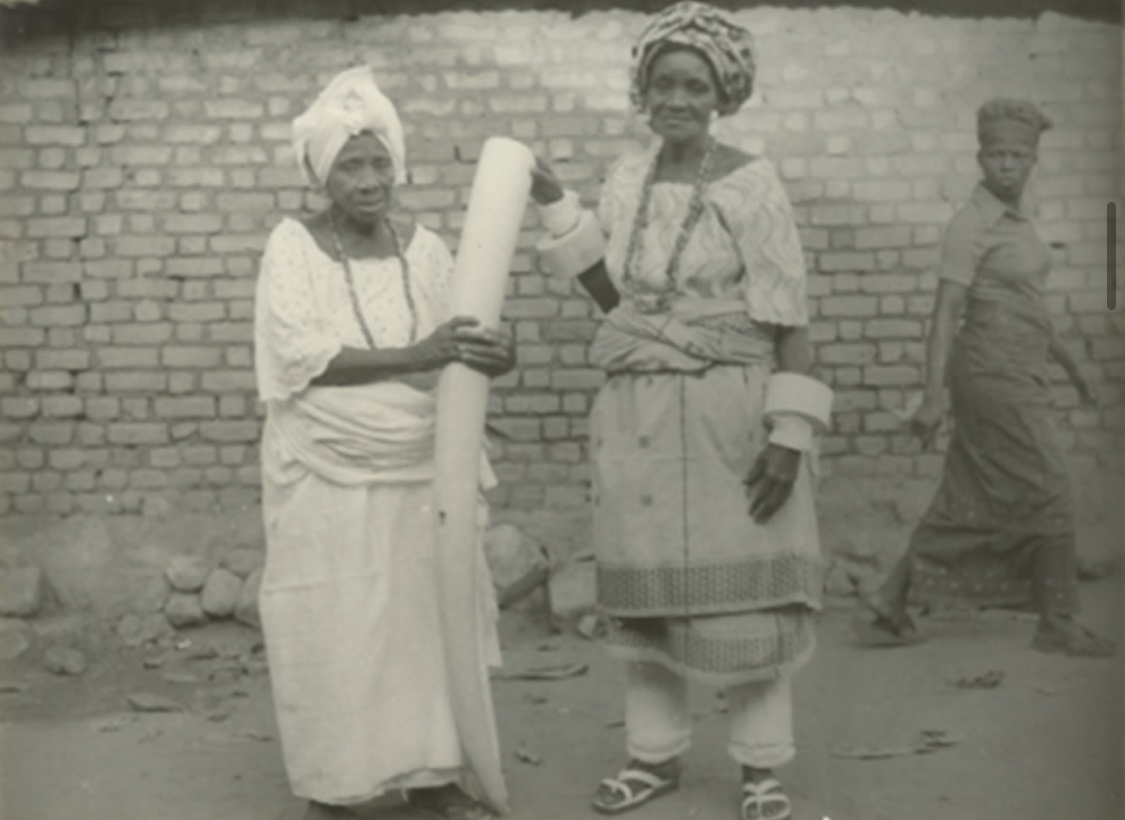
Unlike the Otu Odu, which refers specifically to a women’s society in Onicha (Onitsha), the Iyom title is broader and found in several Igbo communities such as Enugwu-Ukwu, Agukwu-Nri, Nawfia, Enugwu-Agidi, Abagana, and Nsukka. While members of Otu Odu are women of the Onicha aristocracy, women from other parts of Igboland who take the Iyom title hold a parallel but distinct status, rooted in their own local traditions.
Historical context
Meaning and Symbolism of the Iyom Title
The term “Iyom” translates roughly to “pillar” or “matriarch”, denoting a woman of exceptional character, influence, and maternal strength. It embodies womanhood in its highest moral and social form, one who nurtures, protects, and leads with wisdom.
The Iyom represents the custodian of social balance, moral order, and ancestral values. Titleholders are regarded as advisers to rulers and mediators in community disputes. They also play significant roles in cultural and religious ceremonies, symbolising peace, fertility, and unity.
Historical Background
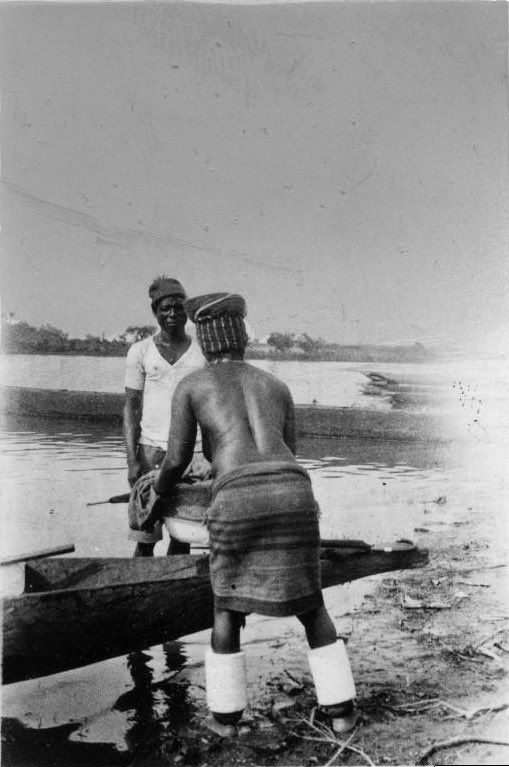
In traditional Igbo society, title-taking was an important aspect of identity, status, and civic duty. Titles were earned through personal achievement, wealth, or service to the community. For women, becoming an Iyom was an acknowledgement of their economic success, wisdom, and contributions to communal development.
Historically, the title was reserved for married women of means, traders, landowners, or those who had distinguished themselves in leadership or philanthropy. Over time, younger women of outstanding achievement have also been honoured, reflecting modern Igbo society’s evolving recognition of merit over age.
Symbols and Regalia
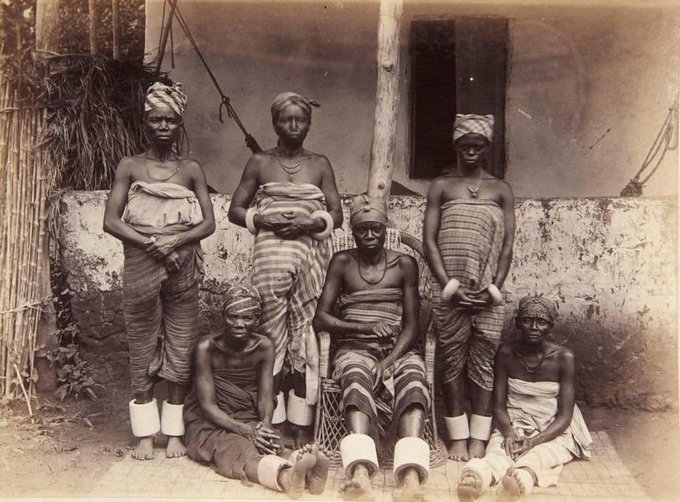
Iyom titleholders are easily identified by their ivory adornments (odu) — anklets, bracelets, or bangles — signifying wealth, purity, and authority. Ivory, associated with the elephant, symbolises strength and grace. Their ceremonial dress is typically white, representing purity, peace, and honour. They wear elaborate headgear, coral beads, and sometimes carry a cow tail as a symbol of dignity and status during processions.
The Iyom Ceremony
The investiture ceremony of an Iyom is an elaborate cultural event marked by song, dance, and ritual. It is usually presided over by the traditional ruler or senior titleholders. Before admission, the candidate undergoes moral and social scrutiny to ensure she embodies the ideals of the title — honesty, charity, and respectability. Her husband and kinsmen must also give consent, as the title elevates her status within and beyond her lineage.
During the public presentation, the new Iyom is paraded in ceremonial attire while elders bless her with prayers for longevity, prosperity, and peace. Traditional musicians accompany the procession with flute and drum music, as she is formally introduced to the community. Communities such as Enugwu-Ukwu and Nri hold particularly grand versions of this ceremony, reflecting their historical reverence for title institutions.
Responsibilities of an Iyom
After taking the title, the Iyom assumes both moral and civic responsibilities. These include:
- Promoting women’s welfare and social empowerment.
- Mediating family or community disputes.
- Supporting local development and philanthropic initiatives.
- Preserving traditional customs and participating in ritual observances.
- Representing the dignity and values of womanhood in public life.
The Iyom thus embodies both cultural continuity and social progress, maintaining harmony between the traditional and the modern.
The Iyom in Modern Context
In contemporary times, the Iyom title continues to hold prestige. Modern titleholders are often professionals, entrepreneurs, and public figures who balance their traditional roles with modern leadership. The conferment of the Odeluwa (The One Who Writes for the World) title on Chimamanda Ngozi Adichie in Abba is a reminder that Igbo title traditions remain dynamic — embracing excellence, not just seniority.
Today, many Iyom use their status to advocate for education, women’s rights, and cultural preservation. Their influence extends beyond ceremony into active participation in Nigeria’s civic and intellectual life. The Iyom title remains one of the most respected honours in Igbo civilisation. It is more than a social status; it is a covenant of responsibility — a call to uphold virtue, service, and cultural integrity. As Igbo society evolves, the Iyom continues to stand as a timeless symbol of the strength, wisdom, and dignity of womanhood.

Sources and references
- Refined NG. (n.d.). Iyom title (Otu Odu) in Igbo culture.
- The Guardian Nigeria. (n.d.). Otu Odu in Igbo culture.
- ABS Radio TV. (2023, December 28). Otu Odu Iyom Abba holds maiden Igba Odu ceremony.
- Nzekwu, O. (1961). Wand of Noble Wood. London: Heinemann.
- Uchendu, V. C. (1965). The Igbo of Southeast Nigeria. New York: Holt, Rinehart & Winston.
- Basden, G. T. (1921). Among the Ibos of Nigeria. London: J. B. Lippincott.
- Afigbo, A. E. (1981). Ropes of Sand: Studies in Igbo History and Culture. Oxford University Press.
Cite this article
Idenze Ezeme. “Women’s Title-Taking: The Iyom Title in Igbo Culture.” Ozikoro, 2025. https://ozikoro.com/womens-title-taking-the-iyom-title-in-igbo-culture/Discussion
Sign in to join the discussion
Comments are checked by an editor before they appear. Leave a source or a correction and it is read first.
Continue reading
Related histories
 Cultural HeritageEleven Days of Nwafor Ogidi: Inside the Festival Keeping an Old Igbo Tradition AliveRead history →
 Cultural HeritageIli Ji Nkpor Obododike: The Indigenous Agricultural Ritual CycleRead history →
 Cultural HeritageMusic and Drum Traditions: Tracing the “Igbo Drum” in the AmericasRead history →
No comments yet
Nothing has been approved on this record yet. Comments are checked by an editor before they appear, so one written now shows on this page after that check.