 Ozikoro
Cultural Heritage · Published history
Worshiping the Water Spirits: Owu and the Cosmology of the Ijaw
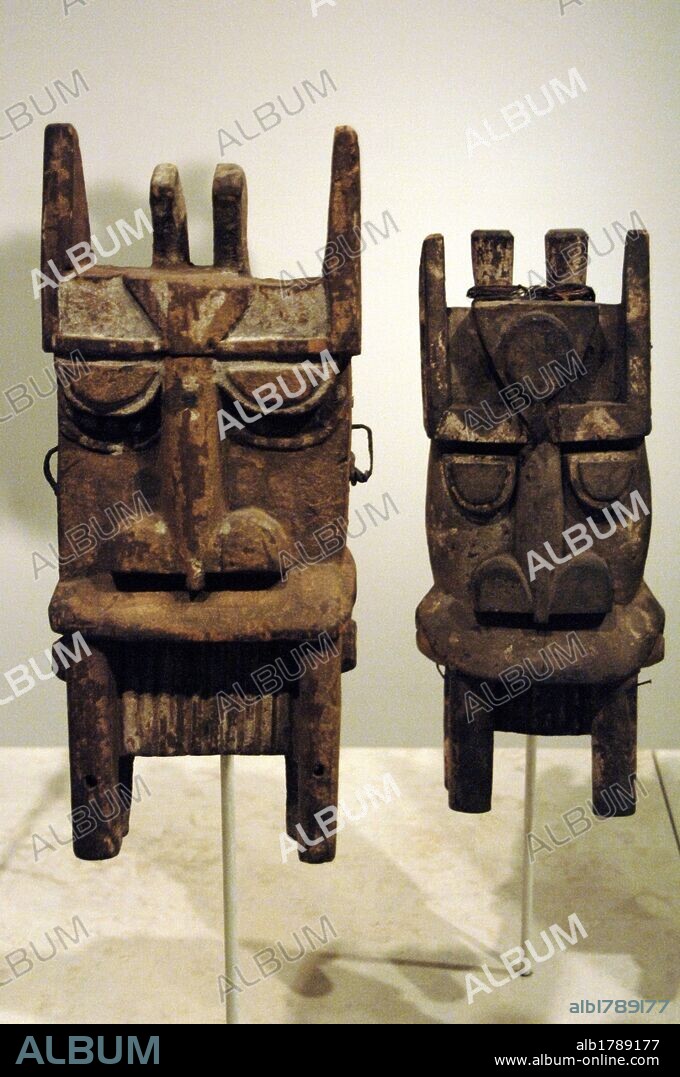
The Ijaw people of the Niger Delta possess one of West Africa’s richest and most enduring cosmological traditions. Central to this worldview is the reverence for water spirits, collectively known as “Owu,” who are believed to inhabit rivers, creeks, and the vast waterways that define the Delta environment. For the Ijaw, water is more than a natural element, it is a sacred realm where powerful beings govern destiny, protection, creativity, and social order.
The written record
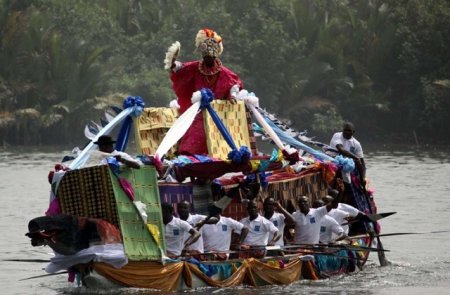
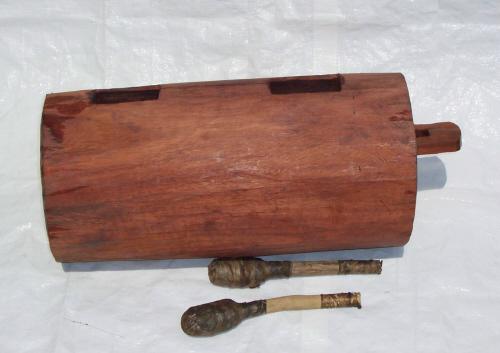
Photo credit; wellsbringhope.org
Historical context
Ijaw Cosmology and the Centrality of Water
Ijaw cosmology is deeply shaped by the riverine environment in which the people live. Historically, Ijaw settlements developed along creeks and islands, making waterways the foundation of their livelihood and identity. Because water sustains both economic survival and spiritual meaning, it naturally holds elevated cosmological importance.
Within this worldview, the universe is divided into two major realms: the world of humans (“bele”) and the world beneath the waters (“toru abali”), which is home to Owu. These spirits are believed to influence fertility, prosperity, health, artistic ability, and the general well-being of communities. Thus, Ijaw belief does not separate the physical from the spiritual; instead, the natural landscape is imbued with divine presence.
Owu: Nature of the Water Spirits
The term “Owu” refers broadly to water deities and supernatural beings who dwell in oceans, rivers, mangroves, and underwater palaces often described as shimmering cities. Unlike a single unified deity, Owu represents a large category of spirits with distinct personalities and functions. Some are benevolent providers who grant wealth or protection, while others can be temperamental, requiring appeasement to avoid misfortune.
Many Owu are associated with beauty, mystique, and artistic refinement. They are often depicted as beings dressed in shimmering fabrics, sometimes possessing human features combined with aquatic symbolism. Owu are also believed to have the ability to “marry” human beings, granting spiritual gifts or wealth in exchange for loyalty and ritual observance. The relationship between humans and water spirits is therefore dynamic, intimate, and deeply woven into the fabric of Ijaw cultural life.
Rituals of Worship and Devotion
The worship of Owu involves a range of rituals, ceremonies, and personal obligations. These practices vary among Ijaw subgroups but retain core elements that express reverence and reciprocity.
1. Sacred Shrines and Household Altars
Many families maintain shrines dedicated to personal or ancestral water spirits. These shrines often contain items such as clay pots, white cloth, mirrors, and offerings of fish or palm wine. The color white is particularly significant as it symbolizes purity and the ethereal nature of Owu.
2. Offerings and Sacrifices
Offerings are made to seek protection, success in fishing, fertility, safe travels, or healing. Ritual specialists known as “bari-owei” or water priests serve as intermediaries between humans and the spirit realm. They communicate the desires of the spirits and interpret signs that guide community behavior.
3. Festivals and Public Ceremonies
Communal celebrations honoring the water spirits remain essential cultural events. Such festivals typically involve masquerade displays, drumming, dancing, and performances that reenact myths of the water world. During these ceremonies, masquerades emerge as embodiments of Owu, blessing the community or warning against moral transgressions.
4. Ritual Initiation and Spirit Marriage
Certain individuals, especially those believed to possess spiritual sensitivity, may undergo initiation into Owu worship. This may include vows of behavioral purity, dietary restrictions, and symbolic “marriage” to the spirit, which grants supernatural gifts such as healing or divination abilities.
Moral Order and Social Regulation Through Owu
Beyond their spiritual significance, Owu plays an important social role in shaping morality and communal discipline. Belief in water spirits reinforces ethical behavior, dishonesty, disrespect for elders, adultery, and violations of sacred environmental spaces are seen as offenses that can invite spiritual consequences. In this way, Ijaw cosmology links moral wrongdoing to ecological imbalance and communal suffering.
The fear of Owu retaliation, combined with the respect accorded to their benevolence, has historically helped maintain social order, environmental conservation, and harmony within communities.
Owu Worship in a Changing World
Modernization, Christianity, urbanization, and the impact of oil exploration have altered many aspects of Ijaw spiritual practice. Pollution and environmental degradation threaten not only the physical waterways but also the cosmology rooted in them. As sacred rivers shrink and fish populations disappear due to industrial activities, the spiritual authority of water deities faces new challenges.
Yet, the worship of Owu has not disappeared. Instead, it has adapted. Some communities now blend Christian practices with traditional rituals, while others preserve Owu worship as a form of cultural identity and resistance to external pressures. The resurgence of interest in indigenous spirituality among younger generations suggests that the cosmology of the water spirits continues to evolve.
Owu worship remains a powerful expression of Ijaw identity and heritage. It serves as a medium for understanding human relationships with nature, maintaining social cohesion, and preserving collective memory. Moreover, the reverence for water spirits offers ecological lessons that are increasingly relevant in an era of climate crisis. The idea that waterways are sacred spaces deserving of respect provides a framework for environmental stewardship rooted in indigenous knowledge.
The worship of Owu occupies a central place in Ijaw cosmology, shaping religious practices, cultural expressions, moral norms, and social structures. Through rituals, festivals, and personal devotion, the Ijaw people maintain a dynamic relationship with the spirit world beneath the waters. Even as modern forces transform the Niger Delta, the reverence for Owu persists, symbolizing resilience, identity, and the enduring influence of indigenous belief systems. Ultimately, the cosmology of the water spirits reflects a profound worldview in which nature is alive, sacred, and inseparable from the human experience.
Sources and references
- Alagoa, E. J. (2009). A history of the Niger Delta: An historical interpretation of Ijo oral tradition. Port Harcourt: Onyoma Research Publications.
- Horton, R. (1965). “African traditional religion and belief systems.” Journal of the International African Institute, 35(4), 221–243.
Cite this article
Discussion
Sign in to join the discussion
Comments are checked by an editor before they appear. Leave a source or a correction and it is read first.
Continue reading
Related histories
 Cultural HeritageEleven Days of Nwafor Ogidi: Inside the Festival Keeping an Old Igbo Tradition AliveRead history →
 Cultural HeritageIli Ji Nkpor Obododike: The Indigenous Agricultural Ritual CycleRead history →
 Cultural HeritageMusic and Drum Traditions: Tracing the “Igbo Drum” in the AmericasRead history →
No comments yet
Nothing has been approved on this record yet. Comments are checked by an editor before they appear, so one written now shows on this page after that check.