 Ozikoro
 Anthropology and Ethnography · Published history
Architectural Woodwork: The “Iji-Owa” and Carved Door Panels
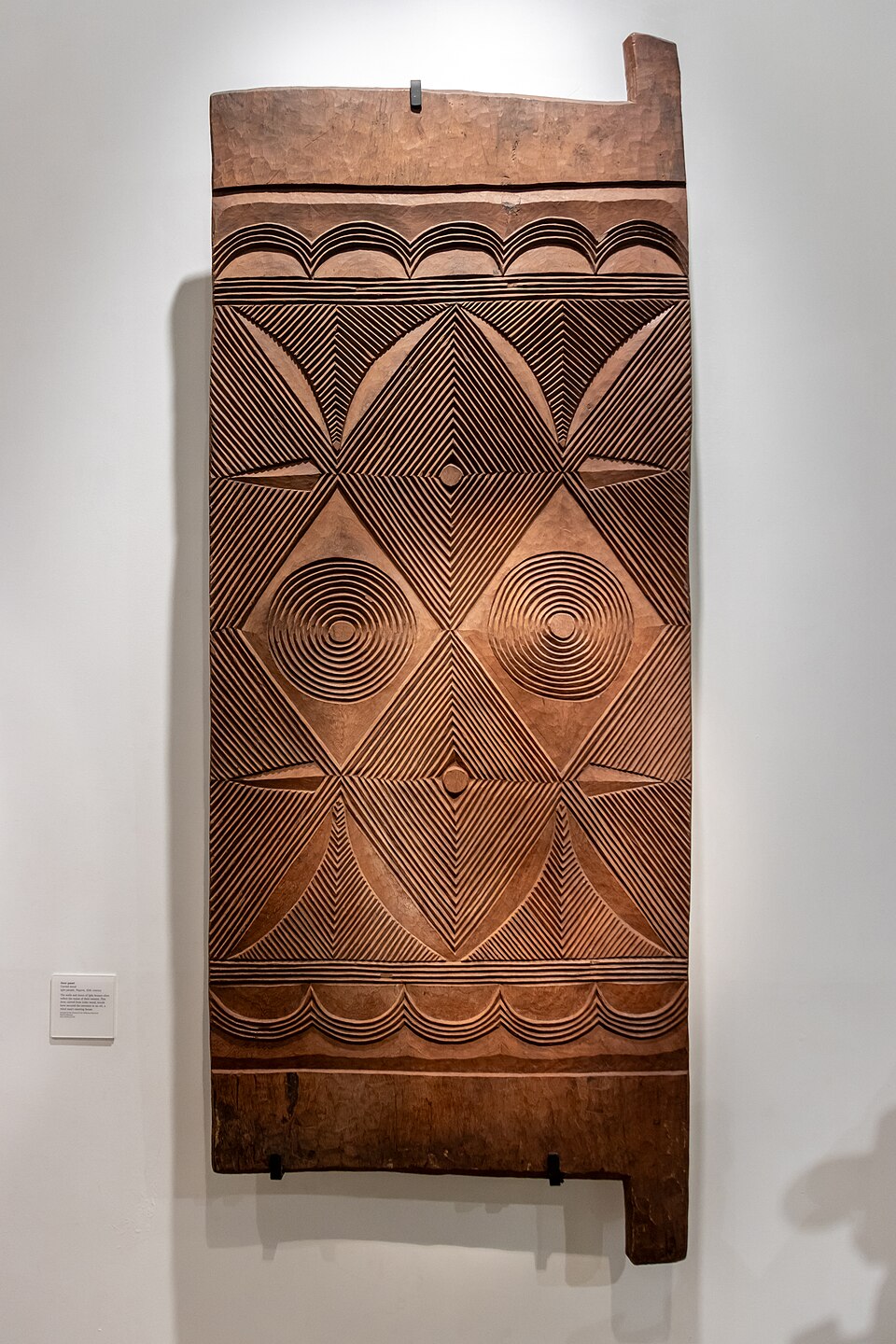
Architectural woodwork has long played a central role in the artistic and cultural identity of many West African societies. Among the most distinguished traditions is the use of the Iji-Owa and carved wooden door panels, known for their aesthetic, symbolic, and socio-political significance. These carvings, found particularly among the Yoruba, Benin, and Igbo peoples, functioned not only as decorative architectural components but also as markers of status, ritual power, and collective memory. According to scholars, architectural woodcarving in Nigeria evolved as both a functional craft and a medium for narrative art, often depicting historical scenes, mythological motifs, and symbols of authority. Scholars such as Olatunji, Ben-Amos, and Drewal highlight the importance of carved architectural elements in reinforcing political hierarchy, ancestral veneration, and cultural continuity.
The written record
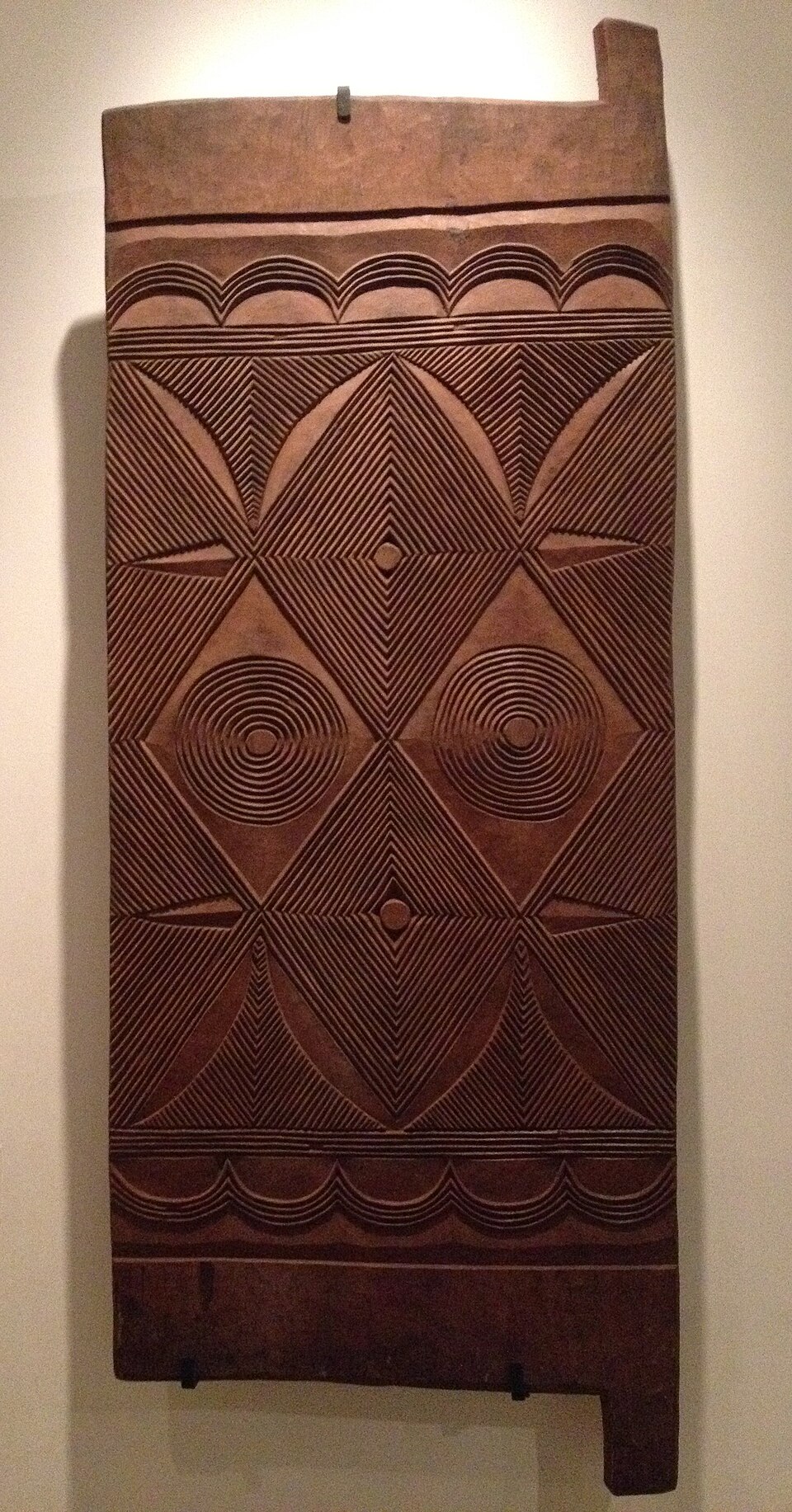
Photo credit:Marsupium, (Public Domain), Wikimedia Commons
Historical context
Historical Background of Architectural Woodcarving
- Origins and Regional Spread
Woodcarving in the architecture of West Africa dates back centuries and is particularly associated with powerful kingdoms such as Benin, Oyo, and Ife. Archaeological evidence supported by works such as Willett and Kaplan confirms that wood served as a primary artistic medium long before brass or stone gained prominence.
The Iji-Owa, used especially among Edo-speaking peoples, refers to carved wooden posts or architectural supports placed at palace entrances or shrines. Similarly, carved door panels common among the Yoruba and Igbo were installed in palaces, wealthy compounds, and sacred spaces to communicate narratives about lineage, kingship, and cosmology.
- Woodwork as Royal and Sacred Art
Both the Iji-Owa and carved doors were traditionally commissioned by kings, chiefs, priests, and wealthy patrons. They functioned as “royal architecture,” indicating a patron’s political power or spiritual authority. As Ben-Amos notes, Benin palace artists often carved scenes showing court rituals, warriors, or animals symbolizing protection, while Yoruba carvers integrated scenes from mythology and daily life.
The “Iji-Owa”: Meaning, Form, and Function
- Definition and Symbolic Purpose
“Iji-Owa” refers to carved architectural posts placed in palaces, shrines, or important household spaces among Edo peoples. These posts were often positioned at entrances, creating a threshold between ordinary and sacred or royal spaces.
Their carvings typically included representations of ancestors, motifs of authority, such as leopards or snakes, geometric patterns, mythic figures associated with protection.
- Ritual and Political Significance
The Iji-Owa served as both structural and spiritual support. They were believed to embody protective forces, ensuring the wellbeing of the household or palace. According to scholars such as Nevadomsky, these posts were activated through rituals and offerings, making them living spiritual intermediaries.
Politically, their presence signaled the rank of the compound owner. Only nobles or ritual specialists could commission certain types of carved posts, reinforcing social hierarchy.
- Artistic Composition and Techniques
The artisans responsible for carving the Iji-Owa were trained specialists, often belonging to hereditary guilds similar to the famous Igun Erhonmwon bronze casters. The work involved selection of durable hardwoods such as iroko, preliminary sketching directly onto the wood, deep relief carving using chisels and adzes and occasional painting or surface treatment.
The craftsmanship demonstrated an advanced understanding of form, depth, and symbolism.
Carved Door Panels: Narrative Art in Architecture
- History and Social Context
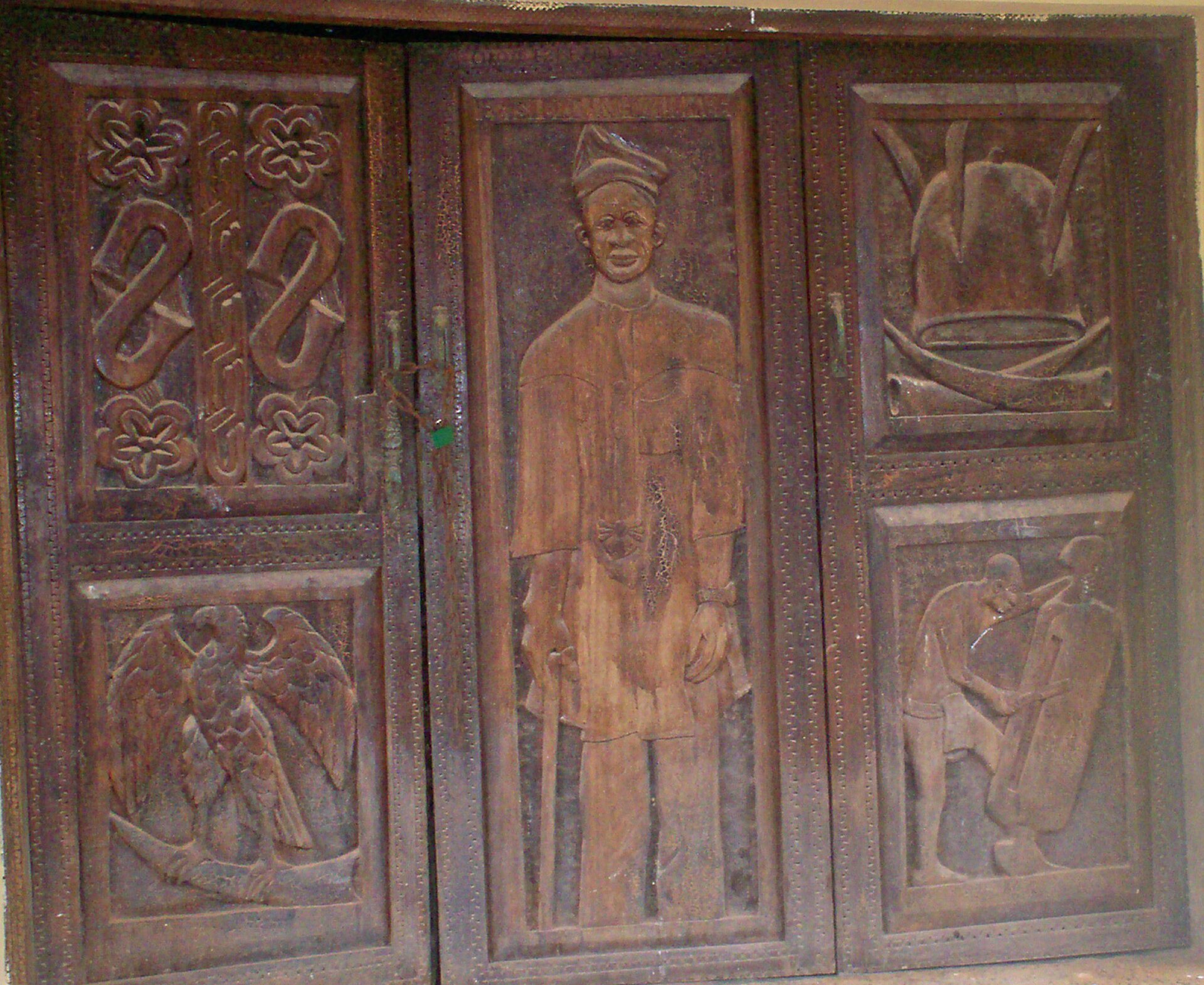
Carved wooden doors were widespread across Yoruba towns like Owo, Ijebu, and Oyo, and among some Igbo communities. European explorers in the 19th century recorded seeing elaborately carved doors decorating the entrances of chiefs’ homes, market pavilions, and shrines.
According to academic sources such as Drewal and Lawal, carved doors acted as visual documents that communicated the owner’s wealth, lineage, and cultural sophistication.
- Motifs and Iconography
The motifs on carved doors often included deities such as Ogun, Sango, or Orunmila, animals symbolizing power (e.g., elephants, leopards), scenes of trade and diplomacy, geometric patterns representing cosmic order.
These motifs turned the door into a visual “text” that visitors encountered before entering the home.
- Cultural and Aesthetic Function
Carved doors marked boundaries between public and private space, asserted prestige, especially during festivals or royal visits, preserved historical memory, served as protective talismans, believed to ward off malevolent spirits. This fusion of function, beauty, and symbolism exemplifies the sophistication of West African architectural arts.
Comparative Significance of the Iji-Owa and Carved Doors
- Shared Themes
Both Iji-Owa and carved doors were tied to prestige and political rank, communicated cultural narratives, served as protective architectural features, were created by trained guilds of woodcarvers and reinforced the spiritual worldview of their societies.
- Differences
The Iji-Owa served structural and ritual functions, whereas carved doors were primarily narrative and decorative. Doors were more widespread geographically, while the Iji-Owa was more specifically associated with Edo-speaking regions.
Colonial Encounters and Transformation
- Impact of Colonialism
With British colonial rule, many traditional architectural practices declined. European aesthetic tastes dismissed indigenous architectural woodwork as “primitive,” and colonial building materials reduced the reliance on carved wooden components.
Some woodwork pieces were looted during punitive expeditions, especially during the 1897 invasion of Benin.
- Resilience and Modern Revival
Despite colonial disruption, woodcarving traditions survived. Modern Nigerian museums, art schools, and contemporary artists continue to revive architectural woodcarving. Today, carved doors and posts are collected globally as fine art, symbolizing not only heritage but also resilience.
The Iji-Owa and carved door panels are more than architectural elements; they are cultural texts, protective devices, royal insignia, and symbols of artistic genius. Rooted in centuries of craftsmanship and belief systems, these works embody the values and histories of the communities that produced them. Their evolution from sacred architectural forms to cherished museum artifacts illustrates both the durability and adaptability of African artistic traditions. Understanding these works deepens our appreciation of West Africa’s architectural heritage and its enduring artistic legacy.
Sources and references
- Ben-Amos, P. (1995). The art of Benin. British Museum Press.
- Drewal, H. J. (2010). Yoruba art and language: Seeking the African in African art. Cambridge University Press.
- Kaplan, F. (1997). Art of Africa: Treasures from the Congo Basin. Smithsonian Institution Press.
- Lawal, B. (2001). Àwòrán: Representing the self and its metaphysical other in Yoruba art. Art Bulletin, 83(3), 498–526.
- Nevadomsky, J. (1986). The Benin Kingdom: Rituals of hierarchy and power. African Arts, 19(3), 32–39.
- Olatunji, O. (1984). African woodcarving traditions. University of Ife Press.
Cite this article
Discussion
Sign in to join the discussion
Comments are checked by an editor before they appear. Leave a source or a correction and it is read first.
Continue reading
Related histories
 Anthropology and EthnographyThe Demography of Biafran Slave Exports (1650–1850)Read history →
 Anthropology and EthnographyMasquerade Traditions from Igboland to the Caribbean (Jonkonnu, Mocko Jumbie)Read history →
 Anthropology and EthnographyMapping Igbo Destinations in the Americas: A Comparative AnalysisRead history →
No comments yet
Nothing has been approved on this record yet. Comments are checked by an editor before they appear, so one written now shows on this page after that check.