 Ozikoro
 Anthropology and Ethnography · Published history
Masquerade Traditions from Igboland to the Caribbean (Jonkonnu, Mocko Jumbie)
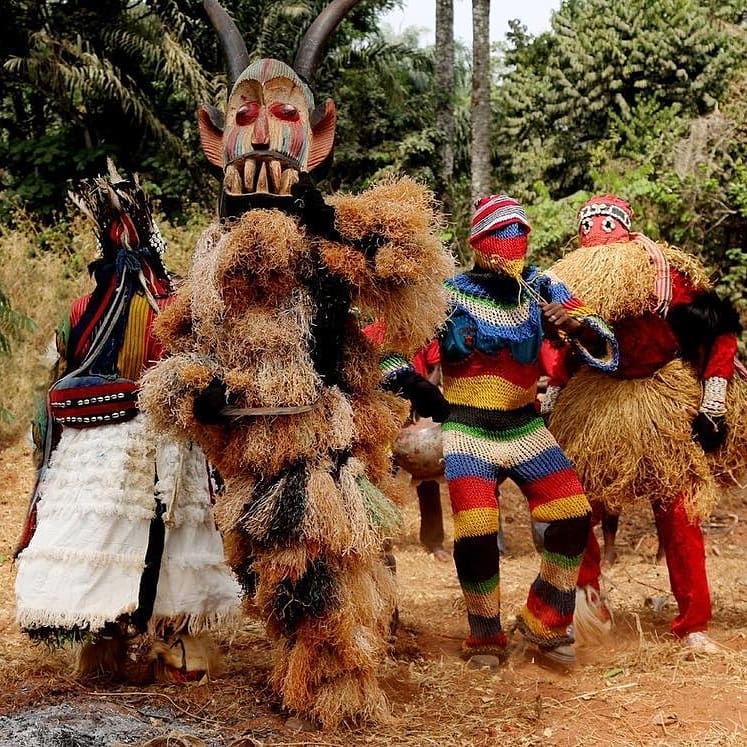
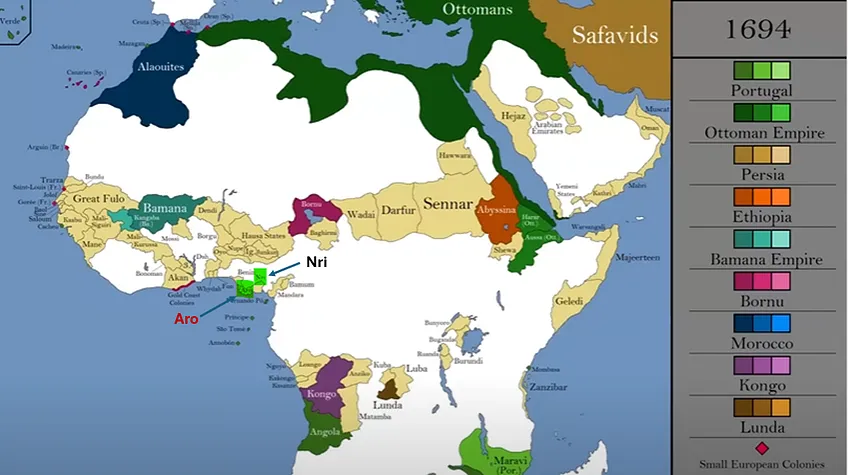
The transatlantic slave trade not only dispersed millions of Igbo people across the Atlantic world but also carried their cultural, spiritual, and artistic traditions into the Caribbean. Among the most enduring and visually striking of these cultural survivals are masquerade traditions and ritual performances deeply rooted in Igbo cosmology. The book Igbo in the Atlantic World emphasizes that the Bight of Biafra exported a population that was overwhelmingly Igbo-speaking. This demographic concentration meant that the cultural imprint of Igbo communities, especially their masquerade practices, became prominent in plantation societies across the Caribbean. Traditions such as Jonkonnu and Mocko Jumbie, now integral to Caribbean festivals, retain symbolic, structural, and performative elements that can be traced back to Igbo masking culture. This essay explores the continuity and transformation of Igbo masquerade traditions in the Caribbean, examining their cultural functions, symbolic meanings, ritual adaptations, and the ways enslaved communities used masking to preserve identity, negotiate oppression, and build new collective worlds.
The written record
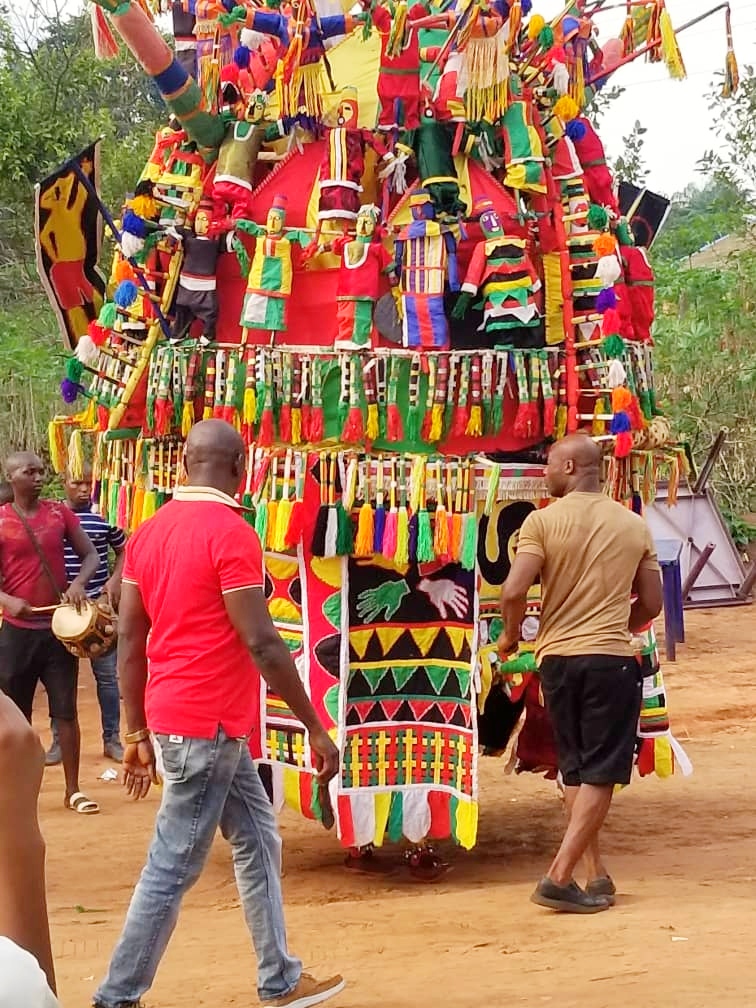
Photo credit: Wikipedia commons.
Historical context
Masquerade as a Social and Spiritual Institution in Igboland
In Igboland, masquerades (mmanwu) are more than artistic performances; they embody ancestors, enforce morality, entertain, and serve as political institutions. Masquerades mediate between the human and spiritual realms, represent lineage spirits, and participate in community festivals, funerals, and rites of passage. The book highlights the importance of Igbo religious cosmology and its portability across the Atlantic world; such portability was particularly pronounced in masquerade traditions because they required limited material infrastructure. Masquerade societies in Igboland historically regulated behavior, maintained order, punished wrongdoing, and reinforced moral values. They also provided entertainment through dance, music, comedy, and satire. This combination of artistry, spirituality, and social authority gave masquerades a multifaceted role, one that enslaved Igbo communities later reproduced in Caribbean ritual life.
The Atlantic Passage and the Survival of Masquerade Aesthetics
Though enslaved Africans were stripped of material possessions during the Middle Passage, they carried mental, cultural, and spiritual knowledge that could be reconstructed under plantation conditions. Masquerading was one such system. Its survival did not require elaborate costumes; enslaved Africans recreated masks using available materials such as cloth, leaves, straw, and carved wood. The book describes the resilience of Igbo cultural systems amid displacement and fragmentation, showing how enslaved people drew on memory and communal solidarity to rebuild ritual forms.
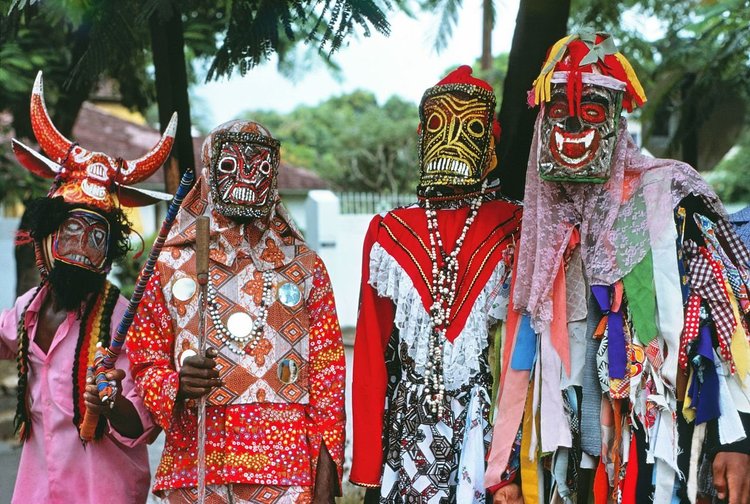
Photo credit: black culture archives.
Masquerades also survived because of their functional flexibility
They could be adapted for entertainment on plantations, for collective gatherings during holidays, and for covert spiritual communication among enslaved Africans. This adaptability became crucial in generating the Caribbean traditions later known as Jonkonnu and Mocko Jumbie.
- Jonkonnu: Igbo Masquerade Transformed in the Caribbean
Jonkonnu (also spelled John Canoe, Junkanoo, or Jonkunnu) is one of the most recognizable masquerade traditions in the Caribbean. Performed in Jamaica, the Bahamas, and parts of the Virgin Islands, Jonkonnu features dancers in elaborate masks, colorful costumes, satirical performances, and drumming patterns reminiscent of West African traditions.
Several elements of Jonkonnu reflect strong Igbo masquerade origins:
1. Masking as Ancestral Embodiment
Igbo masquerades embody ancestral spirits and moral authority. In Caribbean Jonkonnu, masked performers also take on the role of ancestral figures or spiritual intermediaries, maintaining the ritual function of connecting the living with the dead.
2. Satirical and Comic Elements
Many Igbo masquerades, especially in village festivals, include comedic characters who mock social elites, lampoon immoral behavior, and provoke laughter. Jonkonnu performers similarly incorporate satire, humor, and exaggeration, traits linked to Igbo performance aesthetics.
3. Dance, Drumming, and Rhythm
Igbo masquerade dances emphasize polyrhythmic movement, acrobatics, and call-and-response patterns. Jonkonnu retains these elements, with dancers following drumming sequences that echo Igbo festival rhythms.
4. Communal Identity Formation
Igbo masquerades reinforce lineage unity and community cohesion. On Caribbean plantations, Jonkonnu became a space for enslaved Africans, many of them Igbo to express cultural identity, resist cultural erasure, and momentarily reclaim agency within oppressive conditions.
5. Calendar Alignment and Festive Structure
Igbo festivals often align with harvests, ancestral ceremonies, and communal leisure periods. Jonkonnu was historically performed during the Christmas season one of the few times enslaved Africans received respite mirroring the seasonal timing of Igbo festival cycles that combine rest, renewal, and community celebration.
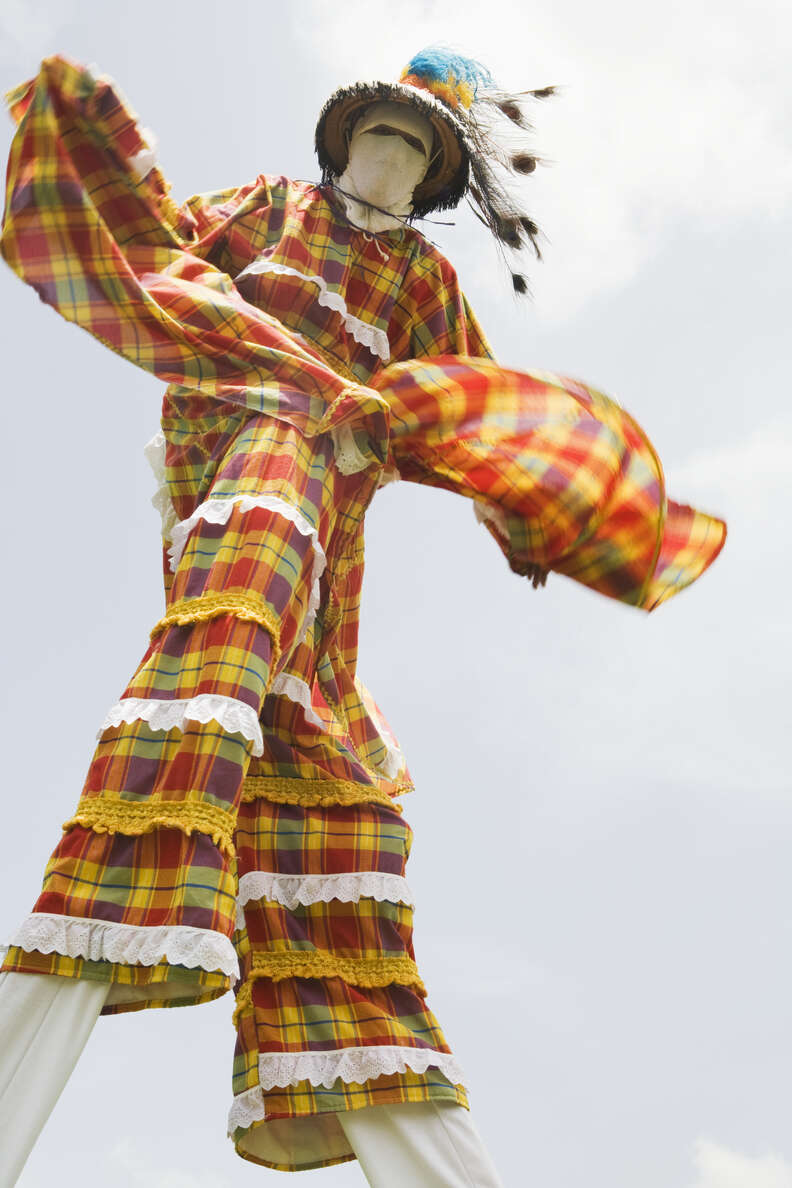
Photo credit: Thrillist.com
- Mocko Jumbie and the Igbo Stilt-Walking Tradition
Mocko Jumbie (or Moko Jumbi), found in Trinidad, the Virgin Islands, and parts of the Eastern Caribbean, features towering stilt-walking masqueraders who perform dances and acrobatics. Although stilt-walking appears in several African cultures, its presence among Igbo-speaking communities in southeastern Nigeria provided a conceptual foundation for its adoption by enslaved Igbo in the Caribbean.
Key parallels include:
1. Spirit Mediation
In Igbo tradition, certain masquerades elevate the performer physically to symbolize spiritual elevation or ancestral presence. Mocko Jumbie performers embody spirits who watch over the community, echoing Igbo conceptions of protective spiritual forces.
2. Visual Magnification and Awe
Igbo masquerades often use dramatic height, costumes, and movement to evoke fear, respect, or spiritual awe. Mocko Jumbie’s imposing stature replicates this aesthetic principle, reinforcing the spiritual authority of the performer.
3. Social Protection Role
Some Igbo masquerades act as community protectors or enforcers. Mocko Jumbies traditionally were seen as guardians, warding off evil and watching over communities, an interpretation consistent with Igbo religious worldview.
4. Festival Processions
In Igboland, masquerades lead processions during major festivals. In the Caribbean, Mocko Jumbies similarly lead or animate public festivals, parades, and carnivals, maintaining their role as cultural markers and guardians of social space.
Masquerading as Resistance and Cultural Preservation
Masquerade traditions in the Caribbean were not merely entertainment; they were subtle acts of resistance. On plantations, where African culture was heavily policed, Jonkonnu and Mocko Jumbie performances provided covert communication channels, psychological relief from brutal labor, methods of maintaining African identity, opportunities for communal organization, and symbols of resistance to white domination. The book emphasizes the role of Igbo culture in shaping the diasporic resilience of enslaved communities. Masquerading became a medium through which enslaved Igbo people preserved memory, expressed grief and hope, and retained autonomy over aspects of their cultural life. In some cases, masking rituals were linked to rebellion. Plantation authorities often feared masquerades because they enabled large gatherings and symbolic defiance. Thus, Igbo-derived masquerades played both cultural and political roles in shaping Caribbean resistance traditions.
Continuity, Transformation, and Modern Identity
Today, Jonkonnu and Mocko Jumbie remain central to Caribbean cultural identity. These traditions, though transformed by centuries of creolization, still embody Igbo aesthetic principles rhythmic drumming, ancestral symbolism, performative satire, ritual movement and spiritual mediation.
Their survival into the modern Caribbean demonstrates the enduring power of Igbo cultural memory and the ability of enslaved communities to reinvent their traditions in new environments. Masquerades continue to serve as symbols of cultural pride, historical continuity, and communal identity. Igbo masquerade traditions played a foundational role in shaping Caribbean ritual culture, especially in Jonkonnu and Mocko Jumbie performances. The demographic dominance of Igbo captives in the Bight of Biafra trade ensured that masquerading, already central to Igbo social, spiritual, and aesthetic life was transplanted into plantation societies. Through masquerades, enslaved Africans preserved cultural memory, maintained spiritual ties, asserted communal identity, and resisted dehumanization. The survival of these masking traditions into the twenty-first century highlights the resilience of Igbo culture and its enduring imprint on Caribbean identity. Jonkonnu and Mocko Jumbie stand as living testaments to the creative ways Igbo people carried their world across the Atlantic and rebuilt it in new lands.
Sources and references
- Falola, T., & Njoku, R. C. (2016). Igbo in the Atlantic World: African Origins and Diasporic Destinations. Indiana University Press.
Cite this article
Discussion
Sign in to join the discussion
Comments are checked by an editor before they appear. Leave a source or a correction and it is read first.
Continue reading
Related histories
 Anthropology and EthnographyThe Demography of Biafran Slave Exports (1650–1850)Read history →
 Anthropology and EthnographyMapping Igbo Destinations in the Americas: A Comparative AnalysisRead history →
 Anthropology and EthnographyIgbo Linguistic Influences on Caribbean Creole LanguagesRead history →
No comments yet
Nothing has been approved on this record yet. Comments are checked by an editor before they appear, so one written now shows on this page after that check.