 Ozikoro
 Anthropology and Ethnography · Published history
Mapping Igbo Destinations in the Americas: A Comparative Analysis

Between the seventeenth and nineteenth centuries, people from the Igbo-speaking regions of southeastern Nigeria were dispersed across the Atlantic through the transatlantic slave trade. During this period, the Bight of Biafra became one of the most active slaving coasts in West Africa, and enslaved Igbo formed one of the largest identifiable African ethnic groups in the Americas. Records show that captives from inland Igbo communities were marched through Aro-controlled networks to coastal ports and shipped primarily to the Caribbean and North America. This essay examines the major destinations of Igbo captives, the differing demographic concentrations across the Americas, and how these patterns shaped cultural, linguistic, and religious survivals in the New World. Using the Igbo-Atlantic scholarship, the analysis compares the Igbo presence in the United States, Jamaica, Barbados, Brazil, Cuba, and other parts of the Atlantic basin.
The written record
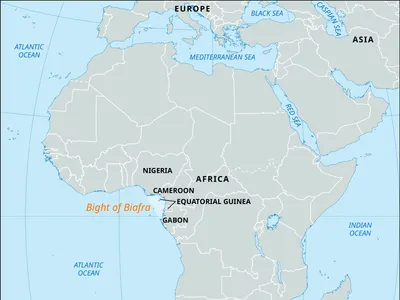
Photo credit: Britannica.
Historical context
The Bight of Biafra and Igbo Departure Points
The Igbo diaspora in the Atlantic began with the concentration of European slaving activities in the Bight of Biafra, particularly Bonny, Calabar, and New Calabar. These ports became dominant by the eighteenth century, and traders favored them because the region lacked large centralized kingdoms capable of restricting slave exports. Instead, trade depended on networks of brokers, middlemen, and Aro merchants who moved captives from the hinterland. Because the Aro Confederacy had extensive trade routes reaching deep into Igbo country, a high proportion of those shipped through Biafran ports were ethnically Igbo. This relative “homogeneity” of exports distinguished the Bight of Biafra from other regions such as the Gold Coast or Senegambia, where captives came from a wider set of ethnic identities.
Major Destinations of Igbo Captives in the Americas
1. The Caribbean: The Principal Destination
The majority of Igbo captives were sent to the Caribbean, with Jamaica receiving one of the highest concentrations. Jamaican plantation owners frequently purchased people from the Bight of Biafra because they considered Igbo captives adaptable, hardworking, and skilled in agriculture. By the late eighteenth century, Jamaica had become a major hub of Igbo-descended populations, shaping both the demographic and cultural identities of the island. Barbados also received large numbers of Igbo during the earlier phases of the slave trade, though its plantation economy was already entrenched before the Bight of Biafra became dominant. Smaller islands such as Trinidad and Tobago, Saint Vincent and the Grenadines, and Antigua and Barbuda likewise imported Igbo captives, contributing to the spread of Igbo cultural elements across the Lesser Antilles.
2. The United States: Virginia, Maryland, and the Carolinas
The North American colonies particularly Virginia, Maryland, North Carolina, and South Carolina received a significant number of Igbo captives, especially during the eighteenth century. Historical shipping logs show that nearly one-third of Africans imported into Virginia during certain decades came from the Bight of Biafra.
Virginia, in particular, became well known for its large Igbo population. Plantation owners sometimes deliberately sought Igbo captives because they believed they adapted well to tobacco cultivation and were less prone to organized large-scale rebellion compared to groups from the Gold Coast. Yet, despite these stereotypes, Igbo captives in Virginia participated actively in everyday forms of resistance, cultural retention, and identity formation.
3. Spanish America and Brazil: Smaller but Significant Populations
Although the Caribbean and North America were the primary destinations, Igbo captives also arrived in Spanish and Portuguese American territories. In Cuba, Bight of Biafra exports contributed a noticeable minority within the island’s African population. Plantation centers like Matanzas and Havana recorded arrivals of Igbo and other Biafran groups, though the proportion was smaller than that of
4. Congolese and Yoruba captives.
In Brazil, the Igbo presence was more modest compared to West Central African and Yoruba groups. However, ports such as Bahia and Rio de Janeiro did receive shipments from the Bight of Biafra, leading to pockets of Igbo cultural influence within Brazil’s broader Afro-Atlantic heritage.
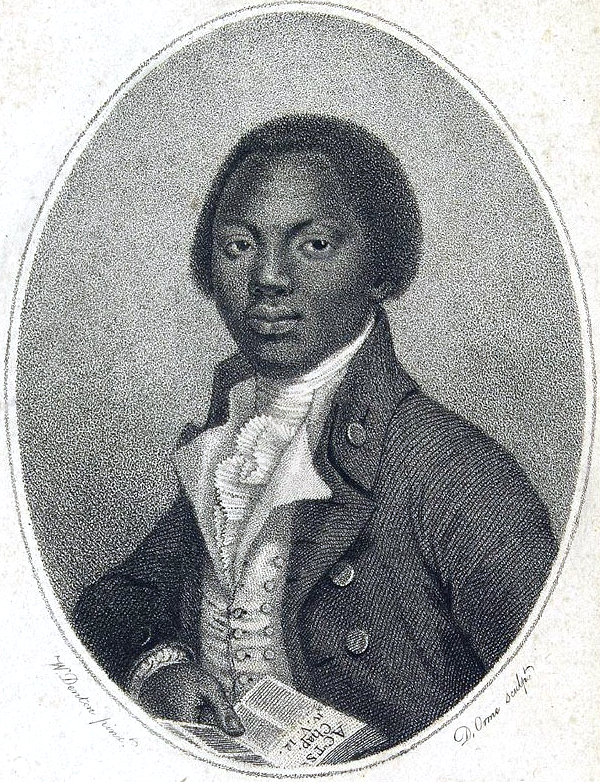
Photo credit; Wikimedia commons.
Comparing Regional Igbo Concentrations
- High-Concentration Zones
Regions such as Jamaica and Virginia emerged as the centers of Igbo-descended populations in the Americas. In Jamaica, the demographic prominence of Igbo captives shaped social structures, religious practices, naming patterns, and linguistic developments. Jamaican Creole contains a considerable number of Igbo-derived words, and Igbo expressive forms such as proverbs, kinship terminology, and moral concepts survived through generations.
In Virginia and Maryland, Igbo influences persisted in folklore, spiritual practices, burial traditions, and kinship structures. Igbo cultural survivals contributed to the formation of African American identity, especially in the Chesapeake region where communities were able to reproduce both biologically and culturally earlier than in the Caribbean.
- Moderate-Concentration Zones
Islands like Barbados, Antigua, and Trinidad reflected moderate levels of Igbo presence. They absorbed Igbo speech patterns, spiritual ideas, and social customs, but because these islands also had large numbers from other regions (like Akan, Yoruba, and Kongo peoples), the resulting cultural expressions were highly syncretic.
- Low-Concentration Zones
In places like Brazil, Cuba, and Haiti, the Igbo population was smaller relative to the dominant Central African and Yoruba groups. As a result, Igbo traditions blended into broader Afro-Atlantic religious systems rather than forming the core of them. For example, Brazilian Candomblé centers its pantheon on Yoruba-derived orixás and Kongo deities, but traces of Igbo ideas may still be found in concepts of spirit visitations, reincarnation, and personal destiny.
Cultural and Religious Implications of Igbo Dispersal
- Influence on Language
In regions with high Igbo concentrations, vocabulary from Igbo entered creole languages. Jamaican Patois retained terms such as unu (you plural), ima (knowledge), and mbu (first), reflecting Igbo linguistic influence. Meanwhile, African American speech patterns in the Chesapeake reflect tonal intonations linked loosely to Igbo’s tonal structure.
- Influence on Religion and Ritual
In Jamaica and parts of the southeastern United States, Igbo spirit beliefs became foundational to Afro-Atlantic religions. Rituals involving ancestors, reincarnation (known in Igbo as ịlọ ụwa), and the duality of the spiritual and material worlds found new expressions in diaspora traditions.
- Influence on Social Organization
The Igbo emphasis on decentralized political organization and extended kinship networks influenced plantation-era social life. Enslaved people formed “fictive kinship” bonds reminiscent of Igbo lineage structures, creating mutual support frameworks that replicated aspects of the umunna (patrilineage) in diaspora contexts.
Why Igbo Routes Mattered: A Comparative Overview
Mapping Igbo destinations reveals several important dynamics:
1. Economic Priorities of Slave Buyers
Plantation owners in Jamaica and Virginia developed reputations for preferring Igbo captives. Buyers believed Igbo laborers performed well in tobacco, sugar, and rice cultivation, which shaped demand patterns.
2. Trade Specialization of the Bight of Biafra
The region exported fewer “elite” captives like warriors or nobles found in West African kingdoms, but a higher proportion of commoners taken through Aro networks. This meant that cultural traditions transported to the Americas were deeply rooted in village-level Igbo customs rather than aristocratic state cultures.
3. Opportunities for Cultural Survival
Places with large Igbo numbers, especially Jamaica and Virginia, provided greater opportunities for cultural retention because shared language, rituals, and social memories could be transmitted among enslaved communities.
Mapping the destinations of Igbo captives across the Americas reveals a diaspora shaped by both the structure of Atlantic commerce and the resilience of Igbo cultural systems. The concentration of Igbo people in Jamaica and the Chesapeake region positioned them to leave powerful marks on language, religion, kinship, and cultural memory. Although Igbo influences blended with other African traditions in places like Brazil and Cuba, traces of Igbo worldviews persisted across the hemisphere. By following the pathways of the slave trade from the Bight of Biafra to the plantations of the Americas, one can clearly see how the Igbo contributed significantly to the cultural landscapes of Caribbean and North American societies.
Sources and references
- Falola, T., & Njoku, R. C. (Eds.). (2016). Igbo in the Atlantic World: African Origins and Diasporic Destinations.
Cite this article
Discussion
Sign in to join the discussion
Comments are checked by an editor before they appear. Leave a source or a correction and it is read first.
Continue reading
Related histories
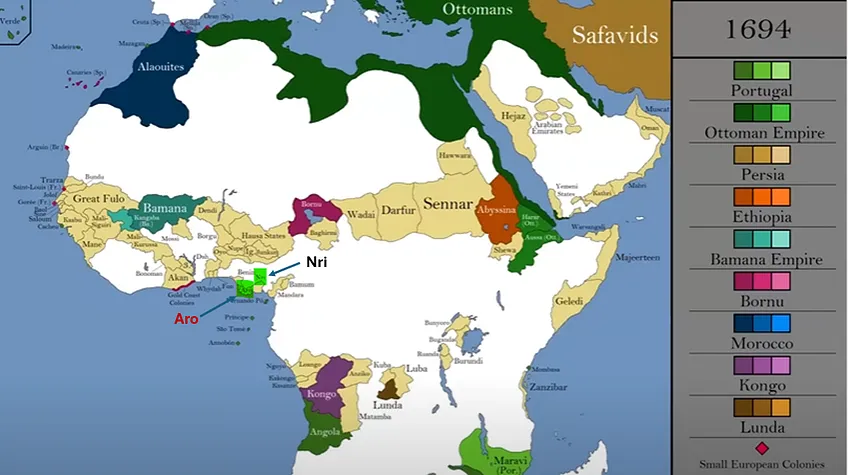 Anthropology and EthnographyThe Demography of Biafran Slave Exports (1650–1850)Read history →
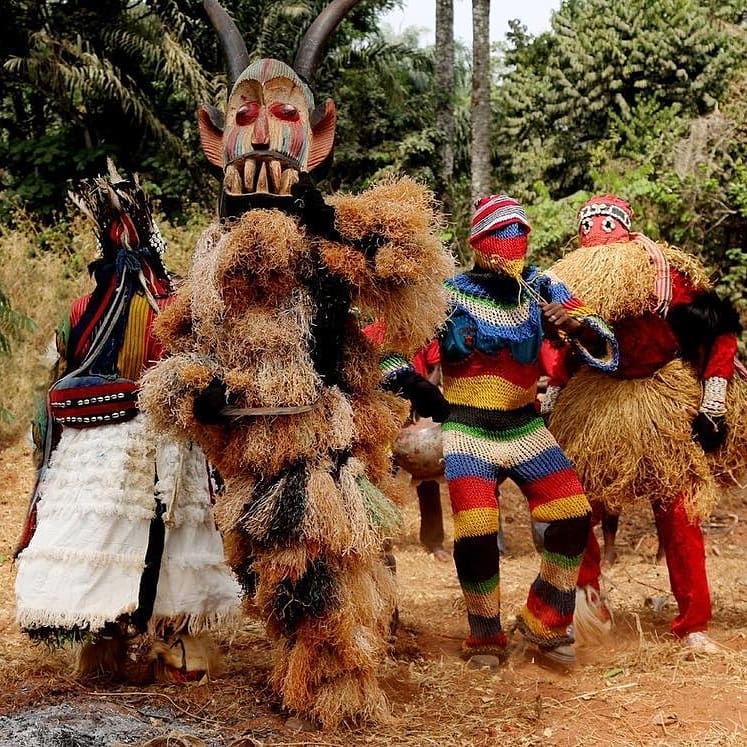 Anthropology and EthnographyMasquerade Traditions from Igboland to the Caribbean (Jonkonnu, Mocko Jumbie)Read history →
 Anthropology and EthnographyIgbo Linguistic Influences on Caribbean Creole LanguagesRead history →
No comments yet
Nothing has been approved on this record yet. Comments are checked by an editor before they appear, so one written now shows on this page after that check.