 Ozikoro
Anthropology and Ethnography · Published history
Benin’s Great Walls: Africa’s Forgotten Architectural Marvel
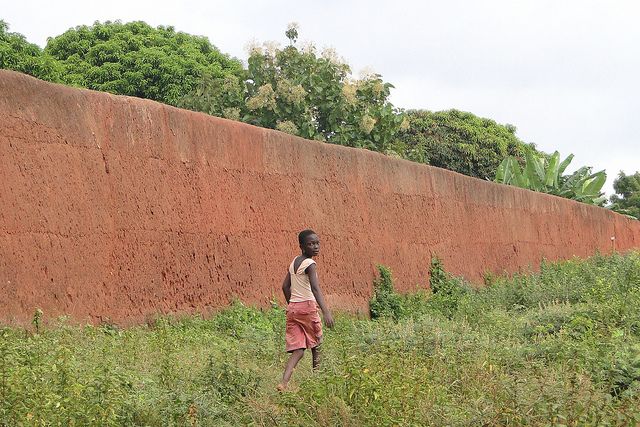
Among the greatest achievements of pre-colonial Africa stands the Great Walls of Benin, a vast and complex earthwork system that once surrounded the ancient Benin Kingdom, located in present-day Edo State, Nigeria.
The written record
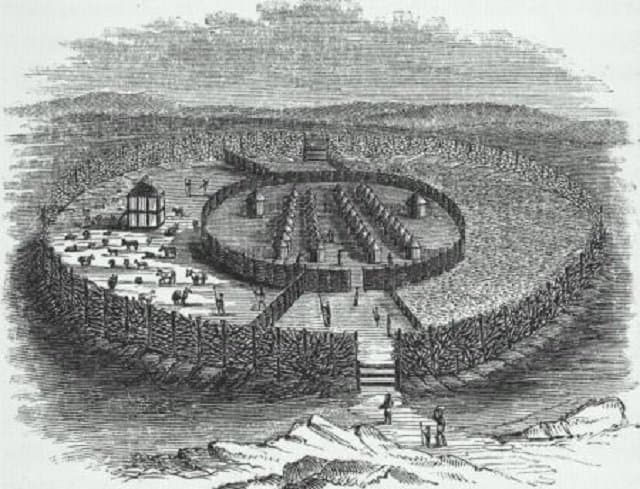
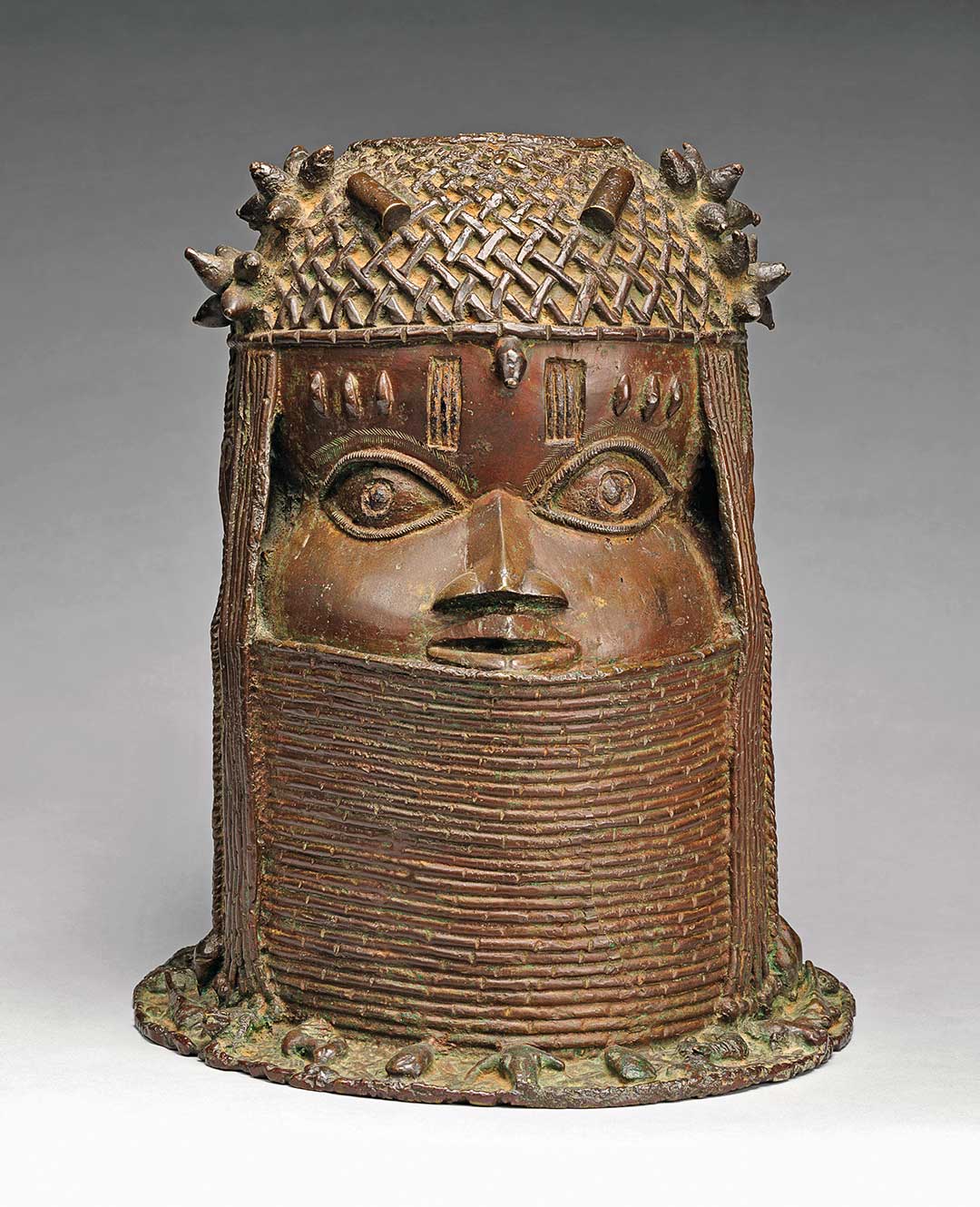
The Kingdom of Benin, celebrated for its bronze artistry and centralized monarchy, was also the site of one of the world’s most extensive feats of engineering: the Walls and Moats of Benin (known locally as the Iya). Constructed primarily during the reigns of warrior-kings like Oba Ewuare the Great (c. 1440–1473), this colossal network of earthworks served not only as a defensive fortress but as a powerful symbol of the kingdom’s stability and advanced organization. Long before European colonization, these walls established Benin City as a fortified urban center and represented a forgotten architectural marvel of pre-colonial Africa.
These walls, often overshadowed by the Great Pyramids or the Great Wall of China, were a testament to the engineering ingenuity, organization, and unity of the Edo people. The Great Walls of Benin remain one of the largest man-made structures in history, both in length and scale.
The construction of the walls began as early as 800 AD during the Ogiso dynasty and continued through successive reigns of the Obas, reaching its zenith between the 13th and 15th centuries under Oba Oguola.
The construction of the Walls and Moats was an immense undertaking, built without modern tools or mechanical aid, relying solely on human labor.
The Iya was not a single barrier but a complex, interconnected system of ramparts and ditches surrounding Benin City and the numerous provincial towns within the kingdom. The defensive structure consisted of digging a deep ditch (moat) and using the excavated earth to build a high wall (rampart) immediately behind it. The entire network, which took centuries to complete, has been estimated to have spanned over 16,000 kilometers (nearly 10,000 miles) in total length. This vast scale led to its recognition as the largest single archaeological feature ever created by humanity until the advent of the mechanized age. The structure was primarily built to protect Benin City from invasion and to symbolize the authority and power of the monarchy. Oral traditions describe the wall as an embodiment of communal effort, every household in the kingdom contributed labor to its construction.
This served as both external defense against invading armies and as internal control, defining the boundaries of the capital and controlling the movement of people and trade.
These walls were not merely defensive barriers but also served as symbols of cultural and spiritual significance. The moats were believed to possess protective charms, blending architecture with Benin’s deep spiritual beliefs. It also reflected the administrative sophistication of the Benin Kingdom.
Historical context
The Reign of Oba Ewuare the Great
While construction of the Iya began earlier, it was Oba Ewuare the Great who commissioned the most significant phase of wall building following the devastating civil wars that preceded his reign.
Ewuare’s political revolution, which centralized power and established the Palace Chiefs, required a physical manifestation of stability. The rebuilt walls were integral to his vision of a fortified, planned urban center.
The construction of the inner city walls was part of Ewuare’s massive urban renewal project. The walls physically contained the capital, helping to regulate the city’s growth and assert the Oba’s control over trade and population movement.
When European explorers and traders, particularly the Portuguese, arrived in Benin in the late 15th century, they were astonished by the city’s scale and structure. Early records by explorers like Olfert Dapper described Benin City as “larger and more beautiful than any European town”. The Great Walls stood as evidence of an advanced civilization long before colonial contact.
Defensive Ingenuity and Collapse
The Iya provided Benin City with centuries of protection, contributing significantly to the kingdom’s stability. The moat itself was often strategically lined with thorns or filled with water, making it difficult for invaders to cross before reaching the high rampart.
However, the immense fortifications could not withstand the technological advancements of European powers in the late 19th century.
However, the Walls and Moats proved obsolete against the superior weaponry of the British during the 1897 Punitive Expedition, which saw the city burned and looted. The destruction not only erased architectural heritage but also disrupted centuries of Edo cultural identity. Today, fragments of the walls remain, stretching through forests and villages, silently narrating the story of Benin’s glory.
Following the British conquest and destruction of Benin City, the walls fell into disrepair. Although much of the network has been destroyed or leveled by development, remnants of the moats and ramparts still exist today, providing a tangible link to the empire’s impressive organizational and architectural past.
Modern archaeological efforts continue to study and preserve the remnants of this architectural marvel, with scholars advocating for UNESCO recognition as a World Heritage Site. The Great Walls stand as a reminder that African civilizations produced complex and enduring works of human creativity. British forces were equipped with heavy artillery and machine guns, which bypassed or destroyed the earthen fortifications.
The Great Walls of Benin were not just defensive fortifications, they were living symbols of unity, spirituality, and technological mastery. They reflected a civilization capable of engineering feats rivaling any in the ancient world. Though much of the structure has been lost to time and colonization, its legacy endures through memory, oral history, and ongoing preservation efforts. Indeed, the Great Walls of Benin deserve their place among humanity’s greatest architectural marvels.
Sources and references
- BlackPast. “The Obas of Benin (1200 to the present) : A Brief History of the Rulers of A West African State for Eight Centuries.” BlackPast, 16 Apr. 2024, www.blackpast.org/global-african-history/the-obas-of-benin-a-brief-history-of-the-rulers-of-a-west-african-state-for-eight-centuries/.
- Bondarenko, Dmitri M. “Sacralization of the Ruler in Benin Kingdom (13th – 19th centuries.”ResearchGate,2012,www.researchgate.net/profile/Dmitri_Bondarenko/publication/284716487_Sacralization_of_the_Ruler_in_Benin_Kingdom_13th_-_19th_Centuries/links/5656dd3308ae4988a7b50aec.
- Guinness World Records. “Longest ancient earthworks.” Guinness World Records Limited, 2024, www.guinnessworldrecords.com/world-records/longest-ancient-earthworks.
- Pritchett, James. The Walls of Benin: Architecture, Urban Planning, and Fortress Technology in the Edo Kingdom. Cambridge University Press, 2022.
Cite this article
Discussion
Sign in to join the discussion
Comments are checked by an editor before they appear. Leave a source or a correction and it is read first.
Continue reading
Related histories
 Anthropology and EthnographyThe Demography of Biafran Slave Exports (1650–1850)Read history →
 Anthropology and EthnographyMasquerade Traditions from Igboland to the Caribbean (Jonkonnu, Mocko Jumbie)Read history →
 Anthropology and EthnographyMapping Igbo Destinations in the Americas: A Comparative AnalysisRead history →
No comments yet
Nothing has been approved on this record yet. Comments are checked by an editor before they appear, so one written now shows on this page after that check.