 Ozikoro
Anthropology and Ethnography · Published history
Berbice Dutch Creole: A Lost Language of Guyana
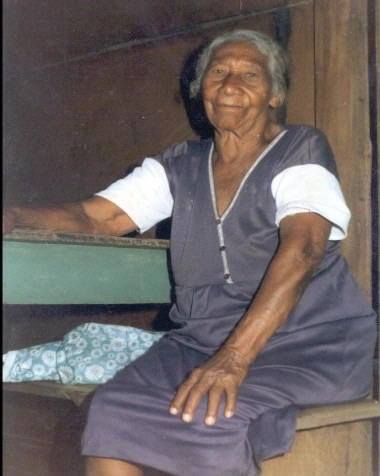
Among the many forgotten languages of the Caribbean, Berbice Dutch Creole stands out as one of the most unique and linguistically intriguing. Once spoken along the Berbice River in Guyana, this creole language blended Dutch, African, and Indigenous influences.
The written record
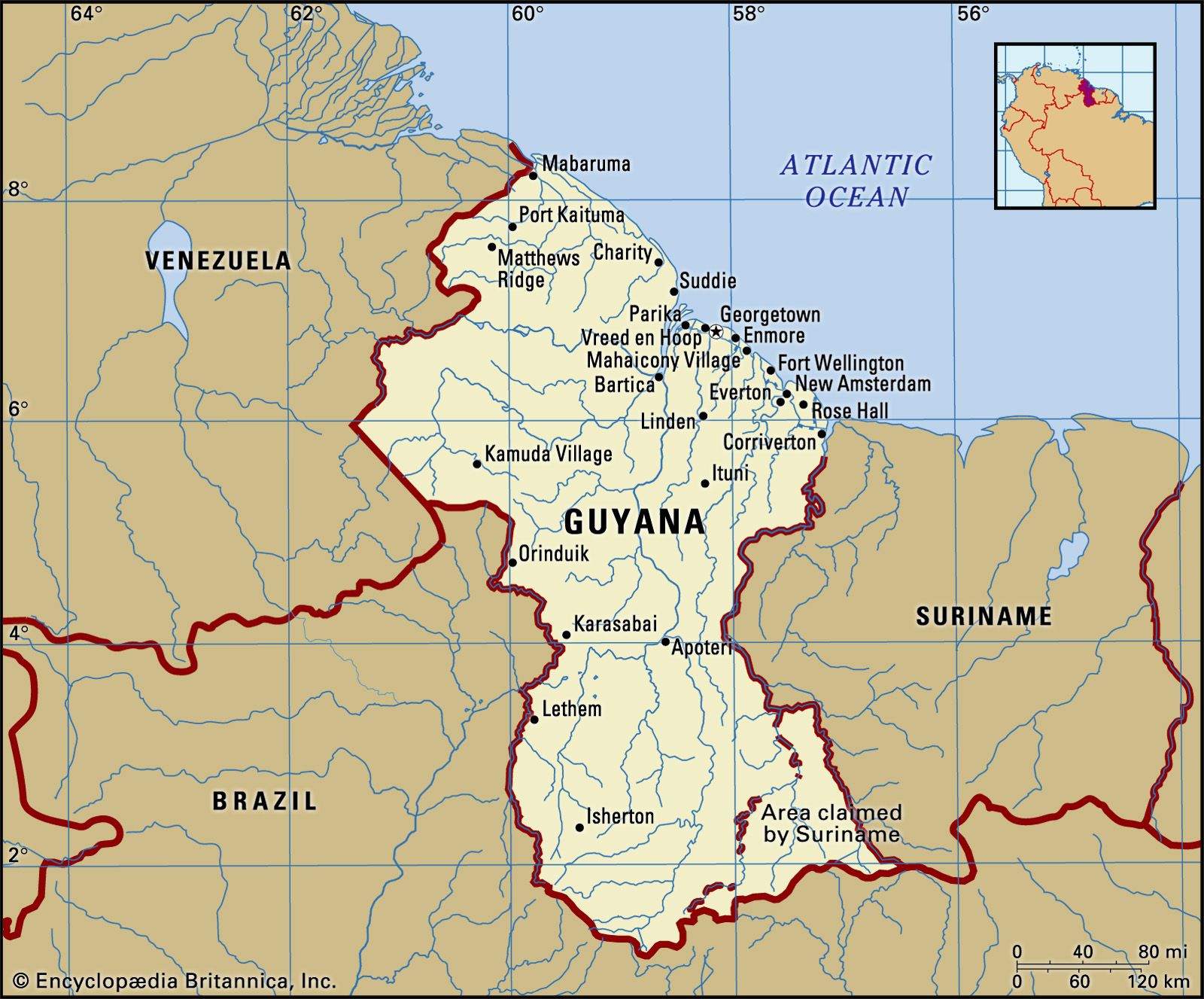
Berbice Dutch Creole (Berbice Dutch) was once the vernacular of the Berbice River region in Guyana, a living linguistic testament to the complex history of Dutch colonization, African resistance, and indigenous presence in South America. Tragically, this unique language, a vibrant hybrid of Dutch and a specific West African language has been declared extinct, officially disappearing with the death of its last fluent speaker in the early 21st century. Its loss marks the close of a distinctive chapter in Caribbean language history.
Sadly, it had become extinct, taking with it a crucial piece of Guyanese cultural and linguistic heritage.
Historical context
Historical Background
The origins of Berbice Dutch Creole date back to the 17th century, when Dutch settlers established the colony of Berbice (present-day eastern Guyana). The Dutch brought enslaved Africans, primarily from the Ijaw and Kalabari regions of present-day Nigeria, as well as contact with Indigenous Arawakan-speaking peoples. The resulting linguistic contact gave rise to a creole language that fused Dutch vocabulary with African and Indigenous grammatical structures.
Berbice Dutch developed in the former Dutch colony of Berbice, which was established by the Dutchman Abraham van Peere in 1627. The language arose from contact among three main groups along the plantation areas: Dutch colonists (primarily from the Zeeland dialect region), enslaved Africans, and the indigenous Arawak (Lokono) population.
Unlike most Caribbean creoles, which mix European languages with influences from various African languages, Berbice Dutch is unique for its overwhelming African input coming from a single source: the Eastern Ijo languages (specifically Kalabari) of the Niger Delta region of what is now Nigeria.
This mix made Berbice Dutch Creole distinct from other creoles like Sranan Tongo (Suriname) or Negerhollands (Virgin Islands), which were more heavily Dutch-based with less African structural influence.
Scholars estimate the language’s lexicon was roughly 57% Dutch and approximately 38% Eastern Ijo, with minimal influence (around 1%) from Arawak. Crucially, many core words and basic functions, such as those for ‘eat’, ‘know’, ‘speak’, ‘house’ (wari), and ‘child’ (toko), were derived from Eastern Ijo, indicating that this specific group of enslaved Africans had a dominant influence during the language’s formative period.
Decline and Extinction
The demise of Berbice Dutch was directly tied to colonial transitions and economic shifts:
The Dutch colony of Berbice was formally ceded to Britain in 1815 when the British took control of Guyana and imposed English as the official and dominant language. The subsequent spread of English-lexifier Guyanese Creole (based on English, the new official language) in the 19th century put immense pressure on Berbice Dutch. Over generations, Dutch-speaking populations diminished, and English gradually replaced creole varieties in education and trade.
As the plantation economy shifted from the upper Berbice River area down to the coast, the original linguistic community was isolated and began to shift to the more economically viable English-based creole.
The language survived in isolated upriver communities until the late 20th century. Research by linguists like Ian Robertson and Silvia Kouwenberg in the 1970s and 1980s was crucial for documenting the language. However, the last known fluent speaker, Albertha (Bertha) Bell, passed away in 2005 at the age of 103, marking the language’s official extinction.
Cultural and Historical Significance
The extinction of Berbice Dutch Creole represents not just the loss of a language, but also the disappearance of a worldview. Languages like Berbice Dutch Creole carried oral histories, cultural expressions, and local wisdom. Their decline mirrors the erasure of indigenous and African-descended identities in colonial and postcolonial contexts.
Recent scholarly interest has led to renewed appreciation for the language. Kouwenberg’s research, along with documentation by the Society for Caribbean Linguistics, has preserved written samples and grammar structures for future study. Today, Berbice Dutch Creole stands as a reminder of Guyana’s complex colonial history and the resilience of its people.
Though Berbice Dutch Creole is extinct, its linguistic and cultural legacy endures in the study of creole formation. It provides evidence of how African linguistic systems influenced the New World’s languages. Efforts by linguists to document and digitize Berbice Dutch Creole materials ensure that it continues to inform academic discussions about creolization, language death, and cultural identity.
The language’s rediscovery and preservation through archives at the University of the West Indies and the University of Guyana are vital steps toward acknowledging Guyana’s multilingual and multicultural past.
Berbice Dutch Creole was more than a communication tool. It was a living reflection of the intersection of cultures, histories, and struggles. Though its speakers are gone, the legacy of their voice remains through research and remembrance. The story of Berbice Dutch Creole reminds us that every lost language is a lost world, but also an invitation to preserve what remains before silence takes over again.
Sources and references
- Allicock, D. (2014, March 17). Echoes of Berbice Dutch Creole . Oh Beautiful Guyana .
- Blench, R. (2006, July). The Ijo-derived lexicon of Berbice Dutch Creole: An a-typical case of African lexical influence [Unpublished manuscript]. Roger Blench.
- Kouwenberg, S., & Muysken, P. (1994). A grammar of Berbice Dutch Creole . De Gruyter Mouton.
- Wikipedia contributors. (2025, November 3). Berbice Creole Dutch . Wikipedia, The Free Encyclopedia .
Cite this article
Discussion
Sign in to join the discussion
Comments are checked by an editor before they appear. Leave a source or a correction and it is read first.
Continue reading
Related histories
 Anthropology and EthnographyThe Demography of Biafran Slave Exports (1650–1850)Read history →
 Anthropology and EthnographyMasquerade Traditions from Igboland to the Caribbean (Jonkonnu, Mocko Jumbie)Read history →
 Anthropology and EthnographyMapping Igbo Destinations in the Americas: A Comparative AnalysisRead history →
No comments yet
Nothing has been approved on this record yet. Comments are checked by an editor before they appear, so one written now shows on this page after that check.