 Ozikoro
Anthropology and Ethnography · Published history
Bishop T.D. Jakes Traces His Lineage Back to the Igbo People
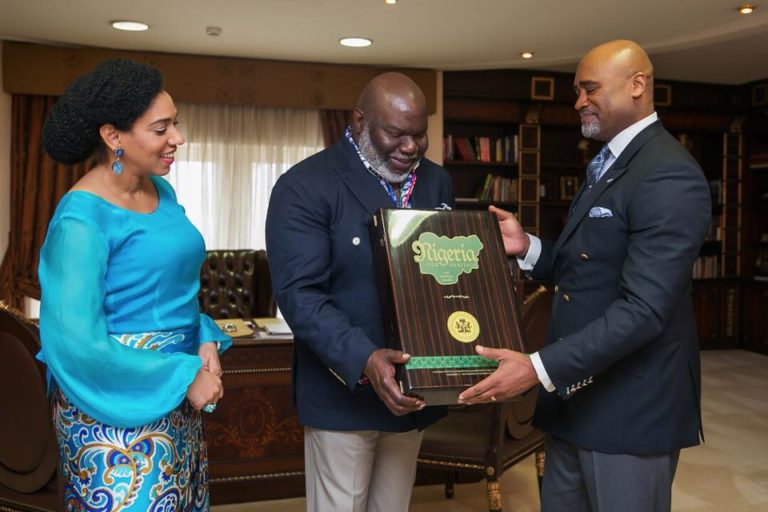
Ever wondered how someone born in West Virginia ends up feeling connected to the soil of southeastern Nigeria? That’s the story of T.D. Jakes. He’s a major American pastor and figurehead, and in recent years he revealed that through DNA testing his ancestry traces back to the Igbo, bringing a deeper layer to his identity and work.
The written record
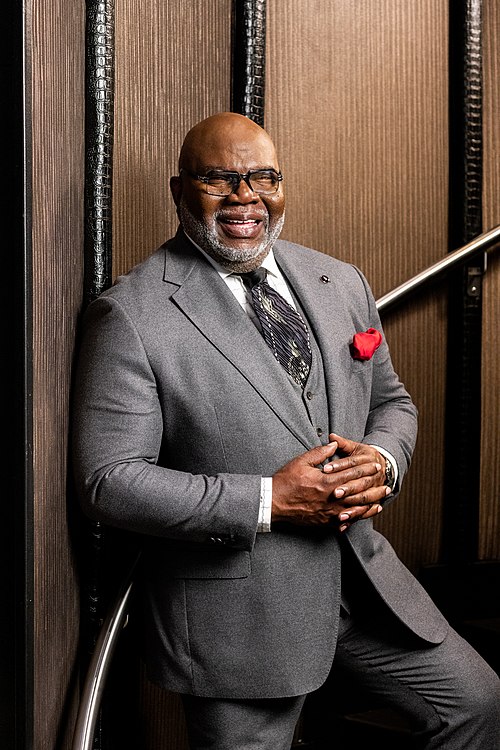
This article documents the discovery by Bishop Thomas Dexter Jakes Sr., prominent American theologian and humanitarian, regarding his ancestral origins. Through genetic analysis conducted as part of a significant televised historical research project, Bishop Jakes’ paternal line was conclusively traced to the Igbo ethnic group, indigenous to southeastern Nigeria, West Africa. The finding is analyzed not only as a personal moment of historical affirmation for Jakes but also as a powerful representation of the enduring genetic links between African Americans and specific populations on the African continent, often severed by the transatlantic slave trade.
Historical context
Early Life & Ministry Snapshot
The quest for ancestral origins among African Americans represents a crucial effort in reclaiming historical identity lost through centuries of chattel slavery. In the early 2000s, this pursuit was significantly advanced by the advent of genetic genealogy. Bishop T.D. Jakes, a globally recognized spiritual leader, participated in the Public Broadcasting Service (PBS) documentary series, “African American Lives,” which employed advanced DNA analysis to explore the roots of several distinguished figures. The subsequent disclosure of his paternal lineage connecting him to the Igbo people has provided a profound context for his identity and professional characteristics.
T.D. Jakes (born June 9, 1957),an American non-denominational Christian evangelical pastor and motivational speaker, he grew up in South Charleston, West Virginia. He was the founder and senior pastor of The Potter’s House, a non-denominational American megachurch in Dallas, Texas, from 1996 to 2025. Jakes’ church services and evangelistic sermons are broadcast on The Potter’s Touch. He is the author of many books and also produces films. He’s known for motivational speaking, books, film production, and a ministry that has touched millions.
In a 2020 interview and related reports, Jakes shared how DNA testing revealed his ancestral link to the Igbo people in Nigeria. He said: “Mine was traced back to West Africa, to Nigeria and particularly Igbo. My ancestors were Igbos. … It’s indescribable.”
He described how he recognised “so many traces” of traits attributed to the Igbo, hard work, entrepreneurship, leadership and so on in his own life.
The Igbo people are known for a strong cultural emphasis on industry, self-reliance, and entrepreneurial success. Following the genetic confirmation, Bishop Jakes reflected on how these recognized Igbo characteristics resonate with his own lifelong personal and professional drive.
In multiple public statements, Bishop Jakes articulated that the discovery offered a much-needed historical context for his identity, moving beyond the historical identification solely through a “German name that only signified who owned my ancestors”. He emphasized the psychological and spiritual significance of establishing that his forebears “were something before they were a slave,” thereby validating an original, un-enslaved African heritage
The genealogical determination was achieved through a comprehensive genetic study, specifically analyzing Bishop Jakes’ Y-chromosome haplotype. The Y-chromosome is exclusively passed down the paternal line, making it a definitive marker for tracing male ancestral heritage across millennia.
The research, led by renowned Harvard University professor Henry Louis Gates Jr., employed specialized comparative genomics techniques. The results indicated a strong genetic correlation between Bishop Jakes’ Y-chromosome markers and those prevalent in the contemporary Igbo population of Nigeria. This finding points definitively to the geographic region and ethnic group from which his direct male ancestors were forcibly removed.
How It’s Shaping His View & Outreach
For Jakes this discovery seemed to offer something more than just a genealogical note, it gave him a sense of roots. He said that as an African-American, losing history through slavery often meant being cut off from original homelands, so finding this connection was “gratifying.”
He also recalled his trips to Nigeria and how the culture, food (like jollof rice and fufu) and hospitality made him feel like more than a visitor, but someone coming home.
Since learning about his Igbo ancestry, Jakes has expressed interest in reconnecting with African heritage in broader terms, encouraging his children to learn more about Africa, engaging with Nigerian and African communities, and reflecting on the trans-Atlantic history of his people.
He commented on how the slave trade not only removed people from land but stripped away deeper cultural ties: “One of the tragedies of the slave trade is not just that we were taken … We lost our history.”
The Igbo & Diaspora Connection
The Igbo have long been identified in genetic and historical work as one of the major source peoples for African-Americans whose ancestors were forced into slavery. Jakes’ story underscores that connection in a high-profile way.
For many in the diaspora, his experience is a real-life example of reconnecting with homeland identity and rediscovering heritage in the context of global faith and community.
In all, the definitive tracing of Bishop T.D. Jakes’ paternal lineage to the Igbo people of Nigeria through Y-chromosome analysis is a powerful milestone in African American genealogy. It not only offers a personal moment of truth and affirmation for Jakes but also provides a high-profile, documented example of the enduring biological and cultural ties connecting the African diaspora to the African continent. This scientific validation continues to fuel dialogue and cultural exchange, contributing to the broader effort of historical reconciliation.
Sources and references
- BellaNaija. (2017, September 8). Ifeanyi Adefarasin reveals TD Jakes is of Igbo descent.
- T.D. Jakes. (n.d.). In Wikipedia.
- My ancestors are Igbo, Bishop T.D. Jakes reveals. (2020, September 23). Vanguard.
Cite this article
Discussion
Sign in to join the discussion
Comments are checked by an editor before they appear. Leave a source or a correction and it is read first.
Continue reading
Related histories
 Anthropology and EthnographyThe Demography of Biafran Slave Exports (1650–1850)Read history →
 Anthropology and EthnographyMasquerade Traditions from Igboland to the Caribbean (Jonkonnu, Mocko Jumbie)Read history →
 Anthropology and EthnographyMapping Igbo Destinations in the Americas: A Comparative AnalysisRead history →
No comments yet
Nothing has been approved on this record yet. Comments are checked by an editor before they appear, so one written now shows on this page after that check.