 Ozikoro
 Anthropology and Ethnography · Published history
Calabar as a Seaport: The 400-Year History of One of West Africa’s Most Significant International Trade Hubs
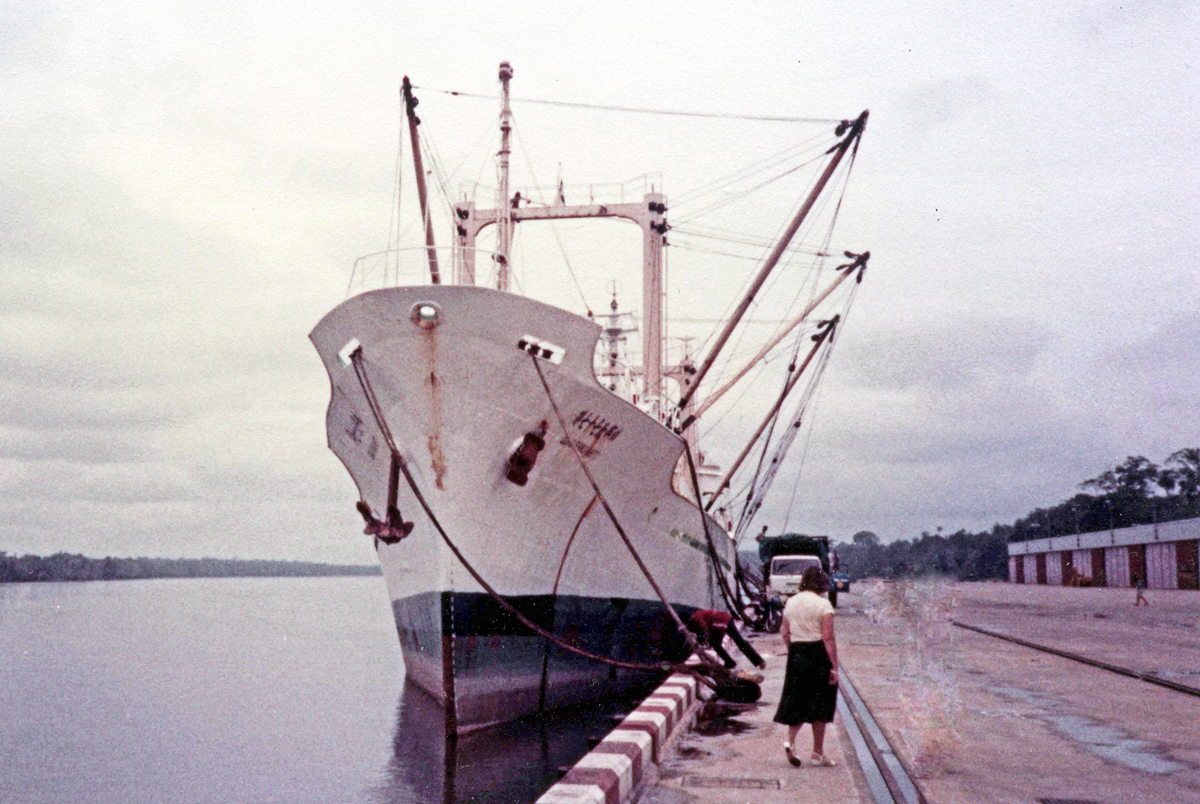
For more than four centuries, Calabar has stood as one of West Africa’s most influential seaports, serving as a gateway between the Cross River hinterlands and the Atlantic world. Located at the confluence of the Calabar and Cross Rivers, the port became a strategic commercial center for European traders from the fifteenth century onward. From the era of Portuguese contact to its role in the British-controlled Niger Coast Protectorate, Calabar shaped regional politics, international commerce, and the historical development of Nigeria.
The written record

Photo credit; Wikipedia.
Historical context
Early European Contact and the Rise of the Port
European involvement in the Calabar region began as early as the fifteenth century when the Portuguese first traded along the West African coast. Over time, the Cross River estuary became a prime destination for merchants because the Efik middlemen of Old Calabar (also known as Akwa Akpa) facilitated organized, stable, and profitable trade. By the seventeenth century, Dutch, British, French, and Spanish ships regularly visited Calabar to exchange goods for enslaved persons, palm oil, ivory, and local produce. Its sheltered waterways, deep anchorage, and access to the interior via canoe routes made Calabar one of the most preferred ports on the Bight of Biafra.
Calabar and the Atlantic Slave Trade
During the eighteenth century, Calabar emerged as one of the most active slave-exporting ports in West Africa. Historians estimate that Calabar, alongside Bonny, accounted for a significant percentage of enslaved Africans shipped from the Bight of Biafra. Efik merchant houses such as those under Duke Ephraim, the Henshaw family, and the Eyamba lineage controlled the traffic in enslaved people through a complex partnership with European captains. The “middleman” system ensured that European traders rarely ventured deep into the interior; instead, the Efik coordinated the collection, negotiation, and transportation of captives to coastal warehouses.
The prominence of Calabar during this period transformed the port into a wealthy city-state. Elite merchant Houses reinforced their position through alliances with the Ekpe (Ngbe) society, which regulated trade, enforced contracts, and maintained social order. This organizational structure made Calabar an efficient commercial center in the Atlantic world.
The Shift to Palm Oil and Legitimate Commerce
With the abolition of the transatlantic slave trade in the early nineteenth century, Calabar rapidly adapted to new economic realities. From the 1840s onward, the port became a major exporter of palm oil, palm kernels, and other agricultural goods. This transition revitalized Calabar’s role as an international seaport. Merchant Houses established new supply networks into the Efik, Ibibio, and Igbo hinterlands, ensuring a steady flow of produce.
British traders, who increasingly dominated the region, maintained close relationships with Calabar chiefs. The port became an essential link in Britain’s industrial needs, as palm oil was used for soap, candles, and machinery lubrication. By the mid-nineteenth century, Calabar was not only economically significant but also politically strategic for European imperial ambitions.
Calabar as the Administrative Capital of the Niger Coast Protectorate
Calabar’s importance was further solidified when Britain designated it as the headquarters of the Oil Rivers Protectorate in 1884, later renamed the Niger Coast Protectorate in 1893. Its port facilities, established European presence, and long history of regulated commerce made it ideal for administrative governance. As the capital, Calabar housed consular courts, customs offices, mission stations, and early colonial infrastructure.
This era also marked the introduction of steamship commerce. British trading companies such as the Royal Niger Company and various Liverpool firms used Calabar as a major distribution point for goods entering and leaving Eastern Nigeria.
Port Expansion and Economic Influence in the 20th Century
Despite the relocation of the Protectorate capital to Lagos in 1906, Calabar remained a vital seaport throughout the twentieth century. The port continued exporting palm products, timber, rubber, and later petroleum-related goods. Government investments, including the construction of new docks, warehouses, and navigational improvements, ensured that Calabar stayed competitive with ports like Port Harcourt and Warri.
Additionally, the establishment of the Calabar Free Trade Zone (FTZ) and the Tinapa Business Resort much later reflected ongoing efforts to revitalize the port’s economic relevance. Calabar’s historical role as a maritime gateway also contributed to the growth of its cultural diversity European missionaries, traders, Sierra Leonean settlers, and other migrants shaped its cosmopolitan character.
Calabar’s Maritime Culture and Legacy
As a seaport, Calabar developed a rich maritime culture rooted in canoe transportation, waterfront trade, and interaction with foreign cultures. The presence of European mission schools and early Western institutions transformed Calabar into one of Nigeria’s most educated cities by the early twentieth century.
Moreover, the seaport helped entrench the Efik’s diplomatic reputation. Efik chiefs learned to negotiate treaties, manage customs duties, and maintain political relationships with some of Europe’s most powerful nations. The legacy of this history lives on in cultural institutions such as the Ekpe society, the Obong’s palace, and the House system.
For four centuries, Calabar has operated as one of West Africa’s most important seaports, influencing regional trade, diplomacy, and cultural exchange. From the era of European exploration to its role in the Atlantic slave trade, the rise of the palm oil economy, and its service as the administrative capital of the Niger Coast Protectorate, Calabar’s port shaped the economic and political landscape of modern Nigeria. Its legacy continues today as a symbol of international commerce, cultural sophistication, and historical endurance.
Sources and references
- Aye, E. U. (1991). Old Calabar through the centuries.
- Hogan, C. M. (2024). Calabar. Wikipedia.
- Jones, G. I. (1963). The Trading States of the Oil Rivers. Oxford University Press.
- Latham, A. (1973). Old Calabar, 1600–1891: The impact of the international economy upon a traditional society. Oxford University Press.
- Lovejoy, P. E. (2000). Transfo rmations in Slavery. Cambridge University Press.
Cite this article
Discussion
Sign in to join the discussion
Comments are checked by an editor before they appear. Leave a source or a correction and it is read first.
Continue reading
Related histories
 Anthropology and EthnographyThe Demography of Biafran Slave Exports (1650–1850)Read history →
 Anthropology and EthnographyMasquerade Traditions from Igboland to the Caribbean (Jonkonnu, Mocko Jumbie)Read history →
 Anthropology and EthnographyMapping Igbo Destinations in the Americas: A Comparative AnalysisRead history →
No comments yet
Nothing has been approved on this record yet. Comments are checked by an editor before they appear, so one written now shows on this page after that check.