 Ozikoro
 Anthropology and Ethnography · Published history
Control of the Ethiope and Escravos Rivers: Naval Skirmishes to Secure Trade Dominance
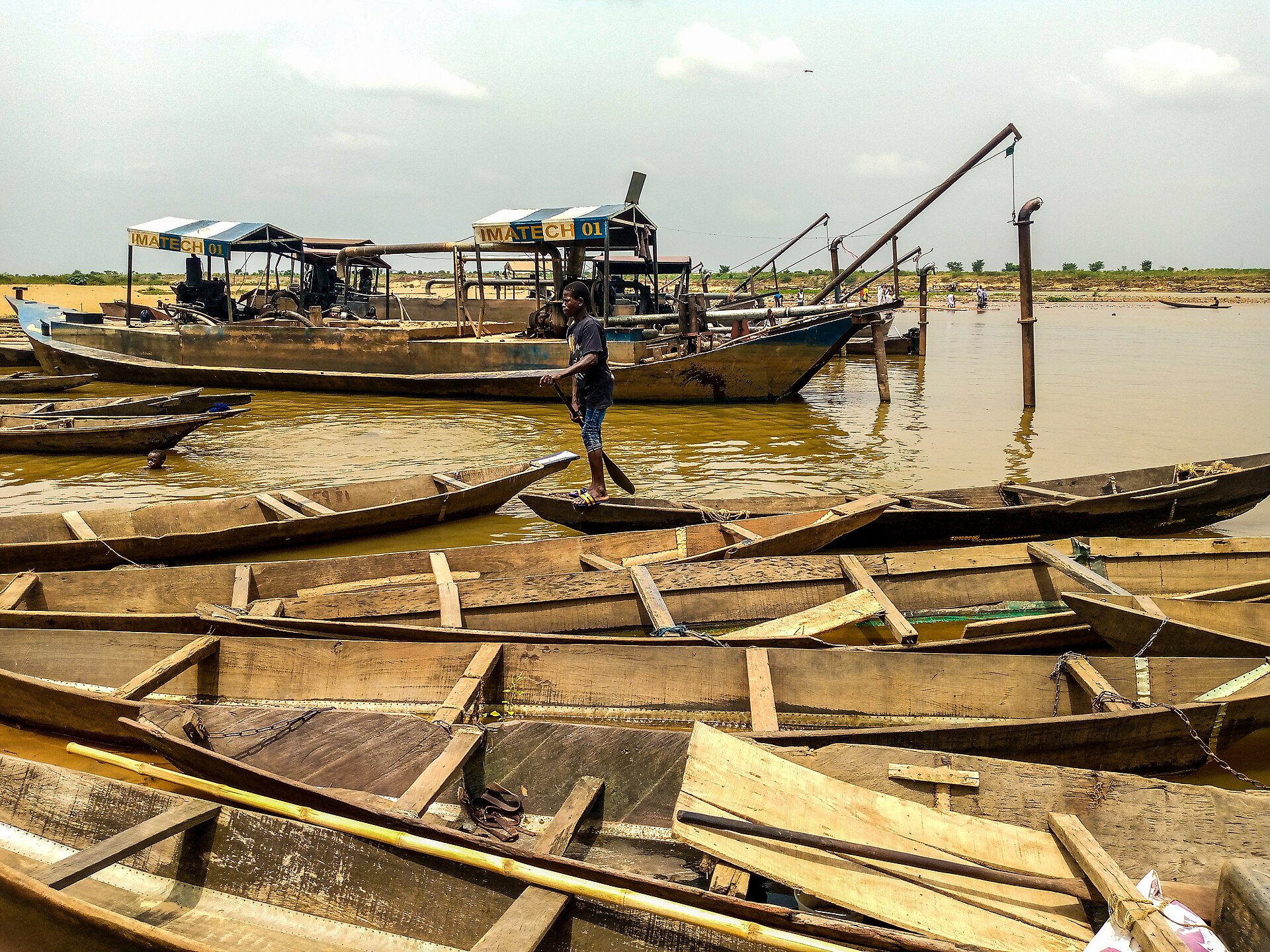
The waterways of the Niger Delta have long been essential corridors for commerce, diplomacy, and political influence. Among these waterways, the Ethiope River and Escravos River stood at the center of Itsekiri economic and political power. Control over these rivers ensured access to inland markets, coastal ports, fishing zones, and international trade routes. As maritime specialists, the Itsekiri people engaged in naval skirmishes, defensive patrols, and strategic diplomacy to protect these waterways from rival ethnic groups, competing merchant interests, and later, European commercial encroachment.
The written record
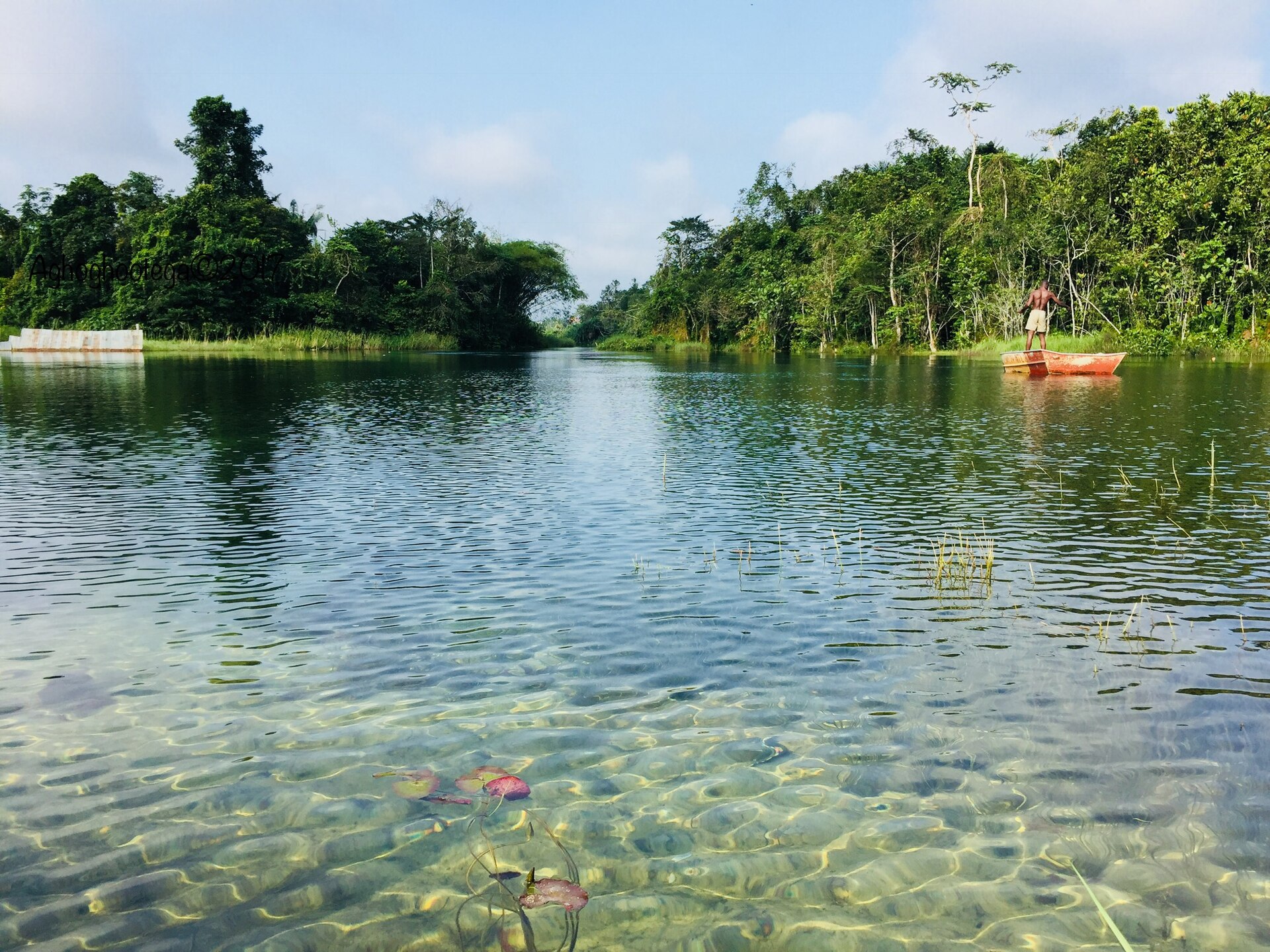
Photo credit: Aghogho Otega via Wikimedia Commons.
Historical context
Geographic and Economic Importance of the Rivers
- The Ethiope River as a Commercial Lifeline
The Ethiope River, noted for its unusually clear freshwater emerging from deep aquifers, served as a major artery connecting inland communities to the Warri trading system. According to Ethiope River, the river flows from Umuaja into the creeks that eventually link to the Warri River. For the Itsekiri, this river provided;
Access to inland Urhobo and Isoko markets.
A route for transporting European merchandise, such as “firewater,” textiles, and iron tools.
A means of collecting agricultural produce, including palm oil and food crops.
Its economic value made control essential for securing tribute, taxes, and trade monopolies.
- The Escravos River as the Gateway to the Atlantic
The Escravos River, historically linked to the Portuguese word “Escravos” (“slaves”), connected Warri to the Atlantic Ocean. Escravos River notes that it was one of the major outlets used by European ships during the early Portuguese and later Dutch periods. The river’s importance centered on;
Serving as a maritime entrance for European vessels.
Facilitating trade in ivory, salt, spices, textiles, and later palm oil.
Acting as a naval buffer zone that protected the heartland of the Warri Kingdom.
Because this river opened directly to the sea, naval presence along its channels was crucial to maintaining Itsekiri sovereignty and controlling commercial interactions.
The Rise of Itsekiri Maritime Power
- War Canoes and Naval Mobility
Itsekiri developed advanced naval capabilities, as documented by Alpern. Their war canoes were large, fast, and capable of carrying dozens of warriors. Equipped with paddlers, musketeers, and lookout captains, these vessels were perfect for navigating the winding creeks of the Niger Delta. Control over the Ethiope and Escravos rivers therefore depended not only on geography but also on the superior maritime technology of the Itsekiri.
- Relationship with Portuguese Firearms
By the 16th century, the Itsekiri were among the earliest West African groups to adopt Portuguese firearms. Warri Kingdom notes that contact with the Portuguese began in the late 15th century, leading to the introduction of muskets, gunpowder, and metal ammunition. This gave the Itsekiri a significant advantage in defending their waterways and repelling rival naval incursions.
Naval Skirmishes and Defense of Trade Routes
- Conflicts with Inland Rivals
Competition over the Ethiope River often involved tensions with inland Urhobo communities. These disputes typically involved:
Protection of toll-collection rights.
Safeguarding trade canoe convoys traveling between inland markets and the coast.
Preventing unauthorized trading that bypassed Warri’s tax system.
Although these skirmishes did not aim to destroy rival communities, they were defensive actions designed to enforce economic rules and territorial rights.
- Defending the Escravos Corridor from Rival Delta Powers
Along the Escravos River, the Itsekiri often clashed with Ijaw (Ijaw-Obolo, Arogbo, and Gbaramatu) maritime groups. These conflicts involved;
Disputes over control of fishing zones.
Protection of European trading posts and anchorage points.
Preventing rival groups from intercepting foreign goods intended for Warri.
These skirmishes were characteristic of Niger Delta politics competitive but generally non-destructive, with each group asserting its influence in the creeks.
- The Role of Diplomacy and Treaty Agreements
Itsekiri understanding of diplomacy was advanced. When necessary, they negotiated treaties with neighboring groups to regulate trade tolls, fishing rights, and safe passage. Later, in the 19th century, the Olu of Warri signed treaties with the British to assert control over parts of the Escravos corridor, although this eventually undermined Itsekiri autonomy.
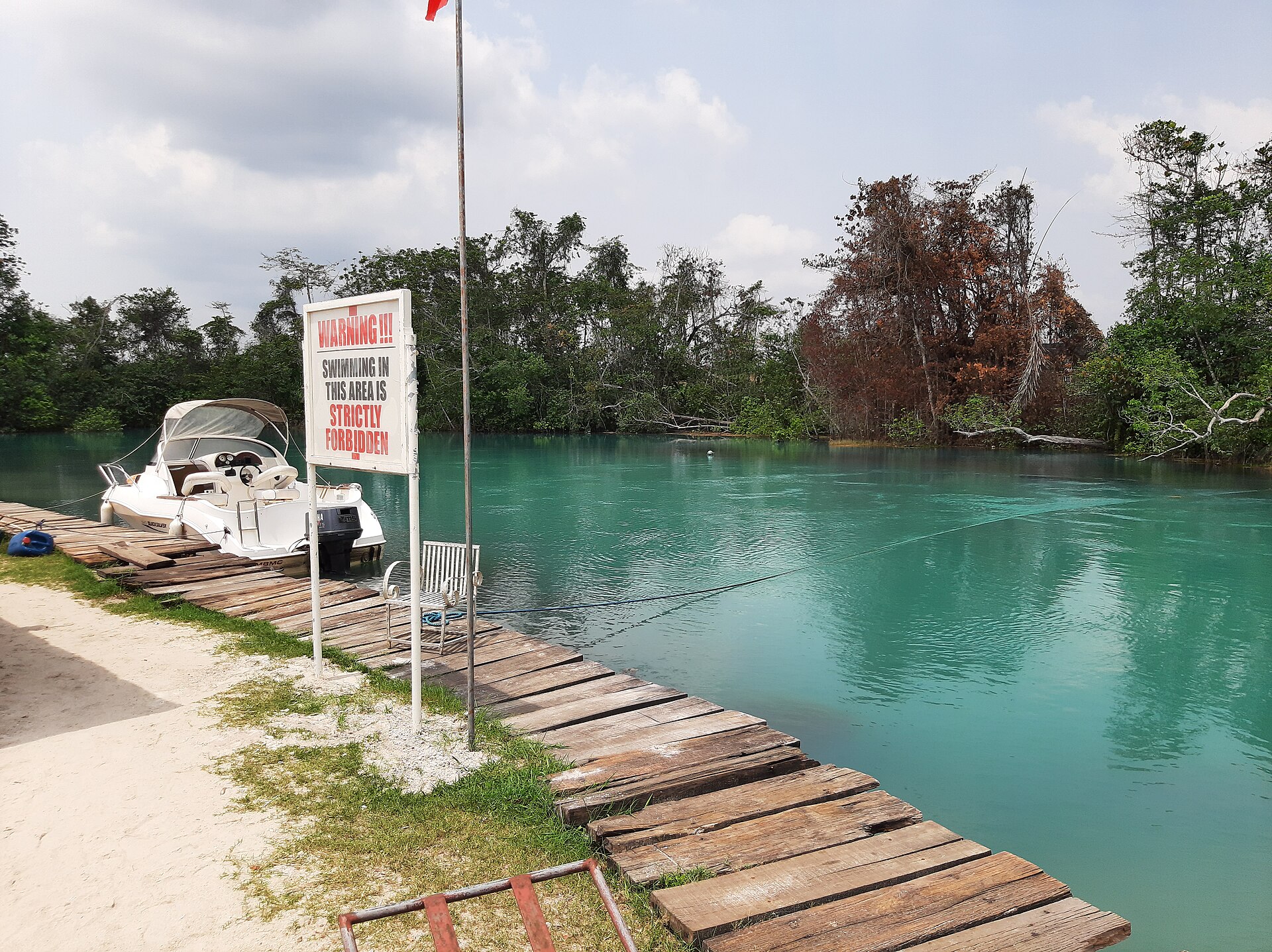
Photo credit: OnwaX via Wikimedia Commons.
European Involvement and Shifting Power Dynamics
- Portuguese Partnerships and Support
In the 16th and 17th centuries, Portuguese traders supported the Itsekiri because Warri maintained a stable trading environment. The Portuguese supplied:
Firearms and gunpowder.
Brass and iron materials used for naval equipment.
Technical knowledge on maritime navigation.
This alliance strengthened the Itsekiri’s ability to control the lower Escravos River.
- Dutch and English Rivalry in the Delta
By the 17th century, Dutch and English traders challenged Portuguese dominance in the region. Alagoa explains that European competition increased the value of controlling river access, as each European nation sought secure points of trade. The Itsekiri leveraged this competition to their advantage by granting controlled access in exchange for wealth and military assistance.
- British Colonial Encroachment and Breakdown of Autonomy
The late 19th century marked a decline in Itsekiri control. The British, seeking direct trade routes for palm oil, imposed new regulations. Conflicts such as the 1894 Nana War (against Chief Nana Olomu, an Itsekiri merchant) formed part of the wider colonial takeover of Delta waterways. After this, the Ethiope and Escravos rivers were placed under colonial marine administration, reducing the kingdom’s authority.
Economic and Cultural Significance of Controlling the Rivers
- Ensuring Trade Revenue and Market Stability
By maintaining security along the rivers, the Itsekiri ensured:
Stable trade with Europeans.
Effective collection of tolls and tributes.
Uninterrupted transportation of goods such as fish, palm oil, and textiles.
Economic stability reinforced the political strength of the Olu of Warri.
- Cultural Assertion of Sovereignty
River control was not just economic, it was cultural. The Itsekiri, known for their maritime identity, viewed these waterways as ancestral pathways and spiritual corridors. Rituals to Umalokun (the deity of the sea) and Oritse (the Supreme Being) often included prayers for safe navigation and victory in protecting the kingdom’s waters.
Control of the Ethiope and Escravos rivers was central to the prosperity and survival of the Warri Kingdom. Through maritime technology, strategic diplomacy, and tactical naval skirmishes, the Itsekiri secured dominance over two of the most economically important waterways in the Niger Delta. These rivers served as gateways to inland commerce and international trade, shaping the political and cultural landscape for centuries. Although colonial intervention eventually altered this balance, the legacy of Itsekiri naval mastery remains a crucial chapter in the history of West African maritime civilizations.
Sources and references
- Alagoa, E. J. (1971). The Niger Delta States and Their Neighbors, 1600–1800. Ibadan University Press.
- Alpern, S. (1995). What Africans Got for Their Slaves: Reciprocal Exchange in the Slave Trade. Journal of African History, 36(1), 63–64.
- Ekeh, P. (2008). Warri City and British Colonial Rule in the Western Niger Delta. Urhobo Historica l Society.
- Horton, R. (1975). African Religion in Transformation. Cambridge University Press.
Cite this article
Discussion
Sign in to join the discussion
Comments are checked by an editor before they appear. Leave a source or a correction and it is read first.
Continue reading
Related histories
 Anthropology and EthnographyThe Demography of Biafran Slave Exports (1650–1850)Read history →
 Anthropology and EthnographyMasquerade Traditions from Igboland to the Caribbean (Jonkonnu, Mocko Jumbie)Read history →
 Anthropology and EthnographyMapping Igbo Destinations in the Americas: A Comparative AnalysisRead history →
No comments yet
Nothing has been approved on this record yet. Comments are checked by an editor before they appear, so one written now shows on this page after that check.