 Ozikoro
Anthropology and Ethnography · Published history
Dick Azundah Hekerem Emejuru: The Man Who Struck the Chord of Division Between the South-South and South-East Igbo People
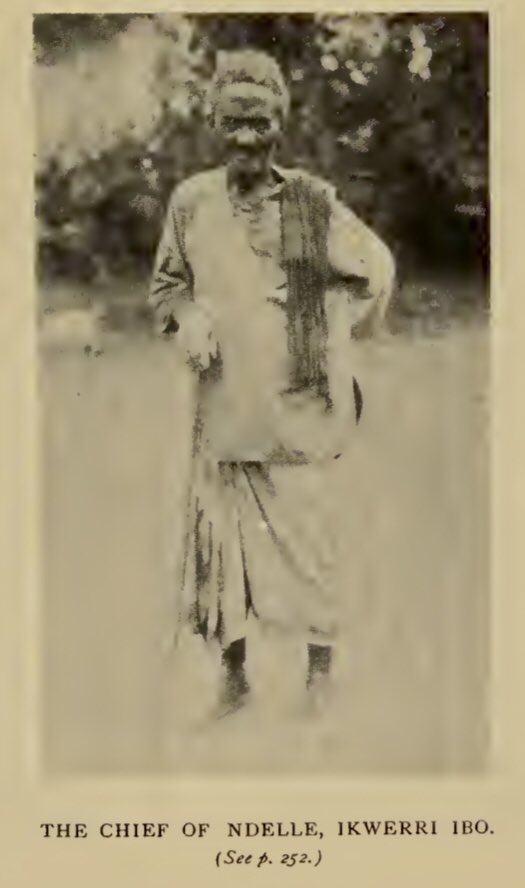
In the contested terrain of southern Nigeria’s ethnic historiography, few individuals have influenced the identity discourse of the South-South Igbo People as profoundly—and controversially—as Late Elder Dick Azundah Hekerem Emejuru. Through his long career in education and his writings on the origins of the Ikwerre, Ogba, and Ekpeye peoples, Emejuru shaped narratives that have outlived him, generating cultural division and identity confusion within what was once a unified Igbo civilisation. His life and work straddle the complex intersections of education, ethnicity, and post-Biafran politics in the Niger Delta.
The written record
By Ogwe Chibuzor & Edited by Idenze Ezeme
Historical context
Early Life and Education
Born in 1924 in Mgbu-Igwe, Omodo, Elele (in present-day Rivers State), Dick Azundah Hekerem Emejuru displayed remarkable intellect from a young age. He completed his primary education at the Seventh-day Adventist School, Elele, under the guidance of Pastor Walton, an English missionary who nurtured his academic potential.
Emejuru excelled in his studies, earning a distinction in the Standard Six Examination. His exceptional performance led to a teacher-training programme at the Adventist School, Aba (1942–43), and later at Ibadan (1944–45), as part of one of the earliest cohorts of formally trained elementary teachers in colonial Nigeria. His pursuit of knowledge later took him abroad, where he obtained a B.Sc. (Economics Inter.) from the University of London in 1967.
Career in Education
Emejuru’s professional life was devoted to teaching and educational administration across Rivers State. Between the 1940s and 1970s, he served as a headmaster in several schools, including:
-
SDA School, Ahoada
-
SDA School, Elele
-
U.N.A. Erema
-
N.A. School, Mgbu Tolu Akpo
-
SDA School, Obite
-
N.D.D. Omuanwa
-
N.D.D. Edeoha
-
N.D.D. Elele Alimini
-
N.D.D. Amauaazari
-
State School 1, Elele (1970–1973)
After decades of service, he rose to the position of Supervisor of Schools, where he contributed significantly to the development of basic education in Rivers State. His intellectual ability and administrative skill earned him widespread respect among his peers.
Ethnic Heritage and Cultural Identity
Emejuru’s ancestry presents a fascinating yet complex case of cultural integration. Although regarded as an Elele indigene, historical accounts suggest he was of Fulani descent. His forebears reportedly settled in Elele over two centuries ago, gradually assimilating into Ikwere society. By the time of his lifetime, these Fulani families had adopted Ikwere names, language, and customs, becoming essentially indistinguishable from the indigenous population.
This background may have shaped his psychological distance from the broader Igbo identity. As an assimilated outsider within an Igbo-speaking community, his cultural memory and inherited identity might have influenced his insistence on differentiating Ikwerre, Ogba and Ekpeye from their Igbo kin. This inclination, whether subconscious or deliberate, can be seen as a projection of his desire to redefine belonging on different terms, separate from the dominant Igbo narrative.
It is therefore plausible that his Fulani heritage contributed to his divisive theories, leading him to reinterpret the region’s history in a manner that rejected Igbo kinship. His writings, though couched in intellectual inquiry, often carried a strong anti-Igbo sentiment that appealed to post-war Niger Delta politics.
The Historian and His Controversial Theories
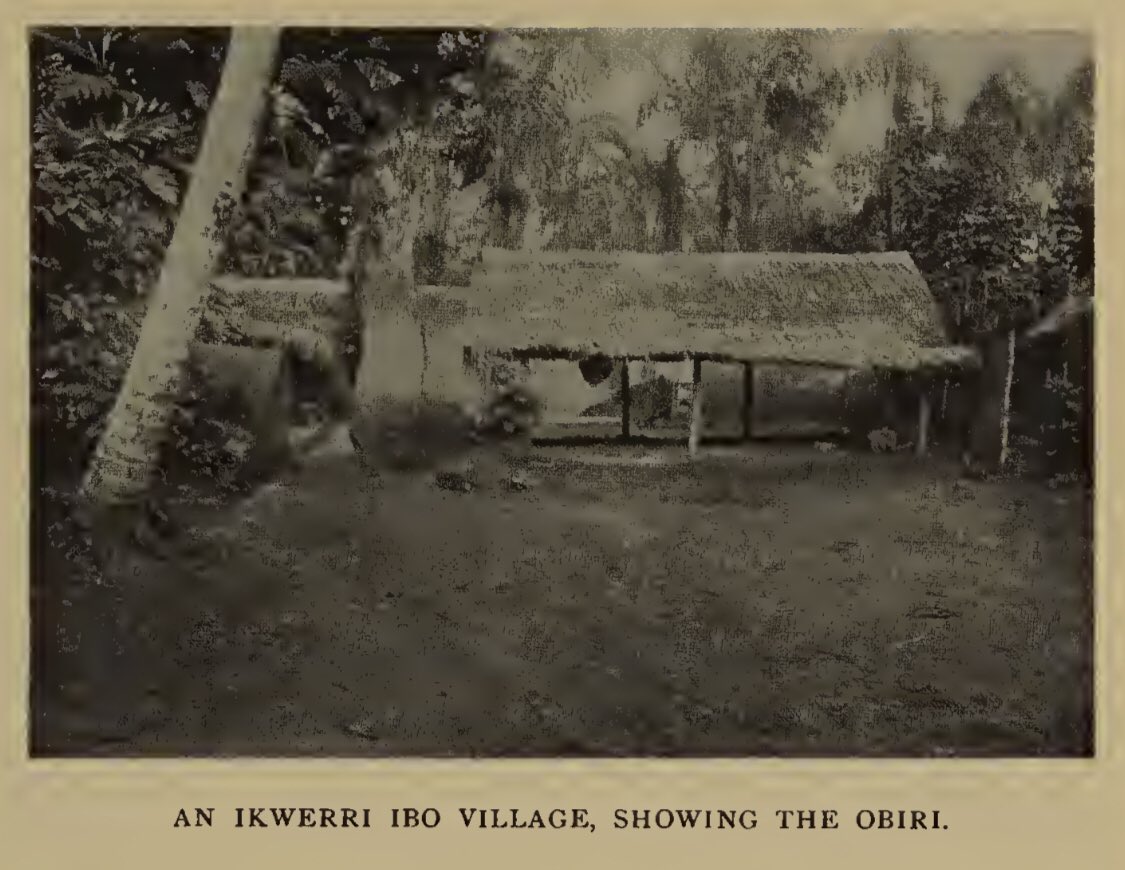
Emejuru’s historical writings, particularly his books Without Prejudice and The Truth You Must Know, remain his most enduring and contentious legacy. In these works, he advanced the Benin-origin theory, proposing that the Ikwerre, Ogba, and Ekpeye peoples descended from migrants who fled the ancient Benin Kingdom after internal wars and upheavals around the 15th century.
He cited figures such as Akalaka, Asava, Oniche, and Owiri as princes who led the eastward migration following the fall of the Ogiso dynasty and the rise of the Oba system. His arguments, written in simple and persuasive language, became profoundly influential and have since shaped local identity among the South-South Igbo communities.
However, many historians and cultural researchers, including Kelvin Chibenumoso Opara, Ed Emeka Keazor and Joseph Oguejiofor Okafor, have strongly disputed these claims, pointing to the absence of archaeological, linguistic, or ethnographic evidence linking these groups directly to Benin. Critics argue that his writings were less historical and more ideological, exploiting post-war sentiments to promote an identity detached from Igbo ancestry.
Today, when people from Ikwerre, Ogba, or Ekpeye claim “our ancestors said we came from Benin,” they are, knowingly or not, echoing Hekerem’s theories—ideas that have since taken deep root in their cosmologies despite lacking empirical basis.
The Legacy of Division and the Quest for Truth
According to Ogwe Chibuzor, Emejuru’s works, though intellectually engaging, “laid the eggs of discord and disunity” among the South-South and South-East Igbo People by creating a perception of separateness rooted more in colonial and post-Biafra politics than in verifiable history.
During the immediate aftermath of the Biafra War (1967–1970), when feelings of betrayal and disillusionment were widespread, many Niger Delta communities embraced Emejuru’s theories as a political tool to assert a distinct identity separate from the South-East. This marked the beginning of the entrenched “Benin-origin” narrative in local consciousness, one that continues to divide the Igbo family.
The Akalaka Narrative and the Ancient Benin Wars
Ogwe Chibuzor further clarified the historical misconceptions surrounding these narratives. In his own words:
“Ogba and Ekpeye are not Benin. Akalaka was not a Benin man by origin but an immigrant who was doing business in the ancient Benin Kingdom before war broke out among the aborigines and the immigrants. The ancient Benin Kingdom was also toxic, a place where people were sold into slavery to the Portuguese, where human sacrifices were made to their gods, Onoku, and where young girls suffered repeated violations. This turmoil led to the war known as Agha na Idu na Oba.
The Idu were the Igodomigodo people, a mixture that included the Igbo People, while the Oba were descendants of Oramiyan through Oba Eweka. That war destroyed the Ogiso dynasty and established the Obashi system of government. During this conflict, the Esan fled to their present homeland, while Akalaka, the Onitsha People and the Oguta People also migrated eastward. Akalaka rebelled against the killing of his people, though he had served as a warrior under Oba Owuare.
The Biafran War has long ended. It is time for the Igbo People of both the South-South and South-East to rediscover their shared ancestry and rebuild their kinship in truth and peace.”
This interpretation reframes Akalaka not as a Benin prince but as a displaced Igbo trader-warrior who resisted oppression, aligning his legacy with the broader Igbo migration narratives.
Anthropological and Linguistic Continuities between South-South and South-East Igbo People
A deeper anthropological view reveals that despite modern political boundaries, the South-South and South-East Igbo People share near-identical linguistic, cultural and political frameworks. The dialect clusters spoken by the Ikwerre, Ndoni, Ogba, Egbema, and Ekpeye exhibit strong lexical and phonological affinities with the Ngwa, Ohuhu, Ohaji, Arochukwu and Mbaise dialects of Abia and Imo States. For instance, the Ikwerre words, Nda/Da (father), Umu/Rumu (children), and Eze (chief priest/king) retain the same semantic and phonetic meanings found throughout Igboland, underscoring a common ancestral linguistic base.
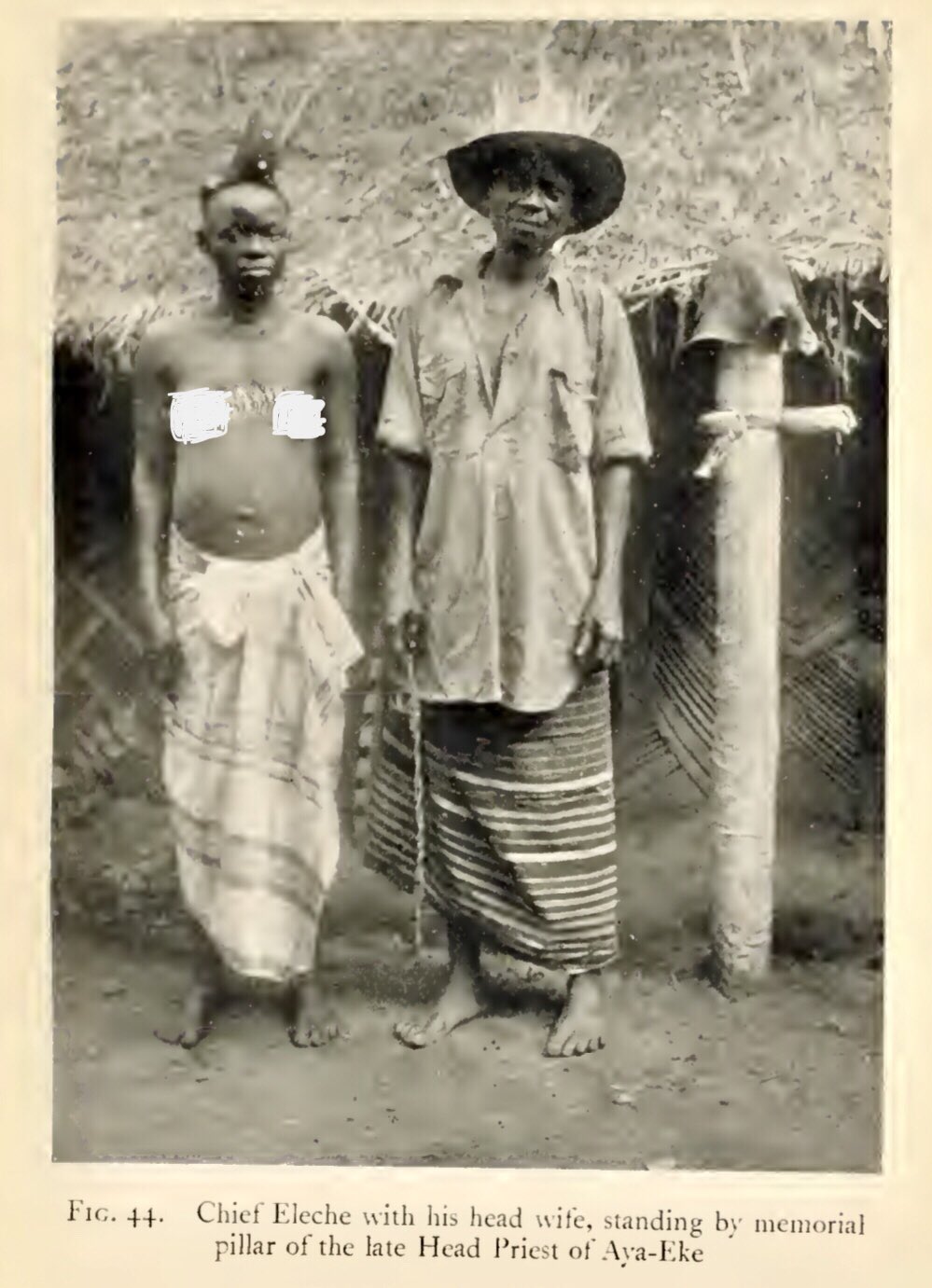
Culturally, both regions share the Ome na ala worldview, centred on ancestral reverence, earth-deity worship, and social morality. Their political systems were traditionally acephalous but anchored on gerontocracy, age-grade governance, and priestly authority, a structure mirrored from Arochukwu to Ndoni, from Oguta to Egbema. The Eze (king), Ndichie (council of elders), and Umuada (women’s assembly) institutions function similarly across both zones, showing that the Igbo People of the South-South are not cultural outliers but integral parts of a broader civilisational continuum.
The presence of sub-tribes such as the Ndoni, Ogba, Egbema, Ekpeye and Ahoada in Rivers State, who share kinship ties with their counterparts in Imo, Anambra and Delta, further demonstrates this historical linkage. These relationships are sustained through intermarriage, shared festivals, and ritual symbols like the Ofo, Ikenga, and Ala deities, which appear uniformly across both regions.
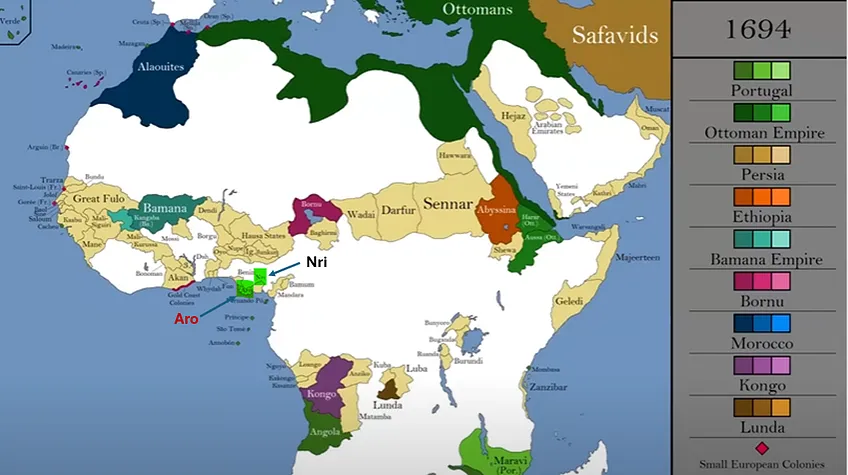
Anthropologists such as Angulu Onwuejeogwu, Elizabeth Isichei, and Adiele Afigbo have long stressed that the cultural and linguistic unity of the Igbo People transcends the artificial borders created by colonialism. The South-South Igbo People thus represent the westernmost and riverine extensions of the same civilisation that produced the Nri, Aro, and Ngwa systems.
Reclaiming Shared Heritage
Late Elder Dick Azundah Hekerem Emejuru remains a complex and polarising figure, an educator, thinker, and identity-shaper whose ideas profoundly affected the perception of Igbo-related groups in the Niger Delta. His Fulani ancestry, his experiences under colonial education, and the political environment of post-Biafra Nigeria all converged to produce his divisive theories. Whether driven by genuine conviction or the psychology of cultural detachment, his writings deepened the historical fracture between the South-South and South-East Igbo. Yet, his legacy also forces modern scholars to revisit the importance of truth, evidence, and reconciliation in reconstructing history.
As Ogwe Chibuzor concludes, “History should be a bridge, not a wall.” The path forward lies in rediscovering kinship through truth and rebuilding unity among all Igbo-descended peoples, north, south, and west of the Niger Delta.
Sources and references
- Emejuru, Dick A. H. (1967). Without Prejudice. Rivers State: SDA Press.
- Emejuru, Dick A. H. (1972). The Truth You Must Know. Port Harcourt: Community Publishing.
- Chibuzor, Ogwe (2023). “The Benin Origin Myth and the South-South Igbo People.” Medium.com.
- Punch Newspapers. “Ikwerres deny ancestral affiliation with South-East.” punchng.com
- Okafor, Joseph Oguejiofor (2025). “The Eri Tradition(s) of Origin in Igbo Historiography.” UZU Journal of History and International Studies , Vol 11 No 2. nigerianjournalsonline.org
- Keazor, Ed Emeka (2020). “Igbo Historiography: Milestones, Triumphs and Challenges.” Opinion Nigeria.
- Nairaland Forum. “Ikwerre People and the Benin Origin Debate.” nairaland.com
Cite this article
Discussion
Sign in to join the discussion
Comments are checked by an editor before they appear. Leave a source or a correction and it is read first.
Continue reading
Related histories
 Anthropology and EthnographyThe Demography of Biafran Slave Exports (1650–1850)Read history →
 Anthropology and EthnographyMasquerade Traditions from Igboland to the Caribbean (Jonkonnu, Mocko Jumbie)Read history →
 Anthropology and EthnographyMapping Igbo Destinations in the Americas: A Comparative AnalysisRead history →
No comments yet
Nothing has been approved on this record yet. Comments are checked by an editor before they appear, so one written now shows on this page after that check.