 Ozikoro
 Anthropology and Ethnography · Published history
Egwu Onwa: Moonlight, Music, and the Spirit of Igbo Youth
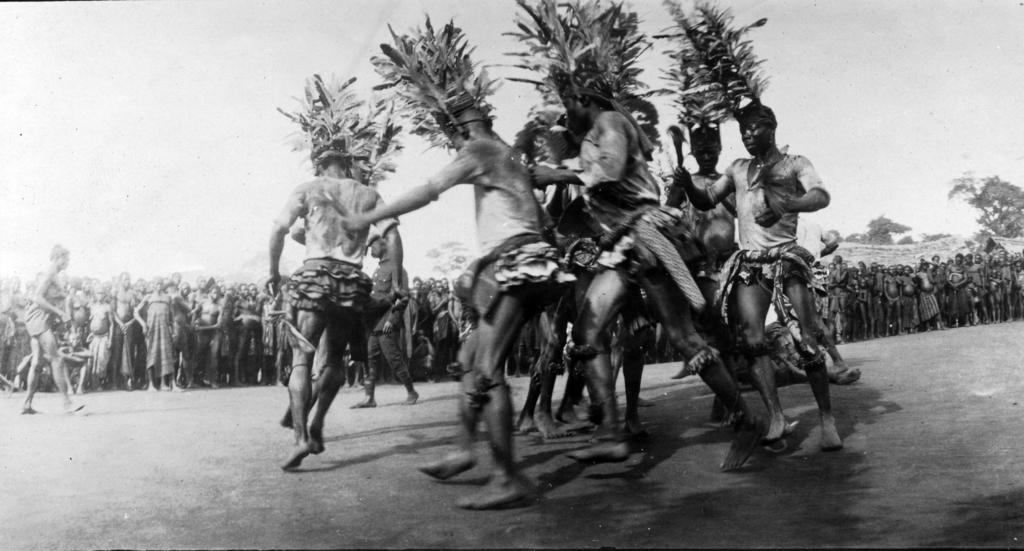
Onwa gburu anyị anyị anyị e na-agba egwu( When the moon shines, we dance). Joy follows, illumination and the community thrives when the night is bright.
The written record
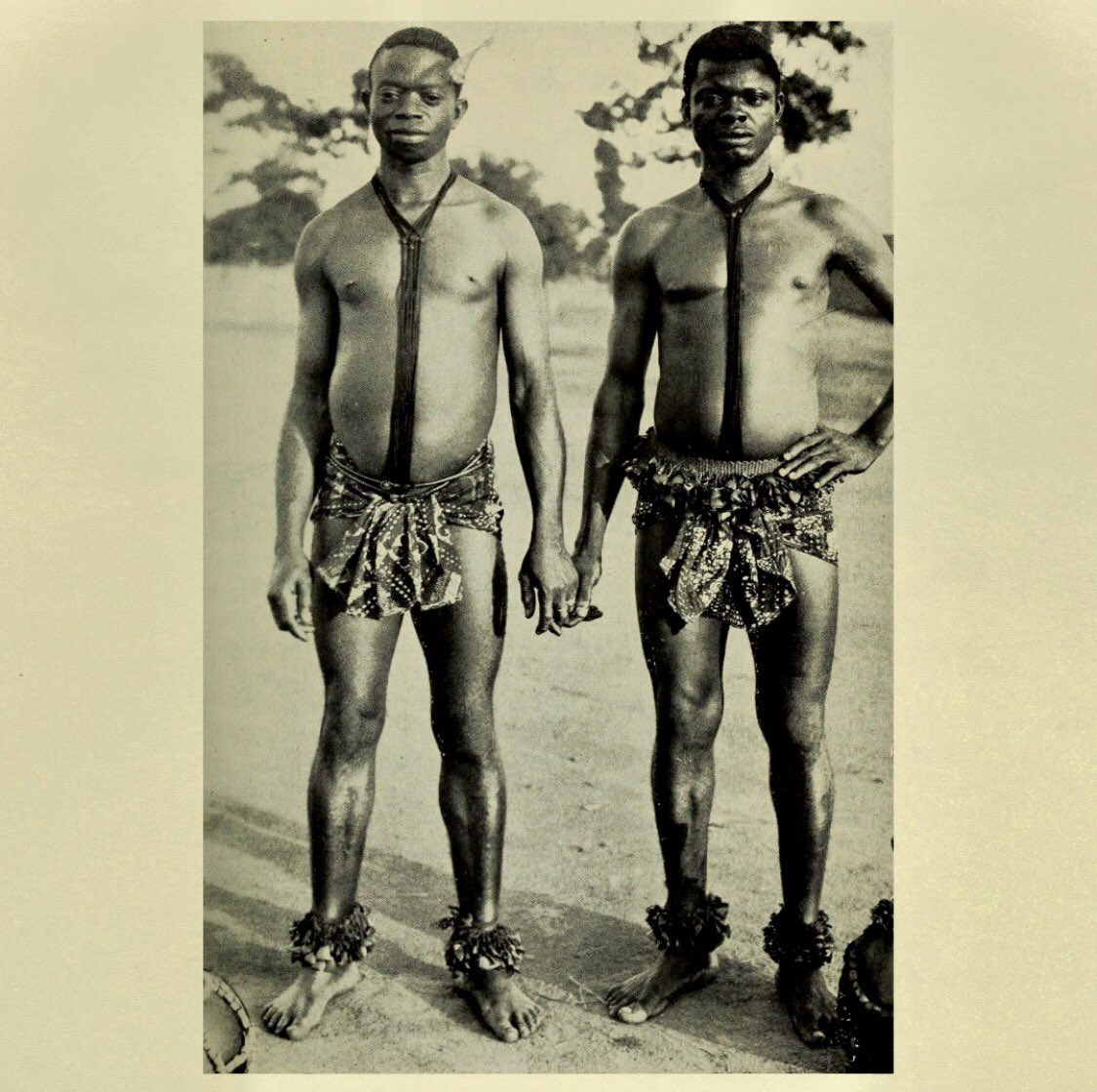
On clear tropical nights, when the full moon (Onwa Ojii) bathed Igbo villages in silver light, children and youths gathered in village squares, singing, clapping, and playing traditional games. This nocturnal festivity, called Egwu Onwa(“moonlight play”), was one of the most beloved institutions in pre-modern Igbo life. It blended recreation, education, and social bonding under the gentle gaze of the ancestors.
Historical context
Origins of Egwu Onwa
The roots of Egwu Onwa reach into Igbo cosmology where the moon (Onwa) signified rhythm, fertility, and divine timing. Each lunar cycle guided agriculture, rituals, and festivals. During bright nights, farm work ceased, and people rested from daily labor. The moon became a communal lamp that invited storytelling, singing, and play.
Anthropological sources (Jones, 1932; Amadi, 1982) note that early Igbo societies lacked artificial lighting; therefore, moonlight provided the safest and most inclusive time for communal gathering. The practice soon evolved into a cultural classroom, where elders taught morals, myths, and clan histories through song and performance, though its purpose was not moral preaching but communal memory and entertainment.
Structure and Activities of Moonlight Play
Egwu Onwa usually began after evening meals. Children gathered at the compound center (ama ụlọ), accompanied by older youths who led the games. Elders watched from nearby verandas, occasionally joining in with stories or laughter.
Common features included:
- Singing and Chanting: Folk songs such as “Nne m n’ele m o!” encouraged rhythm and language fluency.
- Call-and-Response Games: One participant sang a verse; others replied in chorus.
- Storytelling (akụkọ ifọ): Tales of tortoise (Mbe), hare (Enyi Mba), and other tricksters entertained and educated.
- Dance Competitions: Drumming on empty tins or mortar surfaces replaced modern instruments.
- Shadow Plays and Mock Marriages: Symbolic dramatizations that mirrored adult life.
These nightly events provided emotional bonding, social learning, and healthy recreation within the safety of kinship supervision.
Social and Cultural Functions
Although joyous and spontaneous, Egwu Onwa carried deep social meaning. It was:
- A Communal Unifier: Children from different compounds mingled freely, strengthening inter-lineage friendship.
- An Oral Archive: Through repeated songs and tales, language, idioms, and history were preserved.
- A Courtship Ground: Young men and women often met future partners there.
- A Training Platform: Leadership emerged as older youths managed order and group dynamics.
Ọmụmụ okwu bụ ịmụ ndụ(To learn speech is to learn life). Words carry the wisdom of living; whoever listens grows wise. This proverb captures how Egwu Onwa doubled as a verbal apprenticeship, young Igbo sharpened wit, memory, and storytelling skill essential for adulthood.
Transition and Modern Decline
The coming of electricity, formal schooling, and television in the mid-20th century gradually eroded Egwu Onwa. By the 1970s, many villages preferred indoor leisure, and urban migration reduced community cohesion. Yet the imagery of moonlight play persists in literature and memory. Writers like Chinua Achebe and Flora Nwapa immortalized it as a metaphor for innocence and unity.
Cultural groups and schools in eastern Nigeria have recently revived Egwu Onwa as heritage performance, combining traditional dance, riddles, and folk songs in festivals that reconnect youth to ancestral roots.
Symbolism and Enduring Value
In Igbo worldview, moonlight symbolizes continuity and each new moon renews life.
Thus, Egwu Onwa represents cyclical rebirth: community joy returning with each lunar phase. While the modern generation may know the moon only as a celestial body, for the Igbo, it remains a mirror of belonging and shared memory.
Onwa na-abịa ọzọ ka ọ ga-emesi.”(The moon will come again as it always does). Good things return in their season; culture renews itself in time.Even as lifestyles change, the spirit of Egwu Onwa endures wherever laughter, storytelling, and togetherness light up the night.
Sources and references
- Achebe, C. (1958). Things Fall Apart. London: Heinemann.
- Amadi, E. (1982). Ethics in Nigerian Culture. London: Heinemann.
- Jones, G. I. (1932). Photographs of Eastern Nigeria (1930s Collection). University of Cambridge Archives.
- Thomas, N. W. (1910). Northcote Thomas Ethnographic Photographs. Museum of Archaeology and Anthropology, Cambridge.
- IgboGuide.org. (n.d.). Igbo Proverbs and Sayings. Retrieved from https://www.igboguide.org
Cite this article
Discussion
Sign in to join the discussion
Comments are checked by an editor before they appear. Leave a source or a correction and it is read first.
Continue reading
Related histories
 Anthropology and EthnographyThe Demography of Biafran Slave Exports (1650–1850)Read history →
 Anthropology and EthnographyMasquerade Traditions from Igboland to the Caribbean (Jonkonnu, Mocko Jumbie)Read history →
 Anthropology and EthnographyMapping Igbo Destinations in the Americas: A Comparative AnalysisRead history →
No comments yet
Nothing has been approved on this record yet. Comments are checked by an editor before they appear, so one written now shows on this page after that check.