 Ozikoro
 Biography · Published history
Engineer Clement Chukwukadibia Onyemelukwe (The Man Who Designed Nigeria’s National Grid)

Engineer Clement Chukwukadibia Onyemelukwe is one of Nigeria’s most distinguished indigenous engineers and a pivotal figure in the development of the country’s national electricity grid. His work in the early 1960s laid the foundation for Nigeria’s modern power infrastructure, connecting generation stations and communities across vast distances and making reliable electricity distribution possible. Often described as the “Father of Nigerian Electricity,” Onyemelukwe’s contributions extended beyond engineering to national service during the Nigerian Civil War, international entrepreneurship, and academic thought on development and economics. His life reflects the blending of technical expertise with national ambition during Nigeria’s early post-independence period.
The written record
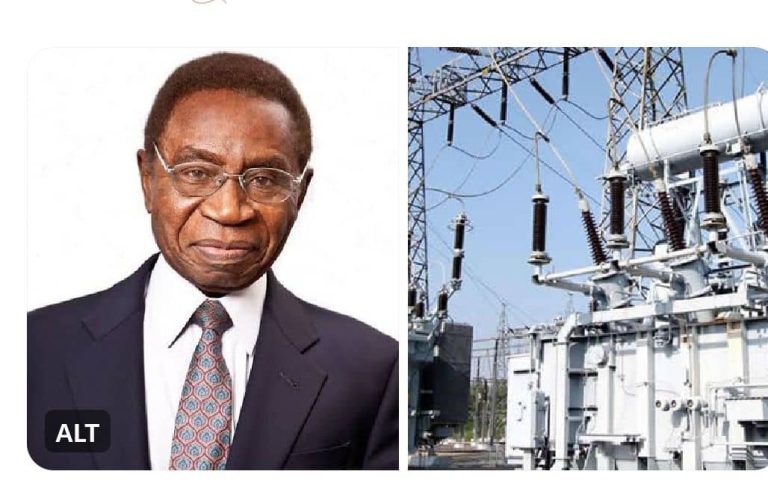
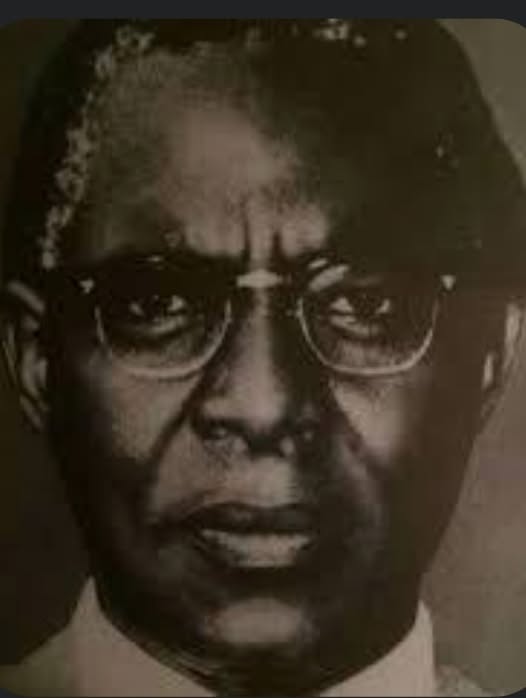
Photo credits; Futureworld. com. ng
Historical context
Early Life and Education
Clement Chukwukadibia Onyemelukwe was born on 1 April 1933 in Nanka, Anambra State, into an Igbo family that valued education and public service. He began his formal education at Dennis Memorial Grammar School (DMGS) in Onitsha, one of the premier colonial-era secondary schools in southeastern Nigeria known for producing leaders in various fields.
After secondary school, Onyemelukwe spent two years at University College, Ibadan, where he took foundational coursework in engineering. In recognition of his academic promise, he was sent by the British colonial government to the University of Leeds in the United Kingdom, where he earned a Bachelor of Science in Engineering in 1956. He furthered his education by obtaining a second degree in economics from the University of London, equipping him with both technical and economic insight, an uncommon combination among engineers of his time.
His exposure to both engineering principles and economic theory provided a unique perspective on how technological systems intersect with national development, a perspective that would inform his leadership in Nigeria’s electricity sector.
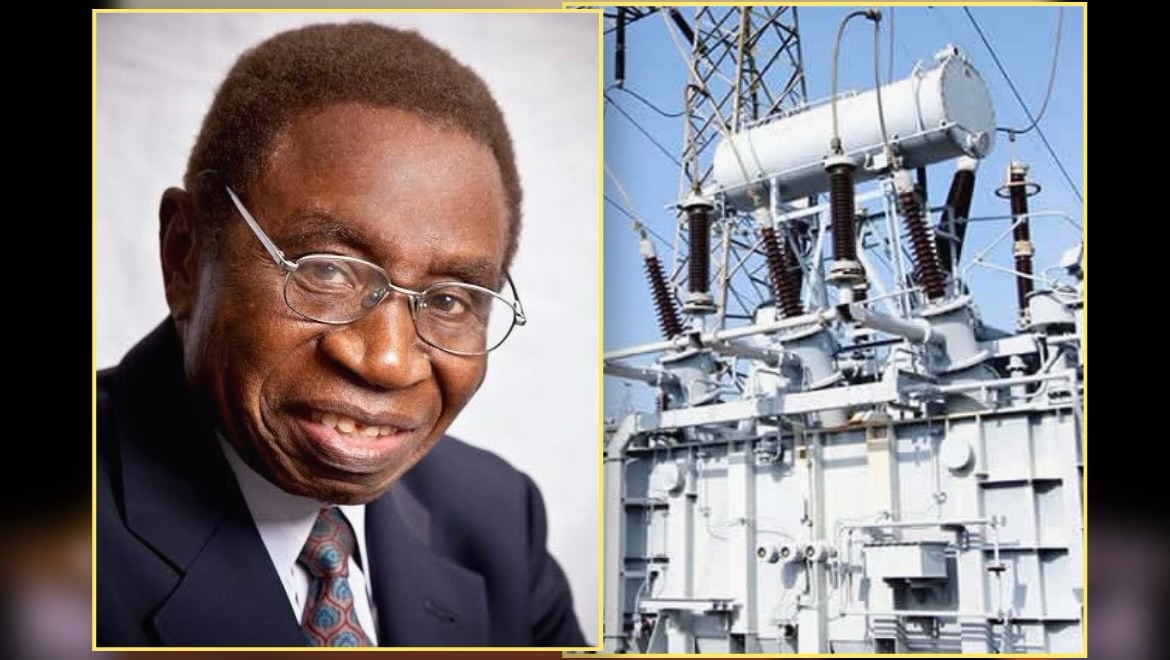
Photo credits; Jakit17 on Dreamstime.com.
Designing Nigeria’s National Grid
After completing his studies, Onyemelukwe worked in the power sector in the United Kingdom, gaining practical experience in electrical systems and planning. Shortly after Nigeria’s independence from British colonial rule in 1960, the newly established Electricity Corporation of Nigeria (ECN) actively recruited qualified Nigerians abroad to build local capacity in key national institutions. Onyemelukwe responded to this call and returned home to join the ECN. In 1961, he was appointed Deputy Chief Electrical Engineer and just one year later, in 1962, he became Chief Electrical Engineer, succeeding his British predecessor. At just 29 years old, Onyemelukwe took on one of the most technically demanding tasks in the nation’s history: the planning and development of Nigeria’s national electricity grid.
The grid design he oversaw was a 330 kV interconnected transmission network that efficiently transmitted electricity across major generation sources and demand centres. This carefully planned system not only improved operational stability but also allowed Nigeria to expand its electrical infrastructure beyond individual isolated power stations and regional grids. Many features of this early design still underpin the national grid infrastructure managed today by the Power Holding Company of Nigeria (PHCN).
His work in the ECN earned him the reputation as the architect of Nigeria’s modern electricity supply system, a legacy that continues to influence power engineering in the country.
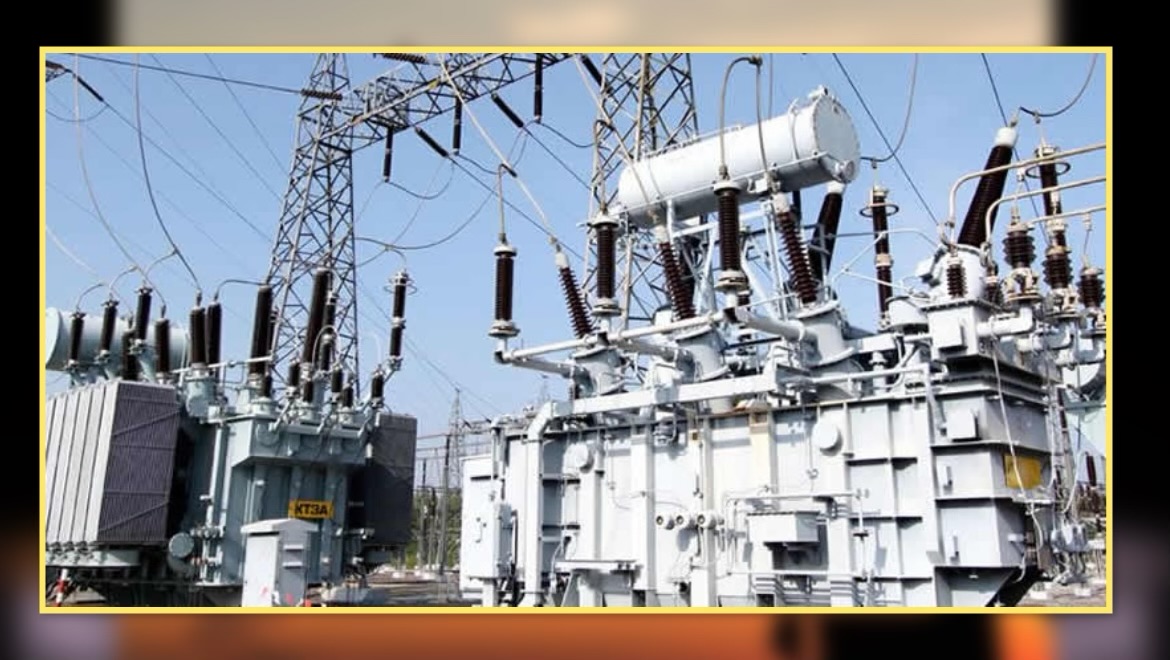
Photo credits; The Guardian Nigerian News
Role During the Nigerian Civil War
The outbreak of the Nigerian Civil War (1967–1970) significantly disrupted national institutions, including energy infrastructure. During this period, Onyemelukwe temporarily stepped away from the ECN and contributed to the administration and technical operations of the breakaway Republic of Biafra. He was appointed to lead the Biafra Coal Corporation and the electricity utility, ensuring that critical energy services were maintained within the conflict zone. His responsibilities expanded as he was also named Executive Chairman of the Biafra Airports Board, overseeing operations at new civilian airports such as Uli Airport, which played a crucial role in relief operations and evacuation flights. In the latter part of the war, he chaired the Panel on Post-War Reconstruction, positioning him at the intersection of technical expertise and national strategy.
Although the war ultimately ended with Biafra’s reintegration into Nigeria, Onyemelukwe’s leadership during this challenging period demonstrated his capacity to manage complex infrastructure under extreme conditions.
Post-War Career and Entrepreneurship
After the civil war ended in 1970, Onyemelukwe returned to his work in the electricity sector with the ECN, which would later become the National Electric Power Authority (NEPA). Through the 1970s, he continued to shape power sector development, mentoring future leaders of the corporation.
In 1973, he left the public sector and founded Freeman Engineering in Lagos, focusing on consulting and engineering services. Three years later, in 1976, he established Colechurch International Ltd, a project management and development company based in the United Kingdom. Over time, Colechurch expanded to operate in more than 30 countries and was involved in projects across Africa, Europe, and the United States, boasting an asset base and staff strength that testified to its global reach. Onyemelukwe’s transition from public service to international entrepreneurship reflects his adaptability and vision as a technocrat who could operate across both national and global contexts.
Publications and Thought Leadership
Beyond engineering and business, Onyemelukwe was a prolific author and intellectual. His written works combined technical, economic, and managerial insights, reflecting his broad understanding of how infrastructure and development intersect.
Notable publications include:
- Industrial Planning and Management in Nigeria (Longmans UK, 1964)
- Men and Management in Contemporary Africa (Longmans UK, 1973)
- Economic Underdevelopment: An Inside View (Longmans UK, 1974)
- Science of Economic Development and Growth: The Theory of Factor Proportions (M. E. Sharpe, 2004)
- The Decline of the American Economy (published posthumously in 2020).
These works examine not only engineering challenges but also the broader socioeconomic forces that shape technological progress and economic policy, marking Onyemelukwe as a thinker engaged with Nigeria’s and the world’s development dynamics.
Personal Life and Legacy
Clement Chukwukadibia Onyemelukwe gained international attention not only for his professional achievements but also for his personal life. In 1964, he married Catherine Zastrow, an American Peace Corps volunteer he met in Lagos. Their interracial marriage occurred at a time when such unions were rare and even illegal in some parts of the United States, drawing attention in publications such as Life Magazine and Ebony Magazine.
Onyemelukwe later relocated with his family to Westport, Connecticut, in the United States, where he continued to engage in engineering consultancy, writing, and international business until his death on 18 January 2020 from metastatic lung cancer at the age of 86. He was buried in his ancestral village of Nanka in Anambra State, reflecting the Igbo cultural belief that one should ultimately return to their roots.
Impact and Historical Significance
Engineer Clement Chukwukadibia Onyemelukwe’s contributions to Nigeria’s power sector represent one of the most enduring legacies of the early post-independence era. His design of the national grid not only facilitated economic development but also laid the groundwork for subsequent expansions of Nigeria’s electricity system. Although the grid today faces challenges related to aging infrastructure and demand pressures, the foundational work conceived by Onyemelukwe remains central to efforts to modernize and stabilize the network. Beyond engineering, his career demonstrates how technical expertise can inform national strategy, economic thought, and institutional leadership. His writings continue to offer insights into the relationship between infrastructure planning and economic development.
Engineer Clement Chukwukadibia Onyemelukwe was a towering figure in Nigeria’s engineering history. As the designer of the national grid, a leader during wartime, an international entrepreneur, and an author, his life and work reflect a blend of technical mastery, intellectual depth, and public service. His legacy continues to influence discussions on infrastructure, energy policy, and national development in Nigeria and beyond.
Sources and references
- Contents101. (2024). Engr. Clement Onyemelukwe biography, career, controversies, and death.
- My Engineers. (2020, February 28). Remembering Clement Onyemelukwe, ‘Father of Electricity’ in Nigeria.
- Future World Magazine Online. (2025, September 11). Engr. Clement Onyemelukwe, the man who designed the national grid in 1962.
- Nairaland. (2025, September 11). This is the man that designed the National Grid.
- The Sun Nigeria. (2020, April 9). Onyemeluk we’s funeral was postponed.
Cite this article
Discussion
Sign in to join the discussion
Comments are checked by an editor before they appear. Leave a source or a correction and it is read first.
Continue reading
No comments yet
Nothing has been approved on this record yet. Comments are checked by an editor before they appear, so one written now shows on this page after that check.