 Ozikoro
 Anthropology and Ethnography · Published history
“Eze Uzu” (King of Blacksmiths): Examining the Socio-Political Power of the Awka Iron-Working Guilds During British Pacification
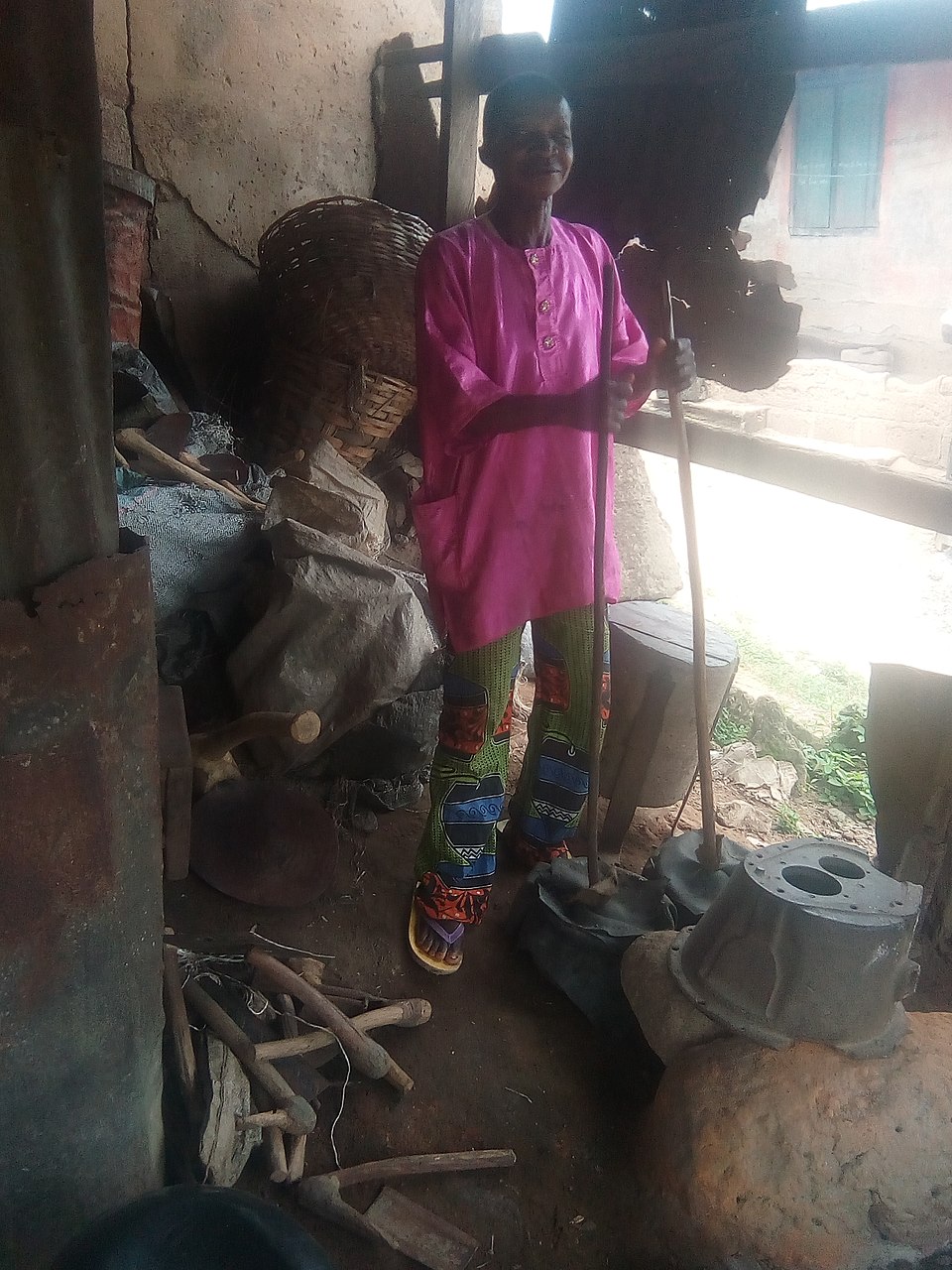
Before the establishment of British colonial rule in southeastern Nigeria, Awka stood as one of the most influential craft centers in Igboland. Renowned for their mastery of iron, Awka blacksmiths organized into hereditary guilds played vital economic, spiritual, and political roles. At the apex of this guild hierarchy was the Eze Uzu, commonly interpreted as the “King of Blacksmiths,” a symbolic and sometimes political authority who represented the collective interests of Awka craftsmen.
The written record
During the era of British pacification (1900–1920s), the prestige of Awka’s smithing clans encountered new challenges as colonial rule sought to regulate indigenous power structures.
Historical context
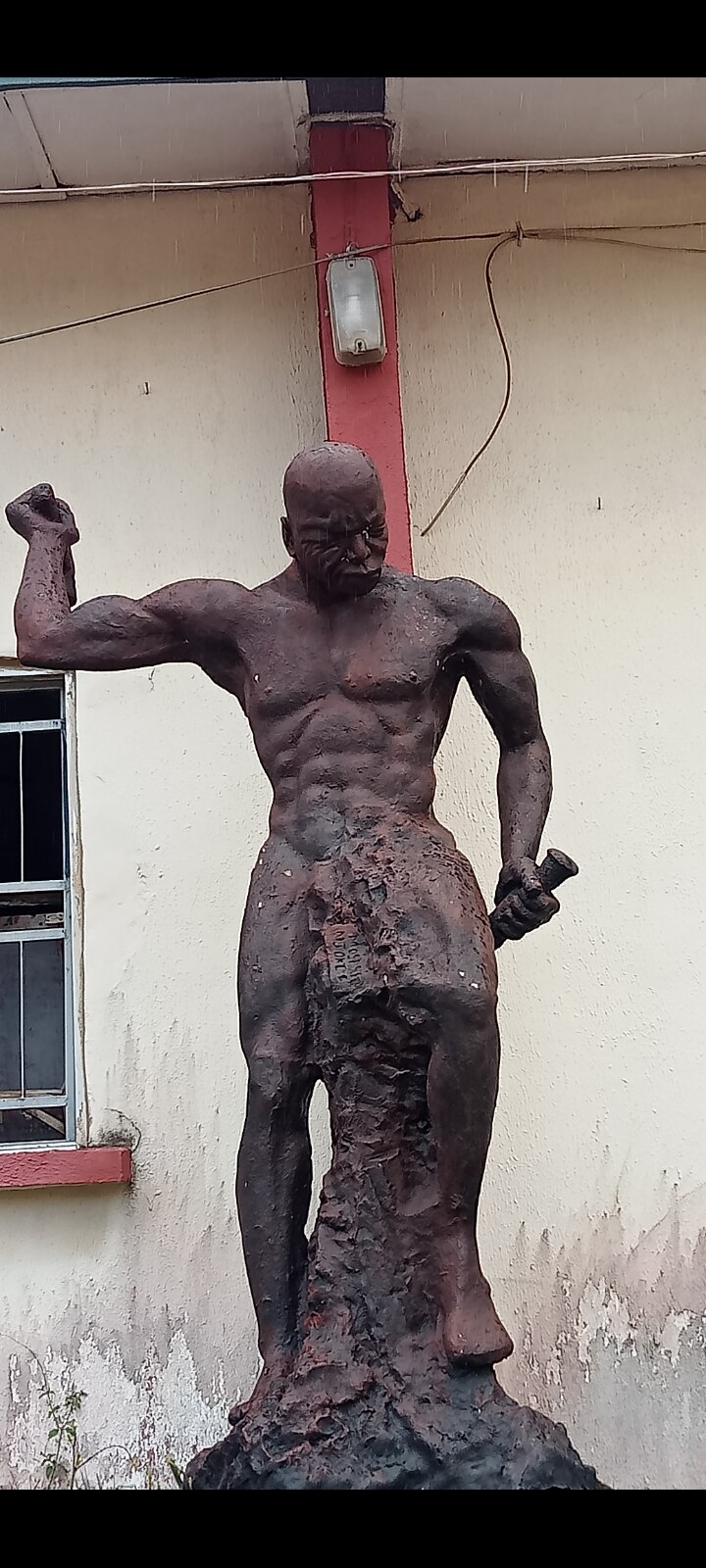
Awka as a Precolonial Iron-Working Center
- Economic and Regional Importance
Awka developed a reputation across Igboland and beyond as the home of elite blacksmiths. From weapons and tools to ritual objects, Awka ironworkers supplied many communities with essential items for warfare, agriculture, ceremonies, and governance.
Their products were so widely demanded that Awka smiths became itinerant craftsmen, traveling throughout the Niger–Benue region and establishing temporary smithies wherever their services were required.
- Guild Organization
Awka blacksmiths operated under a structured guild system. Each smith inherited the craft from his lineage, and the guild enforced apprenticeship training, ritual obligations, secrecy in metalworking techniques, strict quality standards and collective decision-making. This guild system forged unity among Awka craftsmen and contributed to their prestige across southeastern Nigeria.
The Meaning and Role of the “Eze Uzu”
- Symbolic Leadership
The Eze Uzu served as the ceremonial head of Awka’s iron-working guilds. While not a king in the centralized monarchical sense, the Eze Uzu held substantial symbolic and ritual authority.
He represented Awka’s identity as a town of sacred craftsmen and acted as custodian of blacksmithing traditions, mediator between guild segments, ritual leader overseeing oaths and smithing ceremonies, spokesperson for Awka craftsmen in external affairs.
- Spiritual Responsibilities
Awka smiths believed their craft was guided by ancestral spirits and divinities associated with fire and metal. The Eze Uzu performed rituals that sought blessings for successful forge work, protection from accidents, renewal of iron furnaces, initiation of new smiths. Such spiritual duties elevated his status beyond secular leadership.
Socio-Political Influence of the Awka Guilds
- Diplomatic Authority Across Igboland
Because Awka blacksmiths traveled widely, they became important intermediaries between communities. The guilds often negotiated safe passage guarantees, trade agreements, dispute mediation. Their mobility and reputation for fairness allowed Awka to maintain diplomatic relevance across the region.
- Economic Power and Wealth Distribution
The guilds generated wealth for Awka through tool production, ceremonial object crafting, weapon forging,and regional trade networks. Wealth enhanced political influence, enabling Awka to participate in economic coalitions with communities such as the Abiriba and Nri.
- Ritual and Judicial Functions
Awka blacksmiths played significant roles in ritual justice systems. They crafted staff for judicial authority, metal insignia for titled men,ritual swords used in oath-taking. Their objects symbolized legitimacy and authority, reinforcing their political importance.
British Pacification and Its Impact
- Introduction of Colonial Rule
With the establishment of the British Protectorate in the early 1900s, indigenous institutions including Awka guild leadership were systematically reorganized. The British sought to impose indirect rule, creating warrant chiefs and dismantling many traditional networks.
- Suppression of Itinerant Blacksmithing
Colonial taxation, roadblocks, and residency requirements restricted the movement of Awka smiths. Their itinerant lifestyle was viewed as a threat because mobile craftsmen could spread messages. Guild networks were difficult to monitor, their influence competed with colonial authority. This reduced the economic reach of Awka blacksmiths.
- Erosion of the Eze Uzu Authority
British administrators often recognized only centralized political leaders. Guild-based or ritual leaders like the Eze Uzu were considered “non-political” and thus excluded from official governance. As a result his ritual authority was diminished, he was bypassed in colonial decision-making, and warrant chiefs replaced him in political matters.
- Economic Displacement
The introduction of European iron and industrial tools also weakened Awka’s craft monopoly. Imported metal goods gradually replaced indigenous production, reducing the guilds’ economic power.
Resilience of Cultural Identity
Despite colonial disruptions, Awka has retained its identity as a blacksmithing center. The rituals associated with the Eze Uzu, though modified, continue to be performed, symbolizing the community’s cultural continuity.
Today, the position of Eze Uzu functions more as a cultural and ceremonial title, celebrating Awka’s heritage. In some cases, local governments and cultural associations recognize the role as part of heritage preservation activities.
The Eze Uzu and the Awka blacksmith guilds represent an important chapter in Igbo socio-political history. Their craftsmanship created tools that shaped agriculture, warfare, and ritual life across the region. Their mobility fostered diplomacy and economic integration, while their guild system maintained high standards of professionalism and spirituality.
British pacification disrupted their political influence, restricted their economic activities, and diminished the role of the Eze Uzu in formal governance. Yet the legacy of Awka blacksmithing survives in cultural memory, ritual practices, and modern heritage initiatives.
Understanding the significance of the Eze Uzu enriches the broader narrative of Igbo political diversity, indigenous technology, and the resilience of traditional institutions under colonial pressure.
Sources and references
- Afigbo, A. E. (1981). Ropes of sand: Studies in Igbo history and culture. University Press.
- Chikwendu, E., & Umeji, A. (1993). Iron smelting and the precolonial economy of Igboland. Journal of African Archaeology, 12(2), 45–63.
- Wikipedia contributors. (2024). “Awka.” Wikipedia, The Free Encyclopedia.
- Wikipedia contributors. (2024). “Southern Nigeria Protectorate.” Wikipedia, The Free Encyclopedia.
- Wikipedia contributors. (2024). “Bla cksmith.” Wikipedia, The Free Encyclopedia.
Cite this article
Discussion
Sign in to join the discussion
Comments are checked by an editor before they appear. Leave a source or a correction and it is read first.
Continue reading
Related histories
 Anthropology and EthnographyThe Demography of Biafran Slave Exports (1650–1850)Read history →
 Anthropology and EthnographyMasquerade Traditions from Igboland to the Caribbean (Jonkonnu, Mocko Jumbie)Read history →
 Anthropology and EthnographyMapping Igbo Destinations in the Americas: A Comparative AnalysisRead history →
No comments yet
Nothing has been approved on this record yet. Comments are checked by an editor before they appear, so one written now shows on this page after that check.