 Ozikoro
 Anthropology and Ethnography · Published history
From Colonial Rails to Ceremonial Cannons: How the Re-use of Industrial Scrap Transformed Igbo Indigenous Pyrotechnics
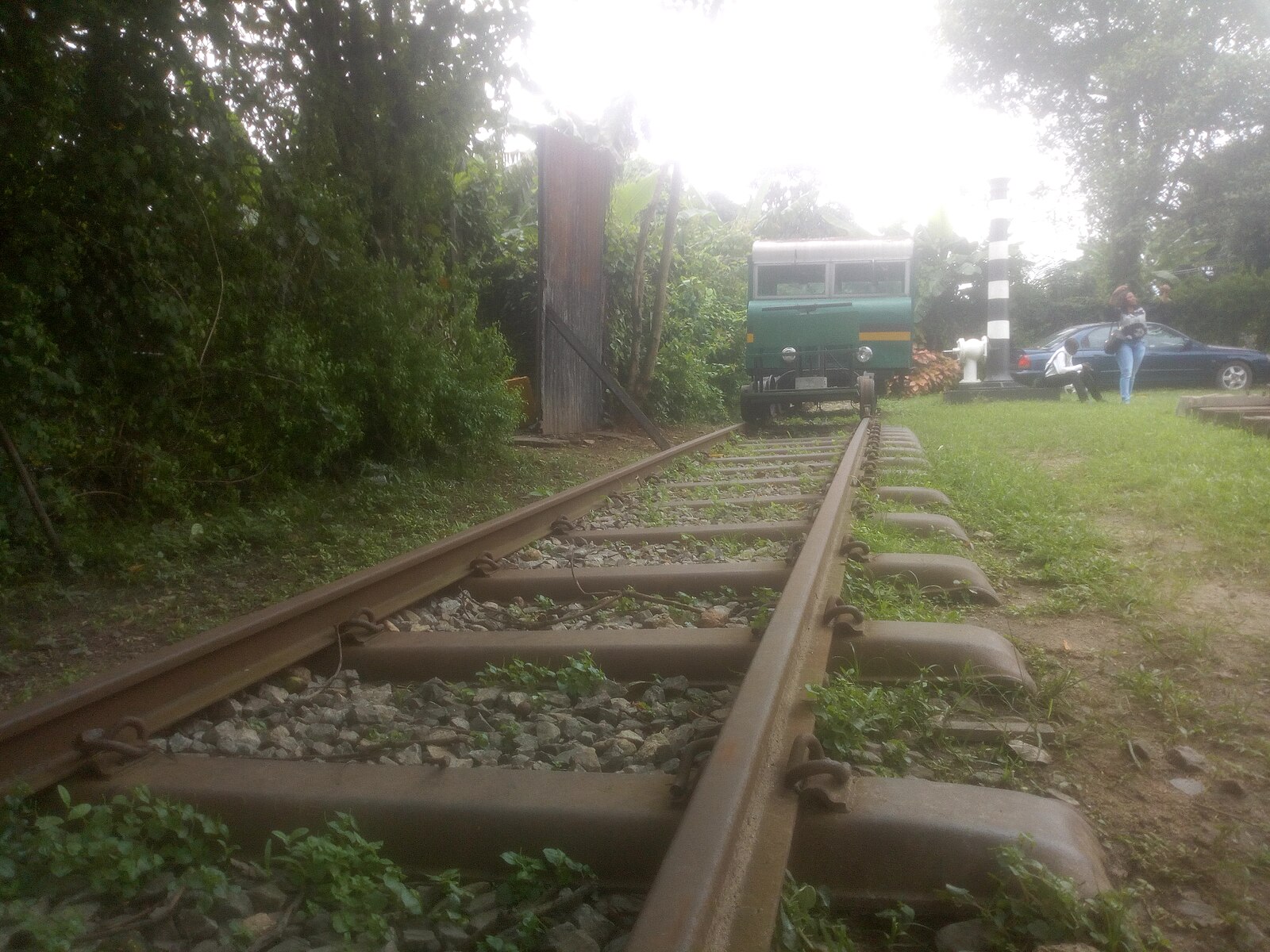
The transformation of Igbo pyrotechnic culture from locally forged iron tubes to the sophisticated ceremonial cannons used today offers a remarkable case study in technological adaptation. With the arrival of British colonialism and the expansion of Nigeria’s railway infrastructure in the early 20th century, new forms of scrap metal became accessible to local artisans. Igbo blacksmiths, already famous for their creativity and metallurgical skill, repurposed discarded rails, iron pipes, and industrial debris into ceremonial cannon barrels. Over time, these cannons moved far beyond their earlier defensive function and emerged as potent symbols of celebration, status, and identity.
The written record
Before British occupation, the Igbo possessed one of the oldest and most skilled ironworking cultures in West Africa. Archaeological sites such as Lejja and Opi, referenced in academic studies “Iron metallurgy in Africa,” demonstrate iron smelting traditions dating back over 2,000 years. Igbo blacksmiths produced weaponry (spears, swords, arrowheads), farming tools (hoes, machetes), ritual items (ofo staff, ancestral objects) and defensive devices, including rudimentary gunpowder tubes.
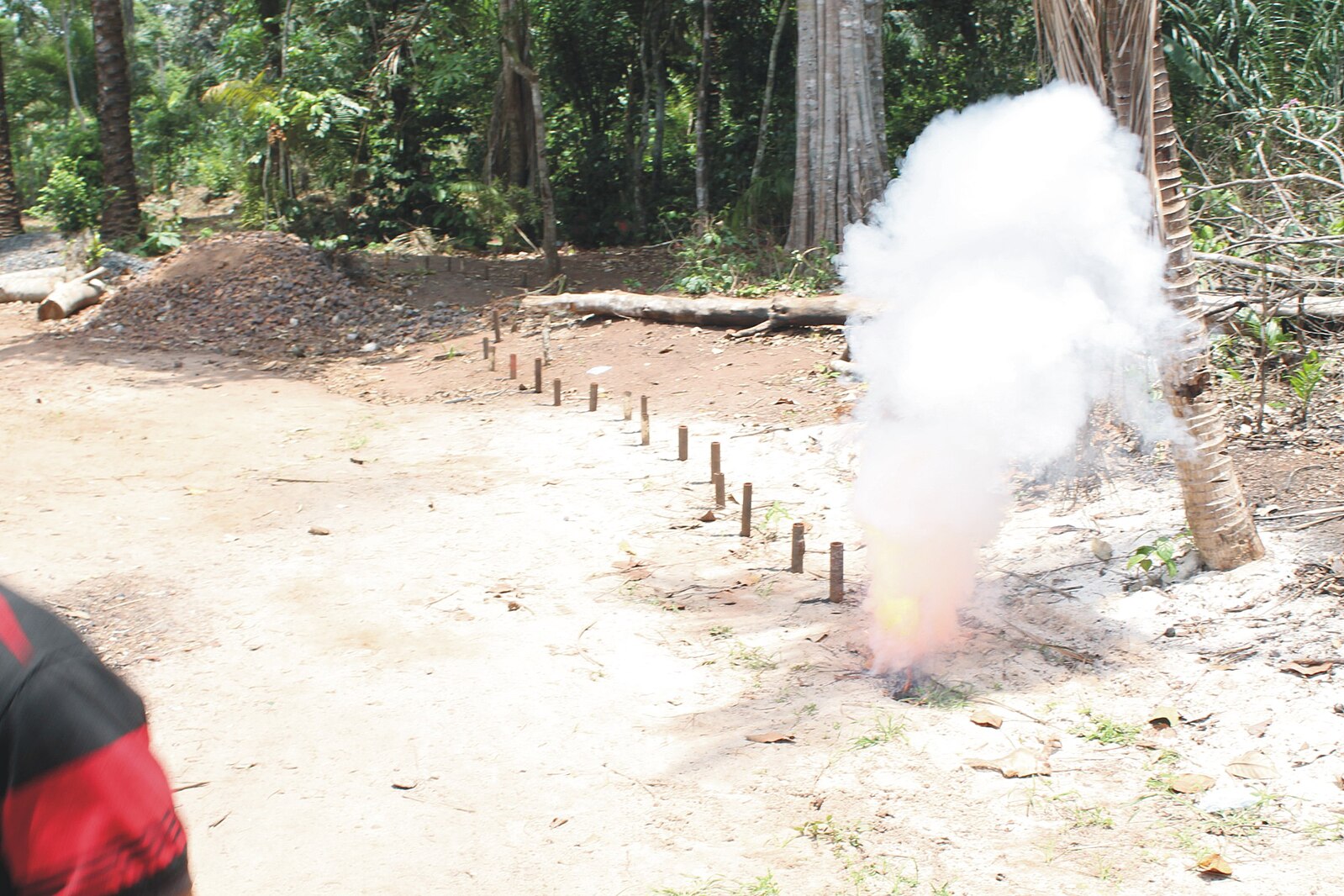
These early pyrotechnic instruments (often small iron tubes packed with local gunpowder mixtures) were used to announce festivals, funerals, and warfare. Sound, rather than projectile warfare, was the core purpose. Thus, when colonial metal scraps entered the region, artisans already had the technical and cultural framework to integrate them into established pyrotechnic traditions.
Historical context
The Introduction of Industrial Scrap Metal: Railways, Pipes, and Colonial Debris
- Origin of Scrap Materials
The development of the Nigerian Railway Corporation, documented on “Rail transport in Nigeria,” introduced massive quantities of iron and steel into the Igbo hinterlands. Rail expansion from the early 1900s onward created new forms of industrial waste, such as broken rail lines, damaged coupling rods, steel pipes, machinery parts and iron bolts and rods
Much of this waste was abandoned in workshops or dumped after repairs.
- Blacksmith Repurposing
Highly skilled communities, especially Awka blacksmiths, began acquiring these materials through trade with railway laborers and colonial workers. Scrap metal was more uniform, thicker, and more stable than locally smelted iron, making it ideal for forging cannon-like tubes.
Blacksmiths would:
- Heat and hammer discarded metal into new forms,
- Bore hollow spaces using chisels and iron drills,
- Reinforce the outer layers for heat and pressure resistance,
Attach wooden or iron stands to stabilize the device. This process mirrored the indigenous creativity that had already shaped Igbo metalworking for centuries.
Technological Adaptation: From Rails to Cannons
- A New Form of Indigenous Pyrotechnics
By the 1920s–1940s, Igbo communities were increasingly using “ogbunigwe okwu” (sound cannons) crafted from carved sections of old rail lines, Industrial-strength pipes, steel tubes from colonial construction sites. These scrap-based cannons were superior to earlier versions because:
They tolerated higher internal pressure,
They produced louder, more resonant blasts,
They were durable and reusable for many decades.
- Integration with Imported Gunpowder
As British influence expanded, imported gunpowder became more available. Wikipedia’s discussion of “Gunpowder” and “Fireworks” notes how imported explosive materials spread globally through colonial trade networks. Igbo artisans began mixing traditional charcoal-Sulphur formulations with imported gunpowder to achieve more dramatic sound effects. This fusion foreign powder, industrial scrap, indigenous craftsmanship created a uniquely Igbo pyrotechnic culture.
Cultural Transformation: From Defense to Ritual Display
- Decline of Warfare
By the early 20th century, Britain had outlawed inter-village warfare, and the need for defensive weapons decreased. However, the symbolic value of sound, spectacle, and public announcement remained deeply rooted in Igbo ritual culture.
- Cannons as Ritual Instruments
Cannons soon became central to Igbo festivities:
- New Yam Festivals (Iri Ji): cannons signaled the presence of chiefs and the start of communal feasting.
- Masquerade festivals (Mmanwu): cannon blasts announced the arrival of powerful masquerades.
- Funerals of titled men: symbolic “send-off” blasts honored the deceased.
- Christmas Homecoming (Ulo Nkwa): returnees fired cannons to mark their arrival.
- Cannons as Prestige Items
Scrap-based cannons became indicators of wealth and lineage status. Wealthy families used them to show influence, assert ancestral authority, display mastery of imported and indigenous technology. Communities sometimes named particularly large cannons after ancestors or lineages, much like titled stools or ancestral chairs.
Industrial Aesthetics and Indigenous Creativity
- Decorative Modifications
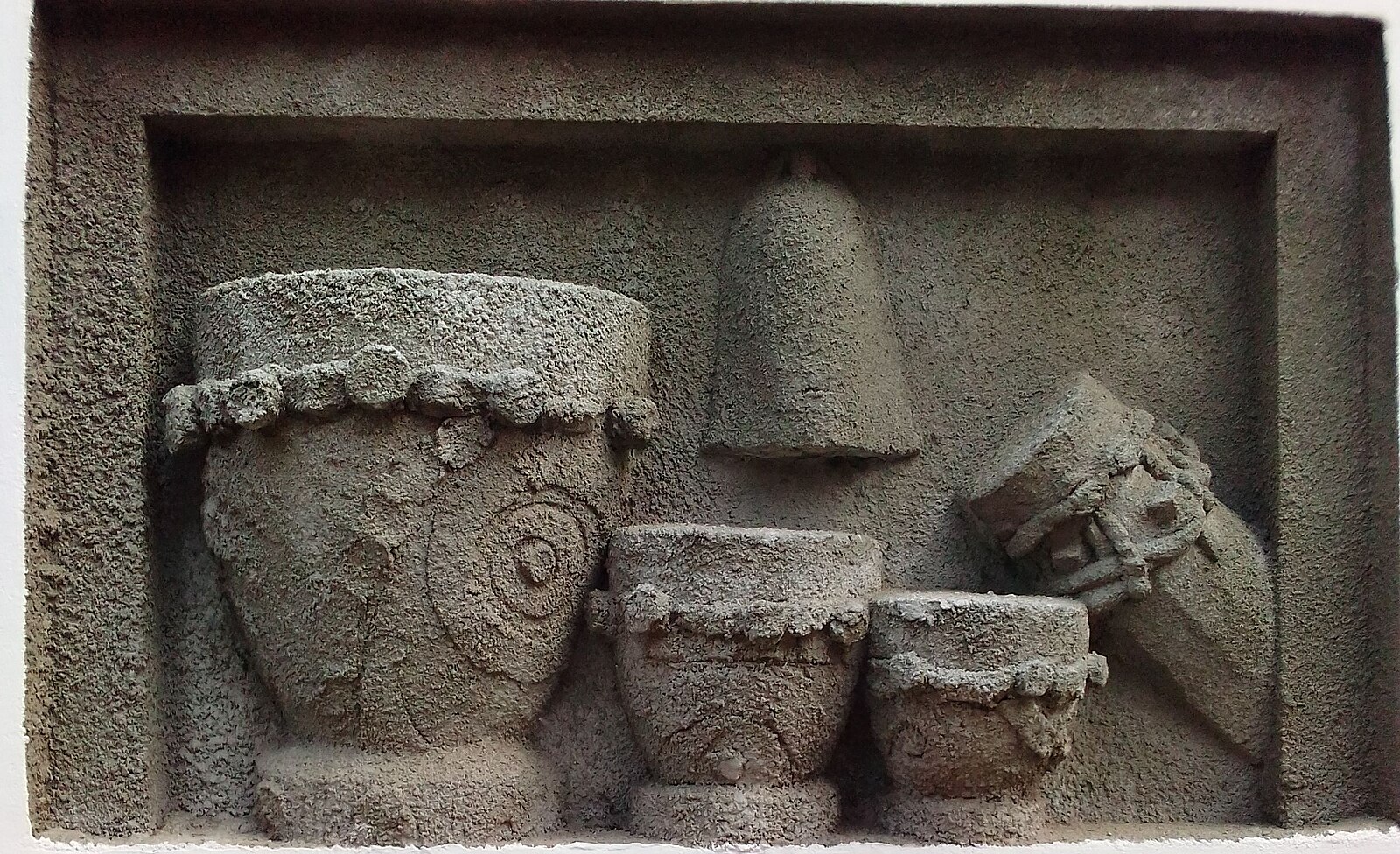
Blacksmiths did not simply reuse industrial scrap, they transformed it artistically. Many cannons featured carved wooden bases, iron embellishments, geometric or symbolic motifs and miniature figurative attachments. This transformation reflects broader discussion of African metal arts, noting that imported materials often take on new indigenous meanings.
- Hybrid Engineering
Igbo cannons of the mid-20th century combined industrial-strength metals, traditional forging techniques, locally made gunpowder, indigenous mechanical stands.
Thus, they became hybrid technologies: colonial in origin, Igbo in identity.
Contemporary Uses and Cultural Continuity
Today, scrap-metal cannons remain widely used in southeastern Nigeria, especially during Christmas festivals, Igbo Day celebrations, coronation ceremonies, village homecomings and masquerade displays.
They are no longer associated with violence but with celebration, heritage, and identity. They represent how Igbo communities creatively transformed an instrument of oppression and industrial domination into a cultural symbol of pride.
The evolution of Igbo pyrotechnics from indigenous iron tubes to scrap-rail cannons demonstrates a remarkable story of cultural adaptation. Igbo artisans reinterpreted colonial industrial debris, transforming it into vibrant instruments of ritual performance and social prestige. What began as abandoned metal from the railway era ultimately became woven into Igbo identity, celebration, and communal memory. This history reflects the ingenuity of Igbo blacksmiths and the ability of African societies to reshape foreign technologies into deeply meaningful cultural symbols.
Sources and references
- Afigbo, A. E. (1981). Ropes of Sand: Studies in Igbo History and Culture. Ibadan: University Press.
- Chikwendu, V. E., & Umeji, A. C. (1994). Iron working in Igboland: Archaeological and ethnographic perspectives. African Archaeological Review, 12(1), 25–45.
- Eze-Uzomaka, P. I. (2000). Iron technology in Igboland. West African Journal of Archaeology, 30(2), 75–92.
- Falola, T., & Heaton, M. M. (2008). A History of Nigeria. Cambridge University Press.
- Ogundiran, A. (2013). Materiality and meaning in the a rchaeology of the African iron age. Journal of African Archaeology, 11(2), 171–195.
Cite this article
Discussion
Sign in to join the discussion
Comments are checked by an editor before they appear. Leave a source or a correction and it is read first.
Continue reading
Related histories
 Anthropology and EthnographyThe Demography of Biafran Slave Exports (1650–1850)Read history →
 Anthropology and EthnographyMasquerade Traditions from Igboland to the Caribbean (Jonkonnu, Mocko Jumbie)Read history →
 Anthropology and EthnographyMapping Igbo Destinations in the Americas: A Comparative AnalysisRead history →
No comments yet
Nothing has been approved on this record yet. Comments are checked by an editor before they appear, so one written now shows on this page after that check.