 Ozikoro
 Anthropology and Ethnography · Published history
From Slaves to Palm Oil: Analyzing the Economic Pivot of the 1840s and Its Impact on Efik Social Structure
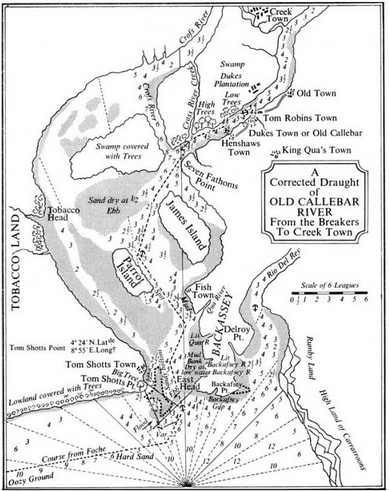
The Efik people of the Cross River region in southeastern Nigeria experienced a profound economic transformation in the nineteenth century. For centuries, Old Calabar was a pivotal center of the Atlantic slave trade, serving as an important coastal port where tens of thousands of enslaved Africans were exported to Europe and the Americas. However, with the abolition of the trans-Atlantic slave trade and global shifts in industrial demand, the Efik economy gradually pivoted toward the export of palm oil and related products. This transition, largely completed by the 1840s, had deep ramifications for Efik political authority, social organization, and cultural life. By analyzing this shift, we gain insight into how external forces and internal adaptations reshaped a society long integrated into global commerce.
The written record
Historical context
Old Calabar and the Slave Trade
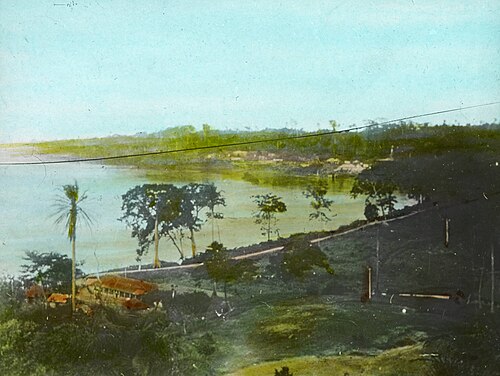
Old Calabar, encompassing Efik settlements such as Duke Town and Creek Town, was a major entrepôt for the Atlantic slave trade from the seventeenth century through the early nineteenth century. The Calabar River provided a natural harbor that allowed European ships to anchor offshore while Efik middlemen transported captives to waiting vessels. European ships bought enslaved people in exchange for guns, cloth, metal goods, and other manufactured products, making Old Calabar a dominant hub within the Bight of Biafra trade network. Europeans also paid customary duties, known as comey, to Efik chiefs for trading rights, which reinforced local sovereignty over the estuary circulation and commerce.
Abolition and Early Erosion of Slaving
Britain abolished its involvement in the trans-Atlantic slave trade in 1807, and legal suppression intensified over the following decades under British naval patrols and diplomatic pressure. Although illegal slaving continued in some ports into the 1820s and beyond, by the 1840s the Efik chiefs had formally ceased participation in the export slave trade. A contemporaneous newspaper account suggests that by the early 1840s, leaders such as Eyo Honesty II and Eyamba V relinquished their monopoly over supplying captives and began adopting palm oil production instead. This change was occurring amid rising British insistence that coastal polities move away from human chattel trade and toward “legitimate commerce.”
The Rise of Legitimate Commerce
Palm oil and palm kernels emerged as the dominant exports from Old Calabar by the mid-nineteenth century. These commodities were in high demand in industrial Europe, particularly in Britain, where they were used as industrial lubricants and in soap manufacturing. The Efik had long collected palm products alongside other goods, but the cessation of large-scale slaving encouraged them to expand and systematize palm oil production and export. For the Efik elite especially merchant houses in Duke Town and other settlements this represented not only a commercial adaptation but also an opportunity to retain lucrative links with European traders despite the decline of the slave trade.
Impact on Efik Social Structure
The shift from slaves to palm oil had several interrelated effects on Efik society:
Political Authority and Merchant Elite
In the era of the slave trade, Efik political authority was intertwined with control over captives and access to European goods. Merchant houses wielded considerable power, often aligned with secret society institutions like Ekpe, which enforced trade contracts and adjudicated disputes. After the economic shift, these same merchant houses effectively controlled the palm oil economy, maintaining social and political influence. Rather than being displaced by external forces, traditional elites adapted their roles, integrating the emerging market economy into existing networks of authority. Ekpe, for example, extended its regulatory mechanisms into the palm oil economy, stabilizing commercial relationships and ensuring the enforcement of debts and contracts.
Labour Systems and Domestic Slavery
While the trans-Atlantic export of enslaved captives declined, certain forms of domestic servitude and labour exploitation persisted. Palm oil production required labor, and wealthy Efik houses often relied on dependents or slaves for plantation work and oil processing. This meant that although the international slave trade ended, internal hierarchies and labour inequalities continued to shape communities. However, unlike the widespread displacement and diaspora of the slave trade era, labour remained more localized in the post-slaving palm oil economy.
Missionary Influence and Social Reform
The commercial transition also opened space for increased missionary engagement. British missionaries of the United Presbyterian Church of Scotland arrived in Calabar in the 1840s, establishing schools and churches. These missions introduced literacy, new moral codes, and external social norms. Some traditional practices such as human sacrifice and twin killings were discouraged or abolished under missionary pressure, especially in the mid-nineteenth century. The Efik thus encountered not only an economic transformation but also social reform and cultural negotiation as part of their integration into a new global commercial order.
Emergence of a Hybrid Elite
As Efik elites participated in legitimate commerce, they often became intermediaries between European authorities and indigenous communities. Chiefs who successfully managed palm oil trade networks gained diplomatic prominence, negotiating protection treaties with the British in the 1880s that formalized colonial relationships. These treaty arrangements reinforced the position of certain merchants and chiefs as indispensable political actors, bridging traditional cities and colonial administration.
Wider Social Change and Stratification
The shift in economic base contributed to subtle social stratification within Efik society. Merchant wealth increasingly determined access to European goods, education, and political influence. Families with control over palm oil trade networks accrued prestige, consolidating power within lines that had previously been strengthened by control of the slave trade. This continuity reflects a broader pattern whereby pre-existing elites adapted to new economic imperatives rather than being completely supplanted by external powers.
Despite the economic changes, many traditional cultural practices persisted. The Ekpe society continued to play central roles in social regulation, ritual life, and dispute resolution. Nsibidi script and masquerade traditions remained cultural staples even as missionaries and colonial officials introduced new religious and educational paradigms. The Efik thus maintained indigenous identity even amid economic transformation.
The pivot from slaving to palm oil by the 1840s constituted a turning point in Efik economic history. This transition was driven by global forces, especially British abolitionist pressure and rising industrial demand for palm products but was managed and adapted by Efik elites in ways that preserved and reshaped traditional authority. Merchant houses consolidated their power through control of legitimate commerce, while social, political, and cultural institutions like Ekpe mediated the changes and provided continuity. The shift transformed Old Calabar’s role in the Atlantic world, marking the end of one era of exploitation and the beginning of another phase of economic integration and social negotiation.
Sources and references
- Efik people. (2025). In Britannica.
- Calabar. (2025). In Britannica.
- Efik people. (2025). In Wikipedia, The Free Encyclopedia.
- Historical Nigeria. (2025). Old Calabar: Efik Merchant Houses and Economic Transformation.
- International Journal of Research and Innovation in Social Science (IJRISS). (2025). Eco nomic shift and British relations in Old Calabar.
Cite this article
Discussion
Sign in to join the discussion
Comments are checked by an editor before they appear. Leave a source or a correction and it is read first.
Continue reading
Related histories
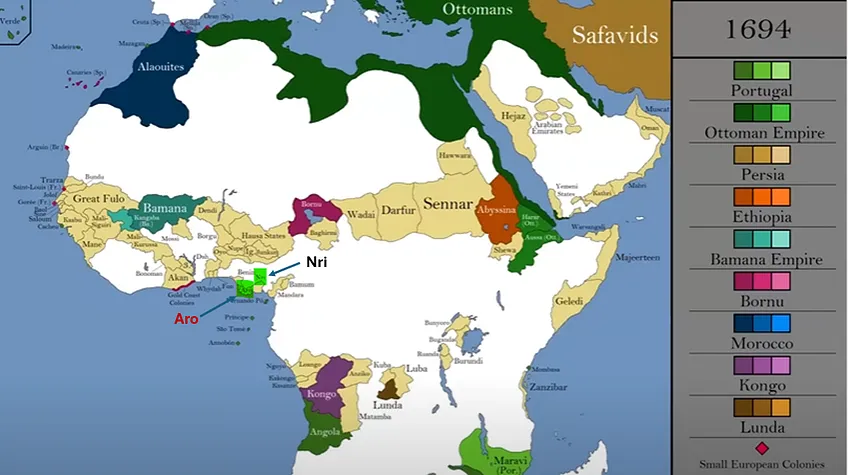 Anthropology and EthnographyThe Demography of Biafran Slave Exports (1650–1850)Read history →
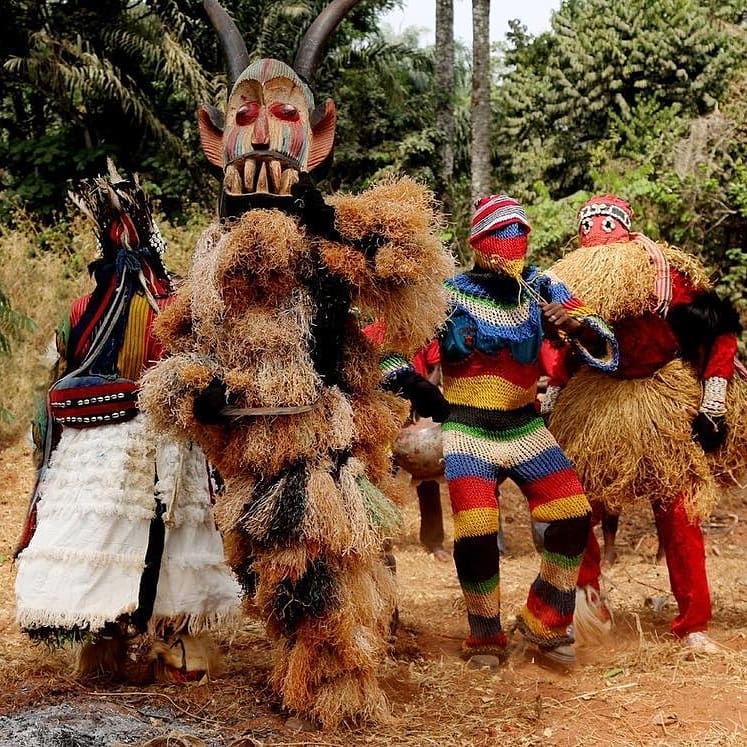 Anthropology and EthnographyMasquerade Traditions from Igboland to the Caribbean (Jonkonnu, Mocko Jumbie)Read history →
 Anthropology and EthnographyMapping Igbo Destinations in the Americas: A Comparative AnalysisRead history →
No comments yet
Nothing has been approved on this record yet. Comments are checked by an editor before they appear, so one written now shows on this page after that check.