 Ozikoro
 Anthropology and Ethnography · Published history
Ginuwa I (1480–1510): The Life of the First Olu of Warri and the Founding of the Kingdom
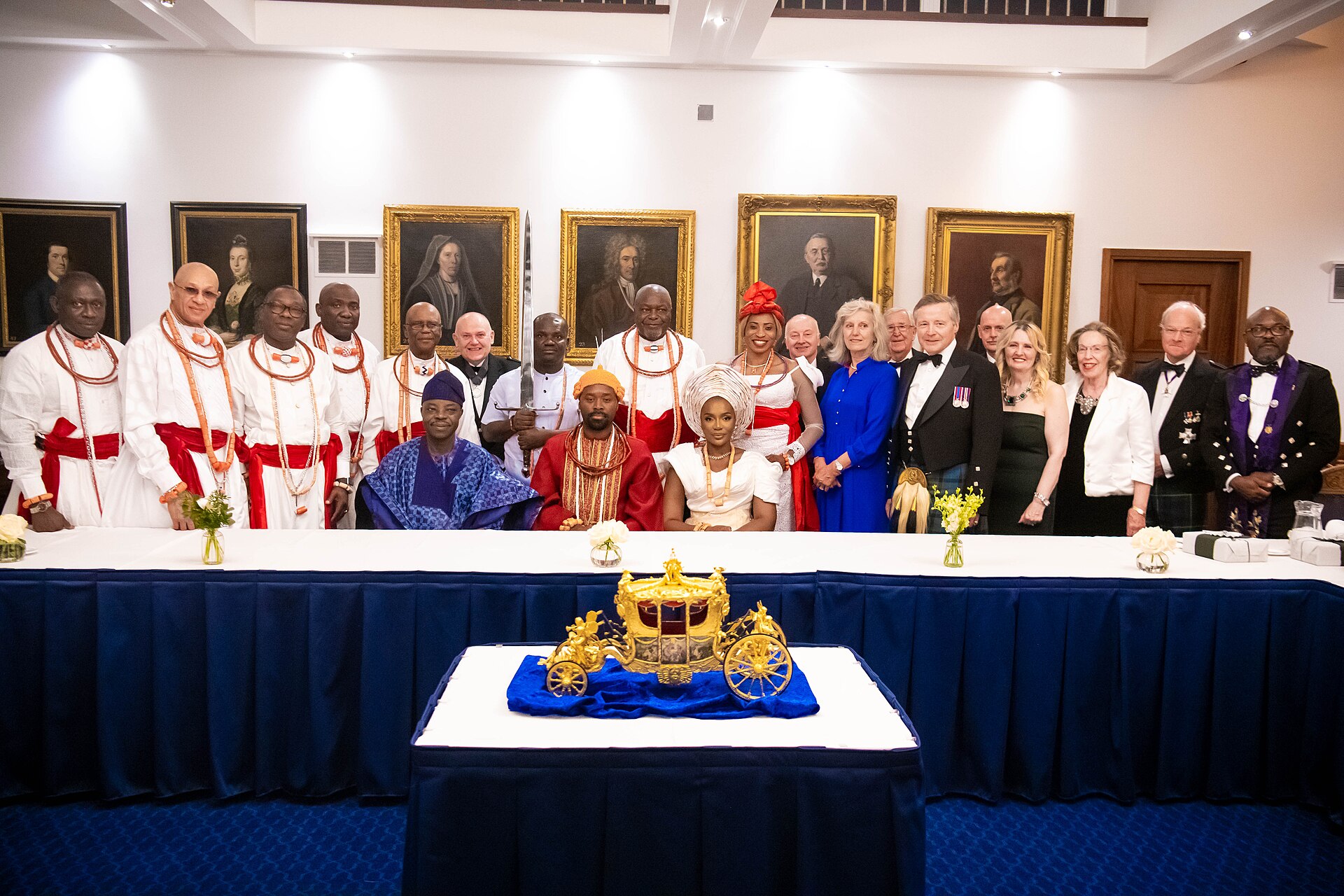
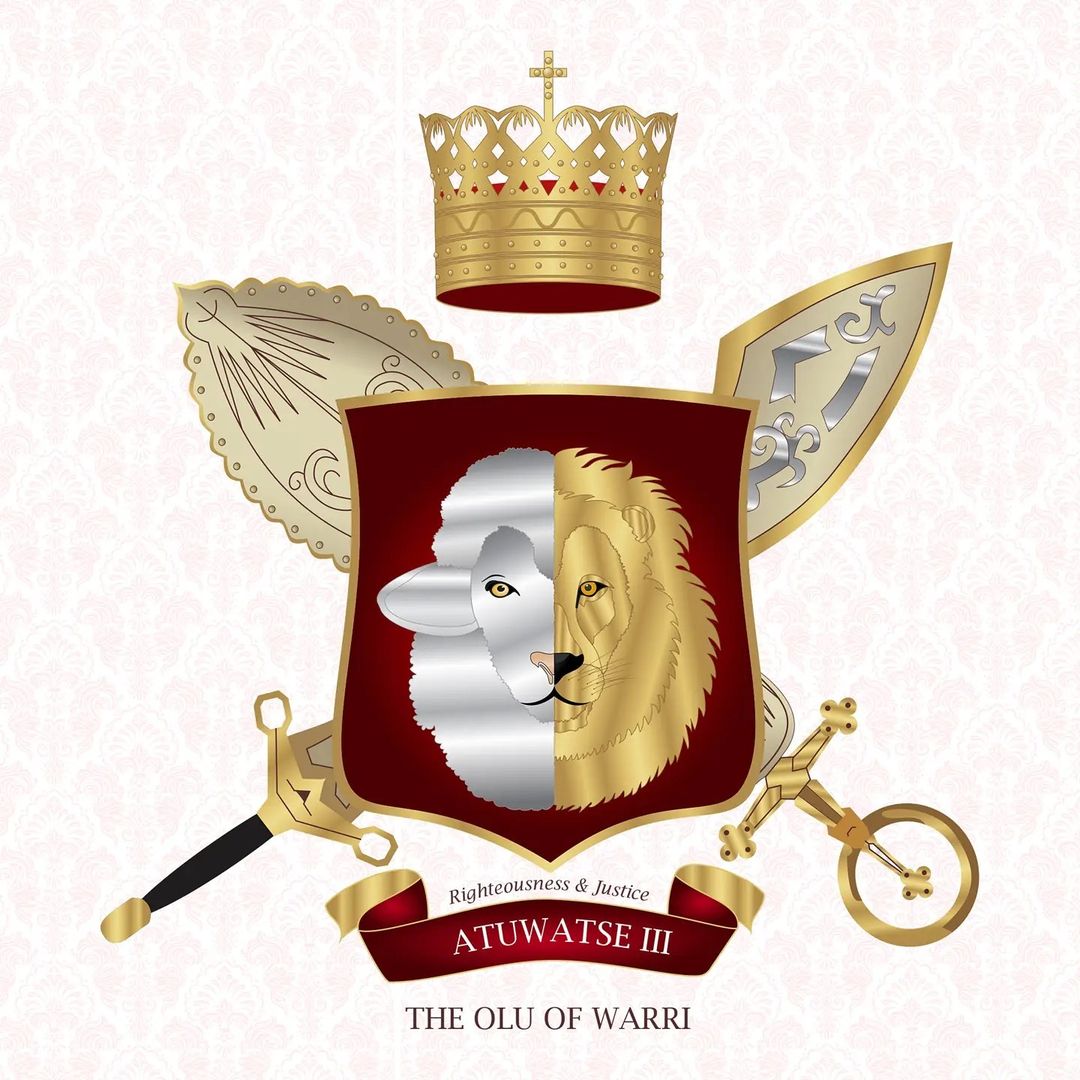
Photo credit: atuwatseiii.com (official website of the Ou of warri)
The written record
Ginuwa I occupies a central place in the history of the Niger Delta, serving as the foundational figure of the Warri Kingdom (also called the Itsekiri Kingdom). Historical and oral traditions identify him as a Benin prince who migrated from the ancient Benin Empire during the late 15th century, becoming the first Olu of Warri around 1480. His reign, lasting until approximately 1510, shaped the political, cultural, and spiritual landscape of the emerging Itsekiri nation.
Historical context
Historical Background
- Benin Empire and the Royal Lineage of Ginuwa
According to both Itsekiri and Benin traditions, Ginuwa (variously spelled Ginuwa or Ginuwa) was the son of Oba Olua, the fourteenth Oba of Benin. His lineage connected him directly to the storied Edo monarchy, known for its rich artistic traditions, sophisticated political systems, and extensive influence across West Africa. Entries on the Warri Kingdom confirms that Ginuwa was originally a crowned prince in Benin before political developments led to his migration.
- Political Tensions and the Royal Exodus
Ginuwa’s departure is widely attributed to succession disputes within the Benin royal court. As Oba Olua attempted to secure the throne for Ginuwa, opposition from the Uzama (kingmakers) made his succession impossible. As an alternative solution, Ginuwa was given royal authority and encouraged or compelled to establish a new domain outside Benin’s central territory. This formula, common in West African royal traditions, sought to prevent internal conflict while extending imperial influence into new regions.
Migration to the Niger Delta
- The Journey Through Waterways
Ginuwa’s migration followed the intricate river networks leading from Benin to the western Niger Delta. Oral traditions describe the use of a large ceremonial canoe sometimes referred to as the “Ark of Ijala” which carried the prince, his chiefs, and ritual specialists. The vessel symbolized both sacred protection and dynastic continuity as they journeyed through mangrove swamps and estuaries.
- Arrival at Ijala and Establishment of the First Settlement
Upon arrival at Ijala, near present-day Warri, Ginuwa established his first settlement. Ijala would later become the sacred burial ground for Itsekiri monarchs, indicating its enduring royal significance. From this location, Ginuwa consolidated his rule by fostering alliances with indigenous communities, including the Ijaw, Urhobo, and other riverine peoples.
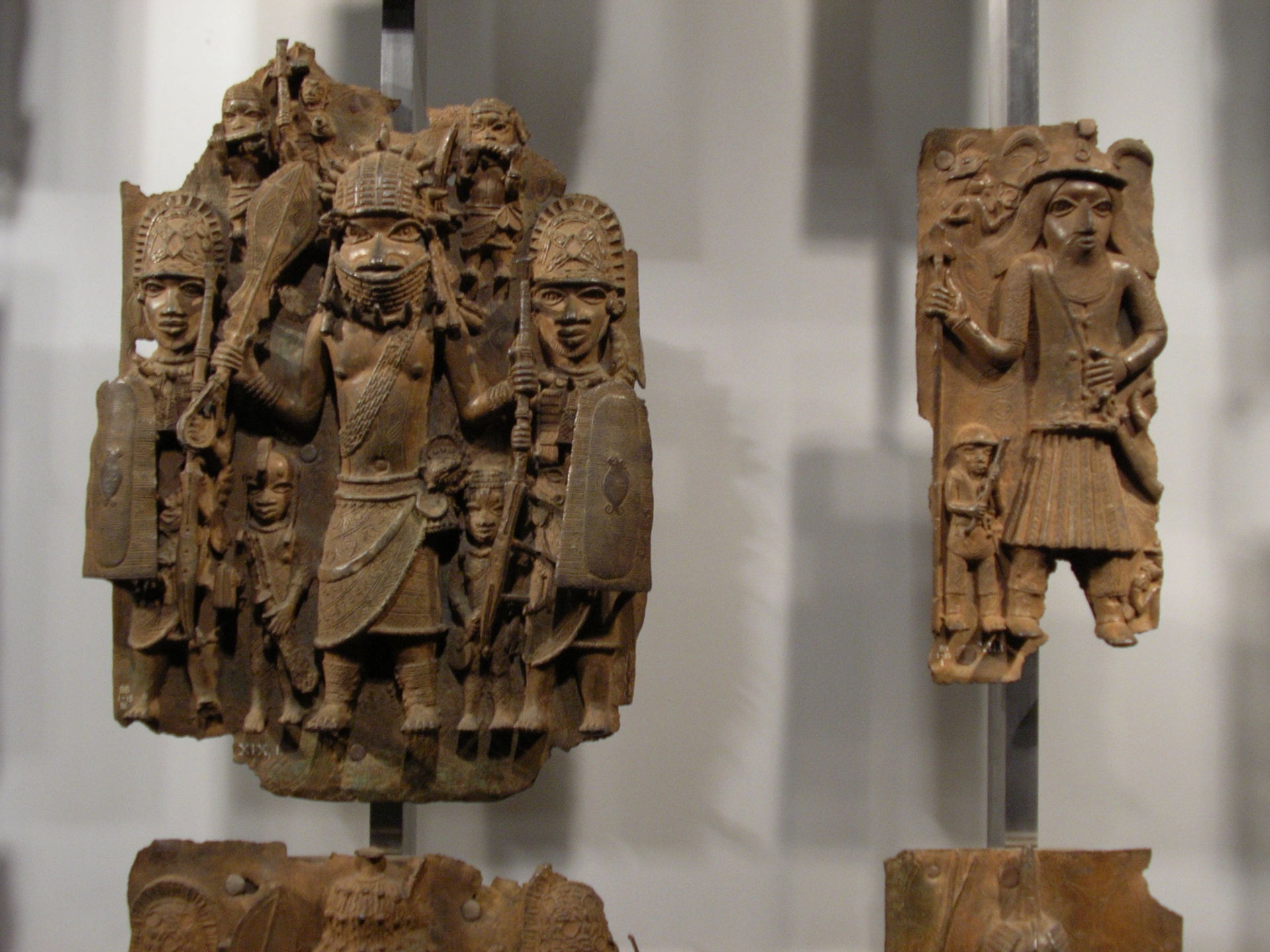
Photo credit: Archaeological association of Nigeria
The Reign of Olu Ginuwa I
- Consolidation of Power (1480–1510)
As the first Olu of Warri, Ginuwa established the foundation of the Itsekiri monarchy. His authority was legitimized through:
Benin royal heritage, which provided prestige and political credibility, Diplomatic integration with existing riverine populations, religious and ritual authority, inherited from Benin traditions. Ginuwa’s kingship provided centralized leadership among diverse groups in the riverine region, transforming loosely connected settlements into a more unified political entity.
- Cultural Fusion and Identity Formation
Under Ginuwa’s leadership, the Itsekiri people began to develop their distinct identity. This identity was a fusion of Benin political institutions, Delta cultural elements and early external influences, including Portuguese contact in the late 15th century.
Though Christianity would become more pronounced in later centuries, the groundwork fo r cross-cultural interaction was laid during Ginuwa’s era, as Europeans began to explore the West African coast.
- Administrative Structures
Ginuwa replicated aspects of Benin’s governance, including a council of chiefs, ritual specialists (ogbe priests and spiritual advisers), court regalia drawn from Edo symbols of authority. This ensured institutional continuity while adapting to the realities of riverine life.
Dynastic Legacy and Succession
- The Rise of a Stable Monarchy
Ginuwa’s most enduring achievement was establishing a hereditary monarchy that would last for centuries. His successors, beginning with his son Olu Ijijen, expanded the kingdom’s influence and cultural networks. The title “Olu” itself derives from Benin’s political language, reinforcing the royal lineage.
- Long-term Impact on the Itsekiri People
The dynasty initiated by Ginuwa shaped Itsekiri ethnogenesis. The kingdom’s stability enabled extensive trading relations with the Portuguese, development of a literate Christian elite (in later centuries), and the emergence of Warri as a regional power.
Ginuwa’s legacy therefore transcends his reign, influencing the political and cultural trajectory of the Niger Delta for centuries.
Interpretations and Debates
- Was Ginuwa Exiled or Strategically Relocated?
Historians debate whether Ginuwa’s migration was a peaceful diplomatic relocation, or a forced exile due to political conflict. Benin sources sometimes depict the move as strategic, while Itsekiri oral histories emphasize the prince’s divine mission to found a new kingdom.
- The Historical Accuracy of Oral Traditions
Though the details of Ginuwa’s journey are preserved mainly through oral tradition, cross-referencing with Portuguese writings and Benin historical materials suggests that a southward migration of a Benin prince during the late 15th century is historically plausible.
- The Nature of Early Itsekiri–European Contact
While some traditions imply that Europeans influenced Ginuwa’s early rule, evidence suggests that significant contact intensified after his reign, particularly under later Olus such as Olu Atuwatse I in the 17th century.
Ginuwa I stands as a seminal figure in the political and cultural history of the Niger Delta. His migration from the Benin Empire and establishment of the Warri Kingdom in 1480 laid the foundations of Itsekiri identity, governance, and external relations. Through diplomacy, cultural adaptation, and dynastic authority, Ginuwa transformed a moment of political tension in Benin into the birth of a new polity that would thrive for centuries. His reign not only inaugurated the Itsekiri monarchy but also integrated Benin heritage with Delta traditions, shaping the unique identity of the Warri Kingdom. Today, Ginuwa’s legacy remains deeply embedded in Itsekiri royal rituals, oral histories, and communal memory.
Sources and references
- Egharevba, J. U. (1968). A Short History of Benin. Ibadan University Press.
- Ikime, O. (1969). Niger Delta Rivalry: Itsekiri, Urhobo and Ijaw in Warri District. Longman.
- Ryder, A. F. C. (1965). Benin and the Europeans, 1485–1897. Longman.
- T albot, P. A. (1926). The Peoples of Southern Nigeria. Oxford University Press.
Cite this article
Discussion
Sign in to join the discussion
Comments are checked by an editor before they appear. Leave a source or a correction and it is read first.
Continue reading
Related histories
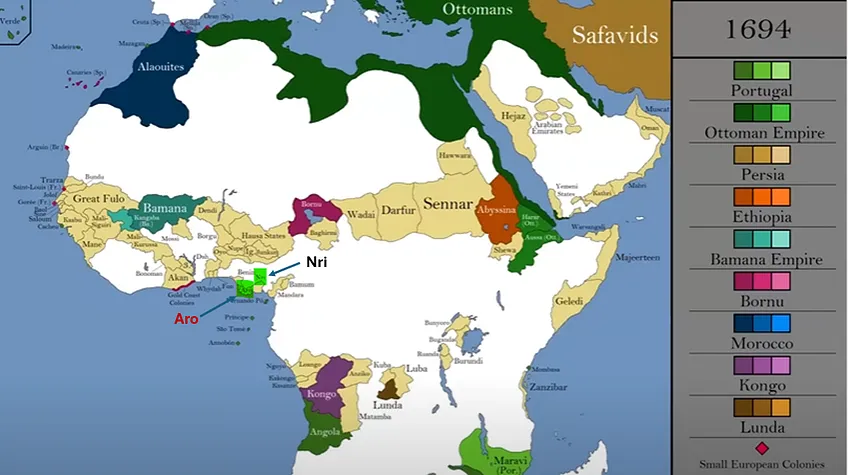 Anthropology and EthnographyThe Demography of Biafran Slave Exports (1650–1850)Read history →
 Anthropology and EthnographyMasquerade Traditions from Igboland to the Caribbean (Jonkonnu, Mocko Jumbie)Read history →
 Anthropology and EthnographyMapping Igbo Destinations in the Americas: A Comparative AnalysisRead history →
No comments yet
Nothing has been approved on this record yet. Comments are checked by an editor before they appear, so one written now shows on this page after that check.