 Ozikoro
 Anthropology and Ethnography · Published history
Ginuwa II: The Monarch Who Led the Itsekiri People into the Modern Colonial Era

The ascension of Olu Ginuwa II in 1936 marked a pivotal moment in Itsekiri history. His reign symbolized not only the restoration of the Warri monarchy after an 88-year interregnum but also the transition of the Itsekiri people into the realities of British colonial rule in Nigeria. As the 17th Olu of Warri, Ginuwa II played a central role in redefining the political, administrative, and cultural identity of the kingdom during a time of rapid transformation.
The written record
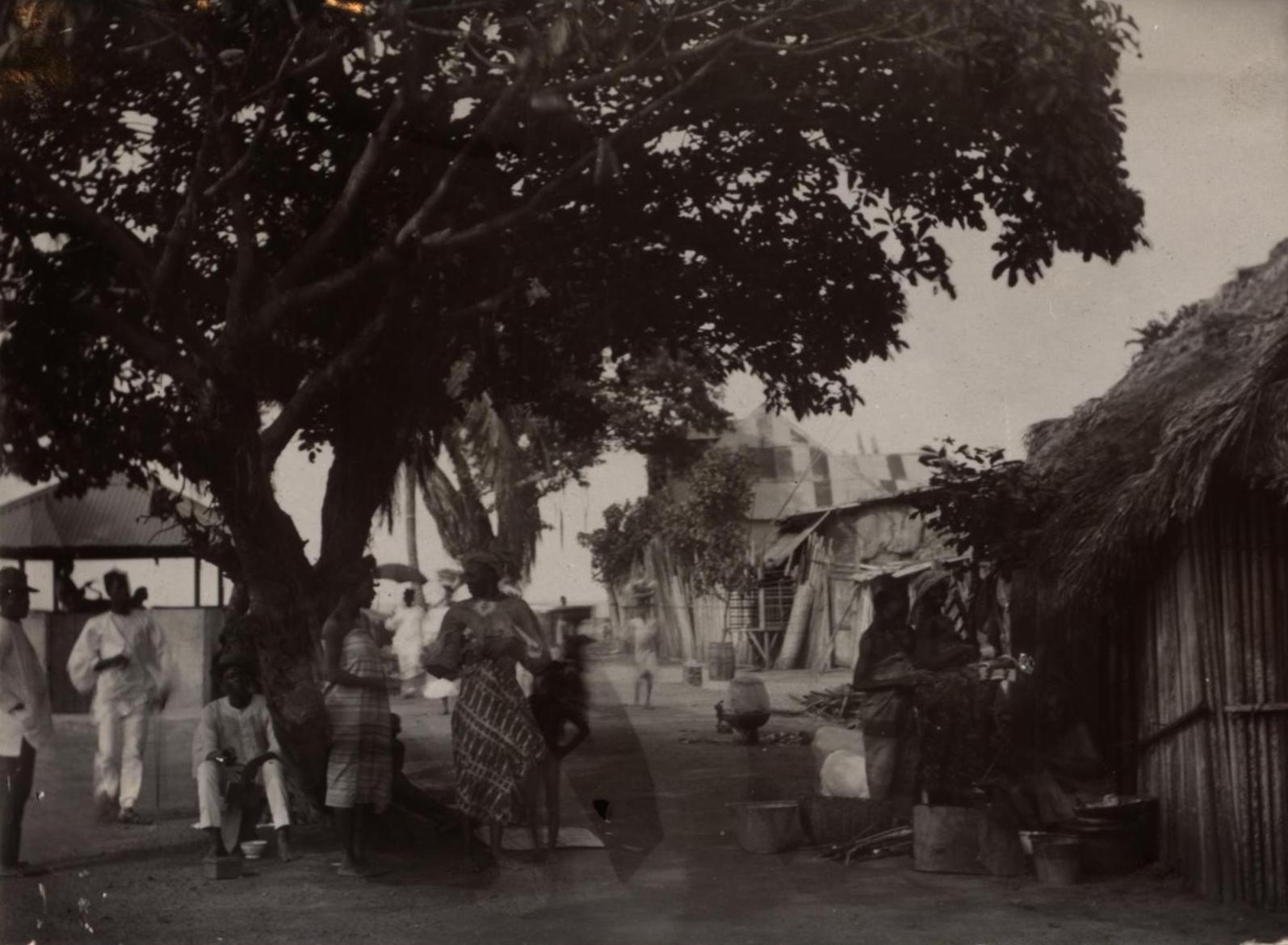
Photo credit; Thomas Fisher Rare Book Library via Wikimedia Commons.
Historical context
Historical Background
- Pre-Restoration Context
Following the death of Olu Akengbuwa in 1848, the Warri throne remained vacant for nearly nine decades. Succession disputes, internal fragmentation, and shifting economic landscapes particularly the rise of palm oil commerce contributed to the prolonged interregnum. During this period, political authority within Itsekiri society was dominated by powerful merchant families and chiefs who mediated trade with Europeans.
- The Colonial Reconfiguration of Power
By the early 20th century, the British colonial administration sought a more centralized system of governance in the Niger Delta, in line with its expanding policy of “Indirect Rule.” To achieve this, they needed a recognized traditional ruler who could serve as an intermediary between the Itsekiri people and the colonial state. The reinstatement of the Olu institution was therefore both a cultural restoration and a political strategy.
Accession and Early Reign
- Coronation of Ginuwa II
Prince William Ginuwa later known as Olu Ginuwa II was selected and crowned in 1936. His enthronement was supported by influential Itsekiri chiefs, Christian elites, and colonial authorities, all of whom viewed him as a stabilizing figure capable of unifying the kingdom. His coronation ceremony reactivated long-standing royal traditions rooted in Benin imperial heritage
- Symbol of Continuity
Although separated by almost a century from his predecessor, Ginuwa II deliberately adopted the title “Ginuwa”, connecting himself symbolically to Ginuwa I, the legendary 15th-century prince from Benin who founded the Warri Kingdom. This reaffirmation of dynastic legitimacy was crucial in re-establishing royal leadership.
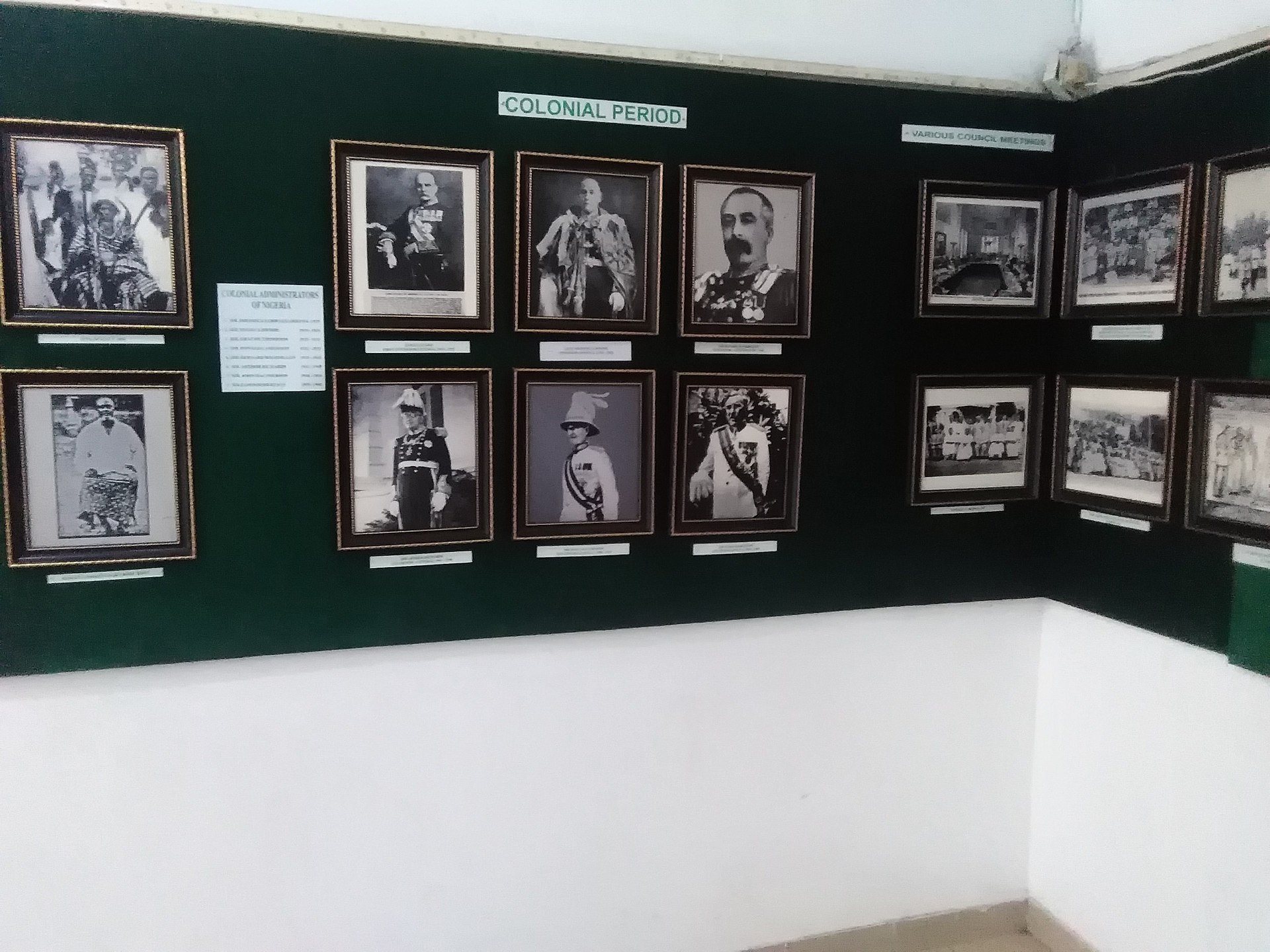
Photo credit; Olusola David & Ayibiowu via Wikimedia Commons.
Governance and Colonial Administration
- Role within the British Indirect Rule System
As Olu, Ginuwa II became a cornerstone of British administrative strategy. Under Indirect Rule, he was recognized as the Native Authority, empowered to implement colonial laws, responsible for local taxation, and expected to maintain order among the Itsekiri.
Despite these duties, he sought to balance colonial expectations with the preservation of indigenous customs.
- Reorganization of Chiefs and Councils
Ginuwa II restructured traditional leadership by strengthening palace societies and codifying the roles of chiefs. He revived the Iwebo (regalia/administration), the Ibiwe (royal household), the Iweguae (ceremonial functions). These institutions improved governance and restored cultural continuity after decades without a ruler.
- Mediation of Inter-Ethnic Relations
During the colonial era, competition intensified among the Itsekiri, Urhobo, and Ijaw. Ginuwa II acted as mediator, using diplomacy and palace influence to maintain relative peace. This stabilizing role helped safeguard Itsekiri economic interests in the creeks and trading posts.
Socio-Economic Developments under His Leadership
- Modernization of the Warri Region
The 1930s–1940s were marked by new colonial infrastructure, such as government schools, missionary churches, railway expansions near Warri, and administrative courts.
Ginuwa II encouraged the Itsekiri elite to take advantage of these institutions, supporting literacy, Western education, and Christian mission work.
- Transition from Maritime Trade to Colonial Economy
Historically, the Itsekiri dominated delta commerce as middlemen between inland communities and European traders. With the rise of colonialism and the decline of the canoe-based economy, new opportunities emerged in civil service, court administration, mission education, and later petroleum exploration. Ginuwa II guided his people into these modern economic systems while preserving aspects of their maritime identity.
- Urban Growth and the Rise of Warri as a Regional Center
Under Ginuwa II, Warri’s status grew from a coastal trading town into a colonial administrative hub. It attracted migrants, European firms, and later industries that would transform the city into one of Nigeria’s most important oil-producing regions.
Cultural and Religious Influence
- Reinvigoration of Itsekiri Traditions
Despite his support for modernization, Ginuwa II preserved core cultural traditions, including royal festivals, ancestral rites, and regalia ceremonies. He reinforced the symbolic authority of the Olu as both political head and custodian of Itsekiri identity.
- Promotion of Christian Education
Like earlier Olus educated by Portuguese missionaries, Ginuwa II encouraged the growth of Christianity among the Itsekiri. Mission schools expanded literacy, produced new intellectuals, and strengthened Warri’s cosmopolitan culture.
- Preservation of Oral History
During his reign, efforts were made to document Itsekiri genealogies, royal histories, and migration traditions, many of which remain valuable scholarly sources today.
Political Challenges and Legacy
- Navigating Colonial Expectations
Ginuwa II worked within a political structure that gave the British substantial control. Yet he used diplomacy to protect the interests of his people, carefully managing conflicts over land, trade duties, and ethnic boundaries.
- Strengthening Itsekiri Unity
His most enduring achievement was the unification of the Itsekiri after nearly a century without a monarch. The restoration of the throne re-established national consciousness and renewed pride in Warri heritage.
- Legacy as a Transitional Monarch
Olu Ginuwa II is remembered as a bridge between the pre-colonial and colonial eras, a restorer of royal authority, and a modernizer who guided the Itsekiri into the 20th century. His reign set the stage for later monarchs, including Olu Erejuwa II, who would confront Nigeria’s post-colonial challenges.
Ginuwa II’s reign was a transformative era in the history of the Warri Kingdom. As the monarch who re-established the ancient throne and guided the Itsekiri through the complexities of British colonial rule, he left an enduring legacy. His leadership balanced tradition with modernization, diplomacy with authority, and heritage with new opportunities. Through his efforts, the Itsekiri entered the modern era with unity, cultural strength, and renewed national identity.
Sources and references
- Afigbo, A. E. (1972). The Warrant Chiefs: Indirect Rule in Southeastern Nigeria. Longman.
- Ayomike, J. O. S. (1990). A History of Warri. Ilupeju Press.
- Egharevba, J. (1968). A Short History of Benin.
- Ryder, A. F. C. (1965). Benin and the Europeans, 1485–1897. Longman.
Cite this article
Discussion
Sign in to join the discussion
Comments are checked by an editor before they appear. Leave a source or a correction and it is read first.
Continue reading
Related histories
 Anthropology and EthnographyThe Demography of Biafran Slave Exports (1650–1850)Read history →
 Anthropology and EthnographyMasquerade Traditions from Igboland to the Caribbean (Jonkonnu, Mocko Jumbie)Read history →
 Anthropology and EthnographyMapping Igbo Destinations in the Americas: A Comparative AnalysisRead history →
No comments yet
Nothing has been approved on this record yet. Comments are checked by an editor before they appear, so one written now shows on this page after that check.