 Ozikoro
 Anthropology and Ethnography · Published history
Igbo Linguistic Influences on Caribbean Creole Languages
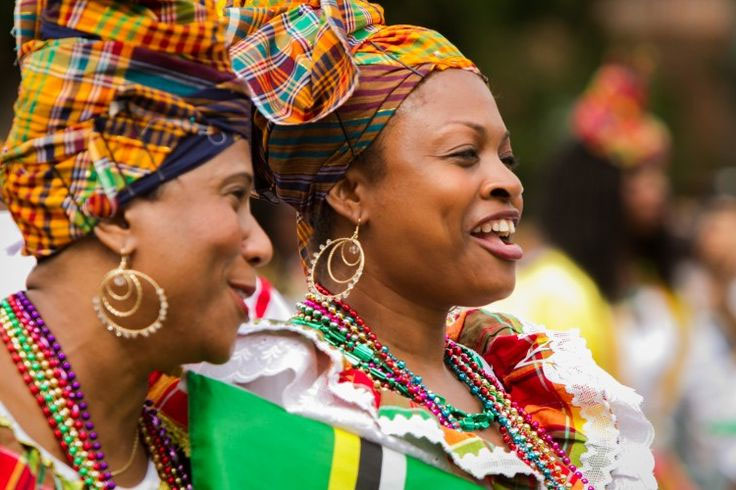
Between the seventeenth and nineteenth centuries, the massive forced migration of Igbo speakers from the Bight of Biafra to the Caribbean left deep cultural and linguistic imprints on the region. As a major origin zone of enslaved Africans, Igbo-speaking societies contributed significantly to the formation of creole languages in islands such as Jamaica, Barbados, Trinidad and Tobago, and Saint Vincent and the Grenadines. Because the Bight of Biafra was known for exporting relatively homogeneous groups especially Igbo speakers, linguistic retention in the Caribbean became more pronounced than in regions where enslaved Africans came from many unrelated ethnic and language groups.
The written record
This essay examines how Igbo language structures, vocabulary, phonology, and communicative styles became embedded in Caribbean creoles. It also compares the persistence of Igbo linguistic features across different islands, analyzing why some regions preserved these features more strongly than others.
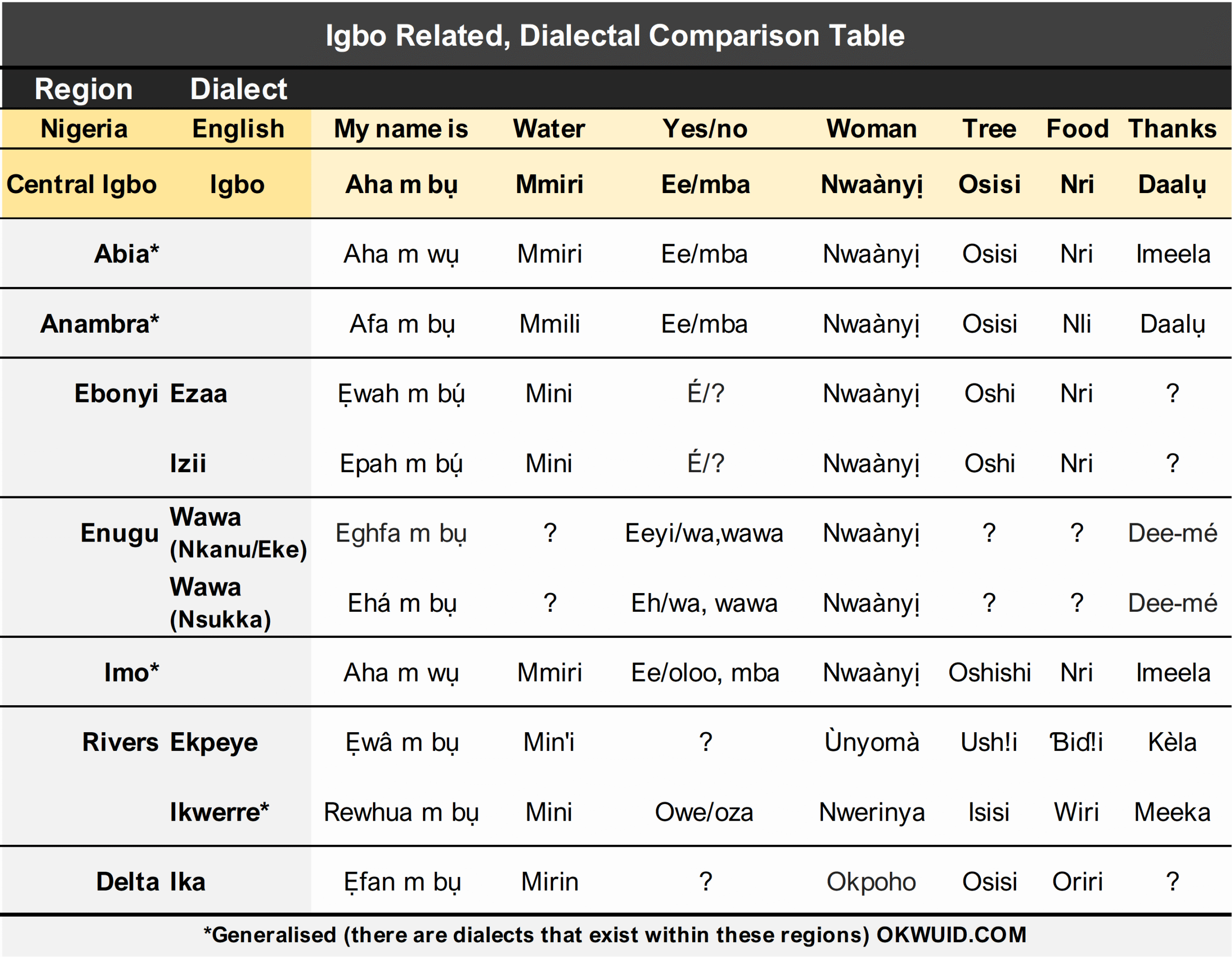
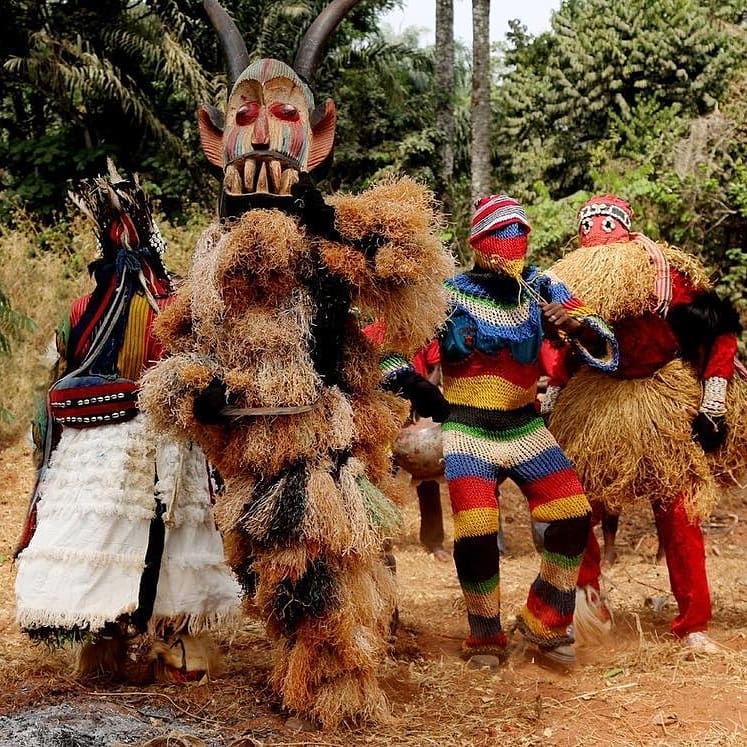
Photo credit; Okwuid.com.
Historical context
Igbo Presence and Demographic Foundations
The foundation of Igbo linguistic influence on Caribbean creoles rests on the demographic prominence of Igbo captives during the height of the slave trade. The Bight of Biafra was the leading supplier of enslaved Africans to the British Caribbean in the eighteenth century. In Jamaica, for example, planters actively purchased Igbo captives because they believed they were suited to plantation labor. As a result, many Jamaican estates had large concentrations of Igbo-speakers who shared similar cultural backgrounds, facilitating the transmission of mother-tongue speech habits into emerging creoles. Similarly, in Barbados and Antigua, although the enslaved population was ethnically mixed, Igbo groups formed a sizable minority during crucial periods of language formation. In Trinidad, while Yoruba and Kongo peoples were numerically significant, Igbo linguistic patterns still entered the island’s French-lexifier creole through daily interaction among enslaved people. Because creole languages developed under intense multilingual pressure combining European lexicons with African grammatical features, the presence of many Igbo speakers provided structural and semantic contributions that became permanent features of these languages.
Vocabulary of Igbo Origin in Caribbean Creoles
One of the most visible aspects of Igbo influence is vocabulary transfer. Jamaican Patois, in particular, preserves several recognizable Igbo-derived words, many of which remain in daily use.
1. Pronouns and Core Lexicon
The most widely cited example is unu, meaning “you (plural)”, which is directly parallel to the Igbo únụ̄. This pronoun remains one of the clearest linguistic markers of Igbo presence in the Caribbean. While many creoles globally collapse plural and singular forms of “you,” Jamaican maintained a distinct plural likely reinforced by Igbo-speaking populations who already used a clear plural you-form.
Other words include:
nana / nani – forms used for “only” or “just,” similar to Igbo nàní.
mbu – meaning “first” or “beginning,” paralleling Igbo mbụ.
soso – meaning “only / alone,” possibly reinforced by Igbo sọsọ.
These core lexical items demonstrate direct borrowing from Igbo into creole speech.
2. Culture, Emotion, and Social Relations
Caribbean expressions that describe emotional states, social relations, or moral behavior often have Igbo parallels. For example, Jamaican terms related to stubbornness, spirit possession, and character traits align with Igbo semantic categories. Words like obeah commonly linked to West Central African origins also carry conceptual meanings that overlap with Igbo ideas about personal medicine, ancestral influence, and spiritual agency.
3. Ritual and Performance Terms
Because enslaved Igbo communities maintained aspects of masquerade culture, initiation rituals, and ancestral devotion, some ritual vocabulary survived into creole languages. Terms associated with songs, rhythms, and praise-names used in Jonkonnu celebrations show structural and semantic affinities with Igbo oral forms.
Phonological Influences: Tones, Rhythm, and Speech Patterns
While Caribbean creoles are not tonal languages, certain intonation patterns in speech reflect Igbo influence. Igbo is a two (sometimes three) tone language, and enslaved speakers naturally transferred melodic and rhythmic elements of their speech into creole formation.
1. Intonational Melodies
Jamaican Patois, for instance, has a distinctive rise-fall melodic contour that differs noticeably from English. Scholars argue that the speech rhythm of Igbo particularly its strong tonal contrasts, encouraged creole speakers to adopt expressive intonation as a substitute for lexical tone. The result is a creole where pitch variation conveys emphasis, mood, and social attitude, just as tones function in Igbo to modify meaning.
2. Consonant and Vowel Patterns
Some consonant clusters in Caribbean creoles resemble Igbo phonotactics. Igbo tends to avoid complex clusters, favoring open syllables (CV structures). Caribbean creoles also show a high frequency of open syllables, partly due to the phonological restructuring led by African speakers. Additionally, vowel harmony common in Igbo appears in subtle forms in creoles for instance, the repetition of front or back vowels within reduplicated words and expressive forms.
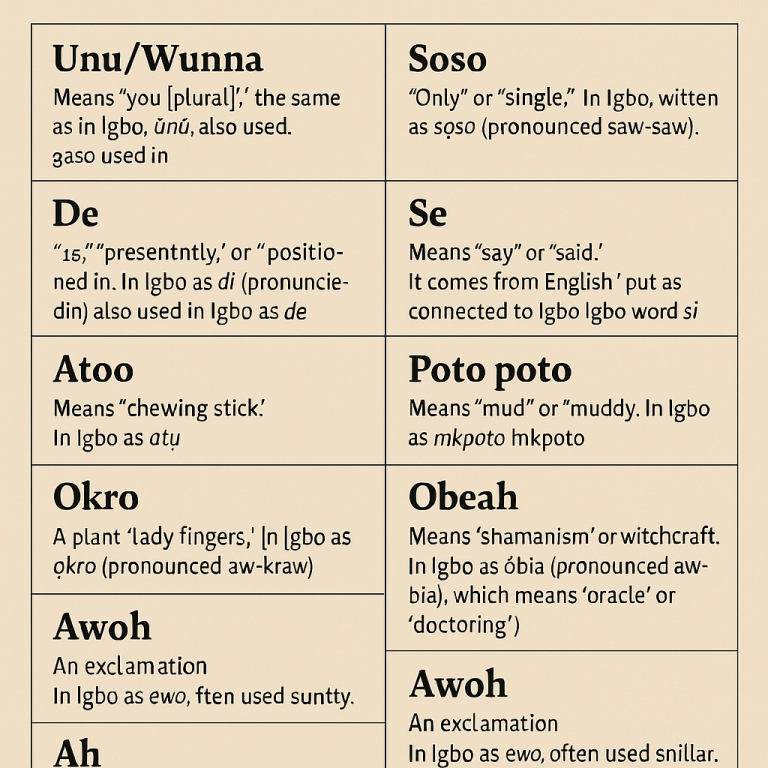
Photo credit: Ozi ikoro.
Grammatical and Structural Influences
Although Caribbean creoles derive most of their vocabulary from English or French, the underlying grammatical frameworks show significant African influences, including Igbo.
1. Serial Verb Constructions
Serial verb constructions where multiple verbs appear in a sequence without conjunctions are common in Igbo. Caribbean creoles also employ this structure extensively. For example, Jamaican sentences like “Mi go tek bring it” resemble Igbo serialization patterns, where action sequences are encoded through verb strings rather than auxiliaries.
2. Reduplication
Reduplication, used for emphasis, intensity, or plurality, is highly characteristic of Igbo morphology. Caribbean creoles similarly use reduplication to create emphasis on small-small, fast-fast, soon-soon. This pattern is consistent with Igbo expressive reduplication, where repeated forms modify aspect, degree, or emotional tone.
3. Tense-Aspect Systems
Creole TMA (tense-mood-aspect) systems often resemble Niger-Congo aspectual logic more than European tense categories. Igbo relies heavily on aspectual distinctions distinguishing between completed, ongoing, and habitual actions. Caribbean creoles, too, emphasize aspect over tense, reflecting an African (including Igbo) conceptualization of time.
Communicative Style and Pragmatics
Beyond grammar, Igbo communicative norms shaped how Caribbean speakers perform speech acts, negotiate conflict, express respect, and use proverbs or indirect speech.
1. Use of Proverbs and Indirect Expression
Igbo culture is rich in proverb use, where wisdom is transmitted through metaphorical language. In Jamaica and Trinidad, African-descended communities maintained a tradition of proverb-speaking that mirrors Igbo rhetorical values. Many Caribbean proverbs follow the structural patterns of Igbo sayings short, didactic, and metaphor-driven.
2. Turn-Taking and Call-and-Response
Igbo oral traditions emphasize participatory communication, including antiphonal singing and communal storytelling. This participatory style became embedded in Caribbean creole speech, music, and communal rituals. The widespread Caribbean call-and-response pattern found in spirituals, work songs, and ring games reflects this influence.
Comparing Igbo Linguistic Influence Across the Caribbean
1. Jamaica: The Strongest Retention
Jamaica remains the clearest case of sustained Igbo linguistic survival. The large Igbo population, combined with the island’s brutal plantation conditions that limited early creole stabilization, allowed Igbo features to embed themselves deeply in daily speech.
2. Barbados and the Lesser Antilles
While Barbados received fewer Igbo captives in later periods, the early plantation era saw significant Igbo input into creole formation. However, because Barbados became creolized earlier, later African contributions including Igbo were assimilated into an already stabilized speech system.
3. Trinidad and Grenada
In these islands, Yoruba, Kongo, and Akan influences coexisted with Igbo contributions. As a result, Igbo features merged into a broader African linguistic mosaic rather than standing out distinctly.
The Broader Cultural Significance of Igbo Linguistic Imprints
Igbo linguistic influence is more than a matter of vocabulary or grammar, it represents a deeper cultural survival. Through creole languages, enslaved Igbo preserved parts of their worldview, identity, and social logic. These languages encoded communal values, ritual practices, and modes of expressing emotion. Moreover, the persistence of words like unu symbolizes continuity between past and present, an enduring linguistic bridge across the Atlantic. In many Caribbean communities, people continue to use these forms without knowing their Igbo origins, demonstrating how African memory remains embedded in everyday life.
The linguistic influences of Igbo on Caribbean creole languages reflect a broader history of resilience, adaptation, and cultural continuity. From vocabulary and phonology to grammar and communicative style, Igbo speakers shaped the structure and expressive range of creole languages across the Caribbean. While the strongest influences appear in Jamaica and the eastern Caribbean, Igbo linguistic traces exist throughout the Atlantic world wherever Igbo individuals and communities were forced into bondage. These linguistic imprints reveal not only the demographic weight of Igbo captives in the Caribbean but also the power of language to preserve identity across centuries of displacement and oppression.
Sources and references
- Falola, T., & Njoku, R. C. (Eds.). (2016). Igbo in the Atlantic World: African Origins and Diasporic Destinations.
Cite this article
Discussion
Sign in to join the discussion
Comments are checked by an editor before they appear. Leave a source or a correction and it is read first.
Continue reading
Related histories
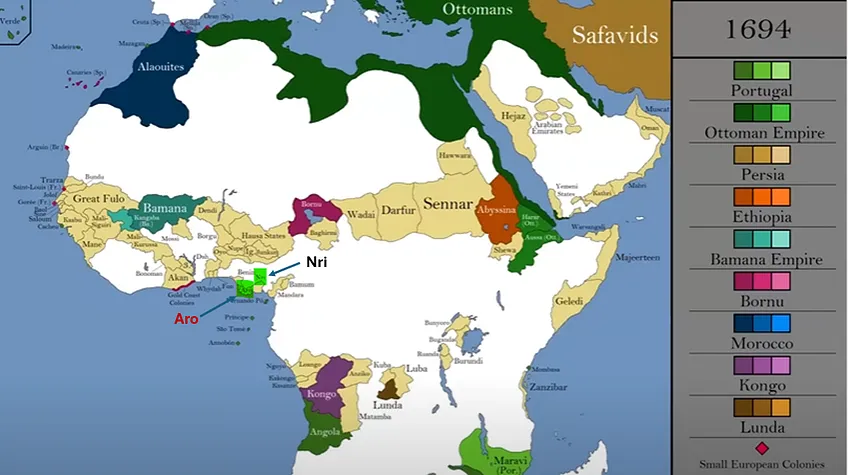 Anthropology and EthnographyThe Demography of Biafran Slave Exports (1650–1850)Read history →
 Anthropology and EthnographyMasquerade Traditions from Igboland to the Caribbean (Jonkonnu, Mocko Jumbie)Read history →
 Anthropology and EthnographyMapping Igbo Destinations in the Americas: A Comparative AnalysisRead history →
No comments yet
Nothing has been approved on this record yet. Comments are checked by an editor before they appear, so one written now shows on this page after that check.