 Ozikoro
 Anthropology and Ethnography · Published history
Iru-Egbede: Grove Custodians and Spiritual Origins of the Ika-Igbo People
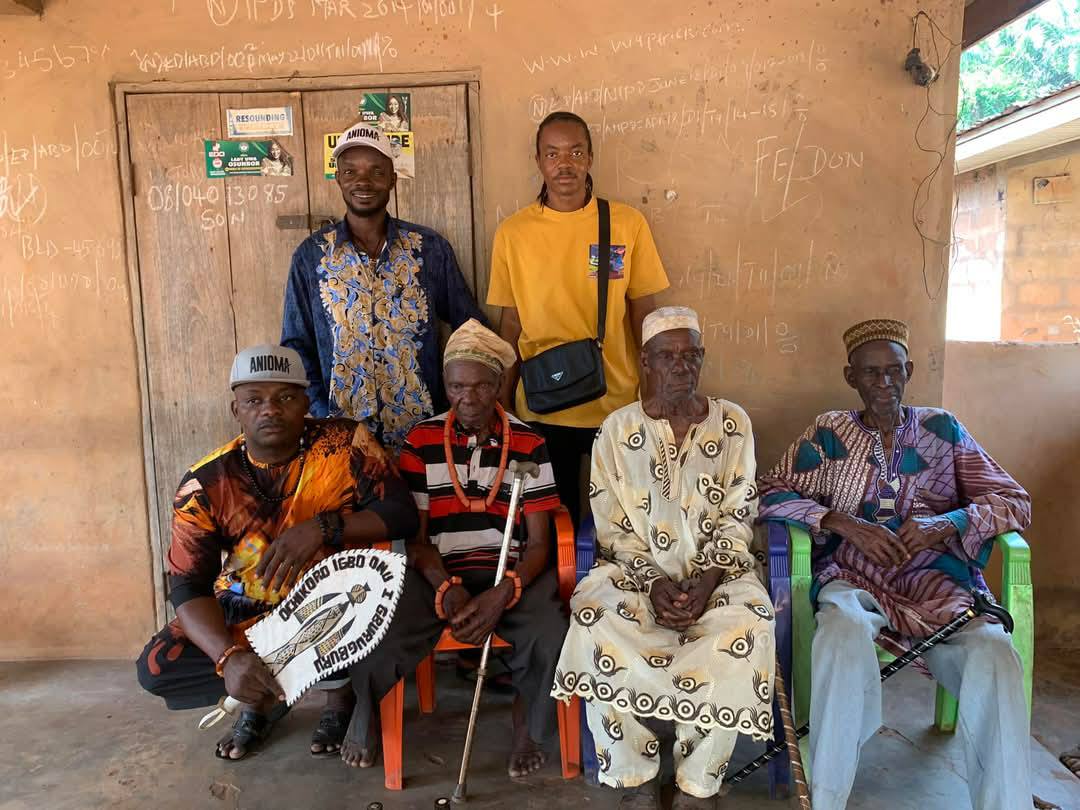
Iru-Egbede is one of the oldest ancestral settlements within the Ika-Igbo speaking region of southern Nigeria. In present-day Edo State, Iru holds great historical and spiritual significance as a grove-centred settlement that is deeply rooted in the traditions of northeastern settlers of the Igbo stock, formerly of Ancient Idu. The community speaks a dialect of the Ika, a recognised Igboid language, and maintains longstanding cultural, ritual, and ancestral practices.
The written record
Origins and Settlement
Oral and historical traditions trace the foundation of Iru-Egbede back to when early Igbo-speaking settlers arrived in the Idu area. This group of Igbo settlers was not the war mongers or conquerors but spiritual custodians, yam-cultivators and ritualists who selected the site for its fertile land and sacred forest cover. Known in local memory as “the Fire Lighters of the Grove,” they consecrated groves and invoked Ala, the Mother Earth, before cultivating the area.
Historical context
These ancestral families established necessary shrines, sacred compounds and ritual trees, giving rise to the cultural identity and lineage of Iru-Egbede. The settlement is believed to be the point of origin for related communities such as Umudei and parts of Umueze, whose traditions also reflect the spiritual foundations of Iru.
Sacred Groves and Ogwugwu Tradition
At the centre of the community’s cultural life are its Ogwugwu (also called Ogbagwu) groves, sacred forest areas that act as ritual temples for ancestral worship and oath-taking rites. These hollos are spiritually restricted zones. Only trained spiritual individuals known as Ndi Ogwugwu are allowed to enter the sacred groves.. Within them, ceremonies such as libation, burial of sacred relics, and forest justice rituals are performed.
The community is known for crucial hollow sites like Iyi-Egbo and Ukwu-Ani, as well as ritual trees such as Oji and Ukhala. These revered elements continue to define the community’s spiritual boundaries and guide its ritual calendar.
Cultural Role and Heritage
Iru-Egbede historically acted as a centre of spiritual adjudication in the Ika region. Before kingship confirmations or the resolution of land disputes, elders from Iru were traditionally consulted for ritual validation. Their authority stemmed not from political titles but from ritual lineage and ancestral knowledge.
The community also maintains ancestral burial practices, with compounds aligned to sacred groves and kolanut trees planted at grave sites. Lineages from across the region trace their roots to Iru, reinforcing its role as a spiritual origin point rather than a settlement of conquest or expansion.
Iru-Egbede continues to uphold its cultural legacy through ancestral oaths, grove-based rituals, and oral traditions. The settlement remains a vital part of Ika heritage, preserving systems of grove custodianship, spiritual purity, and ritual governance that date back over a millennium.
Cite this article
Discussion
Sign in to join the discussion
Comments are checked by an editor before they appear. Leave a source or a correction and it is read first.
Continue reading
Related histories
 Anthropology and EthnographyThe Demography of Biafran Slave Exports (1650–1850)Read history →
 Anthropology and EthnographyMasquerade Traditions from Igboland to the Caribbean (Jonkonnu, Mocko Jumbie)Read history →
 Anthropology and EthnographyMapping Igbo Destinations in the Americas: A Comparative AnalysisRead history →
No comments yet
Nothing has been approved on this record yet. Comments are checked by an editor before they appear, so one written now shows on this page after that check.