 Ozikoro
Anthropology and Ethnography · Published history
King Idigo and the Encounter with Christian Missionaries in 19th-Century Igboland

In the late 19th century, Igboland was a lively region in what is now southeastern Nigeria. The Igbo people were known for their unique traditions, art, and strong beliefs. They lived in communities with no single ruler, making decisions together or through leaders like kings or elders. During this time, Christian missionaries arrived, bringing new ideas that challenged Igbo ways. One remarkable story is that of King Idigo Ogbuanyinya of Aguleri. His 1890 meeting with missionaries shows the Igbo people’s curiosity, strength, and love for their culture.
The written record
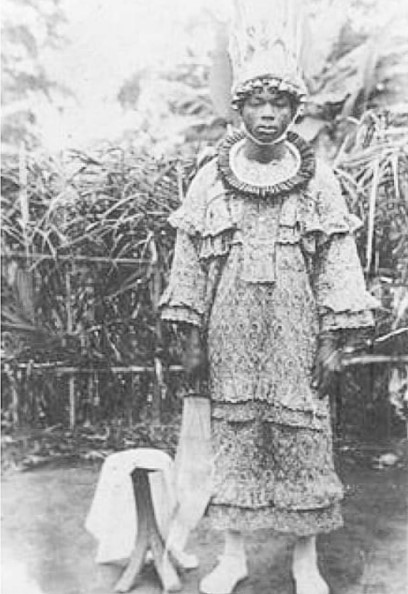
The Spread of Christianity in Igboland
By the late 1800s, Christian missionaries from Europe, mostly from the Church Missionary Society, started working in Igboland. They focused on areas like Onitsha and Idemili, now part of Anambra State. Their goal was to spread Christianity and teach Western education. They often asked Igbo people to stop practices like polygamy and honoring ancestors, which were important to Igbo life. Some Igbo welcomed the new ideas, but others worried about losing their traditions.
Missionaries built schools, hospitals, and trade centers, which interested many Igbo leaders. In Onitsha, for example, young people attended missionary schools to learn English. This helped them get jobs with the colonial government. However, the demand to give up traditions caused disagreements, as these practices were key to Igbo culture.
King Idigo’s Open Invitation
Historical context
Aguleri is an important town in today’s Anambra State, known for its strong Igbo traditions. In 1890, King Idigo Ogbuanyinya heard about the missionaries’ work in nearby areas. Curious about their teachings, he invited them to Aguleri to share their ideas. This showed the Igbo value of being open to new things while staying true to their roots.
King Idigo’s invitation was a big step. He gave the missionaries a large piece of land to build a mission house. This act showed he wanted to learn about Christianity and its benefits for his people. It also proved he was a strong leader who could welcome outsiders without losing his authority.
The Clash at Baptism
King Idigo was so interested that he prepared to be baptized as a Christian. But on the day of the ceremony, he learned what conversion meant. The missionaries told him to give up his traditional titles, which showed his power in Igbo society. They also asked him to share his wealth and divorce all but one of his wives. In Igbo culture, having multiple wives was a sign of wealth and respect, and it kept families strong.
These demands were too much for King Idigo. Divorcing his wives would hurt his family and community. Giving up his titles would weaken his leadership. Losing his wealth would reduce his influence. So, he decided not to convert and stayed true to his Igbo beliefs. This choice showed his deep commitment to his culture and his duty to his people.
Igbo Responses to Missionary Influence
King Idigo’s story was not the only one like it. Across Igboland, people faced similar choices. In Onitsha, leaders like Obi Anazonwu worked with missionaries at first but struggled with rules against Igbo traditions. Some Igbo accepted Christianity and mixed it with their beliefs. Others, like King Idigo, held on to their customs. Because Igbo communities made decisions independently, their responses varied.
The missionaries’ arrival started conversations about education, religion, and leadership. These talks shaped Igboland as it entered the colonial period. Even as Christianity spread, Igbo people kept their festivals, masquerades, and ways of governing, protecting their culture.
King Idigo’s Lasting Legacy
King Idigo’s choice did not stop Christianity in Aguleri. Over time, many people there became Christians but kept Igbo traditions alive. Today, Aguleri is a proud center of Igbo culture. Events like the Ovala festival and traditional practices continue alongside Christian churches.
King Idigo’s story shows the Igbo people’s strength and independence. He was open to new ideas but chose to protect his culture. His actions inspire Igbo pride today. They remind us how the Igbo balanced change with tradition during a challenging time.
King Idigo Ogbuanyinya’s 1890 encounter with Christian missionaries is a key moment in Igbo history. It shows the Igbo people’s openness, their strong cultural values, and their ability to stand firm against outside pressures. As Igboland celebrates its heritage through festivals, art, and community, King Idigo’s legacy highlights the enduring spirit of the Igbo people.
Sources and references
- Blacksanta91. (2025, April 20). King Idigo and the White Missionaries.
- Idigo , F. C. (1990). Aguleri: A historical and cultural survey . Anambra State University Press.
- Ntezi Community Group. (n.d.). A fascinating Igbo History that happened in the 19th century in Igbo land.
- Okeke, C. (2018). Christianity and Igbo culture: A historical perspective. Journal of Igbo Studies, 12 (3), 45–60.
Cite this article
Discussion
Sign in to join the discussion
Comments are checked by an editor before they appear. Leave a source or a correction and it is read first.
Continue reading
Related histories
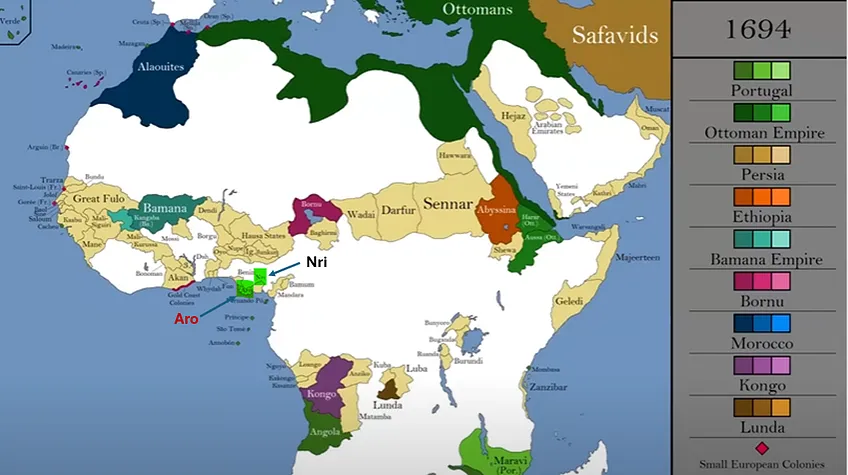 Anthropology and EthnographyThe Demography of Biafran Slave Exports (1650–1850)Read history →
 Anthropology and EthnographyMasquerade Traditions from Igboland to the Caribbean (Jonkonnu, Mocko Jumbie)Read history →
 Anthropology and EthnographyMapping Igbo Destinations in the Americas: A Comparative AnalysisRead history →
No comments yet
Nothing has been approved on this record yet. Comments are checked by an editor before they appear, so one written now shows on this page after that check.