 Ozikoro
 Anthropology and Ethnography · Published history
Linguistic Synthesis: How the Itsekiri Language Evolved from a Blend of Yoruba, Edo (Bini), and Igala
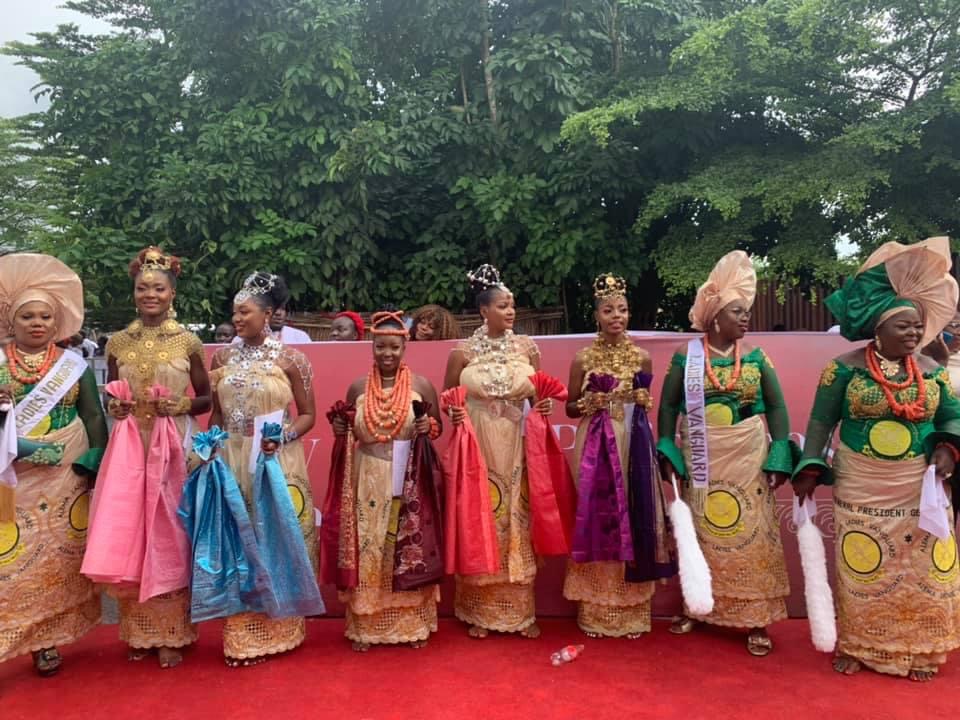
The Itsekiri language (also called “Isekiri” or “Ishekiri”) is one of the most distinctive linguistic systems in the Niger Delta of Nigeria. Although often grouped under the Yoruboid languages, its structure and vocabulary reveal a unique synthesis of Yoruba, Edo (Bini), and Igala influences. This blend reflects the complex historical, migratory, and political interactions that shaped the emergence of the Itsekiri people. As sources note, the language is “largely based on early Yoruba forms,” but scholars have long recognized additional layers from Edo and Igala due to centuries of cultural integration.
The written record
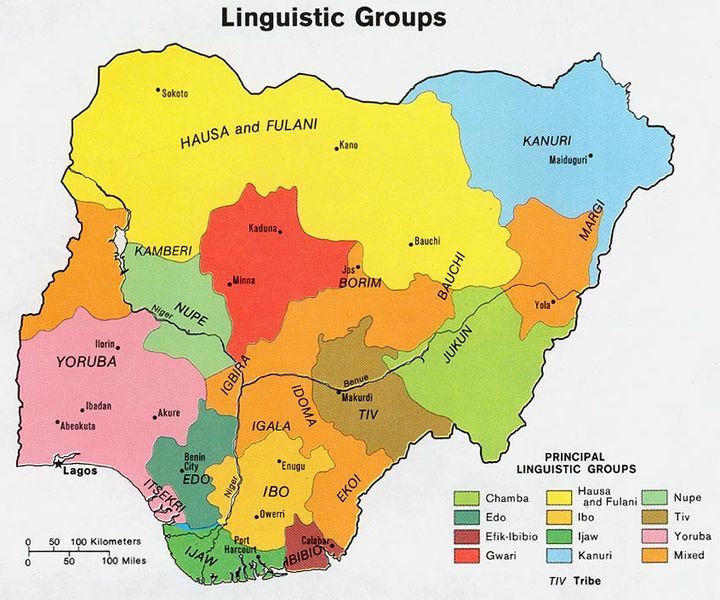
Photo credit; The map is a work of the U.S. Central Intelligence Agency (CIA) / public domain. It is frequently cited as being part of the Perry-Castaneda Library Map Collection.
Historical context
Historical Background of the Itsekiri People
- Origins Linked to Benin and Yoruba
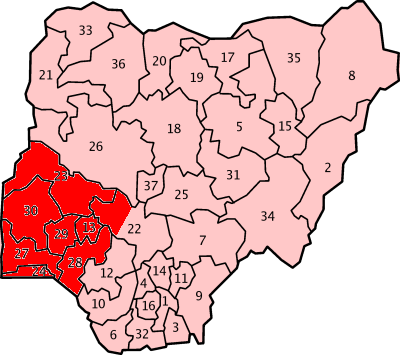
Historical tradition states that the Itsekiri kingdom was founded during the migration of Prince Ginuwa, a son of Oba Olua of Benin, in the late fifteenth century. This event established direct Edo (Bini) influence on the Itsekiri socio-political order. However, as Wikipedia emphasizes, Itsekiri is not classified as an Edo language. Instead, its roots lie primarily in Old Yoruba, brought through interactions with early Yoruba-speaking communities around the Owo and Ife regions.
- Igala Connections
There is also a longstanding tradition of Itsekiri interaction with Igala traders and settlers. These contacts introduced Igala lexical items and tonal patterns into Itsekiri speech forms. The syncretic nature of these relationships political, commercial, and marital laid a fertile ground for linguistic blending.
Yoruba Foundations of the Itsekiri Language
- Lexical Similarity and Grammar
Linguists classify Itsekiri as a Yoruboid language because a large proportion of its vocabulary and grammatical structures align with Yoruba dialects of the fifteenth and sixteenth centuries. Terms such as “omi” (water), “owo” (hand), and “ile” (house) reflect this close relationship.
Elugbe notes that Itsekiri retains older Yoruba forms that have disappeared from modern Yoruba, making it an important window into historical Yoruboid linguistics.
- Influence of Early Yoruba Settlers and Missionaries
Prior to and after Ginuwa’s migration, the Itsekiri interacted with Yoruba-speaking traders and craftsmen from Owo and Ile-Ife. These interactions helped stabilize Yoruba as the dominant linguistic base. Later, Portuguese and missionary presence reinforced Yoruba prestige, since early Christian literature and translation work used Yoruba linguistic models.
Edo (Bini) Elements in Itsekiri
- Court Terminology and Political Vocabulary
Because the Itsekiri monarchy originated from Benin royalty, Edo political culture deeply influenced Itsekiri terminology. Court titles such as “Ologbotsere,” “Olu,” “Iyatsere,” and ritual vocabulary bear strong resemblance to Edo administrative terms.
- Loanwords and Semantic Borrowings
Some Itsekiri nouns and expressions are clearly borrowed from Edo (Bini). For example:
Names and titles connected to royalty,
Ritual terms linked to ancestral worship,
Vocabulary relating to Benin court regalia and guild practices.
These loanwords appear primarily in areas of governance, religion, and prestige expressions rather than basic everyday vocabulary. This pattern reinforces the historical relationship between Edo political authority and Itsekiri state formation.
Igala Contributions to Itsekiri Linguistic Structure
- Tonal and Phonological Influence
Igala influence on Itsekiri is less obvious lexically, but clearer tonally and phonologically. Igala’s characteristic high–mid tonal patterns appear in some Itsekiri pronunciations and name forms.
- Vocabulary Integration
Igala loanwords entered Itsekiri through:
Inter-marriage between Itsekiri and Igala nobles,
Trade routes across the Niger-Benue confluence,
Military alliances and migrations. Some Itsekiri personal names and ritual terms show these Igala roots.
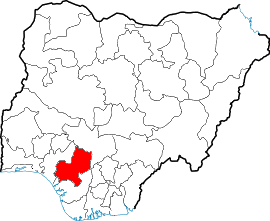
Photo credit; The original image was drawn by Jaimz height-field.
Mechanisms of Linguistic Blending
- Contact Through Migration
The migration of groups from Owo, Ife, and Benin into the Itsekiri riverine environment created sustained multilingualism. As groups interacted, languages blended organically, a process known in linguistics as contact-induced change.
- Trade and Intermarriage
The Itsekiri were major commercial intermediaries between inland states and European traders. This cosmopolitan environment allowed vocabulary from multiple languages to circulate through trade, especially maritime terms and loanwords related to commerce.
- Royal Interventions
The Olu’s court encouraged the adoption of Edo political vocabulary for legitimacy. Similarly, Christian missionaries promoted Yoruba literacy. These processes institutionalized multilingual blending while ensuring linguistic stability.
Itsekiri as a Unique Language, Not a Dialect
- Distinct from Yoruba, Edo, and Igala
Although Itsekiri shares features with these languages, it cannot be classified as a dialect of any of them. Linguists emphasize that Itsekiri has its own phonology, grammatical structure, tone systems, literary tradition and orthography.
Scholars also note that Itsekiri is mutually intelligible only partially with Yoruba, further confirming its unique status.
- The Standardization of Modern Itsekiri
In the twentieth century, scholars and cultural custodians worked to standardize Itsekiri orthography and textual tradition. Writings, hymnbooks, historical works, and educational material helped solidify its status as an independent language with a strong literary identity.
The evolution of the Itsekiri language is a testament to the dynamic history of the Niger Delta. Emerging from a Yoruba linguistic foundation, enriched with Edo political terminology, and shaped by Igala phonological and lexical elements, Itsekiri embodies a rare case of multilingual synthesis in West Africa. Its development reflects centuries of migration, intermarriage, commerce, and imperial interactions.
Today, Itsekiri stands as a symbol of historical hybridity, an independent language forged at the crossroads of three powerful West African cultural spheres.
Sources and references
- Akinkugbe, O. (1976). An internal classification of the Yoruboid languages. Journal of West African Languages, 11(1), 1–15.
- Egharevba, J. U. (1968). A short history of Benin. Ibadan University Press.
- Elugbe, B. (1989). Comparative Edoid: Phonology and lexicon. Delta Publications.
- Ryder, A. F. C. (1969). Benin and the Europeans, 1485–1897. Humanities Press.
- Thomason, S., & Kaufman, T. (19 88). Language contact, creolization, and genetic linguistics. University of California Press.
Cite this article
Discussion
Sign in to join the discussion
Comments are checked by an editor before they appear. Leave a source or a correction and it is read first.
Continue reading
Related histories
 Anthropology and EthnographyThe Demography of Biafran Slave Exports (1650–1850)Read history →
 Anthropology and EthnographyMasquerade Traditions from Igboland to the Caribbean (Jonkonnu, Mocko Jumbie)Read history →
 Anthropology and EthnographyMapping Igbo Destinations in the Americas: A Comparative AnalysisRead history →
No comments yet
Nothing has been approved on this record yet. Comments are checked by an editor before they appear, so one written now shows on this page after that check.