 Ozikoro
 Anthropology and Ethnography · Published history
Missionaries and the Bible: How Efik Became the First Nigerian Language to Have a Written Orthography and a Full Bible Translation (1868)
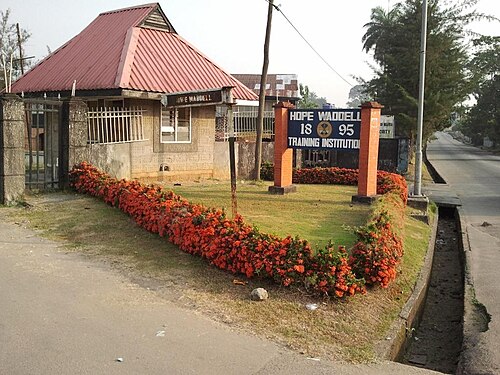
The Efik language occupies a distinguished place in Nigerian linguistic and religious history. It is widely recognized as the first Nigerian language to develop a standardized written orthography and the first to have a complete Bible translation, published in 1868. This achievement was the result of a unique collaboration between European missionaries especially from the Church of Scotland Mission and Efik-speaking communities of Old Calabar. This essay explores the origins of Efik literacy, the work of missionaries, the cultural circumstances that made Efik a regional lingua franca, and the impact of the 1868 Bible translation on language development, education, and Christianity in southeastern Nigeria.
The written record
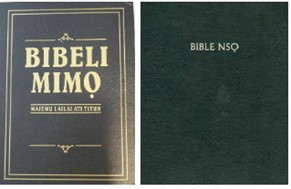
Photo credit; aieti.eu
Historical context
Historical Background of the Efik People
The Efik people, located in Old Calabar (present-day Cross River State), were influential coastal traders from the 17th century onward. Through extensive commercial interactions with Europeans, they developed early exposure to Western education, writing, and Christianity.
Efik became a major trade language in the Cross River region, used by various ethnic groups such as the Efut, Qua, and Ibibio. The prominence of Efik in commerce, diplomacy, and social relations made the language a strategic choice for missionary linguistic work.
Arrival of Missionaries in Old Calabar
Organized missionary presence in Old Calabar began in 1846 with the arrival of the Church of Scotland Mission (CSM). Missionaries such as Rev. Hope Waddell, Rev. A. R. Goldie, and Rev. William Anderson played key roles in language documentation, literacy work, and evangelism.
Their strategy for evangelization emphasized literacy. Missionaries believed that for Christianity to succeed, the Bible and religious teachings had to be accessible in the people’s own language. This belief motivated them to begin systematic linguistic study of Efik soon after their arrival.
Developing the First Efik Orthography
The first major step toward producing an Efik Bible was the creation of an orthography system for writing the language using Roman letters.
Early Linguistic Work
Rev. Goldie emerged as the most dedicated linguistic scholar of the mission. He began compiling vocabularies, documenting grammar rules, and translating religious materials. In 1862, he published “A Dictionary of the Efik Language,” one of the earliest comprehensive lexicons of any Nigerian language.
Goldie’s orthography standardized:
The Efik alphabet,
Rules for tone marking (though simplified compared to modern standards),
Consonant and vowel correspondences,
Spelling conventions for indigenous names, verbs, and plural forms
Community Participation.
Local converts and teachers, including young Efik interpreters educated at the Hope Waddell Training Institute, assisted in refining spelling and correcting translations. Their involvement ensured that the written language reflected genuine Efik speech patterns.
Translation of the Efik Bible.
Process of Translation;
The translation project took more than two decades. Missionaries worked closely with Efik speakers, producing drafts, reading them aloud for correction, and comparing them with Greek or English biblical texts. By 1868, Rev. A. R. Goldie completed and published the first full Bible in any Nigerian language, titled simply “The Holy Bible in Efik.” Printing was done in Scotland and transported to Calabar for distribution.
Significance of the 1868 Bible
The Efik Bible was a monumental achievement because:
- It marked the first complete Bible available in a Nigerian language.
- It contributed to mass literacy among the Efik people.
- It helped spread Christianity across the Cross River region and beyond.
- It solidified the Efik orthography, making it the earliest standardized writing system for any Nigerian language.
Some source also note that this translation positioned Efik as a reference point in Nigeria’s linguistic history, influencing later translations into Yoruba, Igbo, and Hausa.
Impact on Education and Literacy
Establishment of Schools
Missionaries established schools where literacy in Efik was a core subject. The Hope Waddell Training Institute, founded in 1895, became a major centre for producing literate Africans who later became teachers, interpreters, clerks, and evangelists across Nigeria and West Africa.
Promotion of Vernacular Literacy
The Efik Bible encouraged widespread reading, not only for religious purposes but also for personal communication, record keeping, and business transactions. Efik became one of the earliest Nigerian languages to develop a substantial written literature, including hymns, catechisms, newspapers, and educational books.
Efik as a Lingua Franca and its Wider Influence
Efik’s role as a regional lingua franca made the translation particularly impactful. People from neighbouring ethnic groups Ibibio, Qua, Annang, and even some Igbo communities attended Efik schools and used Efik as a second language.
Christian missions spreading inward from the coast also relied on Efik-speaking catechists to establish new congregations. The use of Efik in early colonial administration further strengthened its status.
Cultural and Religious Transformations
Christianization of Old Calabar
The availability of Scripture in Efik contributed to major cultural changes, such as the decline of certain traditional practices criticized by missionaries. The abolition of human sacrifice in 1850 and the eventual weakening of secret societies such as Ekpe were partly attributed to Christian influence.
Indigenous Church Leadership
As literacy increased, Efik converts became pastors, teachers, and evangelists. This transition laid the foundation for indigenous leadership in churches across southeastern Nigeria.
Legacy of the Efik Bible and Orthography
The 1868 Efik Bible remains a historic symbol of linguistic and cultural preservation. It laid the foundation for:
Modern Efik literature,
Revised orthographies, such as the standardized Efik alphabet adopted in the 20th century,
Contemporary Bible translations, including updated editions,
Recognition of Efik as an important Nigerian language.
Today, Efik is still taught in schools, broadcast in media, and used in church liturgy. Its early orthography and Bible translation continue to be celebrated as pioneering achievements in African written tradition.
Efik’s distinction as the first Nigerian language with a written orthography and a complete Bible translation was not a coincidence but the result of strategic historical forces. The involvement of European missionaries, the linguistic openness of the Efik people, and the region’s central role in West African trade created the conditions for rapid literacy development. The 1868 Efik Bible stands as a landmark in Nigerian history, an enduring testament to cultural exchange, linguistic innovation, and the transformative power of written language. Its legacy continues to shape education, religion, and scholarship in contemporary Nigeria.
Sources and references
- Efik language. (2024). Wikipedia.
- Goldie, A. R. (1862). A dictionary of the Efik language. Glasgow: Church of Scotland Mission Press.
- Hope Waddell Training Institute. (2024). Wikipedia.
- Jones, G. I. (1969). The trading states of the Oil Rivers. London: Oxford University Press.
- Latham, A. J. H. (1973). Old Calabar, 16 00–1891: The impact of the international economy upon a traditional society. Oxford University Press.
Cite this article
Discussion
Sign in to join the discussion
Comments are checked by an editor before they appear. Leave a source or a correction and it is read first.
Continue reading
Related histories
 Anthropology and EthnographyThe Demography of Biafran Slave Exports (1650–1850)Read history →
 Anthropology and EthnographyMasquerade Traditions from Igboland to the Caribbean (Jonkonnu, Mocko Jumbie)Read history →
 Anthropology and EthnographyMapping Igbo Destinations in the Americas: A Comparative AnalysisRead history →
No comments yet
Nothing has been approved on this record yet. Comments are checked by an editor before they appear, so one written now shows on this page after that check.