 Ozikoro
 Anthropology and Ethnography · Published history
Musical Instruments: The Voice of the Wood
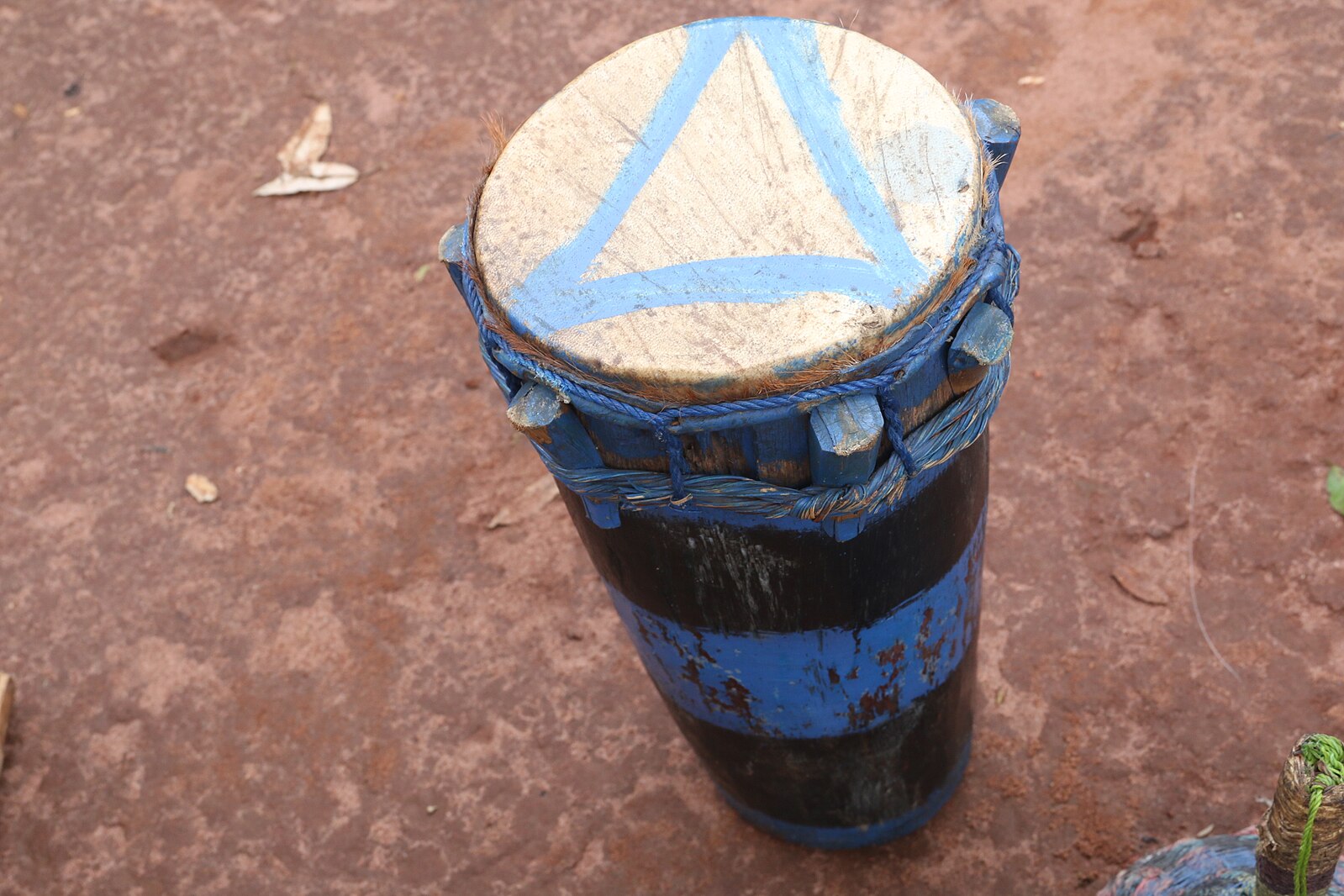
Across many African societies, music is not merely entertainment, it is a social language, a spiritual medium, and a form of historical documentation. Among the Igbo and other groups in southeastern Nigeria, wooden musical instruments occupy a central role in shaping cultural expression. Often called the “voice of the wood,” these instruments communicate messages, reinforce identity, and accompany rituals, festivals, and daily life. Carved by highly skilled artisans, wooden instruments carry deep symbolic meanings tied to ancestry, spirituality, community values, and artistic innovation.
The written record
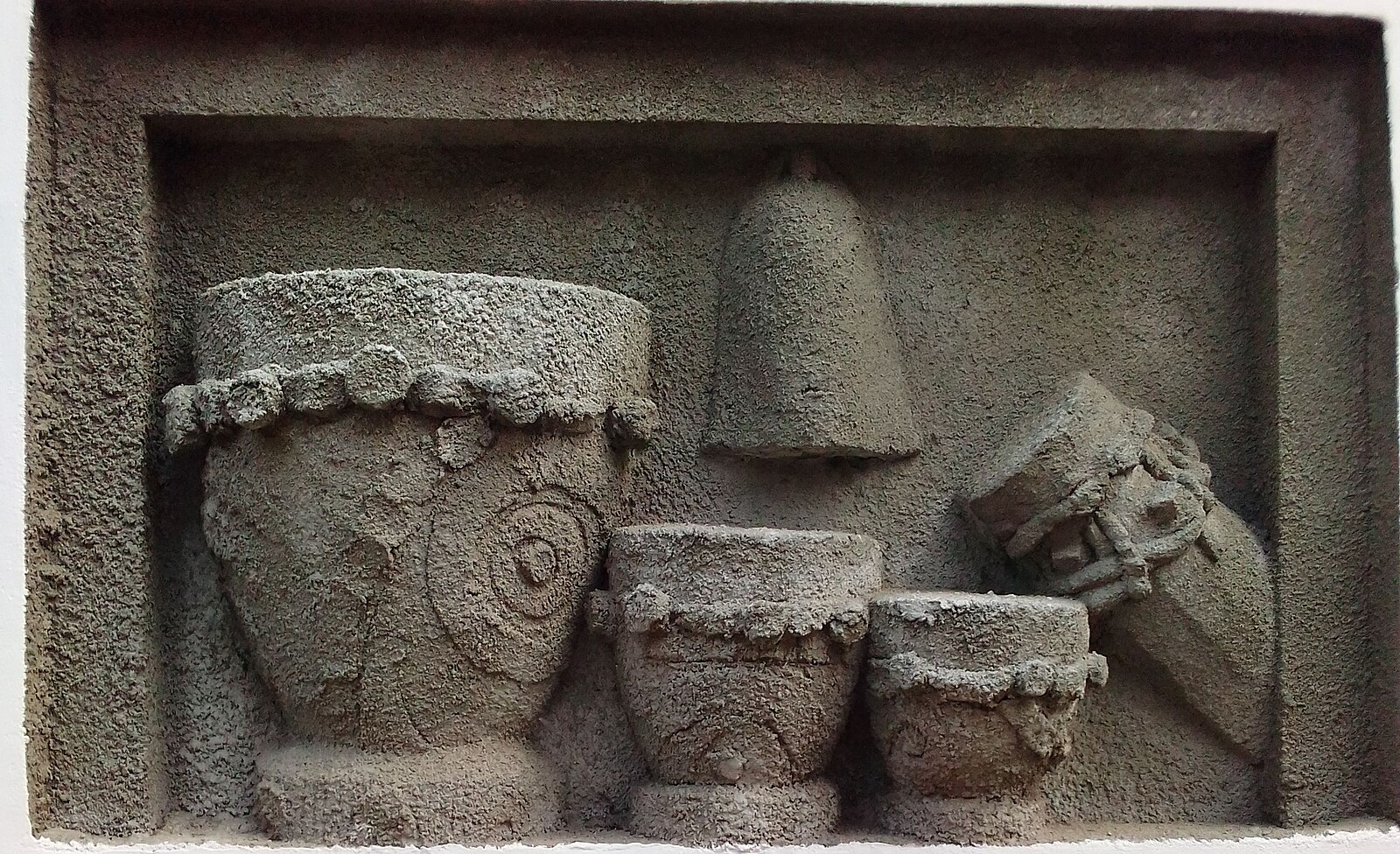
Photo credit; Wikipedia.
Historical context
Historical Origins of Wooden Instruments
Wooden musical instruments have been integral to Igbo life for centuries. Archaeological evidence from the region reveals early examples of carved objects used for sound production, suggesting that wood-based instruments predate colonial contact. Among the oldest is the slit drum, known in many Igbo communities as the “ekwe.” This drum was historically used for communication across long distances, serving as both a musical instrument and a messaging device. According to historical scholarship, African wooden instruments developed alongside traditions of woodcarving, religion, and communal performance.
European explorers, missionaries, and ethnographers also documented the prominence of wooden instruments. Their accounts describe festivals, rituals, and political gatherings where drums, xylophones, and rattles accompanied dances and oral performances. These instruments formed part of a larger cultural ecosystem that included masked performances, ancestral veneration, and storytelling.
Types of Wooden Musical Instruments
Among the most iconic wooden instruments in southeastern Nigeria are the ekwe (slit drum), the ogene (iron bell with wooden accompaniments), the udu (although clay-based, often played with wooden sticks), and the wooden xylophone known as the “ogene aku” or “nkwa.” Each instrument serves a unique purpose and reflects the artistic skill of its maker.
The ekwe is carved from a single block of hardwood, usually iroko or mahogany. It has a hollow chamber with one or two slits on the top. When struck with wooden beaters, it produces resonant tones used in dances, war alerts, market announcements, funerals, and royal ceremonies. The tones mimic speech patterns, making the ekwe a “talking drum” capable of conveying coded messages.
The wooden xylophone (nkwa or ikoro) is made from tuned wooden slabs placed over resonating gourds or banana stems. It is used in celebratory dances, masquerade performances, and harvest festivals. Its bright, clear tones symbolize joy and communal unity.
Ritual instruments like the oja flutes, although not wooden, are often paired with wood-based drums, creating a balanced ensemble that supports storytelling, praise singing, and masquerade symbolism.
Symbolism and Spiritual Importance
Wooden musical instruments carry deep spiritual symbolism. In many Igbo communities, instruments like the ekwe are considered sacred because they serve as mediums of communication between the living and the ancestors. Some slit drums are associated with specific deities or titled men. Before carving begins, artisans may perform rituals to seek spiritual permission, reflecting the belief that trees contain spirits and must be approached with respect.
The ekwe used in the masquerade society (mmanwu) is believed to “summon spirits” when played during nocturnal rituals. The wooden xylophone, used in agricultural festivals, symbolizes the renewal of life and fertility. Music in these contexts is not random sound but structured communication that reinforces cosmological order.
Some instruments are restricted. For example, the ikoro, a massive wooden drum placed in a central square, was historically struck only during dangerous events such as war, death of a chief, or communal emergencies. Striking it without cause was a grave offense because its voice was considered spiritually authoritative.
Carving and Craftsmanship: The Sacred Duty of Artisans
The creation of wooden instruments requires expertise, patience, and ritual knowledge. Carving guilds and individual artisans learned these techniques through apprenticeships lasting years. These artisans understood the acoustic properties of different woods, the spiritual significance of ritual objects, and the symbolic language of Igbo art.
Carving begins with selecting a tree considered spiritually acceptable. In some communities, the carver offers kolanuts or prayers to ask permission from the spirit of the tree. After felling, the wood is shaped using adzes, chisels, and knives tools often produced by Awka blacksmiths. The carver must ensure proper thickness, symmetry, and resonance. The process blends science and spirituality, craftsmanship and cosmology.
The surface of the instrument may be decorated with geometric designs, animal motifs, or Nsibidi symbols, depending on local traditions. These carvings enhance aesthetic value and spiritual meaning, reflecting the Igbo belief that art must be both functional and symbolic.
Social and Cultural Functions
Wooden instruments serve a wide range of social purposes. They accompany dances such as the Atilogwu, Nkwa Umuagbogo, and social masquerades. They guide agricultural rhythms marking planting seasons, harvests, and communal labour. During funerals, especially of elders or titled individuals, instruments like the ekwe and xylophone accompany dirges, celebrating the deceased’s life and ancestral transition.
In political contexts, drums announce meetings, warn against danger, or celebrate victories. Festivals like the New Yam Festival rely heavily on drum ensembles that communicate joy, renewal, and gratitude to the gods. In some communities, musicians also hold influential status, serving as historians, praise singers, or custodians of cultural memory.
Contemporary Relevance and Adaptation
Today, wooden instruments continue to play a role in modern Igbo society despite cultural shifts. Many are used in churches, cultural festivals, tourism, and national celebrations. Nigerian musicians incorporate traditional drum patterns into highlife, Afrobeat, and gospel music, blending heritage with modern styles. Wooden instruments are preserved in museums, cultural centres, and UNESCO-listed projects emphasizing intangible heritage.
Efforts to preserve these instruments include documentation, cultural education programs, and collaborations between carvers and contemporary artists. The “voice of the wood” remains an enduring symbol of identity, resilience, and continuity, reminding younger generations of their cultural roots.
Wooden musical instruments remain central to the cultural, spiritual, and artistic life of southeastern Nigeria. Their importance lies not only in their musical functions but also in their ability to communicate, symbolize authority, and express communal identity. The craftsmanship behind them reveals a sophisticated understanding of art, acoustics, and spiritual symbolism. As cultural heritage, these instruments stand as enduring guardians of history and tradition, continuing to speak through the “voice of the wood.”
Sources and references
- Echeruo, M. (1998). African musical traditions and identity. Journal of African Cultural Studies, 11(2), 45–58.
- Okafor, R. C. (2005). Music in Nigerian society. Enugu: New Generation Books.
- Wikipedia. (2024). Igbo music.
- Wikipedia. (2024). African musical instruments.
- Wikipedia. (2024). Slit drum .
Cite this article
Discussion
Sign in to join the discussion
Comments are checked by an editor before they appear. Leave a source or a correction and it is read first.
Continue reading
Related histories
 Anthropology and EthnographyThe Demography of Biafran Slave Exports (1650–1850)Read history →
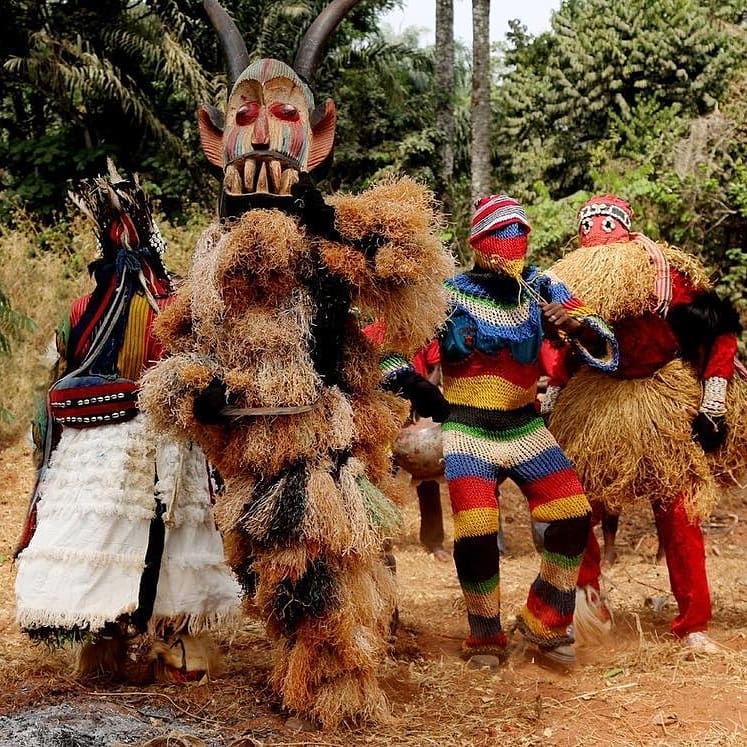 Anthropology and EthnographyMasquerade Traditions from Igboland to the Caribbean (Jonkonnu, Mocko Jumbie)Read history →
 Anthropology and EthnographyMapping Igbo Destinations in the Americas: A Comparative AnalysisRead history →
No comments yet
Nothing has been approved on this record yet. Comments are checked by an editor before they appear, so one written now shows on this page after that check.