 Ozikoro
 Anthropology and Ethnography · Published history
Nkwerre Opia Egbe: A Case Study of Indigenous Technological Resilience Against Colonial Prohibition Laws (1900–1945)

The written record
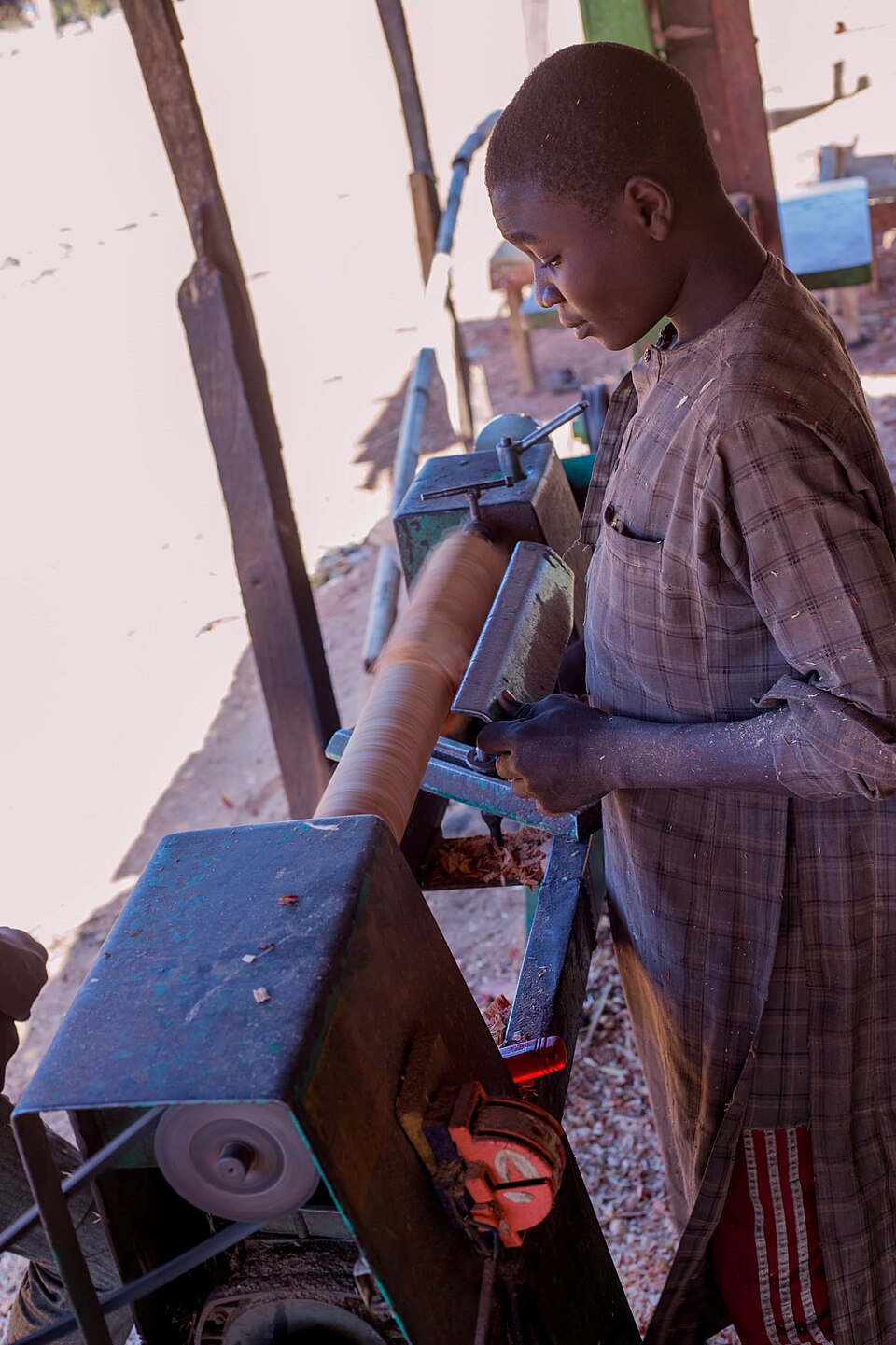
Nkwerre located in present-day Imo State, southeastern Nigeria was one of the most technologically advanced ironworking communities in Igboland. Famous for its Opia Egbe (locally manufactured guns), Nkwerre maintained a longstanding tradition of blacksmithing, rooted in both ritual and craftsmanship. However, beginning in the early 20th century, the British colonial government issued several laws restricting the manufacture of firearms in Nigeria, viewing indigenous gun production as a threat to colonial order. Despite these prohibitions, Nkwerre blacksmiths continued to innovate, adapt, and preserve their metallurgical knowledge.
Historical context
Historical Background of Nkwerre Gun-Making
- Origins of the Craft
Nkwerre’s ironworking heritage predates colonial rule, with oral traditions linking its origins to ancient Igbo iron-smelting centers such as Awka and Lejja. According to available historical records, Nkwerre specialized not only in iron smelting but also in the fabrication of long-barrel muskets, metal tools, and ritual implements. Their Opia Egbe guns were highly sought after across Igboland, the Niger Delta, and parts of Cameroon.
- The Economic Role of the Opia Egbe
Before colonial intervention, Nkwerre gun production served several essential functions:
Hunting, especially in forested Igbo communities.
Security and community defense.
Trade, as Nkwerre guns were widely exchanged for palm oil, livestock, and cloth.
Ceremonial uses, including title-taking rituals and burial rites of titled men.
Thus, the gun industry was both economic and cultural, linking technology with social identity.
Colonial Prohibition Laws and Their Implications (1900–1945)
- The Firearms Ordinances
According to the History of Nigeria, the British administration issued a series of Firearms Ordinances beginning in 1900 to restrict indigenous firearm possession and production in southern Nigeria. These laws included:
1900 Firearms Proclamation – required licensing for gun ownership.
1917 Firearms Ordinance – criminalized local manufacture of guns.
1933 & 1945 amendments – tightened penalties for smuggling and possession.
The official justification was to curb violence, but scholars widely argue that the laws aimed to neutralize indigenous military capability and consolidate colonial monopoly over force.
- Economic Disruption
The laws undermined Nkwerre’s local economy. Blacksmith guilds lost income, and apprenticeships declined dramatically. Families whose livelihoods depended on ironworking experienced economic hardship.
- Cultural Suppression
Gun-making was deeply embedded in social institutions. Colonial prohibitions therefore attacked more than an industry; they undermined Nkwerre’s cultural identity and technological autonomy.
Indigenous Technological Resilience in Nkwerre
- Adapting Production to Evade Detection
Despite prohibitions, Nkwerre smiths found ways to continue production discreetly. Strategies included:
Relocation of workshops to remote forested areas.
Night forging, when sparks and smoke were harder to detect.
Modular production, where different parts were made in separate compounds to avoid suspicion.
Disguising gun components as agricultural tools to mislead colonial inspectors.
These adaptive practices illustrate what scholars describe as “subversive innovation” the ability of indigenous technologists to continue operation under surveillance.
- Technical Modifications to the Opia Egbe
Nkwerre blacksmiths modified gun models to reduce noise and smoke, making them easier to hide. They also improved durability by forging stronger barrels from recycled scrap metal, adapting imported springs and locks into local frames, using brass trimmings to prevent corrosion. These hybrid technologies combined indigenous craftsmanship with salvaged industrial parts.
- Cultural Continuity Through Secret Guild Structures
Nkwerre gun-making continued because of its guild-based organization. Knowledge was transmitted through secretive father-to-son (or uncle-to-nephew) apprenticeship systems. Oral oaths protected trade secrets, while sacred rituals such as invoking Ala (earth deity) reinforced moral codes associated with the craft. These rituals operated as covert mechanisms of cultural preservation.
- The Opia Egbe as Resistance Symbol
By the 1930s and 1940s, possessing a Nkwerre gun had become an act of symbolic defiance. Community leaders used locally made guns in masquerade displays (mmanwu), title-taking ceremonies, festivals commemorating ancestral defense.
Thus, Opia Egbe became a cultural weapon, not only a physical one.
Regional Influence and Inter-Community Trade
- Distribution Networks
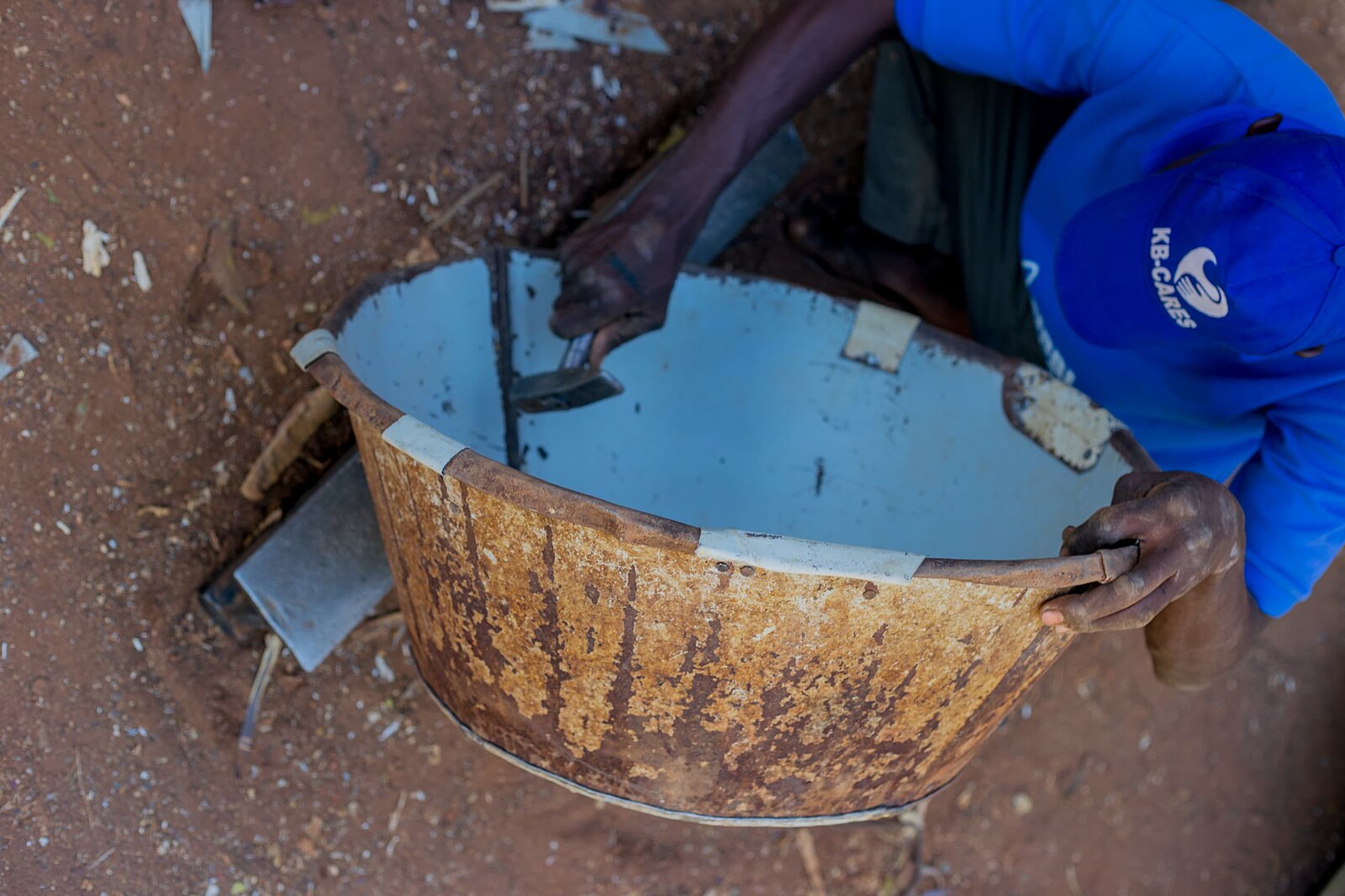
Even under prohibition, Nkwerre guns circulated across Owerri, Orlu, and Okigwe zones, riverine communities of Oguta and Ndoni, Cameroonian border towns. Trade routes were sustained through covert movement, often disguised as trade in iron pots or farming implements.
- Collaboration with Other Smithing Centers
Nkwerre maintained ties with Awka blacksmiths, who supplied iron components and occasionally took apprentices from Nkwerre. This interregional collaboration strengthened their capacity to withstand colonial restrictions.
Decline After 1945 and Legacy
- Post–World War II Regulation
Following WWII, British authorities intensified rural policing, making clandestine gun production riskier. At the same time, imported factory-produced shotguns became more available, reducing demand for Opia Egbe.
- Technological Transition
Nkwerre smiths diversified into metal furniture, roofing sheets, bicycle repair tools, ceremonial brass ornaments. Although the Opia Egbe industry declined, its technological legacy did not disappear; instead, it evolved into modern metalworking.
Recently, Nkwerre descendants and cultural organizations seek to preserve the heritage of gun-making as traditional craftsmanship, not weapon production. Museums across Nigeria and academic researchers increasingly recognize Nkwerre guns as examples of indigenous engineering comparable to other African metallurgical traditions.
Between 1900 and 1945, Nkwerre blacksmiths demonstrated remarkable ingenuity and resilience in the face of colonial suppression. The Opia Egbe was not merely a weapon, it was a symbol of identity, autonomy, and technological mastery. Despite the British prohibition laws aimed at eroding African self-reliance, Nkwerre artisans preserved their knowledge through secretive guild networks, innovative adaptations, and cultural practices that asserted community continuity. Today, their technological heritage stands as a powerful reminder that indigenous African industries were dynamic, sophisticated, and capable of resisting external domination.
Sources and references
- Falola, T., & Heaton, M. (2008). A history of Nigeria. Cambridge University Press.
- Isichei, E. (1976). A history of the Igbo people. Macmillan.
- Jones, G. I. (1984). The trading states of the Oil Rivers: A study of political development in eastern Nigeria. Oxford University Press.
- Ogunjimi, M. (2016). Indigenous technolo gy and its survival in southeastern Nigeria. Journal of African Cultural Studies, 28(3), 345–360.
Cite this article
Discussion
Sign in to join the discussion
Comments are checked by an editor before they appear. Leave a source or a correction and it is read first.
Continue reading
Related histories
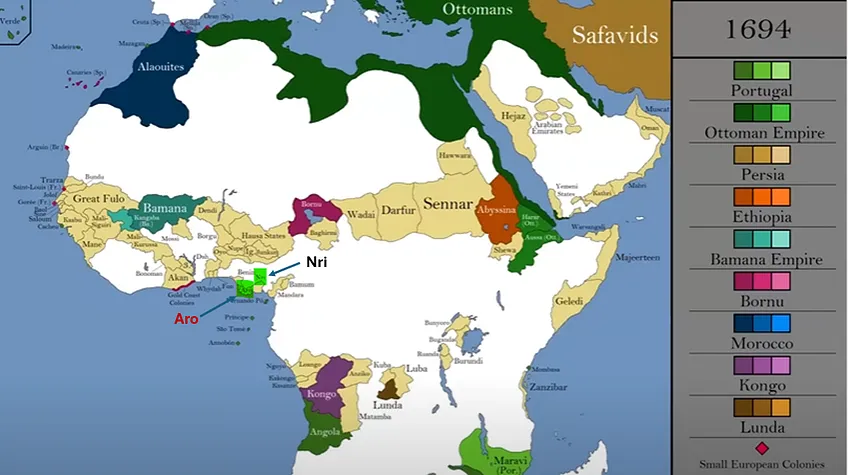 Anthropology and EthnographyThe Demography of Biafran Slave Exports (1650–1850)Read history →
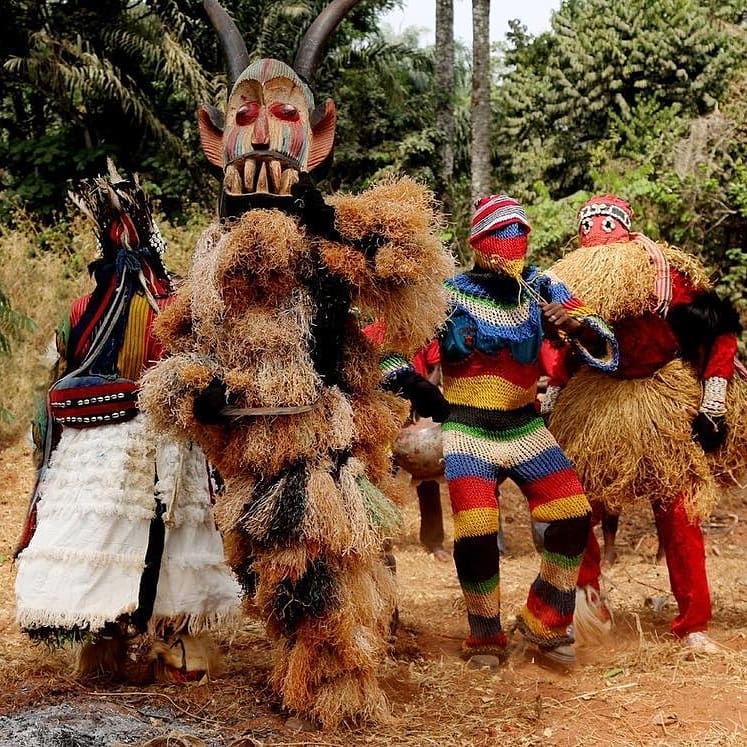 Anthropology and EthnographyMasquerade Traditions from Igboland to the Caribbean (Jonkonnu, Mocko Jumbie)Read history →
 Anthropology and EthnographyMapping Igbo Destinations in the Americas: A Comparative AnalysisRead history →
No comments yet
Nothing has been approved on this record yet. Comments are checked by an editor before they appear, so one written now shows on this page after that check.