 Ozikoro
 Anthropology and Ethnography · Published history
Nkwọ Onunu Festival: Honoring the Mother Goddess in Nsukka Tradition
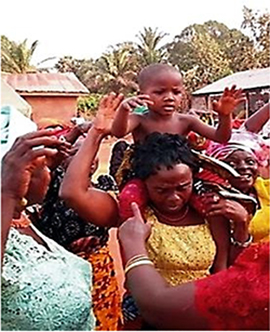
Festivals in indigenous African societies are not merely entertainments; they are embodied expressions of history, spirituality, community identity, and ecological rhythm. Among the Igbo people of southeastern Nigeria, the Nkwọ Onunu Festival stands out as a distinctive cultural celebration rooted in both reverence for ancestral heritage and the veneration of the earth as a source of life and fertility. Particularly celebrated by the people of Nsukka, this festival honors Idenyi Nkwọ, the Mother Goddess, who is regarded as the spiritual matriarch of the community and the custodian of moral and agricultural order. The festival reflects the deep intersection of religion, ecology, social cohesion, and gendered ritual participation in Igbo worldviews.
The written record
Historical context
Historical Roots and Spiritual Significance
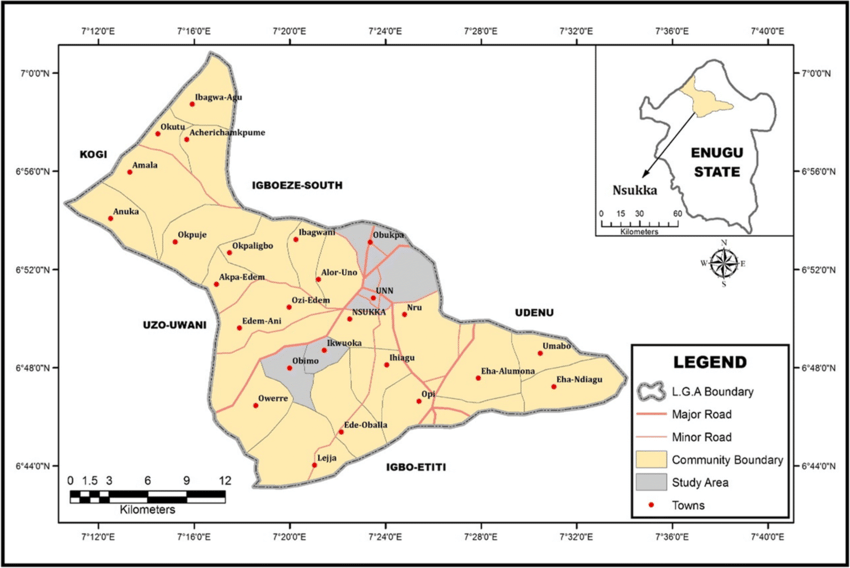
The Nkwọ Onunu Festival is grounded in the ancient traditions of the Nsukka people, who trace their ancestry to Ideke, a founding ancestor whose wife Nkwo became deified after her death. As noted by cultural anthropologists, Nkwo, or Idenyi Nkwọ, is revered as the spiritual mother of Nsukka, a figure who embodies the earth’s generative power, moral rightness, and ancestral authority. The festival pays homage to this deity, seen not only as a guardian spirit of fertility and agriculture but also as the moral custodian upon whose favor the wellbeing of the land and people depend. From earth’s bounty to community laws, Nkwọ’s significance permeates daily life. Sacrifices and libations are offered in her name to ensure protection, bountiful harvests, and social harmony. Within Igbo cosmology, the earth goddess (Ala or Ani) plays a central role as the custodian of morality, land fertility, and ancestral presence. In Nsukka’s localized form, Idenyi Nkwọ fulfills many of these same functions: she mediates between the living and the dead, regulates morality, and oversees the wellbeing of soil and water elements critical to human survival.
Timing and Ritual Framework
The festival typically takes place in January, at the beginning of the new farming season, a period traditionally associated with purification, renewal, and preparation for planting. The festival is celebrated at the Nkwọ shrine square, often located at a sacred arena (Ugwu-nkwọ), a site historically important within Nsukka’s cultural geography. Preparatory activities involve the entire community, and the period of preparation is often regarded as a holy week during which moral rectitude and communal unity are emphasized.
One of the central rituals occurs in the morning hours of the festival day, in which worshippers, especially women, gather to offer libations and sacrifices. They present items such as ọkpa (a traditional local food), odo (a symbolic powder used in ritual incantations), palm oil, kola nuts, and palm wine to the shrine of Idenyi Nkwọ. These offerings are made to seek protection, ensure agricultural success, and invite her blessings for personal and communal prosperity.
Women, Ritual, and Social Structure
Unlike some religious traditions where women are excluded from ritual leadership, the Nkwọ Onunu Festival is characterized by active female participation and often female-centered rites. Women are essential to the festival’s conduct, they lead supplication ceremonies, adorn young women with symbolic decorations, and perform ritual dances. Scholar Opata highlights how the festival empowers women by allowing them to make supplications on behalf of families and the broader community and to engage in symbolic acts of spiritual connection to the Mother Goddess. One of the festival’s unique features is the Igba echi ritual, which involves placing metal rings around the ankles of young women. This symbolic act is performed in the evening and is associated with rites of fertility, maturity, and social transition. Prior to this, local women cosmeticians adorn participants with traditional dress, body art like uli design, beads, and other ritual markings, thereby reinforcing cultural aesthetics and spiritual symbolism.
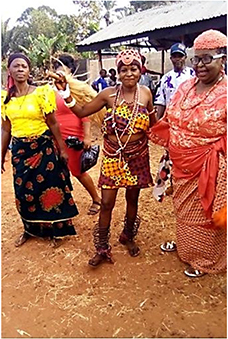
Photo credits; Asian Woman.
Cultural and Educational Functions
Beyond its religious dimensions, Nkwọ Onunu serves important socio-cultural roles. Drawing on local knowledge systems and ritual pedagogy, the festival functions as a form of cultural pedagogy, a means through which elders transmit collective memory, traditional values, and historical narratives to younger generations. During the celebrations, stories of ancestors, community origins, and sacred laws are recounted and reinforced, contributing to communal identity formation. The festival also acts as a mechanism for community harmony and moral surveillance. The period of its observance is traditionally considered a sacred interval during which wrongdoings such as theft, murder, and adultery are believed to offend the Mother Goddess and invite spiritual displeasure. As a result, the festival helps reinforce norms of ethical behaviour and social accountability within the community.
Agricultural Motivation and Ecological Integration
The timing of the Nkwọ Onunu Festival at the onset of the planting season reflects its links to agricultural cycles. This period traditionally marks the beginning of farming activities, and the rituals performed are closely tied to appeals for fertile soil, abundant crops, and protection from environmental disruptions. In many traditional societies, festivals dedicated to earth deities serve as ecological rites, timely interventions to secure rainfall, ensure soil health, and align human labour with natural rhythms. This agricultural connection also underscores the intersection between spiritual practice and environmental stewardship. Recent scholarship suggests that earth goddess festivals like Nkwọ Onunu once played roles in communal ecological governance, integrating institutional respect for land and water with cultural practices regulated by women’s councils and other traditional bodies.
Performance, Dance, and Community Celebration
While some rituals are solemn and sacred, others reflect communal celebration and artistic expression. Music, dance, and symbolic performances play key parts in the festival. Young women, for example, perform patterned movements sometimes likened to ceremonial runway displays, wearing beads and holding ritual artifacts such as nza, a stick with animal hairs that symbolizes spiritual power and connection to ancestor spirits. These performances are not only aesthetic but carry cultural meaning: they affirm belonging, display communal identity, and celebrate fertility in both literal and symbolic terms.
Challenges of Continuity and Modern Influences
Like many indigenous festivals, Nkwọ Onunu faces pressures from modernity, religious transformation, and changing patterns of life. Christianity, urbanization, and migration have reshaped participation in traditional rites. Some aspects of festival ritual are now practiced in ways that blend Christian and indigenous elements, while others risk decline due to younger generations’ growing disconnection from ancestral myths. Scholars argue that preserving such festivals is vital not only for cultural diversity but also for maintaining alternative epistemologies of environmental stewardship, community health, and social cohesion that modern institutions often overlook.
The Nkwọ Onunu Festival remains a compelling testament to the spiritual depth, cultural richness, and ecological wisdom of the Nsukka Igbo tradition. Anchored in the veneration of the Mother Goddess Idenyi Nkwọ, the festival is not merely a relic of the past but a living cultural heritage that continues to embody communal identity, ritual practice, and moral ethos. It integrates reverence for the earth with social education, gendered ritual roles, and agricultural rhythms, making it both a spiritual celebration and a practical framework for community wellbeing. As Nigeria navigates modernization, revitalizing and documenting practices like Nkwọ Onunu helps preserve intangible heritage that underscores the enduring value of indigenous cosmologies and collective memory.
Sources and references
- Ezebuilo, C. N. (2024). The Place of Cultural Festivals in Meeting Development Challenges: Onunu Festival in Nsukka Igbo as a Focus. Global Academic Star.
- Oji, C. C. (2022). Onunu Nsukka Cultural Festival and Its Contributions. Journal of African Traditional Rituals.
- Opata, T. (2020). Women in Igbo Culture: Roles in Nkwọ Onunu Festival. Asian Women: Journal of Cultural Studies.
- Nomadit. (2024). Earth Goddess Rituals and Environmental Sustainability in Nsukka Igbo. Conference presentation.
- Okoro, M. N. (2022). Nkwọ Onunu cultural heritage in Nsukka Igbo, Nigeria: A festival in honor of a mother goddess. African Arts.
Cite this article
Discussion
Sign in to join the discussion
Comments are checked by an editor before they appear. Leave a source or a correction and it is read first.
Continue reading
Related histories
 Anthropology and EthnographyThe Demography of Biafran Slave Exports (1650–1850)Read history →
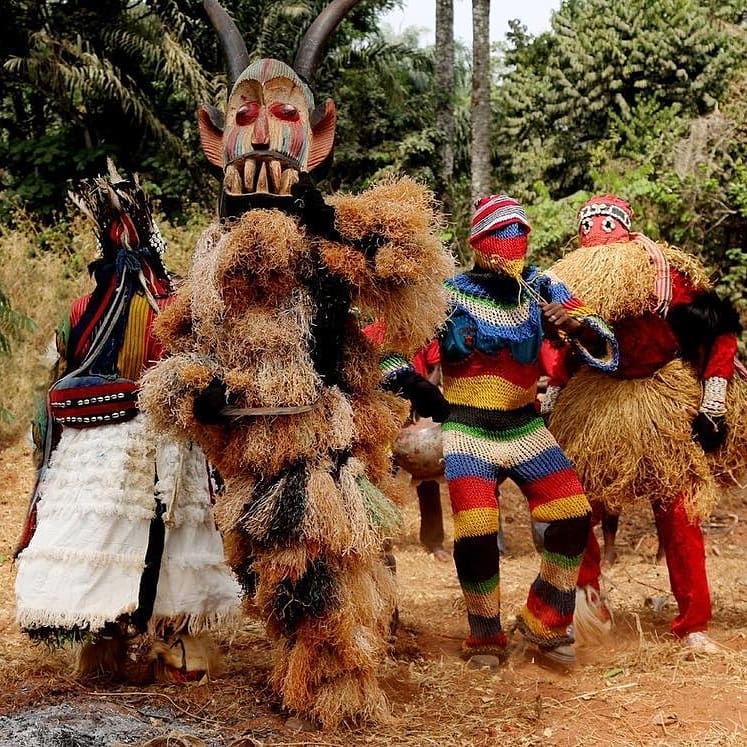 Anthropology and EthnographyMasquerade Traditions from Igboland to the Caribbean (Jonkonnu, Mocko Jumbie)Read history →
 Anthropology and EthnographyMapping Igbo Destinations in the Americas: A Comparative AnalysisRead history →
No comments yet
Nothing has been approved on this record yet. Comments are checked by an editor before they appear, so one written now shows on this page after that check.